

⏱ 8 min read
Best Bath Toys for Toddlers: Top Picks for Every Age and Play Style
Choosing the best bath toys for toddlers can transform bath time into a fun learning experience while encouraging fine motor development, creativity, and early STEM skills. This guide compares floating toys, bath pipe toys, DIY water play ideas, and educational baby bath toys to help you find safe, durable, and easy-to-clean options for every stage of toddlerhood.
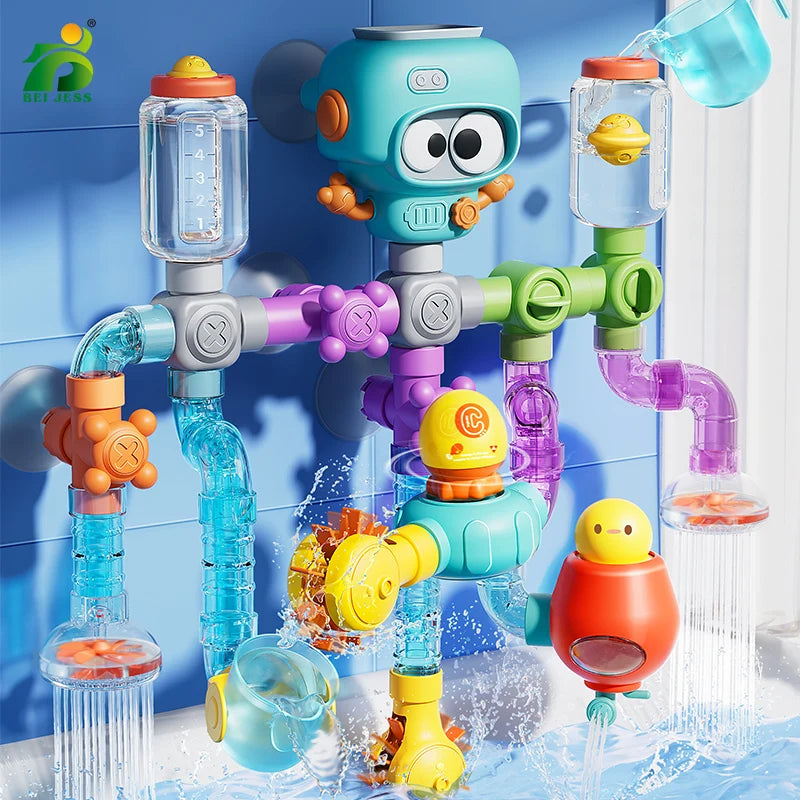
Bath toys for toddlers and DIY water play ideas — See them in action.
Best Bath Toys for Toddlers: Top Picks for Every Age and Play Style
The best bath toys for toddlers combine engaging play with safe materials, easy cleaning, and age-appropriate learning opportunities. Floating toys encourage sensory exploration, bath pipe toys introduce simple engineering concepts, and pouring toys strengthen hand-eye coordination while making bath time more enjoyable.
Quick comparison table
| Toy category | Recommended age | Main benefit | Cleaning |
|---|---|---|---|
| Floating sensory toys | 12+ months | Visual tracking and imaginative play | Easy |
| Bath pipe toys | 18+ months | Cause-and-effect and STEM learning | Moderate |
| Pour cups | 12+ months | Fine motor skills and coordination | Easy |
| Soft squeeze water toys | 18+ months | Interactive water play | Requires regular drying |
How we evaluated the toys
Our recommendations prioritize safety, educational value, durability, ease of cleaning, and long-term play potential. We also considered how well each toy supports independent exploration, withstands frequent water exposure, and remains engaging as toddlers develop new skills.
- Floating sensory toys — Gentle movement, easy to grasp, ideal for introducing water play.
- Bath pipe toys — Encourage creative building and teach simple cause-and-effect concepts.
- Soft-squeeze water animals — Promote interactive play and hand strength while adding variety to bath time.
What each type does best
- Floating toys: Encourage visual tracking, imaginative play, and confidence during bath time.
- Bath pipe toys: Let children experiment with water flow while supporting early STEM learning.
- Pourers & cups: Build coordination, motor control, and understanding of volume and movement.
Bath Pipe Toys DIY & Bath Pipe Toys How-To
DIY bath toys offer an affordable way to refresh bath time while encouraging creativity. Simple suction-mounted pipe systems allow toddlers to build, pour, and experiment with water flow, making them excellent educational bath toys when used under adult supervision.
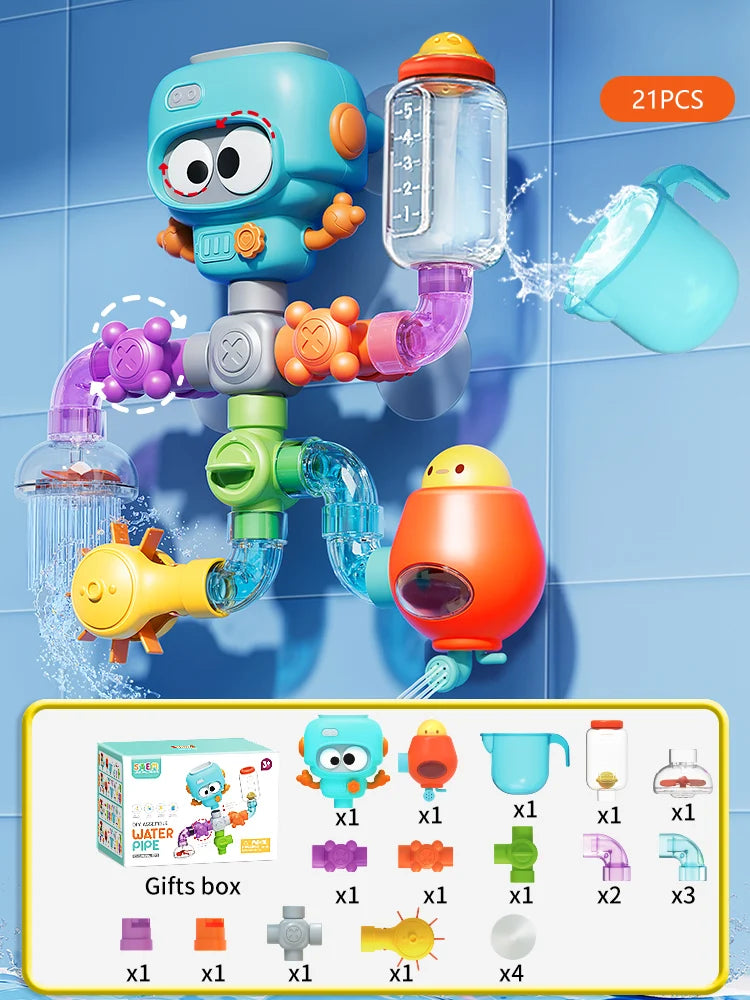
Bath pipe toys and DIY water play ideas — See them in action.
Easy DIY bath pipe setup (4 steps)
- Gather tub-safe suction cups, short child-safe tubing, and securely sealed connectors. Avoid pieces that present a choking hazard.
- Attach the suction cups to the tub wall and arrange the tubing to create a simple downhill water path.
- Pour small amounts of water through the pipes so your toddler can observe how the flow changes.
- Encourage your child to rearrange one section at a time while supervising the activity throughout.
Quick ways to make bath play more engaging
- Rotate different toy types each week to keep bath time interesting.
- Mix floating toys with cups and bath pipes to encourage open-ended play.
- Choose BPA-free, easy-to-clean materials whenever possible.
- Keep bath sessions enjoyable and finish before your toddler loses interest.
Which Bath Toy Fits Your Toddler?
Selecting the right bath toy depends on your child's developmental stage, interests, and motor skills. Matching toys to how toddlers naturally play helps maintain engagement while encouraging sensory exploration, coordination, and early problem-solving.
Use-case short list
- For beginners: Floating animals and simple boats encourage visual tracking and imaginative play.
- For curious builders: Bath pipe toys introduce cause-and-effect learning through water movement.
- For developing motor skills: Chunky stacking cups and easy-grip pourers improve coordination and hand strength.
- For independent play: Modular water toys with interchangeable pieces offer longer-lasting engagement.
Bath Toy Safety and Mold Prevention
Choose bath toys made from durable, child-safe materials that are easy to clean and designed to dry thoroughly between uses. Adult supervision remains essential during every bath, regardless of the toys being used.
Simple safety checklist
- Keep bath water at approximately 37–38°C (99–100°F) and verify the temperature before placing your child in the tub.
- Use a non-slip bath mat to improve stability during active play.
- Inspect toys regularly for cracks, loose parts, or signs of wear.
- Discard damaged toys immediately if they can no longer be cleaned safely.
- Store toys in a well-ventilated organizer so they can dry completely after each bath.
How to prevent mold
- Empty all water from squeezable toys immediately after use.
- Allow toys to air-dry completely before storing them.
- Choose sealed or non-mold bath toys whenever possible.
- Clean toys weekly with warm soapy water or a child-safe cleaning solution, then rinse thoroughly.
When to replace bath toys
- Visible mold or persistent discoloration inside the toy.
- Cracks, peeling surfaces, or damaged seals.
- Loose components that could become choking hazards.
- Materials that remain damp despite proper drying.
Comparison Table: Top Bath Toys at a Glance
| Toy Type | Recommended Age | Material | Educational Benefit | Cleaning Difficulty | Price Range |
|---|---|---|---|---|---|
| Floating sensory toys | 12+ months | Silicone or BPA-free plastic | Visual tracking and imaginative play | Easy | $ |
| Bath pipe toys | 18+ months | BPA-free plastic | STEM learning and cause-and-effect | Moderate | $$ |
| Pour cups & stacking toys | 12+ months | BPA-free plastic | Fine motor skills and coordination | Easy | $ |
| Soft squeeze water toys | 18+ months | Soft rubber or silicone | Hand strength and sensory play | Moderate | $ |
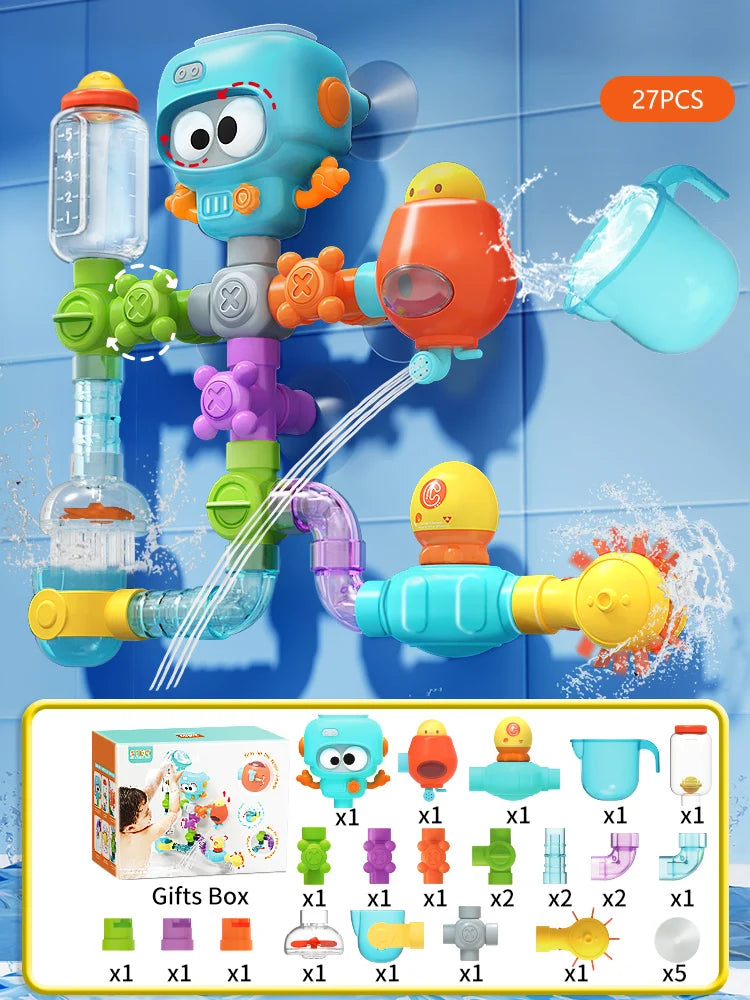
Bath pipe toys and DIY water play ideas — See them in action.
If you're looking for a modular water play set that encourages creativity and simple STEM learning, the Baby Bath Toys DIY Water Pipe provides an engaging option for toddlers who enjoy building, pouring, and experimenting with water flow. Its interchangeable pieces support open-ended play while helping develop fine motor skills and problem-solving abilities.
Frequently Asked Questions
What are the best bath toys for toddlers?
The best bath toys for toddlers combine safety, durability, educational value, and easy cleaning. Popular choices include floating toys, stacking cups, bath pipe toys, and other interactive water play sets that encourage creativity and motor skill development.
What are the safest bath toys for babies?
Choose BPA-free bath toys with smooth edges, durable construction, and no small detachable parts. Toys designed to dry completely or featuring sealed construction can also help reduce mold growth.
How do you prevent mold in bath toys?
Rinse toys after every bath, remove trapped water, allow them to dry completely, and clean them regularly. Choosing non-mold bath toys or sealed designs also minimizes moisture buildup.
Are bath pipe toys good for toddlers?
Yes. Bath pipe toys encourage STEM learning by helping toddlers explore gravity, water flow, sequencing, and cause-and-effect through hands-on experimentation while making bath time more engaging.
Which bath toys are best for a 2-year-old?
Many 2-year-olds enjoy bath pipe toys, stacking cups, floating boats, pouring toys, and simple educational water play sets that support independent exploration and imaginative play.
How often should bath toys be replaced?
Replace bath toys whenever they develop cracks, loose parts, persistent mold, or damage that prevents proper cleaning. Well-maintained toys should still be inspected regularly for signs of wear.
Are educational bath toys worth buying?
Educational bath toys can support early learning by encouraging problem-solving, fine motor development, creativity, and sensory exploration while making bath time more enjoyable.
Can I make DIY bath toys at home?
Yes. Simple DIY bath toys made with child-safe materials, such as suction-mounted pipe systems and stacking cup activities, offer inexpensive ways to create engaging water play under adult supervision.
Final Verdict
The best bath toys for toddlers combine fun, safety, durability, and developmental value. Floating toys are ideal for introducing water play, bath pipe toys encourage early STEM learning and problem-solving, and stacking cups or pouring toys help strengthen fine motor skills. Choosing BPA-free, easy-to-clean toys that match your child's age and interests helps create a bath routine that stays engaging over time.
If you're looking for an interactive option that supports creative water play, the Baby Bath Toys DIY Water Pipe offers modular building activities that encourage hands-on learning while remaining simple enough for everyday bath time. Pairing a few complementary toy types keeps children interested and supports a variety of developmental milestones.
Related resources: Explore more ideas in Baby Care Tips & Advice and practical tub gear in Baby Bath Accessories .
Pillar Article: Bath Toys for 1 Year Olds Compared: Safest, Funniest Picks
Other Related Articles:
- Bath Toys Infant Compare Guide: Gentle, Safe Picks for New Bathers
- Bath Toys Mold Free Test: The Best Hygienic Options Ranked
- Bath Toys Light Up Review: Safe Glow Options Kids Love
- Cool Bathtub Toys Review: Which Ones Keep Kids Playing Longest
Explore More:





