

What are the best mold free bath toys for safer, cleaner bath time?
Best mold free bath toys use designs that prevent trapped water, including solid construction, sealed interiors, fast-draining parts, and easy-clean materials. While no bath toy is completely immune to mold, the safest options are made from non-porous materials like silicone or feature open designs that dry fully after every use.
⏱ 12 min read
Bath Toys Mold Free Test: The Best Hygienic Options Ranked
Finding bath toys mold free options can be challenging because many colorful bathtub toys hide moisture inside hard-to-clean spaces. This guide compares hygienic bath toys, explains why some designs grow mold faster, and reviews the safest choices for babies and toddlers who love sensory water play.
Best mold free bath toys: quick comparison table
| Top pick | Age range | Material | Cleaning method | Best use |
|---|---|---|---|---|
| Solid silicone bath toys | 6+ months | Food-grade silicone | Dishwasher or hand wash | Best overall mold resistance |
| Sealed bath figures | 12+ months | Hard plastic | Rinse and air dry | Low-maintenance families |
| DIY water pipe toys | 18+ months | Plastic components | Separate pieces and dry | Interactive sensory play |
| Silicone cups and pourers | 6+ months | Soft silicone | Dishwasher-safe options | Budget-friendly bath activities |
How we selected the best mold-free bath toys
The best bath toys for kids without mold risks are not chosen only by appearance. We focused on designs that reduce hidden moisture and make regular cleaning realistic for busy parents.
Testing criteria
- Mold resistance: Does the toy prevent water from becoming trapped inside?
- Ease of cleaning: Can parents rinse, sanitize, or dry the toy quickly?
- Durability: Does the material handle repeated wet play without cracking or breaking?
- Child safety: Are edges smooth, materials appropriate, and designs suitable for the recommended age?
Safety and material standards
Hygienic bath toys should use durable, non-toxic materials designed for frequent contact with water. Parents should always check manufacturer recommendations, age ratings, and cleaning instructions before choosing toys for babies or toddlers.
The best mold free bath toys reviewed
Best overall: solid silicone bath toys
Solid silicone toys are among the best baby bath toys no mold options because they have no internal chambers where water can collect.
- ✅ Pros: Extremely low mold risk, soft texture, easy cleaning.
- ❌ Cons: Some designs offer less interactive water play.
- Recommended age: Babies and toddlers.
- Cleaning notes: Many silicone toys can be washed with warm water or placed in a dishwasher if approved.
Best for babies: one-piece mold free baby bath toys
For younger children, simple one-piece toys are often the safest choice. They avoid tiny openings and are easier to inspect after every bath.
- ✅ Easy for small hands to hold.
- ✅ Minimal maintenance.
- ❌ Fewer moving parts for advanced sensory play.
Best budget: silicone cups and pourers
Affordable silicone cups provide endless pouring games while remaining easier to clean than traditional hollow toys.
- ✅ Pros: Low cost, versatile, washable.
- ❌ Cons: Thin silicone may wear over time.
Best stacking toy: silicone stacking bath pieces
Stacking toys combine learning and bath play without relying on sealed cavities. They support coordination while staying simple to rinse.
Best sensory toy: bathtub pipe toys
Fast-draining bathtub pipe toys create exciting water-flow activities while allowing parents to inspect and dry individual pieces.
- ✅ Pros: Encourages STEM-style sensory play.
- ❌ Cons: Requires occasional disassembly and cleaning.
- Best for: Toddlers who enjoy hands-on water experiments.
Explore more play-focused options in Sensory Toys.
Best dishwasher-safe toy: washable silicone designs
Parents who prioritize convenience often choose dishwasher-safe silicone bath toys because they simplify weekly sanitizing routines.
Best premium option: durable sealed bath toys
Higher-quality sealed toys can provide classic bath-time fun without exposed holes. Look for trusted construction and clear cleaning instructions.
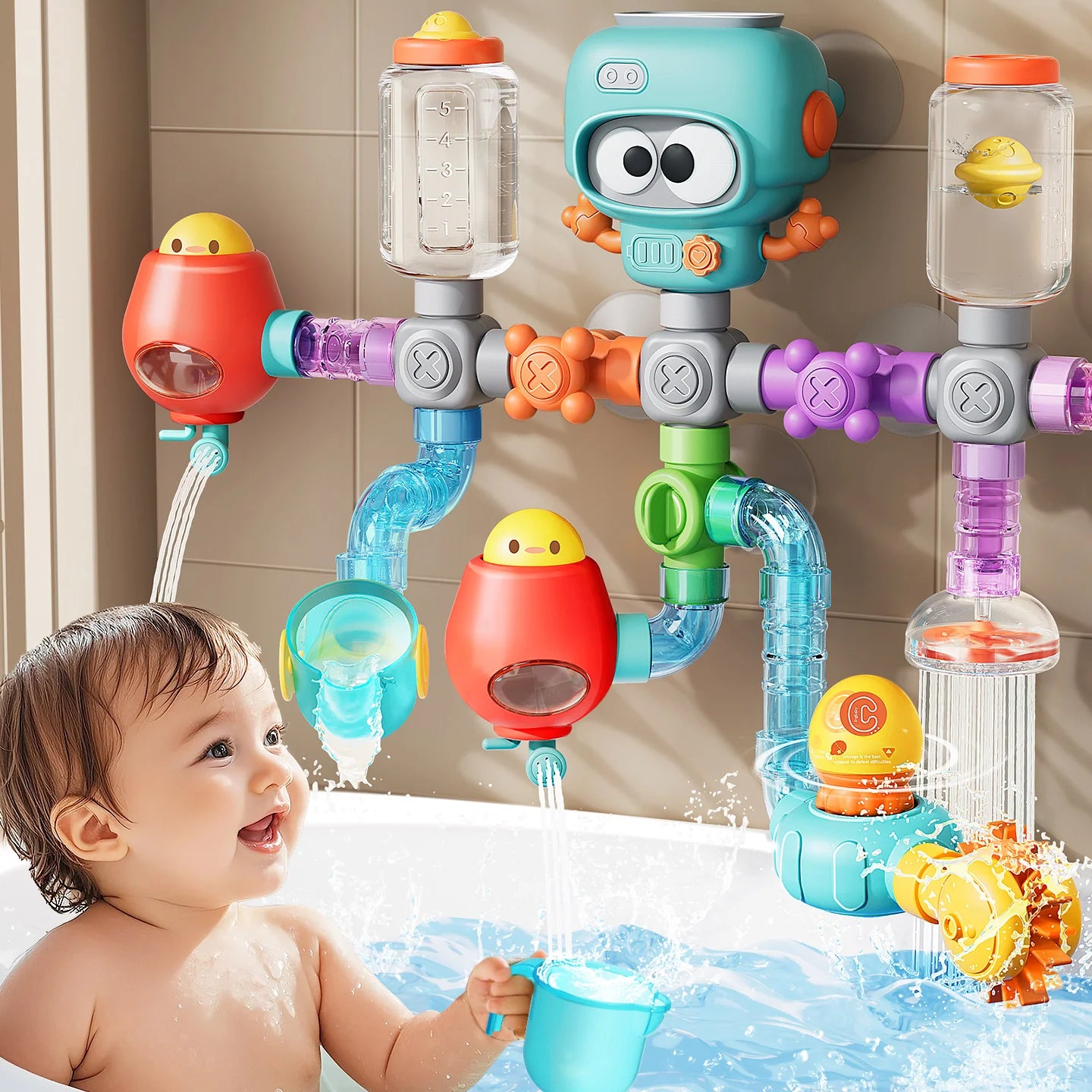
bath toys mold free + bathtub pipe toys + sensory tub activities — See it in action
Why some bath toys grow mold while others do not
The biggest difference between bath toys that don't mold and toys that become moldy is how they handle water. Warm bathrooms, leftover moisture, and soap residue create conditions where mold can develop if toys cannot dry properly.
Suction-hole toys
Traditional squeeze toys with small openings can trap water inside. Even when the outside looks clean, moisture may remain hidden after bath time.
Sealed designs
Sealed toys reduce the chance of internal moisture because water cannot easily enter. However, parents should still rinse and dry them regularly.
One-piece silicone toys
One-piece silicone designs are popular mold resistant bath toys because there are fewer seams, cracks, and enclosed spaces where buildup can occur.
Suction-hole vs no-hole bath toys
| Feature | Suction-hole toys | No-hole toys |
|---|---|---|
| Mold risk | Higher if water remains trapped | Lower with proper drying |
| Cleaning difficulty | Can require deeper cleaning | Usually easier to rinse |
| Durability | Depends on seals and material | Often lasts longer |
| Best choice | Occasional supervised play | Daily bath routines |
Best materials for mold-resistant bath toys
Silicone
Silicone is one of the most popular choices for mold free bath toys because it is flexible, non-porous, and simple to clean.
Natural rubber
Natural rubber can provide a soft texture, but parents should check whether the toy design allows complete drying.
Plastic considerations
Plastic bath toys can be hygienic when they use solid construction or effective drainage. Avoid designs with hidden spaces that cannot be cleaned.
How to keep bath toys mold free
Daily drying
- Rinse toys after every bath.
- Shake away excess water.
- Store toys where air can circulate.
Deep cleaning
- Wash removable pieces regularly.
- Follow manufacturer cleaning instructions.
- Use dishwasher cleaning only for approved toys.
When to replace toys
Replace toys when you notice cracks, discoloration, unusual smells, sticky surfaces, or damage that prevents proper cleaning.
For additional hygiene solutions, explore Baby Hygiene Gadgets and Sterilization Devices.
Buying guide: choosing the best mold-free bath toys
When shopping for the best bath toys no mold options, consider these factors:
- Age suitability: Choose toys designed for your child's development stage.
- Material: Prioritize silicone, durable plastics, and easy-clean surfaces.
- Safety certifications: Look for products that meet appropriate child safety standards.
- Ease of cleaning: The best toy is one you can realistically maintain.
Need more baby-safe options? Browse Baby Bath Accessories.
Featured sensory option: Baby bath toys DIY water pipe
For toddlers who enjoy interactive water play, a DIY water pipe toy creates a hands-on experience while offering a more open design than traditional squeeze toys.
- ✅ Encourages problem-solving and sensory exploration.
- ✅ Allows parents to see and dry individual components.
- ❌ Requires occasional cleaning between parts.
Try the featured option here: Baby bath toys DIY water pipe.
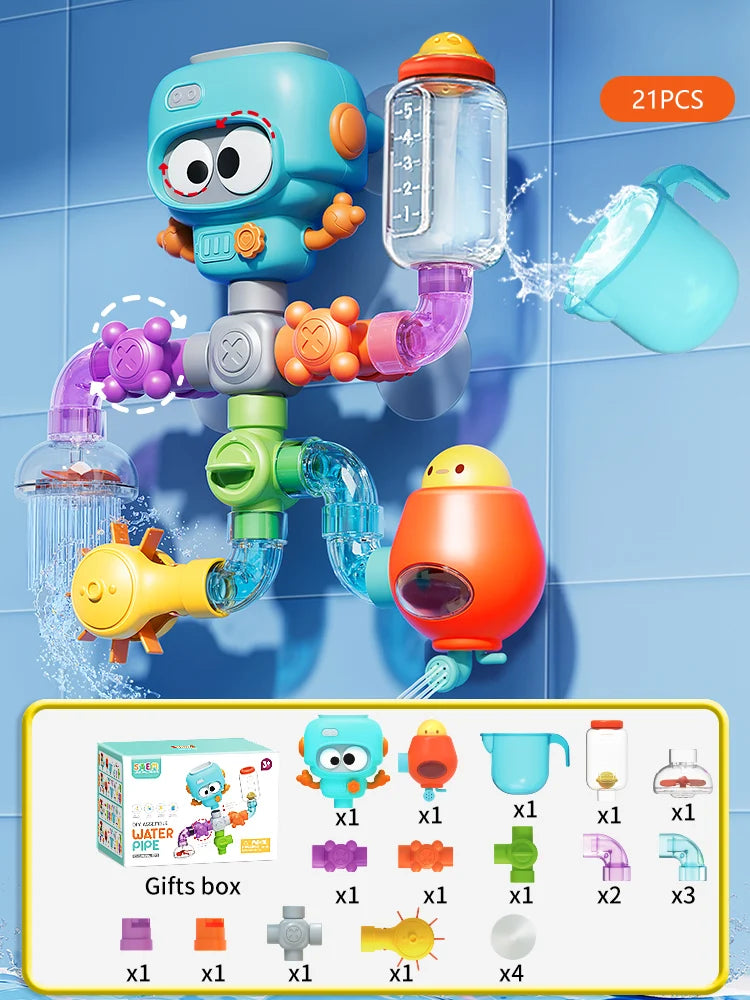
bathtub pipe toys + bath sensory toys + sensory tub activities — See it in action
Frequently asked questions
What are the best mold free bath toys?
The best mold free bath toys are usually solid silicone toys, sealed designs, and fast-draining toys that do not trap water internally.
Are no-hole bath toys really mold proof?
No toy is completely mold proof, but no-hole designs significantly reduce common moisture problems when cleaned and dried correctly.
How often should bath toys be cleaned?
Rinse toys after every bath and perform deeper cleaning weekly or according to manufacturer instructions.
Can silicone bath toys grow mold?
Silicone itself resists moisture buildup, but dirt, soap residue, and poor storage can still create hygiene issues.
Are dishwasher-safe bath toys better for preventing mold?
Dishwasher-safe toys can make regular sanitizing easier, but proper drying remains essential.
When should you replace bath toys?
Replace toys when they develop cracks, odors, discoloration, or areas that cannot be cleaned effectively.
What materials are safest for baby bath toys?
Non-porous silicone and durable child-safe plastics are commonly preferred because they are easier to clean and maintain.
How do you prevent mold inside bath toys?
Choose toys without hidden cavities, rinse after use, allow complete drying, and avoid storing wet toys in closed containers.
Pillar Article: Bath Toys for 1 Year Olds Compared: Safest, Funniest Picks
Other Related Articles:
- Bath Toys Infant Compare Guide: Gentle, Safe Picks for New Bathers
- Bath Toys Light Up Review: Safe Glow Options Kids Love
- Play in Bath Toy Roundup: Top Picks That Stop Toddler Boredom
- Cool Bathtub Toys Review: Which Ones Keep Kids Playing Longest
Explore More:





