

Ergonomic pillow for neck pain: How to position it correctly for better neck alignment
⏱ 7 min read
An ergonomic pillow for neck pain works best when it supports the natural cervical curve instead of forcing the head into an unnatural angle. Correct positioning, suitable pillow height, and proper sleeping posture are the most important factors when learning how to use an ergonomic pillow for neck pain effectively. This guide explains how to place a cervical pillow correctly, who may benefit from it, and when persistent discomfort requires professional advice.
How to position an ergonomic pillow correctly
Learning how to sleep with a cervical pillow correctly starts with maintaining a neutral spine position. The pillow should fill the gap between your neck and mattress while allowing your head to stay aligned with your shoulders. The goal is not to lift the head higher, but to support the cervical curve and reduce unnecessary pressure.
Proper ergonomic pillow positioning for sleep depends on your usual sleeping position, shoulder width, mattress firmness, and the pillow’s contour design.
Back sleeper setup
Back sleepers typically benefit from placing the curved edge of a cervical pillow under the neck rather than directly under the back of the head. The lower contour should support the natural neck curve while the head rests comfortably in the center area.
- Keep your chin level instead of pushed toward your chest.
- Make sure your ears remain aligned with your shoulders.
- Avoid pillows that tilt the head too far forward.
Side sleeper setup
Side sleepers usually need enough height to keep the neck straight between the shoulder and head. A properly positioned ergonomic pillow helps prevent the head from dropping downward or tilting upward during sleep.
- Choose a height that matches your shoulder width.
- Keep your nose aligned with the center of your chest.
- Use the pillow’s supportive area instead of compressing the edges.
Stomach sleeping: why to avoid it
Stomach sleeping often creates more neck rotation because the head must turn to one side to breathe. This position can increase strain and make it harder for an ergonomic pillow to maintain proper alignment.
If changing positions is difficult, gradually transition toward back or side sleeping while focusing on keeping the neck relaxed and supported.
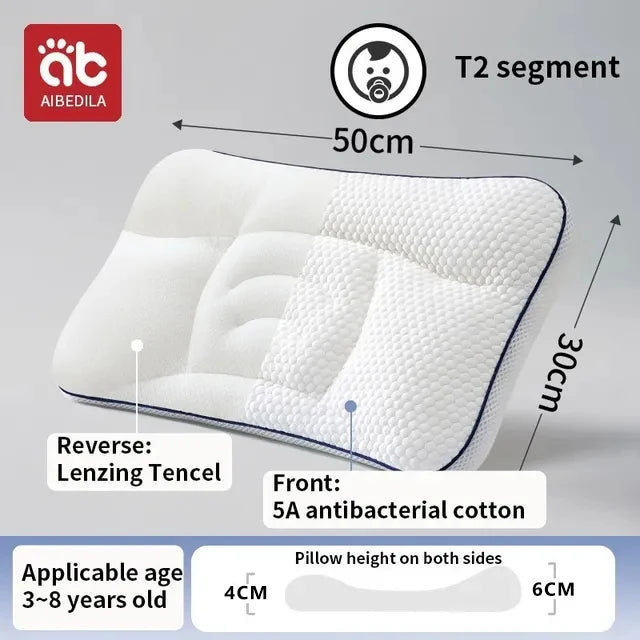
ergonomic pillow for neck pain + ergonomic sleep pillow — See it in action
Choose the correct pillow height for neck alignment
The proper pillow height for neck alignment depends on your body shape, sleeping position, and mattress support. A pillow that is too high can push the neck forward, while one that is too low may leave the cervical area unsupported.
Signs your pillow is too high
- Your chin feels pushed toward your chest while lying down.
- You wake with stiffness at the front or sides of your neck.
- Your shoulders feel compressed or tense after sleeping.
Signs your pillow is too low
- Your head tilts downward when sleeping on your side.
- You feel a gap between your neck and pillow surface.
- You wake with pressure or discomfort around the neck and upper shoulders.
For better alignment, test the pillow on your usual mattress. A softer mattress may require a different pillow height than a firmer surface because your shoulders sink differently.
Step-by-step: Positioning the pillow safely
Before using an ergonomic pillow for neck pain, make small adjustments and allow your body time to adapt. Correct cervical positioning should feel supportive, not forced.
- Place the pillow under the neck curve. The contoured area should support the cervical region while allowing the head to rest naturally.
- Align the head with the spine. Check that your head is not tilted forward, backward, or sideways.
- Adjust based on comfort. Small changes in pillow position can improve support without replacing the pillow.
- Monitor your body's response. Notice morning stiffness, pressure points, or improved comfort over several nights.
Quick tip: When lying down, imagine a straight line running from your ears through your shoulders and hips. This helps check whether your neck remains neutral.
Does newborn fussing while sleeping come from neck or breathable-material issues?
Answer: In most cases, newborn fussing while sleeping is a normal part of early development rather than a sign of a neck problem or bedding material alone. Babies commonly fuss, grunt, stretch, or briefly cry during active sleep as they transition between sleep cycles. However, overheating, restrictive clothing, hunger, gas, an uncomfortable sleep environment, or illness can also contribute to restless sleep. Focus first on safe sleep practices, a comfortable room temperature, appropriate clothing, and meeting your baby's feeding and soothing needs before considering other factors.
⏱ 8 min read
Newborn fussing while sleeping: How to use supports for calmer nights
If your newborn fussing while sleeping has you wondering whether something is wrong, you're not alone. Many babies make noises, squirm, or briefly fuss while still asleep because their nervous system and sleep cycles are still developing. This guide explains what is normal, the most common reasons babies become restless at night, and practical ways to create a safe, comfortable sleep environment while knowing when persistent fussiness deserves medical attention.
Start with simple changes that support comfort, healthy sleep habits, and safer nighttime routines.
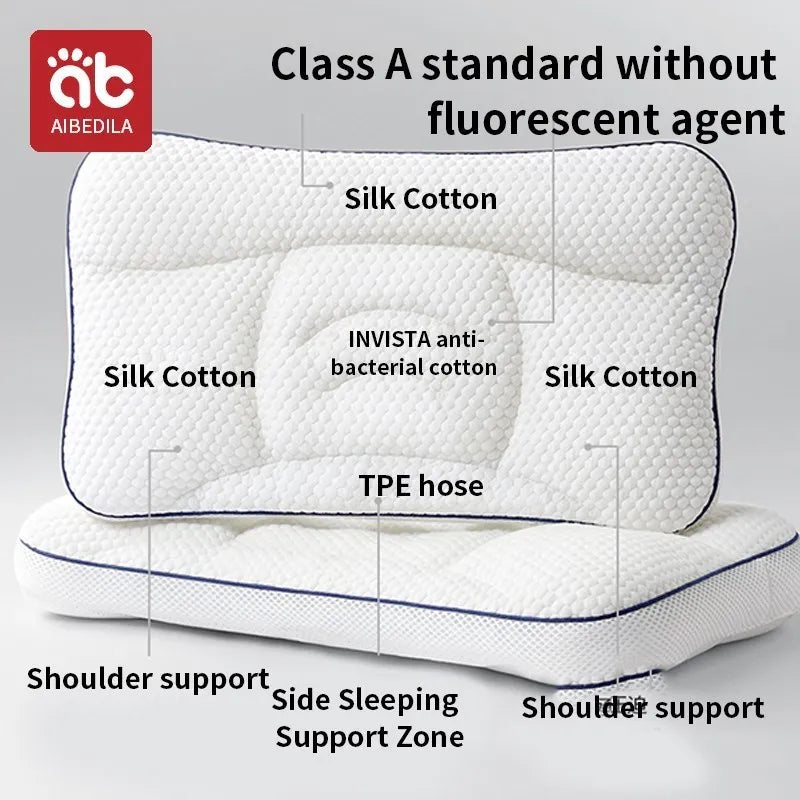
newborn fussing while sleeping • common sleep behaviors • See it in action
Quick solution: How to stop newborn fussing while sleeping tonight
Direct answer: Before picking your baby up, pause for a moment to see whether they are actually awake. Many newborns fuss briefly during active sleep and settle on their own. If fussing continues, check for hunger, a wet diaper, gas, an appropriate room temperature, and comfortable sleep clothing. A calm bedtime routine, consistent sleep environment, and following safe sleep recommendations often reduce unnecessary nighttime wake-ups.
What causes newborn fussing while sleeping?
Parents often assume every noise means their baby needs immediate attention, but newborn sleep is naturally active. While brief fussing is common, persistent restlessness may have one or more underlying causes.
- Active sleep: Newborns spend much of their sleep in a lighter stage where they twitch, grunt, stretch, or briefly cry without fully waking.
- Hunger: Small stomachs require frequent feeds, making hunger one of the leading reasons babies wake.
- Gas or digestive discomfort: Swallowed air after feeding can make babies squirm or fuss until they burp or pass gas.
- Temperature: Overheating or becoming too cool may lead to frequent movement and shorter sleep periods.
- Sleep transitions: Babies naturally move between sleep cycles every 40–60 minutes and may briefly vocalize before settling again.
- Illness or congestion: Nasal congestion, fever, or signs of illness should always be evaluated alongside changes in sleep behavior.
Rather than assuming a single cause, observe your baby's feeding pattern, diaper changes, room temperature, and overall behavior during the day. Looking at the full picture often makes it easier to identify why nighttime fussiness is happening.
Which baby gear suits your newborn best? Read on!
How ergonomic pillow design supports neck alignment
The structure of an ergonomic pillow for neck pain determines how effectively it supports the cervical spine during rest. A well-designed cervical pillow uses shape, material, and support zones to maintain a more natural neck position while reducing pressure on sensitive areas.
Cervical contour
A cervical contour creates a dedicated support area for the neck curve. Instead of allowing the head to sink into a flat surface, the contour helps maintain a neutral alignment between the head, neck, and upper spine.
- Supports the natural curve of the cervical area.
- Helps prevent the head from tilting too far forward or backward.
- Provides targeted support for different sleeping positions.
Memory foam support
Memory foam is commonly used in ergonomic designs because it can distribute pressure more evenly while adapting to individual body shapes. The right firmness level should support alignment without creating excessive resistance.
- Contours around pressure points for improved comfort.
- Helps maintain consistent support throughout the night.
- Reduces the feeling of uneven pressure around the neck and shoulders.
Support zones
Many ergonomic pillows include different support areas to balance comfort and stability. Raised sections may support the neck, while lower areas cradle the head to encourage a neutral sleeping posture.
When comparing cervical pillow benefits and usage, focus on whether the design matches your sleeping style, body shape, and comfort needs rather than choosing based only on appearance.
Cleaning, care, and replacement tips
Proper maintenance helps preserve an ergonomic pillow’s shape, hygiene, and long-term support. Regular care is especially important for pillows used every night because sweat, oils, and dust can build up over time.
- Wash the cover regularly: Remove and clean washable covers according to the manufacturer’s instructions to maintain freshness.
- Protect the inner foam: Avoid soaking memory foam or placing it in a washing machine unless specifically designed for it.
- Allow ventilation: Air the pillow in a dry space occasionally to reduce trapped moisture and odors.
- Monitor support quality: Replace the pillow when the contour becomes flattened, damaged, or no longer supports proper alignment.
A pillow that has lost its original shape may contribute to poor sleeping posture instead of helping reduce neck discomfort. Regularly checking firmness, height, and overall condition ensures continued support.
Frequently asked questions
How long does it take for an ergonomic pillow to relieve neck pain?
The adjustment period varies from person to person. Some users notice improved comfort within several nights, while others may need one to three weeks for their neck and shoulders to adapt to the new support position. Consistent positioning and the correct pillow height are important factors.
Can side sleepers use a cervical pillow?
Yes. Side sleepers can use a cervical pillow when the height properly fills the space between the shoulder and head. The goal is to keep the neck straight rather than angled upward or downward during sleep.
How do I know my pillow height is correct?
Your pillow height is likely suitable when your head remains aligned with your spine and your neck feels supported without pressure. A pillow that pushes your chin toward your chest may be too high, while one that leaves your neck unsupported may be too low.
Can an ergonomic pillow make neck pain worse at first?
A short adjustment period with mild stiffness can happen when changing sleep support. However, increasing pain, numbness, or ongoing discomfort may indicate that the pillow height, firmness, or design is not suitable.
Are ergonomic pillows safe for infants?
Infant pillow safety depends on age, product guidance, and how the pillow is used. Young infants should not have pillows placed in an unsupervised sleep environment. Caregivers should follow safe sleep recommendations and consult a pediatrician for concerns about neck positioning or head preference.
Frequently asked questions
How do you position an ergonomic pillow for neck pain?
Position an ergonomic pillow so your neck stays in a neutral alignment rather than bending forward or tilting upward. The cervical curve should rest naturally on the contoured area while your head remains centered. Check that your shoulders are supported by the mattress and that the pillow fills the gap between your neck and the sleeping surface without pushing your head forward.
What is the best sleeping position with a cervical pillow?
The best sleeping position with a cervical pillow is usually back sleeping because it allows the pillow’s contour to support the natural cervical curve and keep the spine aligned. Side sleepers can also benefit when the pillow height matches shoulder width, helping keep the head level with the rest of the spine. Stomach sleeping is generally not recommended because it often forces the neck to rotate for long periods.
How high should an ergonomic pillow be for proper neck alignment?
The proper pillow height for neck alignment depends on your sleeping position, shoulder width, mattress firmness, and personal anatomy. A pillow that is too high may push the chin toward the chest, while one that is too low can allow the head to drop backward. When lying down, your ears should generally stay aligned with your shoulders and hips rather than leaning toward the mattress or ceiling.
Can an ergonomic pillow make neck pain worse before it gets better?
Yes, some people experience temporary soreness when switching to a cervical pillow because the neck muscles are adapting to a different support position. Mild adjustment discomfort can improve as your body adapts, but increasing pain, numbness, tingling, headaches, or worsening symptoms are signs to stop using the pillow and reassess the fit or seek professional advice.
How long does it take to adjust to a cervical pillow?
Adjustment time varies, but many users need several nights to a few weeks to become comfortable with a new ergonomic pillow. Start by using it consistently, monitor your sleeping posture, and make small height or position adjustments instead of changing the setup every night.
Are ergonomic or cervical pillows safe for infants?
Ergonomic or cervical pillows require extra caution for infants. Safe pillow use for infants depends on age, product instructions, and guidance from healthcare professionals. Young babies should not have loose pillows placed in an unsupervised sleep environment. Always follow safe sleep recommendations and consult a pediatrician for concerns involving head position, neck movement, or development.
Pillar Article: Not Found
Other Related Articles:
- Infant with misshapen head: How to use positioning aids effectively
- Pillow orthopedic neck support: Step-by-step setup for safer infant sleep
- Newborn fussing while sleeping: How to use supports for calmer nights
- Infant sleeper pillow review: Which breathable designs rank best?
Explore More:





