

Can you fix a baby flat head?
Answer: Yes — many cases of a baby flat head can improve with early, consistent repositioning, supervised tummy time, and reducing pressure on the flattened area. A common cause is positional plagiocephaly , also known as infant flat head syndrome, where repeated pressure on one part of a baby’s soft skull affects head shape. Most mild to moderate cases respond well to daily positioning habits, although some babies may need evaluation from a pediatrician or specialist.
⏱ 8 min read
Infant with misshapen head: How to improve baby head shape safely
If you notice your baby has a flatter area on one side of the head, an uneven back of the skull, or a small indentation, it can feel concerning — but many newborn head shape changes are common and improve with the right support. This guide explains how to help an infant with misshapen head using safe repositioning habits, supervised tummy time, and practical daily routines while understanding when professional advice may be needed.
infant with misshapen head, infant uneven head shape — See it in action.
What causes a baby's flat or uneven head shape?
A newborn’s skull is naturally soft and flexible during the first months of life. This flexibility allows the brain to grow quickly, but it also means repeated pressure in the same area can affect head shape. When flattening happens because of outside pressure, it is often called positional plagiocephaly or infant flat head syndrome .
Normal newborn head shape vs positional plagiocephaly
Many babies are born with slightly uneven head shapes because of the position they were in during pregnancy or pressure during delivery. These changes often become less noticeable as the skull grows and the baby moves more.
A baby uneven head shape caused by positional pressure may appear as:
- A flat area on the back or side of the head.
- One side of the forehead appearing slightly more prominent.
- The ears appearing slightly uneven from above.
- A baby consistently turning the head toward one preferred side.
When a flat head may be something more serious
Most cases of positional plagiocephaly are related to pressure and positioning. However, some uncommon conditions, such as craniosynostosis , happen when skull bones join too early and may require medical evaluation.
Contact your pediatrician if your baby's head shape changes quickly, the skull ridge feels unusual, the forehead or facial features appear significantly uneven, or your baby has difficulty turning the head in both directions.
Can positioning help an infant with misshapen head?
Yes. For many babies, gentle repositioning combined with supervised tummy time can reduce pressure on flattened areas and encourage more balanced growth. The goal is not to force the head into a specific position, but to create more opportunities for natural movement and reduce time spent resting on the same spot.
Helpful habits include alternating the direction your baby faces during awake activities, changing feeding positions, carrying your baby in different positions, and encouraging head movement toward both sides. If your baby shows signs of neck tightness or always looks one direction, ask your pediatrician about possible torticollis and appropriate exercises.
How to tell how severe your baby's flat head is
Understanding the severity of an infant misshapen head can help you decide whether home positioning strategies are appropriate or whether a professional evaluation may be useful.
- Mild: A small flat area with minimal visible asymmetry. Daily repositioning and tummy time may help improve appearance as the baby grows.
- Moderate: More noticeable flattening, forehead or ear alignment changes, or a strong preference for one head position. A pediatric evaluation can help guide treatment.
- Severe: Significant asymmetry, rapid changes, restricted neck movement, or concerns about skull growth may require specialist assessment.
Parents can monitor changes by taking weekly photos from the same angle in natural lighting. Note whether the flat area appears smaller, whether your baby turns more easily in both directions, and whether head movement is improving.
If you notice a persistent baby head indentation , increasing asymmetry, or no improvement despite consistent positioning efforts, discuss your observations with your pediatrician.
Baby flat head how to fix: daily repositioning plan
The safest approach to improving a baby's head shape focuses on reducing prolonged pressure while supporting healthy movement. These steps should always follow safe sleep recommendations: babies should sleep on their backs on a firm, flat sleep surface without pillows, loose bedding, or positioning devices unless specifically recommended by a healthcare professional.
- Encourage your baby to look toward the less-used side during awake play by placing toys, sounds, or your face in that direction.
- Alternate feeding arms and carrying positions to avoid repeated pressure on one area.
- Provide frequent supervised tummy time while your baby is awake.
- Reduce unnecessary time in swings, bouncers, and car seats when they are not needed for travel.
Tummy time schedule by age
Tummy time is one of the most important daily activities for reducing pressure on the back of the skull while helping babies strengthen the neck, shoulder, and upper body muscles needed for natural head movement. For babies with infant flat head syndrome or positional plagiocephaly baby concerns, frequent supervised tummy time can support healthier head shape development when combined with safe repositioning.
The goal is not one long session, but many short opportunities throughout the day. Increase gradually based on your baby’s comfort and development.
| Baby age | Suggested tummy time routine | Helpful activities |
|---|---|---|
| Newborn to 1 month | Start with 1–3 minutes several times daily and slowly increase as tolerated. | Chest-to-chest tummy time, placing baby on your lap, gentle talking and eye contact. |
| 1–3 months | Build toward multiple sessions totaling around 20–30 minutes daily. | Use toys, mirrors, and sounds to encourage turning the head in both directions. |
| 3–6 months | Continue regular tummy time as your baby becomes stronger and more active. | Practice reaching, rolling, and supported play on the floor. |
| 6+ months | Encourage active floor play and movement throughout the day. | Crawling practice, toys placed at different angles, and supervised exploration. |
If your baby dislikes tummy time, begin with shorter sessions and repeat them more often. Try placing a rolled towel under the chest for gentle support, using a favorite toy for motivation, or joining your baby at eye level.
Consistent tummy time helps reduce time spent with pressure on one area of the skull, improves neck strength, and may help babies who prefer looking in only one direction develop more balanced movement.

infant head indentation, newborn sleeping neck position — See it in action.
When helmet therapy or physical therapy may help
Most babies with mild positional plagiocephaly improve with repositioning, tummy time, and addressing movement preferences. However, some infants with more noticeable flattening may benefit from additional support from healthcare professionals.
Helmet therapy eligibility
Helmet therapy uses a custom-fitted cranial helmet to gently guide skull growth in babies with moderate to severe head shape differences. A pediatrician or craniofacial specialist usually considers factors such as:
- The severity of flattening and facial or ear asymmetry.
- The baby’s age and remaining skull growth.
- Whether repositioning strategies have improved the head shape.
- Whether the condition affects overall symmetry significantly.
Helmet therapy is typically more effective during periods of rapid skull growth, so early evaluation can help parents understand available options if repositioning alone does not provide enough improvement.
Torticollis and physical therapy
Some babies develop a preferred head position because of tight neck muscles, a condition called torticollis . This can contribute to a baby uneven head shape because the baby spends more time resting on one side.
A pediatric physical therapist can evaluate neck movement and teach gentle exercises to improve range of motion. Parents should not force a baby’s head into a position that causes discomfort. Professional guidance can help create a safe plan based on the baby’s needs.
How long does it take for a baby's head shape to improve?
The timeline for improving a baby’s head shape depends on the severity of flattening, the baby’s age, growth rate, and how consistently repositioning strategies are used.
- Within 4–8 weeks: Many parents begin noticing small improvements when daily positioning changes and tummy time are consistent.
- Over several months: Continued skull growth and increased movement can gradually improve mild to moderate asymmetry.
- After mobility increases: Many babies naturally spend less time resting on the back of the head once they begin rolling, sitting, and crawling.
Progress may be slower if a baby strongly prefers one side, has limited neck movement, or has a more significant baby head indentation . Taking regular photos from the same angle can help track gradual changes that are difficult to notice day to day.
If there is little improvement after several weeks of consistent repositioning, or if the head shape continues becoming more uneven, schedule a discussion with your pediatrician.
How to prevent flat head in infants
Preventing flat head changes focuses on creating variety in your baby’s daily positions while maintaining safe sleep habits. Babies should always sleep on their backs on a firm, flat surface, but awake time can include many different movement opportunities.
- Provide supervised tummy time daily: Encourage floor play to strengthen muscles and reduce constant pressure on the back of the head.
- Alternate positions during awake activities: Change carrying sides, feeding positions, and play locations to encourage balanced movement.
- Reduce prolonged container time: Limit unnecessary periods in swings, bouncers, and car seats when your baby is not traveling.
- Encourage both directions of head movement: Place toys, voices, and visual interest on different sides during supervised play.
- Monitor neck flexibility: Ask your pediatrician about evaluation if your baby consistently looks only one direction.
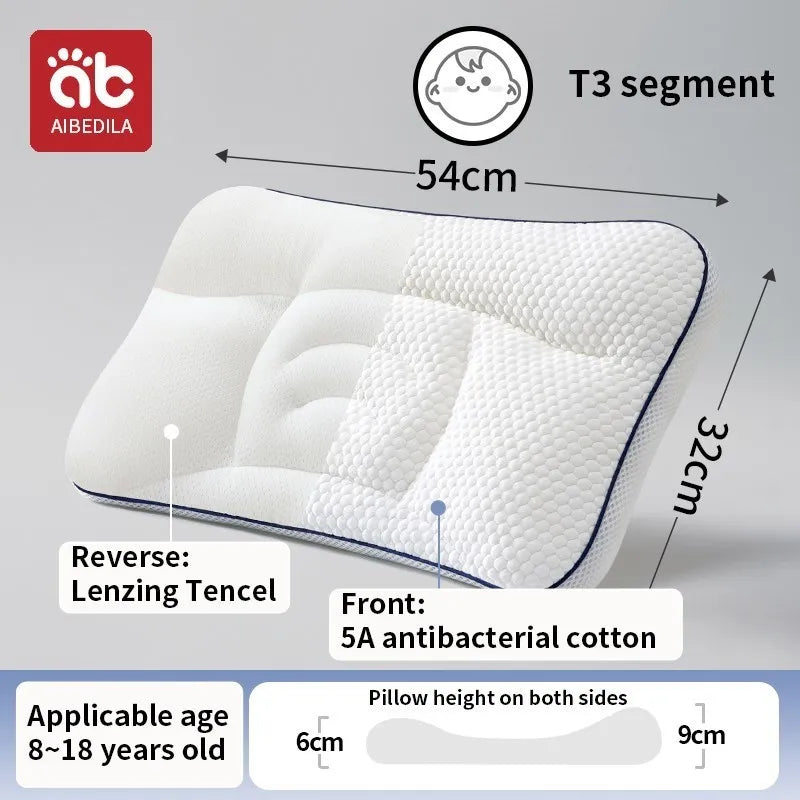
Products designed for supervised awake support, such as the /products/baby-neck-pillow-orthopedic-support , should always be used according to safety instructions and should never replace safe sleep practices.
Frequently asked questions
-
Can a baby flat head fix itself?
Yes, many mild cases of positional plagiocephaly improve naturally as babies grow, move more, and spend less time resting on one area of the skull. Consistent tummy time, varied awake positions, and reducing prolonged pressure can support this process. If flattening is moderate, severe, or not improving, discuss your baby's head shape with a pediatrician.
-
When is it too late to fix a baby's flat head?
There is no single age when improvement becomes impossible, but earlier support is usually easier because a baby's skull grows rapidly during the first year. The best approach depends on your baby's age, severity of flattening, and overall development. A healthcare provider can help determine whether repositioning, physical therapy, or other options may be useful.
-
How much tummy time helps a flat head?
Short, frequent tummy time sessions throughout the day are often more effective than one long session. Newborns may begin with only a few minutes at a time, gradually increasing as they become stronger and more comfortable. The goal is regular supervised practice that builds neck strength and reduces time spent with pressure on the back of the head.
-
Does sleeping on the back cause permanent flat head?
No. Back sleeping is the recommended safe sleep position for infants and should continue. Flat head changes are usually related to repeated pressure in one area combined with limited movement, not because back sleeping itself is harmful. Parents can support healthy head shape by providing supervised tummy time and varied positions while the baby is awake.
-
How can I safely reposition my baby's head during sleep?
Do not use pillows, wedges, or loose positioning products inside the crib unless specifically recommended by a healthcare professional. Instead, encourage natural head movement by changing the direction your baby faces when placed in the crib, adjusting the room setup, and offering interesting sights from different sides during awake periods.
-
Will my baby need a helmet?
Not every baby with an uneven head shape needs helmet therapy. Many mild to moderate cases improve with repositioning, tummy time, and addressing movement limitations. Helmet therapy is generally considered for more significant asymmetry or cases that do not improve enough with other approaches. A pediatrician or craniofacial specialist can evaluate whether it is appropriate.
-
Can torticollis make a baby's head uneven?
Yes. Torticollis, which involves tightness or limited movement in the neck muscles, can cause a baby to consistently turn the head in one direction. This preference may increase pressure on one area of the skull. Early evaluation and physical therapy exercises can help improve neck mobility and support more balanced movement.
-
How do I know if my baby has plagiocephaly or craniosynostosis?
Positional plagiocephaly is usually caused by external pressure and often changes with growth and repositioning. Craniosynostosis is a less common condition where skull bones fuse too early and may require medical treatment. If your baby has an unusual skull ridge, rapidly changing head shape, significant facial asymmetry, or concerns about development, contact your pediatrician for evaluation.
When to contact your pediatrician
Many infant misshapen head concerns can be managed with early positioning strategies, but professional guidance is important when changes are significant or progress is unclear.
Contact your pediatrician if you notice:
- A flat area that appears to be getting worse despite consistent repositioning.
- Your baby always turns the head to one side or seems unable to move the neck comfortably.
- A noticeable skull ridge, unusual head shape pattern, or rapid change in appearance.
- Concerns about feeding, movement, development, or reaching milestones.
- No visible improvement after several weeks of consistent tummy time and positioning changes.
Your pediatrician may recommend monitoring, physical therapy, or referral to a specialist depending on your baby's head shape, age, and symptoms. Early evaluation can provide reassurance and help identify the most appropriate next steps.
Final notes — safe habits that make a big difference
Improving an infant with misshapen head usually comes down to consistent daily habits rather than one single solution. Continue encouraging supervised tummy time, offering a variety of awake positions, reducing unnecessary pressure on one area of the skull, and monitoring your baby’s movement preferences.
Remember that safe sleep practices always come first. Babies should continue sleeping on their backs on a firm, flat surface without pillows, loose bedding, or unapproved positioning products. Head shape support should focus on supervised awake activities, movement, and healthy development.
Small changes can make a meaningful difference over time. Alternate carrying positions, encourage your baby to look in both directions, provide regular floor play, and discuss any concerns about head shape, neck movement, or development with your pediatrician.

infant uneven head shape, infant head indentation — See it in action.
Related resources: Baby Care Essentials · Sleep & Comfort · Massage & Relaxation
Pillar Article: Not Found
Other Related Articles:
- Pillow orthopedic neck support: Step-by-step setup for safer infant sleep
- Ergonomic pillow for neck pain: How to position it for infant comfort
- Newborn fussing while sleeping: How to use supports for calmer nights
- Infant sleeper pillow review: Which breathable designs rank best?
Explore More:





