

Best Baby Sleeping Pillow Reviews (2026): Top Breathable Picks Compared
⏱ 8 min read
Quick comparison table
Choosing the best baby sleeping pillow depends on age suitability, breathability, support, cleaning needs, and intended use. The options below highlight the main differences parents consider when comparing breathable infant pillow designs.
| Type | Best for | Key strengths | Age suitability |
|---|---|---|---|
| Orthopedic contour pillow | Gentle neck support | Ergonomic cradle, pressure distribution, breathable materials | Follow manufacturer guidance |
| Mesh airflow pillow | Warm climates | Improved ventilation and moisture control | Depends on design |
| Organic cotton pillow | Sensitive skin preferences | Natural materials and soft feel | Older babies and toddlers |
| Travel baby pillow | On-the-go comfort | Compact size and portability | Age-dependent |
Our top recommendations by use case
- Best overall: A breathable orthopedic contour pillow with a washable cover and gentle neck support.
- Best for warm weather: A mesh-style breathable baby pillow designed for airflow.
- Best for older babies and toddlers: A low-profile pillow with balanced firmness and easy cleaning.
- Best travel option: A lightweight pillow that maintains shape while being easy to pack.
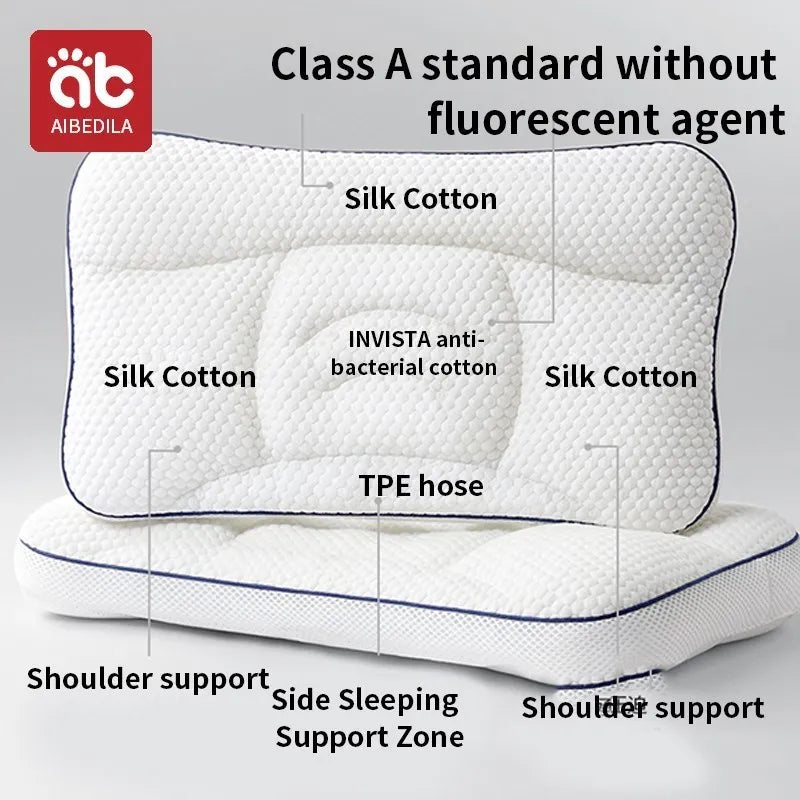
infant sleeper pillow, soft breathable material — See it in action
How We Tested and Rated These Baby Sleeping Pillows
Our baby sleeping pillow reviews focus on practical features parents use every day. A breathable infant pillow should balance comfort, support, hygiene, and appropriate design without adding unnecessary bulk.
Testing criteria
- Breathability: We evaluated airflow features such as mesh covers, perforated designs, and moisture management.
- Support and comfort: We considered contour shape, firmness, pressure distribution, and overall comfort.
- Ease of cleaning: Removable covers and washable materials received higher marks for daily convenience.
- Safety and value: We reviewed usage instructions, material quality, durability, and price-to-feature balance.
Scoring system
Each design was assessed across four categories: airflow (30%), support and comfort (30%), cleaning convenience (20%), and overall value (20%). This approach helps identify breathable baby pillows that offer practical benefits instead of relying only on appearance.
Are Infant Sleeper Pillows Safe? Pediatric Sleep Guidance
Many parents search for are infant sleeper pillows safe because newborn sleep products can be confusing. The safest choice depends on the baby's age, development stage, and how the product is used.
When pillows are appropriate
For newborns, pediatric sleep guidance generally recommends a firm, flat sleep surface without loose bedding or pillows during unsupervised sleep. Infant pillows should only be used according to manufacturer instructions and during appropriate supervised situations.
Who should avoid them
- Newborns sleeping without supervision should not use pillows or soft sleep accessories.
- Babies who can move into unsafe positions should not use products that restrict natural movement.
- Parents should consult a pediatric professional if they are concerned about head shape, neck positioning, or development.
A breathable infant sleeper pillow may help reduce pressure points during supervised use, but it should not be viewed as a guaranteed solution for preventing flat head syndrome. Regular tummy time, varied head positioning during awake periods, and medical guidance remain important.
What Is the Best Breathable Baby Pillow? Buying Guide
The best breathable baby pillow combines airflow, gentle support, washable materials, and an age-appropriate design. Before buying, consider how each material and construction style affects comfort.
Materials compared
| Material | Advantages | Considerations |
|---|---|---|
| Memory foam | Contouring support and pressure distribution | May retain heat without ventilation features |
| Cotton | Soft, familiar, and comfortable against skin | Requires quality construction for airflow |
| Mesh fabrics | Excellent ventilation and moisture control | Needs durable stitching and safe structure |
Firmness and loft
A breathable pillow for baby should avoid excessive height. A low-loft design with gentle cushioning is generally more suitable than a thick pillow that raises the head too much.
Certifications and materials
Parents shopping for a breathable infant pillow should look for clear material information, responsible manufacturing claims, and products free from unnecessary chemical odors. Hypoallergenic covers can also benefit babies with sensitive skin.
Washable covers
Frequent washing is essential for baby products. Removable covers that can be machine washed help maintain freshness, airflow, and hygiene.
Best Baby Sleeping Pillow Reviews: Detailed Product Reviews
Best overall: KentDO Baby Neck Pillow Orthopedic Support
The KentDO Baby Neck Pillow Orthopedic Support stands out for parents looking for a combination of breathable construction and gentle ergonomic support. Its contour design helps distribute pressure while supporting a natural resting position.
- Pros: Breathable material, ergonomic shape, easy everyday use.
- Cons: Requires following age and supervised-use recommendations.
Best for toddlers
Toddlers often need a different balance of softness and support compared with newborn products. Look for low-profile designs with washable covers and enough structure to maintain shape.
Best organic option
Organic cotton pillows appeal to parents who prioritize natural fibers and soft textures. The best options combine certified materials with practical cleaning features.
Best travel pillow
A travel infant sleep pillow should be lightweight, easy to store, and designed for supervised comfort during trips.
Best value
A good-value baby sleeping pillow does not need premium pricing. Prioritize airflow, washable covers, and safe construction over extra features that do not improve comfort.
Comparison Table: Specifications at a Glance
| Product type | Material | Washability | Best use case |
|---|---|---|---|
| Orthopedic support pillow | Breathable structured materials | Removable cover preferred | Gentle neck support |
| Mesh baby pillow | Airflow fabric | Easy cleaning | Hot climates |
Which Baby Sleeping Pillow Is Best for Your Needs?
For toddlers
Choose a slightly more supportive pillow with durable filling, washable fabric, and a comfortable height appropriate for toddler development.
For travel
Compact designs with lightweight construction are easier to carry while maintaining familiar comfort routines.
For allergy-sensitive children
Look for hypoallergenic covers, breathable fabrics, and easy washing to reduce buildup of dust and moisture.
For organic shoppers
Organic options may be worth considering for families who prioritize natural fibers, provided the pillow still meets comfort and cleaning expectations.
Care, Cleaning, and When to Replace a Baby Pillow
- Wash removable covers regularly according to the care label.
- Allow materials to dry completely before reuse.
- Store pillows in a clean, dry area away from moisture.
- Replace pillows when filling becomes flat, damaged, or difficult to clean.
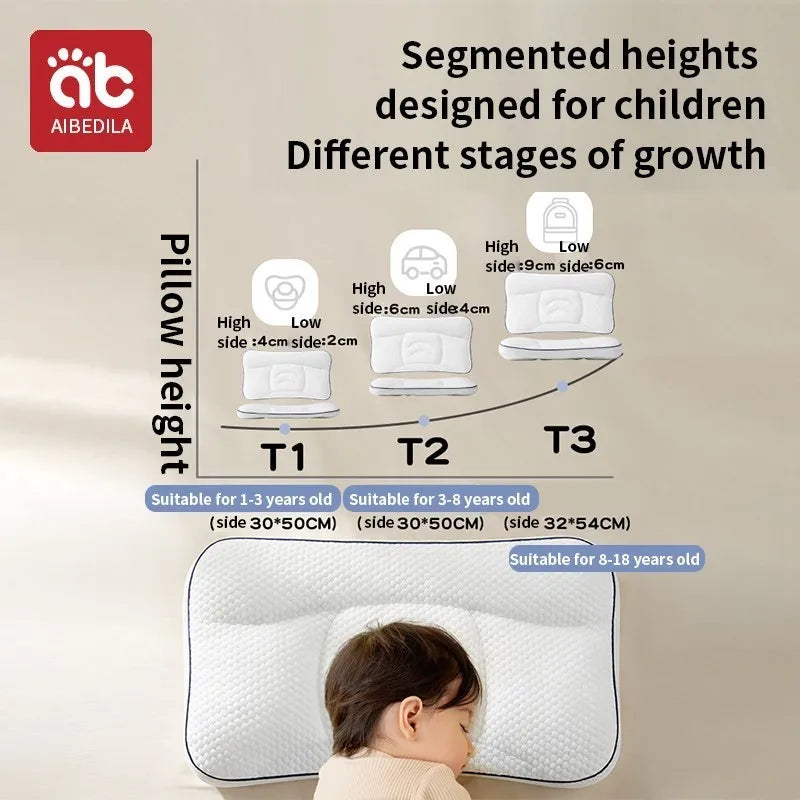
soft breathable material, support newborn neck — See it in action
Frequently Asked Questions
-
Are infant sleeper pillows safe for newborns?
Newborn sleep should follow safe sleep recommendations with a firm, flat surface. Infant pillows should only be used according to product instructions and appropriate supervision guidelines.
-
What is the best breathable baby pillow?
The best breathable baby pillow has airflow materials, a washable cover, gentle support, and an age-appropriate design.
-
At what age can a baby safely use a pillow?
Age recommendations vary by product and child development. Always follow manufacturer guidance and consult a pediatric professional when uncertain.
-
Can a baby pillow prevent flat head syndrome?
A pillow may help reduce pressure during supervised use, but it cannot completely prevent flat head syndrome. Position changes and tummy time remain important.
-
What materials are best for a breathable infant pillow?
Mesh fabrics, breathable cotton, and well-ventilated structured materials are popular choices because they help manage heat and moisture.
-
How often should a child's pillow be replaced?
Replace it when the structure breaks down, the material loses support, or hygiene becomes difficult to maintain.
-
Are organic baby pillows worth buying?
Organic materials can be valuable for parents who prefer natural fibers, but breathability, safety, and cleaning convenience should remain priorities.
-
How do I clean a baby sleeping pillow?
Follow the manufacturer's washing instructions, clean removable covers regularly, and ensure all parts dry fully before use.
Want more tips on comfortable baby sleep gear? Explore related collections like Sleep & Comfort and practical guides in Baby Care Tips & Advice for routines and product pairings that make nights calmer.
If you’re considering a supportive option that balances breathability and gentle orthopedic shape, see the product linked above for a tested design parents turn to when they need simple, effective neck support.
Related Articles:
- Infant with misshapen head: How to use positioning aids effectively
- Pillow orthopedic neck support: Step-by-step setup for safer infant sleep
- Ergonomic pillow for neck pain: How to position it for infant comfort
- Newborn fussing while sleeping: How to use supports for calmer nights
Explore More:





