

Pillow orthopedic neck support: Infant neck support pillow safety guide for newborn sleep
⏱ 8 min read
Are infant neck support pillows safe for newborn sleep?
Answer: Infant neck support pillows are not recommended for routine overnight sleep for most newborns. While some products are designed to provide gentle support during supervised situations, babies generally sleep safest on a firm, flat surface without pillows or positioning devices. Understanding infant neck support pillow safety helps parents separate genuine safety guidance from marketing claims.
A pillow orthopedic neck support may appear helpful when parents notice a newborn head tilted to one side, a preferred sleeping direction, or concerns about head shape. However, newborn anatomy is different from adult anatomy. Before using any baby neck support pillow, parents should understand safe sleep guidelines for infants pillow use, appropriate ages, and when professional advice is needed.
Every parent wants their baby to sleep comfortably and safely. If your newborn seems to favor one side, has difficulty turning their head evenly, or develops a flattened area, there are evidence-informed ways to support healthy development. This guide explains what parents should know about newborn neck support pillows, risks, safer alternatives, and when to ask a pediatrician.
Explore products and routines designed to support comfort, development, and everyday parenting needs.
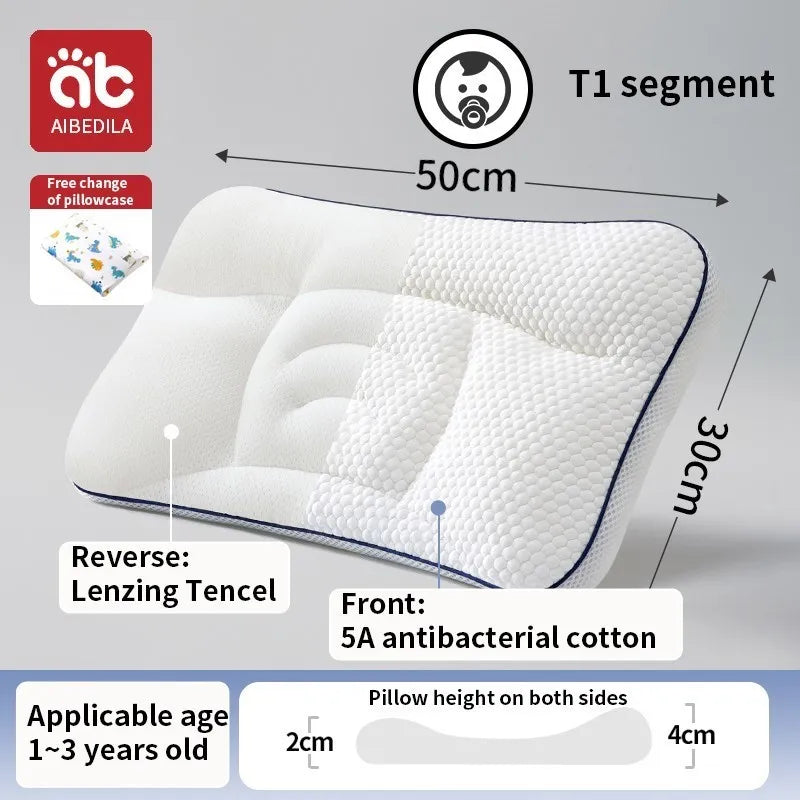
pillow orthopedic neck support, orthopedic neck pillow for sleeping — See it in action.
Are infant neck support pillows safe?
Quick answer: What pediatric safe sleep guidance says
Is neck pillow safe for newborns? For routine sleep, most experts recommend avoiding pillows and soft positioning products for young infants. Newborns do not need the same type of neck support adults use because their bodies are still developing.
Marketing often suggests that an orthopedic neck pillow for baby can improve posture, prevent flat head, or keep a baby perfectly aligned. However, product claims should not replace medical guidance or established safe sleep recommendations.
A newborn neck support pillow safe or not decision depends on:
- The baby's age and developmental stage.
- Whether the product is intended for sleep or supervised use.
- Whether a healthcare professional has recommended it.
- The baby's ability to move and reposition independently.
For most healthy newborns, the safest sleep setup remains a clear crib with a firm, flat surface and no added pillows.
Why infants usually do not need a neck support pillow
Infant neck anatomy and natural development
Babies have different physical proportions than adults. Their heads are relatively large compared with their bodies, while neck muscles are still developing strength and control.
This natural development process allows babies to gradually learn head control. An external baby neck support pillow is usually unnecessary during normal sleep because infants are designed to develop these muscles through movement, supervised activity, and daily interactions.
Parents often ask how to support infant head during sleep. The safest answer is usually not adding extra support but creating the correct sleep environment:
- Place baby on their back.
- Use a firm, flat mattress.
- Keep the sleep area free from pillows and loose items.
- Support the head and neck during carrying, feeding, and awake activities.
Adult concepts of spinal alignment do not always apply to infants because newborn airways, muscle control, and movement patterns are different.
What are the risks of infant neck support pillows?
Airway obstruction
The main concern with infant neck support pillow safety is the possibility that added cushioning may interfere with breathing. Young babies may not have the strength or coordination to move away from an unsafe position.
- Suffocation hazards: Soft materials near a baby's face can create breathing risks.
- Improper head positioning: A raised or tilted head position may affect airway alignment.
- Loose bedding concerns: Extra items increase complexity in the sleep environment.
Overheating and repositioning risks
Even a breathable baby pillow neck support product can add warmth around the head and neck. Overheating concerns are one reason safe sleep recommendations focus on keeping infant sleep spaces simple.
Risk is generally highest for younger babies who cannot consistently roll, reposition, or remove themselves from uncomfortable positions.
Safe sleep recommendations for newborns and infants
Safe sleep checklist
Following safe sleep guidelines for infants pillow use can help create a safer environment:
- Always place babies on their back for sleep.
- Use a firm, flat sleep surface.
- Keep pillows, blankets, stuffed toys, and positioners outside the crib.
- Avoid using sleep support products unless recommended by a qualified professional.
- Follow age-appropriate guidance as your baby develops.
What belongs in the crib
A safe crib setup is simple. A fitted sheet on a firm mattress is generally all that is needed for infant sleep. Products designed for comfort, including infant head support sleeping position devices, should not be added unless there is a specific reason and professional guidance.
Infant pillows vs medically recommended supports
Everyday sleep vs supervised travel or medical use
Not every support product serves the same purpose. A travel support, supervised comfort item, and medically recommended device should not be confused with a pillow intended for overnight sleep.
| Option | When it may be used | Potential benefits | Important limitations |
|---|---|---|---|
| Pillow orthopedic neck support | Specific supervised situations or approved use | May provide gentle comfort and support depending on design | Not recommended as a routine newborn sleep solution |
| Flat firm sleep surface | Daily unsupervised infant sleep | Matches safe sleep recommendations and minimizes added hazards | Does not directly correct positional preferences |
| Clinician-prescribed support | Specific medical needs | Designed around individual assessment | Should only be used with professional guidance |
When should parents seek medical advice?
Possible torticollis or persistent head tilt
A newborn head tilted to one side fix may require more than a support product. Persistent head preference can sometimes be related to torticollis or other movement concerns.
Parents should consider contacting a pediatrician if they notice:
- A baby consistently turns their head in only one direction.
- Difficulty moving the neck equally on both sides.
- Feeding difficulties related to head positioning.
- A flat spot that continues to worsen despite repositioning efforts.
A baby pillow for flat head prevention should not replace medical assessment. Early professional guidance can help determine appropriate next steps.
Safer alternatives to neck support pillows
Positioning during awake time
Many strategies for healthy head and neck development happen while babies are awake and supervised.
- Supervised tummy time: Encourages neck and upper-body strength.
- Changing positions: Alternate carrying and feeding sides when appropriate.
- Interactive play: Encourage babies to look in different directions during awake periods.
- Physical therapy: Follow professional recommendations when movement restrictions are identified.
For parents wondering how to support infant head during sleep, the priority should always be safe sleep conditions rather than adding pillows.
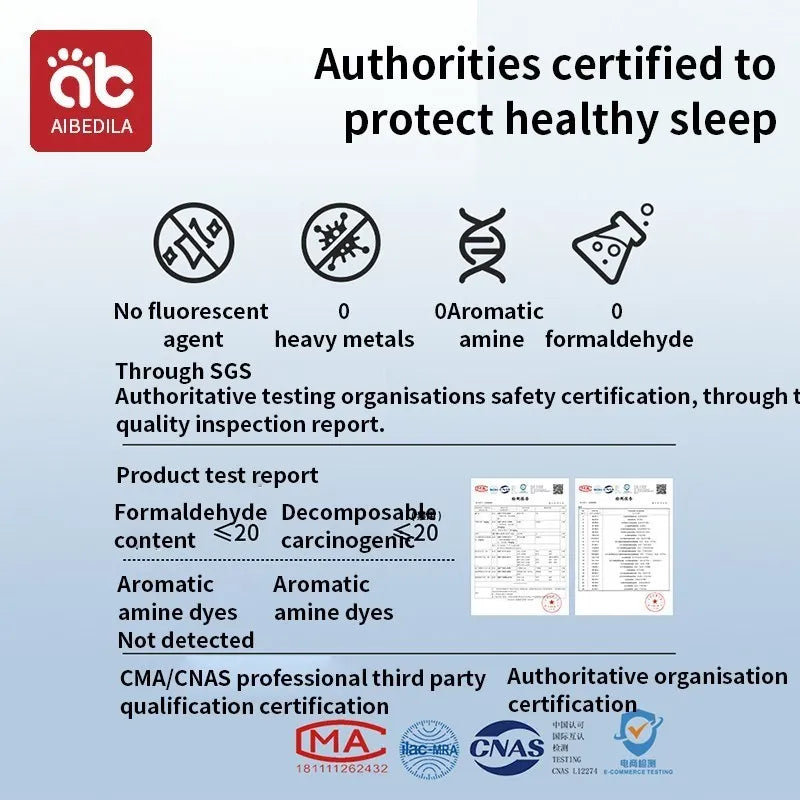
orthopedic neck pillow for sleeping, soft breathable material — See it in action.
Materials, breathability & care considerations
If a support product is recommended for a specific situation, parents should review product quality carefully. Features such as soft breathable material, washable covers, secure seams, and clear instructions can improve hygiene and usability.
- Choose products with clear age recommendations.
- Avoid thick designs that significantly raise the head.
- Wash covers according to manufacturer instructions.
- Replace products that lose their shape or become damaged.
Additional safety tips for parents
- Never place multiple support products together.
- Do not use pillows as a substitute for medical treatment.
- Monitor your baby's development rather than relying only on products.
- Ask your pediatrician about persistent sleep or positioning concerns.
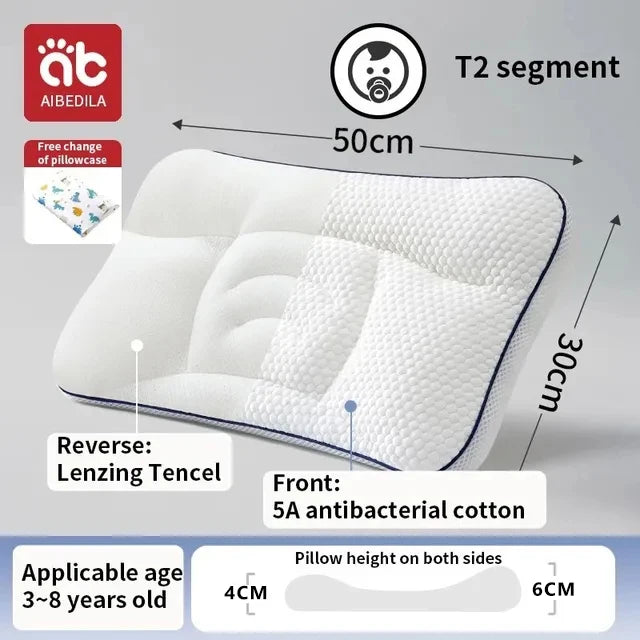
support newborn head, infant head tilted to one side — See it in action.
Recommended product option
For parents exploring supervised comfort options, review the intended use, materials, and safety instructions carefully:
- baby neck pillow orthopedic support — Review product details and usage guidance before purchase.
Frequently asked questions
-
Are infant neck support pillows safe for overnight sleep?
For most newborns, routine overnight use is not recommended. Babies generally sleep safest on a firm, flat surface without pillows or positioning devices unless specifically advised by a healthcare professional.
-
Is a neck pillow safe for newborns?
A newborn neck support pillow safe or not depends on age, purpose, and professional guidance. Standard sleep use is generally discouraged because newborns have different support needs than adults.
-
Can a baby pillow prevent flat head syndrome?
No pillow can guarantee prevention of flat head syndrome. Supervised tummy time, varied awake positions, and pediatric guidance are safer approaches.
-
How should I support my baby's head during sleep?
The safest approach is usually placing your baby on their back on a firm, flat mattress without additional pillows. Support the head and neck during holding, feeding, and awake activities.
-
What should I do if my newborn keeps tilting their head to one side?
Discuss persistent head preference with your pediatrician. They can check for possible torticollis and recommend appropriate exercises or treatment.
-
Are breathable baby pillows safer than regular pillows?
Breathable materials may improve airflow, but they do not automatically make a pillow suitable for newborn sleep. The entire sleep environment matters.
-
When can babies safely use a pillow?
There is no single age for every child. Parents should follow developmental guidance and introduce pillows only when appropriate.
Final thoughts
A pillow orthopedic neck support may seem like a simple solution for newborn positioning concerns, but safe sleep should always come first. Most infants do not need pillows during sleep. A firm mattress, back sleeping position, supervised tummy time, and professional advice when concerns appear provide safer support for healthy development.
Pillar Article: Not Found
Other Related Articles:
- Infant with misshapen head: How to use positioning aids effectively
- Ergonomic pillow for neck pain: How to position it for infant comfort
- Newborn fussing while sleeping: How to use supports for calmer nights
- Infant sleeper pillow review: Which breathable designs rank best?
Explore More:





