

Does newborn fussing while sleeping come from neck or breathable-material issues?
Answer: Sometimes, but not always. Newborn fussing while sleeping is most often related to normal sleep development, hunger, gas, temperature, or brief transitions between sleep cycles. Heat from non-breathable clothing or temporary positioning discomfort may contribute to restlessness for some babies, but they are rarely the only cause. Begin by checking feeding, diaper, room temperature, and safe sleep practices before considering other factors.
⏱ 8 min read
Newborn fussing while sleeping: How to use supports for calmer nights
If your newborn fussing while sleeping has become a nightly challenge, you're not alone. Many healthy newborns make noises, squirm, grunt, or briefly fuss during sleep without fully waking. While occasional discomfort from clothing, room temperature, or positioning may contribute, fussing is often part of normal infant sleep development. This guide explains the most common reasons babies become restless, what you can safely check at home, and when additional evaluation may be appropriate.
Start with simple, evidence-based changes that may help create a calmer bedtime routine.
newborn fussing while sleeping • soft breathable material • See it in action
Quick solution: How to stop newborn fussing while sleeping tonight
Direct answer: Before assuming something is wrong, pause for a moment to see whether your baby settles independently. If fussing continues, check hunger, diaper comfort, room temperature, and signs of gas. Keep the sleep environment calm, place your baby on their back on a firm, flat sleep surface, and avoid overheating. Gentle soothing, consistent bedtime routines, and age-appropriate sleep expectations often reduce nighttime restlessness.
What causes newborn fussing while sleeping?
Parents often associate nighttime fussing with a single problem, but it usually has several possible causes. Understanding these common triggers helps you decide when to simply observe and when your baby may need comfort.
- Normal active sleep: Newborns spend much of their sleep moving, stretching, making facial expressions, and briefly fussing without fully waking.
- Hunger: Frequent feeding remains one of the most common reasons babies become restless, especially during growth spurts.
- Gas or digestive discomfort: Swallowed air after feeds may cause grunting, squirming, or short periods of fussiness.
- Room temperature: Overheating or feeling too cool can interrupt otherwise normal sleep.
- Sleep transitions: Babies naturally move between lighter and deeper sleep every 40–60 minutes, and brief fussing during these transitions is common.
- Illness or congestion: A stuffy nose, fever, or signs of respiratory difficulty deserve closer attention and may require medical advice.
Which baby gear suits your newborn best? Read on!

Creating a cool, uncluttered sleep environment can help babies settle more comfortably.
When babies wake frequently, it is tempting to focus on a single cause. In reality, sleep quality is usually influenced by several small factors working together, including room temperature, clothing, feeding patterns, normal sleep development, and overall comfort. Safe sleep practices consistently have the strongest evidence for reducing risk while helping babies rest more comfortably.
Safe sleep checklist
- Place your baby on their back for every sleep unless a healthcare professional advises otherwise.
- Use a firm, flat sleep surface with a fitted sheet.
- Keep pillows, blankets, stuffed toys, positioners, and loose bedding out of the sleep space.
- Dress your baby appropriately for the room temperature to help prevent overheating.
- Maintain a smoke-free sleep environment.
Simple bedtime habits that may reduce fussing
- Check that your baby has been fed, burped, and has a clean diaper.
- Keep the bedroom comfortably cool and avoid excessive layers.
- Use a predictable bedtime routine, such as dimming lights, gentle rocking, or quiet singing.
- If your baby wakes between sleep cycles, pause briefly before intervening, as some infants naturally resettle.
- Contact your pediatrician if persistent fussing is accompanied by fever, breathing difficulty, poor feeding, vomiting, or unusual lethargy.
Infant product information
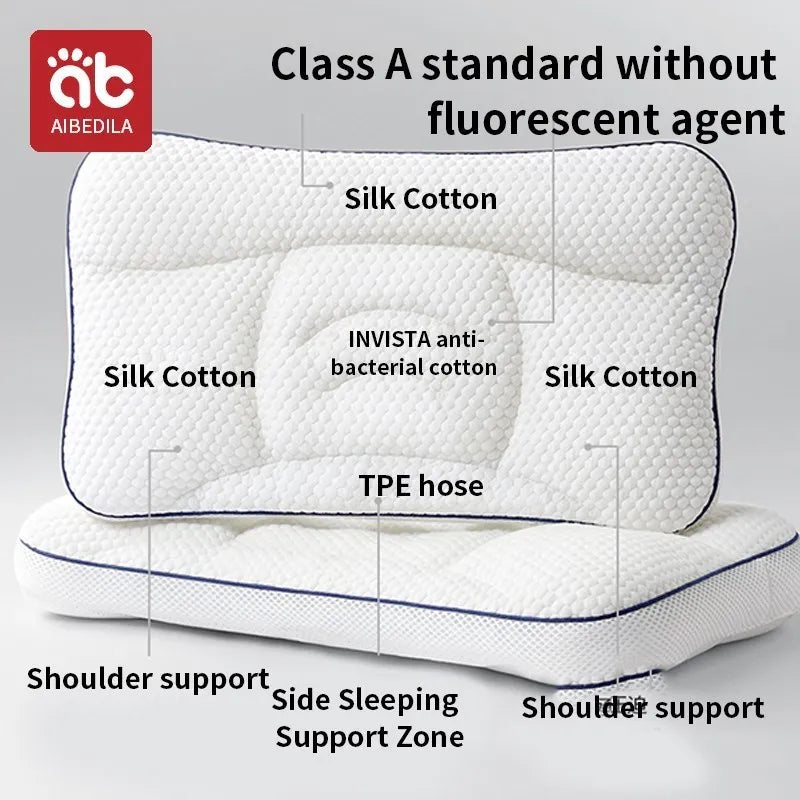
If you are considering the /products/baby-neck-pillow-orthopedic-support , review the manufacturer's instructions carefully and use the product only as directed. Sleep accessories should never replace established safe sleep recommendations or guidance from your child's healthcare provider.
Practical safety reminders
- Follow the manufacturer's instructions for any infant product you choose to use.
- For routine sleep, keep the crib free of pillows, loose blankets, toys, and other soft objects.
- Place your baby on a firm, flat sleep surface and check that breathing remains unobstructed.
- Keep clothing and bedding clean and dry to help maintain comfort.
- If a 6 month old is fussy and not sleeping, focus on a consistent bedtime routine, age-appropriate naps, and regular feeding schedules before introducing new sleep products.
Related resources: browse Sleep & Comfort for products designed to support a comfortable nursery environment.
Quick safety checklist
- Baby is placed on their back for every sleep. ✔︎
- Sleep surface is firm, flat, and fitted with a tight sheet. ✔︎
- No loose blankets, pillows, bumpers, or toys are in the sleep area. ✔︎
- Room temperature is comfortable and baby is not overdressed. ✔︎
- A healthcare professional has been consulted if persistent fussing is accompanied by concerning symptoms such as poor feeding, breathing difficulty, fever, or unusual lethargy. ✔︎

A safe sleep environment starts with a firm mattress, clear sleep space, and consistent bedtime routine.
If you are considering the /products/baby-neck-pillow-orthopedic-support , review the product instructions carefully and use it only as directed. It should not replace evidence-based safe sleep practices or individualized medical advice.
FAQ: newborn fussing while sleeping
-
Is newborn fussing while sleeping always a sign that something is wrong?
No. Brief movements, grunting, and short periods of fussing are common because newborn sleep cycles are shorter and lighter than those of older children. Persistent crying, poor feeding, fever, or breathing problems should be evaluated by a healthcare professional.
-
Why does my baby seem comfortable one night but restless the next?
Normal growth, developmental changes, hunger, gas, room temperature, illness, and overtiredness can all affect sleep from day to day. Looking for patterns over several nights is often more helpful than judging a single evening.
-
Can overheating contribute to newborn fussing while sleeping?
Yes. Babies who become too warm may wake more frequently. Dressing your baby appropriately for the room temperature and avoiding excessive layers can improve comfort.
-
When should I contact a healthcare provider?
Seek medical advice if your baby has persistent inconsolable crying, difficulty breathing, repeated vomiting, poor feeding, fever, reduced wet diapers, or if you are concerned about any sudden change in behavior.
Final notes — small changes, calmer nights
Newborn fussing while sleeping is often influenced by normal development as well as everyday comfort factors such as feeding, temperature, and bedtime routines. Prioritizing evidence-based safe sleep practices, observing your baby's individual patterns, and making gradual adjustments can help many families achieve more restful nights. For additional nursery products, visit Sleep & Comfort and Baby Care Essentials .
FAQ (schema-ready)
Why is my newborn fussy while sleeping but not awake?
Newborns spend much of their sleep in active sleep, a normal stage that includes brief fussing, facial expressions, stretching, and small movements without fully waking. If your baby settles on their own, these behaviors are usually expected.
Is newborn grunting and fussing during sleep normal?
Yes. Grunting, brief noises, and light movement are common in healthy newborns because their sleep cycles are immature. However, persistent breathing difficulty, bluish skin, poor feeding, or fever should be evaluated by a healthcare professional.
Why is my baby restless while sleeping at night?
Restlessness can result from hunger, gas, a wet diaper, normal sleep transitions, illness, or an uncomfortable sleep environment. Reviewing feeding, room temperature, and bedtime routines often helps identify the cause.
How can I calm a fussy newborn at night safely?
Feed and burp your baby if needed, check the diaper, maintain a comfortable room temperature, use gentle rocking or soothing sounds, and always place your baby on their back on a firm, flat sleep surface free of loose bedding.
When is newborn sleep fussiness a medical concern?
Seek medical advice if fussiness is accompanied by fever, repeated vomiting, breathing problems, poor feeding, reduced wet diapers, unusual sleepiness, or inconsolable crying that does not improve with routine comfort measures.
Can gas make a newborn fuss while sleeping?
Yes. Swallowed air during feeding can contribute to temporary discomfort. Burping after feeds, paced feeding when appropriate, and discussing persistent symptoms with your pediatrician may help.
How long does active sleep last in newborns?
Newborn sleep cycles are typically 40 to 60 minutes, with active sleep making up a significant portion. During this stage, babies commonly move, twitch, or make brief sounds before transitioning into quieter sleep.
What are the signs of discomfort in newborn sleep?
Signs may include repeated waking, persistent crying after soothing attempts, back arching, frequent squirming, difficulty settling after feeds, or changes in feeding or breathing. If symptoms are persistent or concerning, consult your healthcare provider.
Pillar Article: Not Found
Other Related Articles:
- Infant with misshapen head: How to use positioning aids effectively
- Pillow orthopedic neck support: Step-by-step setup for safer infant sleep
- Ergonomic pillow for neck pain: How to position it for infant comfort
- Infant sleeper pillow review: Which breathable designs rank best?
- Newborn sleep cycles and active sleep
- Safe sleep guidelines for newborns
- How to burp a newborn effectively
- Signs of infant reflux
Explore More:





