

Early Childhood Development Toys That Build Real Skills
Do Early Childhood Development Toys Really Help?
Yes—early childhood development toys can support learning when they give children opportunities to explore, practice skills, solve problems, communicate, and use their imagination. However, toys do not drive development on their own. The biggest benefits come from how a child uses a toy, how well it matches their developmental stage, and whether parents, caregivers, siblings, or peers join the play when appropriate.
Well-chosen toys can support areas such as language, fine motor coordination, problem-solving, creativity, social-emotional learning, and physical development. Simple, open-ended toys can be especially useful because they allow children to create different play scenarios rather than following only one predetermined sequence.
Early Childhood Development Toys: What Actually Helps
Early childhood development toys can turn everyday play into opportunities to practice real-life skills. The most useful toys are not necessarily the most expensive, complicated, or electronic. Instead, look for toys that match a child's developmental stage, invite active participation, and can be used in more than one way. From sensory exploration in infancy to pretend play and problem-solving in the preschool years, the right toy can support learning while keeping play enjoyable.
⏱ 6 min read
Ever watched a child become completely absorbed in a simple toy and wondered whether that play is actually helping them learn?
Play is one of the main ways young children explore their environment, practice emerging abilities, and make sense of everyday experiences. A good toy gives them something to do, but the learning comes from the child's actions: reaching, stacking, sorting, talking, pretending, building, moving, testing ideas, and trying again.
Discover the safest toys for your baby
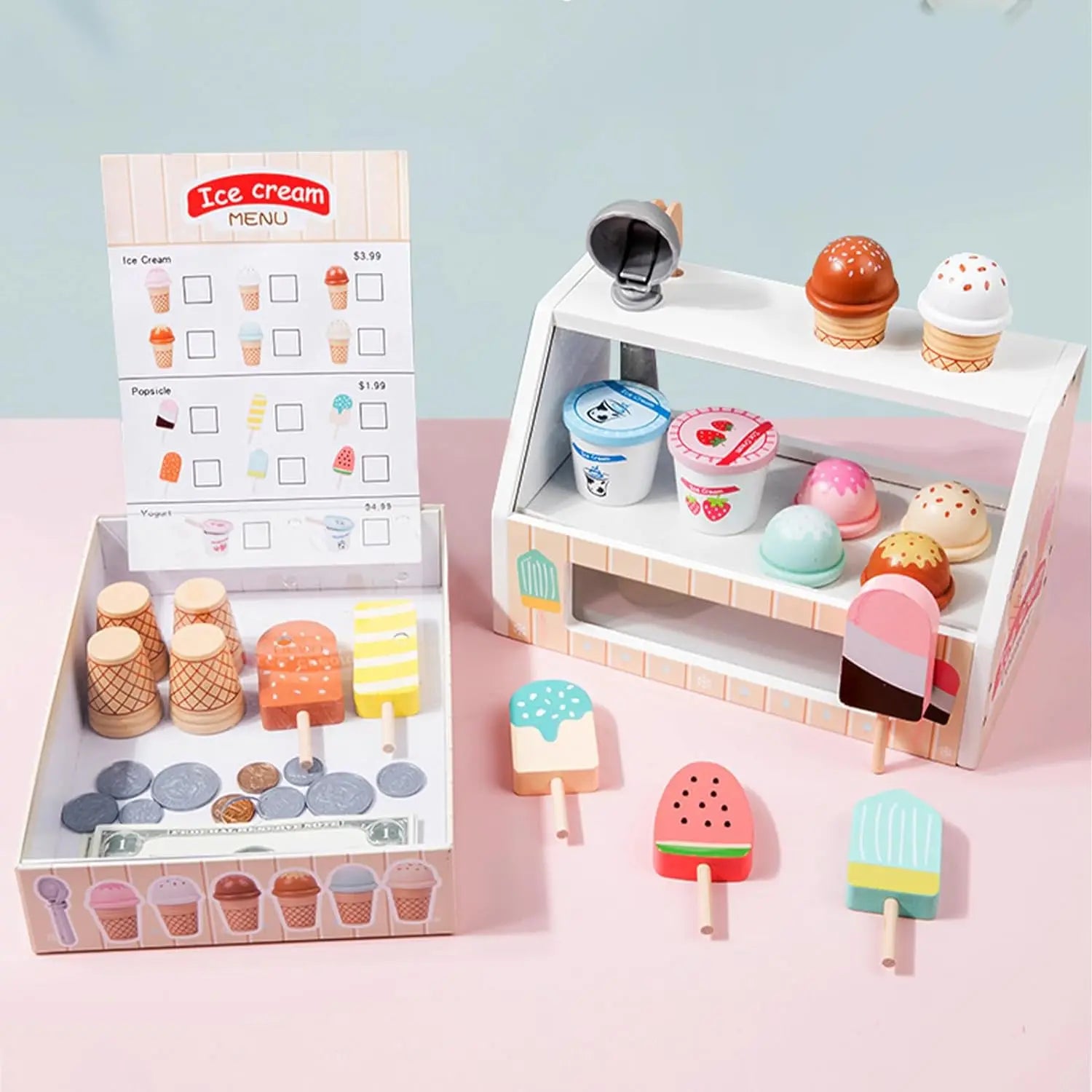
Early childhood development toys that build real-life skills See it in action
What Makes a Toy Truly Developmental?
Not every toy labeled “educational” provides the same learning opportunities. A truly developmental toy encourages children to actively do something rather than simply watch, listen, or press a button repeatedly.
Developmentally Appropriate by Age
A toy should be challenging enough to encourage practice without being so difficult that a child cannot use it independently. Infants may benefit from toys that encourage reaching, grasping, tracking, and sensory exploration, while toddlers can begin using toys for sorting, stacking, matching, movement, and simple pretend play. Preschoolers can handle more complex building, role-play, early math, language, and problem-solving activities.
Open-Ended vs. Electronic Toys
Open-ended toys can be used in many different ways. Blocks, pretend-play sets, dolls, art materials, puzzles, and loose construction pieces can support creativity because children decide what to build or imagine. Electronic toys can also have a place in play, particularly when they encourage active participation, but a toy is not automatically more educational because it has lights, sounds, or a screen.
Matching Toys to Developmental Milestones
Choose toys according to the skill you want to give your child opportunities to practice. For example, stacking and construction toys can support coordination and spatial thinking, while pretend-play toys can encourage language, social interaction, and emotional understanding.
- Communication: Look for toys that encourage naming, storytelling, conversation, or role-play.
- Problem-solving: Choose puzzles, matching games, construction toys, and simple challenges.
- Fine motor skills: Consider toys involving grasping, placing, connecting, sorting, or manipulating pieces.
- Gross motor skills: Choose age-appropriate toys that encourage reaching, crawling, walking, balancing, or active movement.
- Creativity: Favor open-ended materials that can support different play ideas.
Collections like Baby Growth & Learning offer tools designed specifically for these outcomes.
Best Early Childhood Development Toys by Skill Area
The best child development toys depend on what your child is currently learning. Instead of searching for one “perfect” toy, consider choosing a small mix that supports different areas of development.
Sensory Toys for Brain Development
Sensory toys give infants and toddlers opportunities to explore textures, shapes, sounds, colors, and movement. These experiences encourage children to notice differences in their environment while practicing reaching, grasping, manipulating, and exploring.
For younger children, prioritize simple designs, secure construction, and age-appropriate components. Explore options in Sensory Toys .
Toys for Cognitive Development
Toys for cognitive development encourage children to notice patterns, remember information, make choices, test ideas, and solve simple problems. Puzzles, stacking toys, sorting activities, matching games, and construction sets can all provide these opportunities.
For toddlers and preschoolers, choose challenges that can become gradually more complex as their abilities grow. The goal is not to make play feel like a lesson, but to give children repeated opportunities to think and try.
Interactive Toys for Early Learning
Interactive toys can benefit early learning when children actively respond to the toy rather than simply watching it operate. Toys that encourage matching, building, sequencing, movement, conversation, or experimentation can support memory, coordination, language, and early reasoning.
Caregiver interaction can make these toys even more useful. Asking “What do you think will happen?” or “Can you find another one?” turns a simple activity into a conversation and encourages children to explain their thinking.
Pretend Play Toys for Social Skills
Pretend play toys for social skills let children recreate familiar experiences such as shopping, cooking, caring for a toy patient, serving food, or running a business. During shared pretend play, children can practice turn-taking, communication, cooperation, perspective-taking, and expressing emotions.
Role-play can also give children a low-pressure way to experiment with different social situations. A kitchen set, doctor kit, doll set, shop counter, or ice cream stand can become the starting point for conversations and cooperative games.
Fine Motor and Gross Motor Toys
Fine motor toys involve controlled hand and finger movements, while gross motor toys encourage larger movements and physical coordination. Building pieces, stacking toys, simple lacing activities, and age-appropriate puzzles can support fine motor practice. Balls, push-and-pull toys, climbing opportunities, and movement games can encourage gross motor development.
Look for toys that encourage active movement without requiring a child to perform beyond their current abilities.
Best Toys by Age and Developmental Stage
Age ranges are useful starting points, but children develop at different rates. Always follow the manufacturer's age guidance and choose toys that match the child's current abilities and supervision needs.
0–12 Months
Infants benefit from toys that encourage looking, reaching, grasping, holding, and exploring. High-contrast objects, soft sensory toys, rattles, textured toys, and simple activity toys can provide opportunities for sensory and motor exploration.
- Best categories: Sensory toys, grasping toys, soft activity toys, simple cause-and-effect toys
- Skills supported: Sensory awareness, hand control, visual tracking, reaching, grasping
- Look for: Age-appropriate construction, securely attached parts, and easy-to-clean materials
1–2 Years
Toddlers increasingly enjoy toys that involve movement, stacking, sorting, matching, and simple imitation. Large building pieces, shape sorters, push-and-pull toys, simple puzzles, and early pretend-play materials can support growing independence.
- Best categories: Stacking toys, large construction toys, sorting toys, movement toys, simple pretend play
- Skills supported: Coordination, problem-solving, early language, imitation, independence
- Look for: Simple challenges with room for repetition and exploration
3–4 Years
Preschoolers can often engage with more imaginative and cooperative activities. Pretend-play sets, puzzles, construction toys, art materials, matching games, and early math activities can encourage language, creativity, reasoning, and social learning.
- Best categories: Pretend play, construction toys, puzzles, art materials, early math tools
- Skills supported: Storytelling, creativity, social interaction, early math, problem-solving
- Look for: Open-ended toys that can support independent and shared play
5+ Years
Older preschoolers and young school-age children can explore increasingly complex construction, strategy, creative, science, math, and role-play activities. Toys can introduce planning, sequencing, experimentation, and more advanced problem-solving without removing the playful element.
- Best categories: Building sets, strategy games, STEM activities, creative kits, advanced pretend play
- Skills supported: Planning, logical thinking, persistence, creativity, communication
- Look for: Toys with multiple levels of challenge and opportunities for children to create their own solutions
Comparison Table: Choosing the Right Development Toy
| Toy Type | Recommended Age | Primary Skills | Interactive Level | Best Use Case |
|---|---|---|---|---|
| Sensory Toys | 0–2 years+ | Sensory exploration, grasping, attention | Moderate | Early exploration and sensory play |
| Construction Toys | 1–5+ years | Fine motor skills, spatial thinking, problem-solving | High | Building and independent exploration |
| Pretend Play Toys | 2–5+ years | Language, creativity, cooperation, social skills | High | Role-play and shared play |
| Interactive Learning Toys | 1–5+ years | Memory, matching, early reasoning, coordination | Moderate to high | Guided learning and skill practice |
| Fine Motor Toys | 1–5+ years | Hand control, coordination, dexterity | Moderate | Hands-on skill practice |
| Gross Motor Toys | 1–5+ years | Balance, coordination, movement | High | Active physical play |
Learn step-by-step how to choose the right baby gear
How Can Toys Support Learning for Preschool-Aged Children?
Educational toys for preschoolers can support learning by giving children concrete ways to practice concepts that might otherwise feel abstract. The strongest examples allow children to manipulate objects, make choices, talk through ideas, and repeat activities at their own pace.
- Language development: Pretend play, story props, dolls, and role-play encourage children to name objects, create stories, ask questions, and hold conversations.
- Problem-solving: Puzzles, construction toys, sorting activities, and simple games encourage children to plan, test solutions, and try again.
- Creativity: Open-ended toys let children decide what to build, draw, invent, or pretend rather than following one fixed outcome.
- Independent learning: Toys with clear but flexible challenges allow children to explore, make choices, and develop persistence.
Hands-on play can also connect naturally with early academic concepts. Counting objects, sorting colors, comparing sizes, building patterns, or measuring during play can introduce early math without turning playtime into formal instruction.
Which Pretend Play Toys Improve Social Skills?
Pretend play toys for social skills can encourage children to practice communication, cooperation, turn-taking, empathy, and perspective-taking. Kitchen sets, doctor kits, dolls, shop counters, and role-play props work particularly well because they recreate familiar situations that children can act out together.
One standout example is the ice cream counter playset for kids . It can encourage:
- Turn-taking and sharing: Children can alternate between customer and shopkeeper roles.
- Verbal communication: Pretend ordering and serving naturally creates opportunities for questions and conversation.
- Emotional understanding: Role-play gives children opportunities to explore different reactions and perspectives.
- Confidence: Repeating familiar scenarios can help children become more comfortable expressing ideas during shared play.
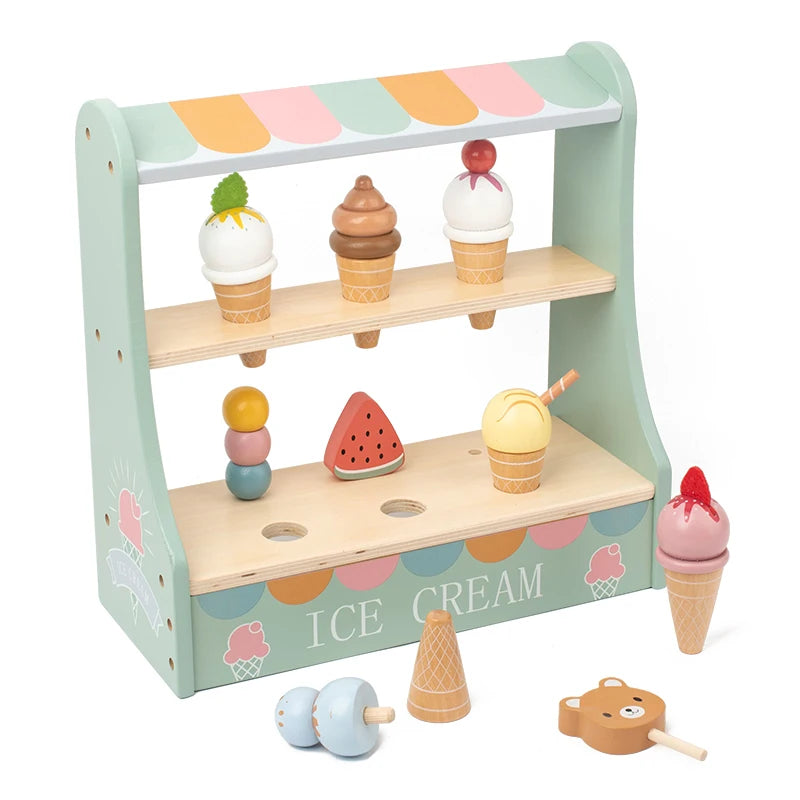
Toys for early childhood development that encourage social play See it in action
Comfort Toys in Early Childhood: Benefits and Limitations
Comfort toys in early childhood, such as a favorite stuffed animal or soft blanket, can provide familiarity and emotional reassurance during transitions, bedtime, travel, or other unfamiliar situations. A familiar object can become part of a child's predictable routine and may help them feel more secure.
Comfort toys serve a different purpose from developmental toys. They do not need to teach a specific skill to be valuable. Their main role is emotional comfort and familiarity.
- Emotional regulation: A familiar object may help a child settle during stressful or unfamiliar moments.
- Security: Consistent comfort objects can become part of familiar routines.
- Healthy boundaries: Encourage comfort toys as one coping tool while also helping children build other ways to manage emotions.
- Gradual transitions: If a child is ready to rely on the comfort toy less, a gradual change in routines may be easier than abruptly removing it.
Choose comfort items that are age-appropriate and safe for the child's developmental stage. A comfort toy does not need to be replaced simply because it is not an educational toy; emotional security and play-based learning serve different purposes.
How to Choose the Right Toy for Your Child
The best early childhood development toys are the ones your child can safely use, enjoys returning to, and can explore at an appropriate level of challenge. Use the following checklist before buying.
Choose by Development Goal
Start with the skill you want to support instead of starting with a product label. If your goal is language development, consider pretend play and storytelling materials. For problem-solving, look at puzzles, matching activities, and construction toys. For coordination, consider fine motor or movement-based toys.
Safety Checklist
- Follow the manufacturer's recommended age range.
- Check that pieces are appropriate for the child's developmental stage.
- Look for sturdy construction and securely attached components.
- Avoid damaged, broken, or loose parts.
- Supervise play when the toy requires it, especially with younger children.
- Keep toys clean and inspect them regularly for wear.
Quality Over Quantity
Children do not need a room full of developmental toys. A smaller collection of versatile toys can provide more meaningful opportunities for repeated play. Rotate available toys when interest fades, and combine simple materials in new ways to create fresh challenges.
Look for durable materials, clear age guidance, multiple possible uses, and enough complexity to remain interesting without becoming frustrating.
Browse curated options in Baby Growth & Learning to simplify your search.
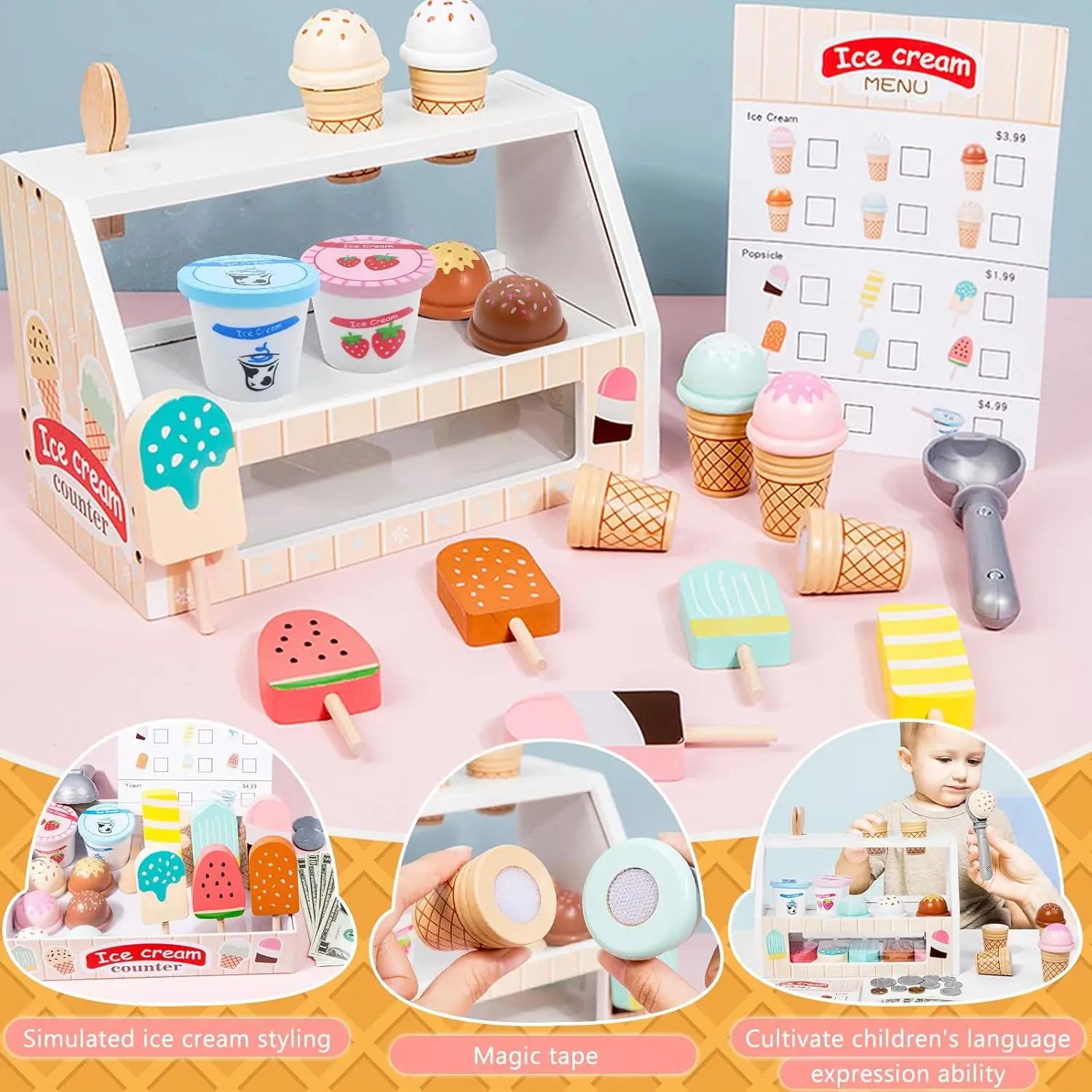
Pretend play toys improve social skills and confidence See it in action
Get yours now — limited stock!
Frequently Asked Questions
What are the best early childhood development toys?
The best early childhood development toys match a child's age and current abilities while encouraging active exploration. Good choices include sensory toys for early exploration, construction toys for problem-solving, pretend-play toys for language and social skills, and fine or gross motor toys for coordination.
Are toys important for child development?
Yes. Toys can provide opportunities for children to practice motor, cognitive, language, creative, and social-emotional skills. However, toys are only one part of development. Everyday interaction, relationships, movement, communication, routines, and real-world experiences are also important.
How do interactive toys benefit a baby's early learning?
Interactive toys can give babies and young children opportunities to practice cause-and-effect learning, reaching, grasping, attention, coordination, and early problem-solving. The benefit is greatest when the toy encourages active exploration rather than passive watching.
How can toys support learning for preschool-aged children?
Toys can turn early learning concepts into hands-on experiences. Preschoolers can practice language through pretend play, early math through sorting and counting, problem-solving through puzzles and construction, and creativity through open-ended activities.
What are the best toys for cognitive development?
Toys that encourage children to think, compare, remember, plan, and test ideas can support cognitive development. Puzzles, sorting and matching toys, construction sets, pattern activities, and age-appropriate strategy games are useful examples.
Which pretend play toys improve social skills?
Pretend-play toys such as kitchen sets, doctor kits, dolls, shop counters, and role-play props can support social skills when children use them in shared play. They create opportunities to practice communication, turn-taking, cooperation, storytelling, and perspective-taking.
What are the safest early childhood development toys?
The safest toy is one that is appropriate for the child's age and developmental abilities, made with suitable materials, securely constructed, and used according to the manufacturer's instructions. Check toys regularly for broken components, loose parts, or damage, and supervise whenever the toy requires it.
How many developmental toys does a child really need?
There is no required number. A small collection of versatile toys can provide plenty of learning opportunities. Rather than buying more toys, focus on having a useful mix of sensory, construction, pretend-play, creative, and movement activities appropriate for the child's age.
Can one toy support multiple developmental skills?
Absolutely. A single open-ended toy can support several areas at once. For example, pretend-play toys can encourage language, creativity, social interaction, emotional understanding, and problem-solving, while construction toys can combine fine motor practice with spatial reasoning and creativity.
Explore more helpful resources in Baby Care Tips & Advice .
Pillar Article: Best Educational Toy Compared: Top Picks Worth It
Other Related Articles:
- Ice Cream Play Sets Compared: Which One Is Worth Buying
- Pretend Play for 4 Year Olds: Best Options Ranked
- Educational Toys for 2 Year Olds: Which Ones Work Best
- Top Pretend Play Toys Compared: Which Sparks Creativity
Explore More:





