

Best Educational Toy Choices That Actually Help Kids Learn
What are the top pretend play toys for creativity?
The top pretend play toys combine imagination with meaningful learning. Favorites such as play kitchens, doctor kits, dollhouses, and interactive playsets like ice cream counters encourage children to create stories, solve problems, practice communication, and build confidence through everyday role-play. The best educational toys are open-ended, age-appropriate, durable, and screen-free, giving children countless opportunities to explore new ideas while developing cognitive, language, social, and emotional skills.
Top Pretend Play Toys Compared: Which Sparks Creativity
Choosing the best educational toy isn't just about keeping children entertained—it's about supporting healthy development through purposeful play. In this guide, you'll discover the best educational toys for imaginative play in 2026, compare popular pretend play categories, learn what makes safe educational toys for toddlers effective, and find screen free educational toys that encourage creativity, communication, and independent thinking. Whether you're shopping for a toddler or preschooler, this guide will help you choose toys that offer lasting educational value rather than short-lived novelty.
⏱ 5 min read
If your child quickly loses interest in new toys or spends more time with screens than imaginative activities, you're certainly not alone. Many parents want toys that inspire curiosity, support learning, and remain engaging long after the first day of play.
Which educational toys truly help children think creatively, solve problems, and build real-world skills? Let's compare the best options and see what makes them stand out.
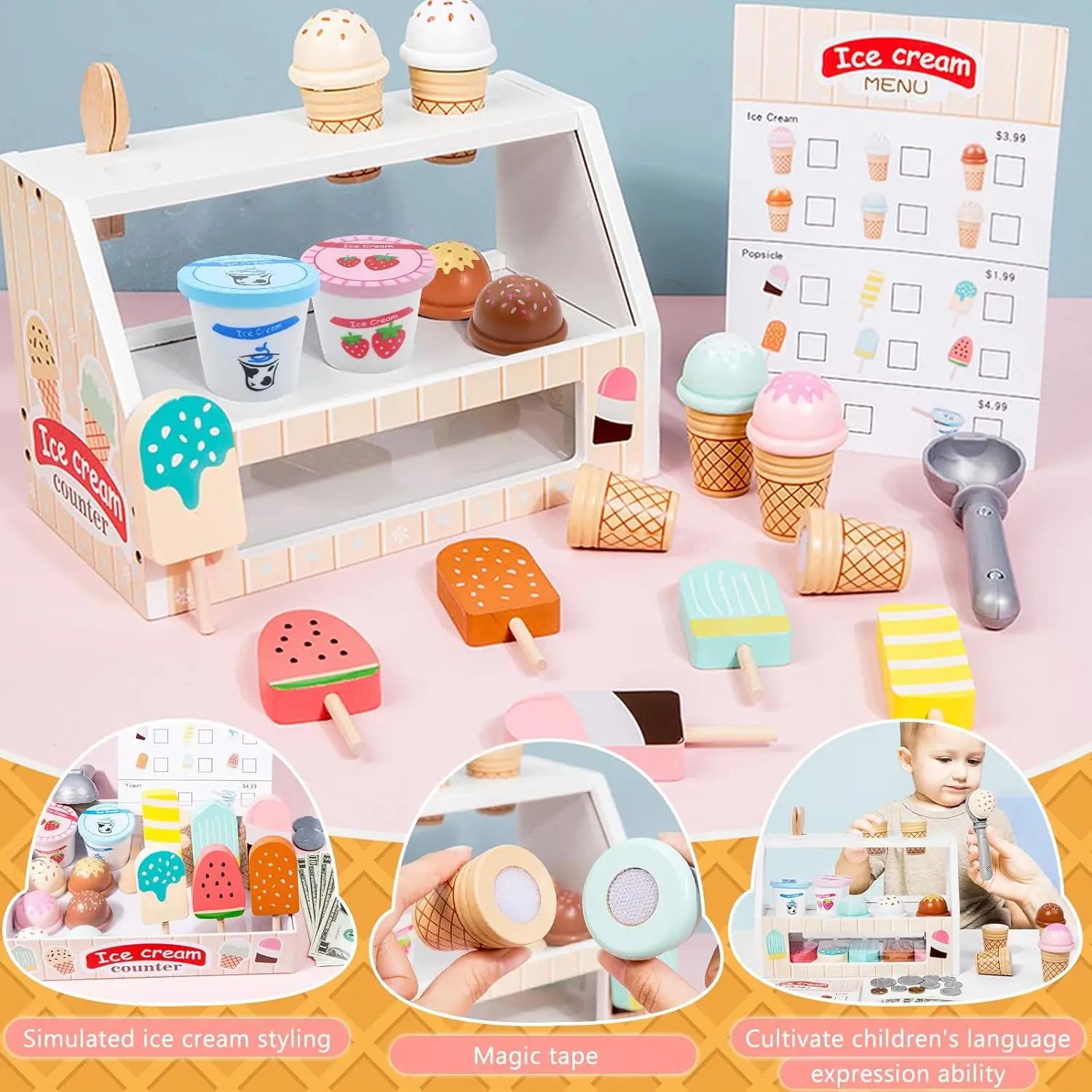
Top pretend play toys that inspire creativity and learning. See them in action.
Why Imaginative Play Matters for Child Development
Imaginative play is one of the most effective ways young children learn. Through pretend scenarios, they experiment with ideas, imitate everyday experiences, and practice important life skills in a safe, enjoyable environment. Educational experts consistently recognize role-play as an essential part of early childhood development because it combines creativity with active learning.
Unlike toys with only one fixed outcome, open-ended pretend play encourages children to make decisions, communicate with others, and adapt their ideas as their stories evolve. This type of play naturally supports multiple developmental areas at once, making it one of the best educational activities for toddlers and preschoolers.
Regular imaginative play helps strengthen:
- Language development through conversations, storytelling, and new vocabulary.
- Social and emotional skills such as empathy, cooperation, and emotional expression.
- Creative thinking by encouraging children to invent characters, solve problems, and explore different perspectives.
- Executive functioning skills including planning, memory, attention, and flexible thinking.
- Confidence and independence as children make decisions and direct their own play experiences.
When selecting educational toys, look for products that encourage repeated open-ended play instead of relying on lights, sounds, or scripted activities. These toys often continue challenging children as they grow, providing greater long-term learning value.
Pairing pretend play with resources from Baby Growth & Learning can further support age-appropriate developmental milestones while helping parents introduce new play ideas at home.
Side-by-Side Comparison of Top Pretend Play Toys
| Toy Type | Best For | Learning Skills | Age Range | Strengths | Potential Drawbacks |
|---|---|---|---|---|---|
| Play Kitchen | Everyday life role-play | Communication, life skills, cooperation | 2–6 yrs | Encourages routines, teamwork, and imaginative cooking scenarios | Requires more floor space than smaller toys |
| Doctor Kit | Empathy and emotional learning | Social-emotional development, language, confidence | 3–7 yrs | Helps children understand healthcare while reducing fear of doctor visits | May offer fewer play themes without additional accessories |
| Dollhouse | Storytelling and creative play | Narrative building, communication, problem solving | 3–8 yrs | Supports endless imaginative scenarios and character development | Some sets contain small pieces unsuitable for younger toddlers |
| Ice Cream Counter Set | Interactive pretend business play | Creativity, counting, communication, social skills | 2–6 yrs | Highly open-ended with excellent opportunities for cooperative role-play | Works best with enough room for children to move around |
Best Pretend Play Toys Reviewed
1. Ice Cream Counter Playset – Interactive & Social Fun
The ice cream counter playset for kids combines imaginative role-play with practical early learning. Children can alternate between customer and shop owner, invent menus, handle pretend payments, and create unique stories every time they play. This flexibility makes it one of the strongest educational toys for imaginative play because there is no single "correct" way to use it.
- Encourages children to switch roles and practice communication.
- Introduces early counting, matching, and simple problem-solving skills.
- Supports cooperative play between siblings, parents, and friends.
- Provides screen-free entertainment that stays engaging as children's stories become more complex.
Recommended age: 2–6 years
Best for: Families looking for an open-ended educational toy that encourages creativity, confidence, and social interaction.
2. Play Kitchens – Everyday Imagination
Play kitchens remain one of the best educational toys for toddlers because they transform familiar daily routines into opportunities for learning. Preparing pretend meals, organizing utensils, and serving family members help children develop vocabulary, sequencing skills, and independence while encouraging collaborative play.
- Builds communication during role-play conversations.
- Develops fine motor coordination through hands-on activities.
- Introduces everyday routines and responsibility in a playful way.
Combine with items from Feeding Tools for a more realistic experience.
3. Dollhouses – Storytelling Worlds
Dollhouses encourage children to invent characters, solve everyday challenges, and create stories that evolve over weeks or even months. Rather than following scripted play patterns, children direct every interaction themselves, strengthening imagination while practicing emotional expression and communication.
- Excellent for independent or sibling play.
- Supports language development through storytelling.
- Encourages empathy by exploring different perspectives.
Recommended age: 3–8 years
4. Doctor Kits – Building Empathy Through Play
Doctor kits introduce healthcare concepts in a reassuring, playful environment. Children learn about caring for others while becoming more familiar with common medical tools, which can help reduce anxiety before real healthcare visits. They also encourage conversation, listening skills, and emotional understanding.
- Builds empathy through caring for patients.
- Encourages cooperative role-play with family and friends.
- Helps children become more comfortable with routine medical experiences.
Recommended age: 3–7 years
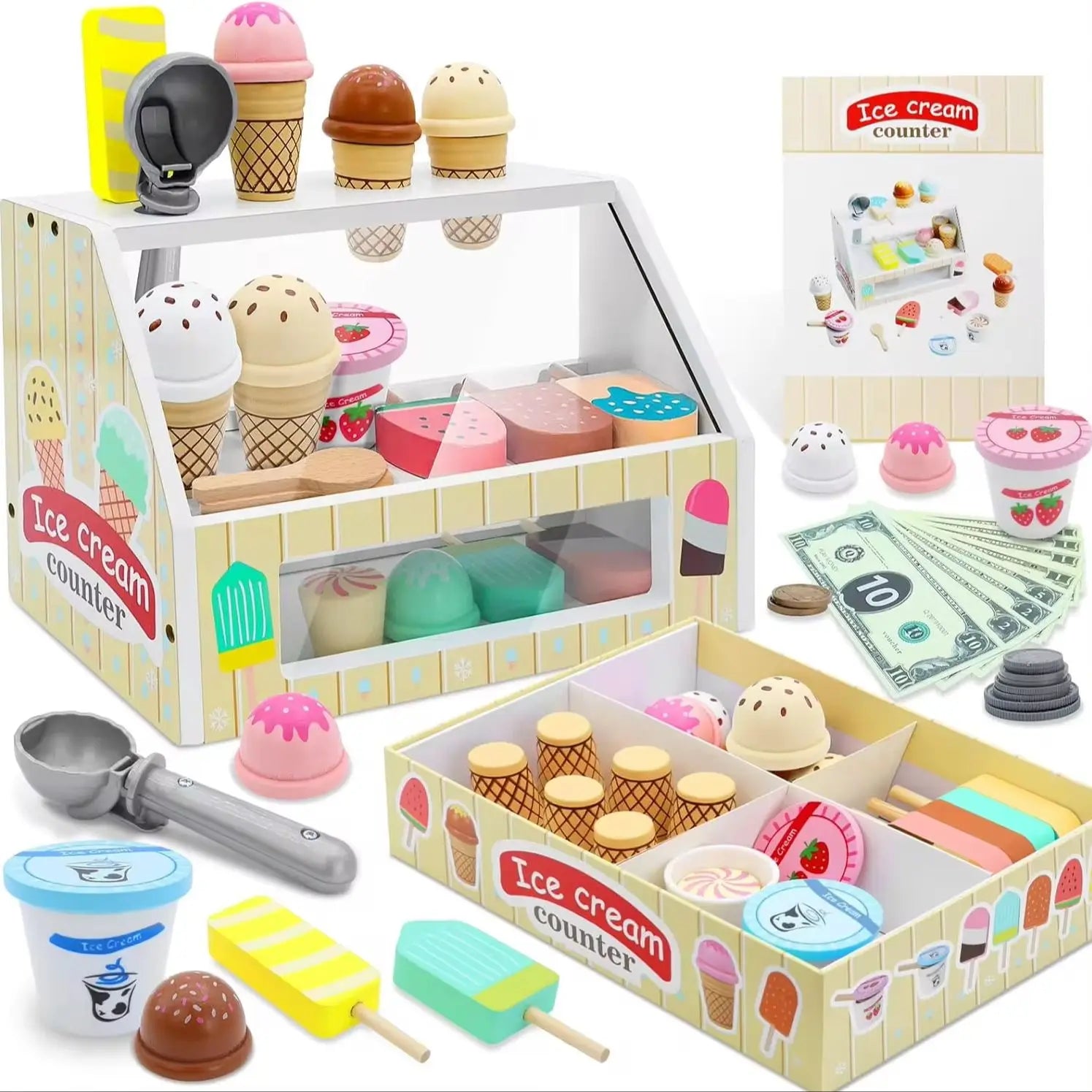
How to encourage imaginative play at home with the right toys. See it in action.
How to Choose Toys That Inspire Long-Term Learning
The most valuable educational toys continue challenging children as they grow. Instead of focusing on flashy features, look for toys that encourage children to think, imagine, communicate, and solve problems in different ways every time they play.
When comparing educational toys, prioritize products that offer:
- Open-ended play with multiple ways to create, build, or role-play.
- Age-appropriate challenges that grow with a child's abilities.
- Durable, non-toxic materials designed for frequent use.
- Screen-free experiences that encourage active participation rather than passive entertainment.
- Opportunities for independent play as well as cooperative family activities.
While electronic toys can be entertaining, those with fixed responses or repetitive button-pressing often provide fewer opportunities for creative thinking than toys that allow children to direct their own play experiences.
For children who enjoy exploring through touch, movement, and experimentation, collections such as Sensory Toys can complement pretend play by encouraging curiosity, fine motor development, and hands-on discovery.
How to Encourage Imaginative Play at Home
Creating an environment that supports imaginative play is often just as important as choosing the right toy. A few simple habits can help children stay engaged while developing creativity, communication, and problem-solving skills every day.
- Create an inviting play area. Set aside a comfortable space where children can leave imaginative projects unfinished and return to them later.
- Rotate toys regularly. Presenting fewer toys at one time keeps play areas organized and helps familiar toys feel exciting again.
- Follow your child's interests. Join role-play occasionally by asking open-ended questions rather than directing the story, allowing children to lead the adventure.
- Mix different toy categories. Combining pretend play sets with blocks, dolls, vehicles, costumes, or art supplies encourages richer storytelling and more creative problem-solving.
- Choose screen-free play whenever possible. Unstructured play gives children the freedom to invent ideas, collaborate with others, and develop confidence through exploration.
Creating a comfortable, organized environment also supports longer, more focused play sessions. Adding cozy elements from Sleep & Comfort can help create a welcoming space where children enjoy reading, building, and imaginative play throughout the day.
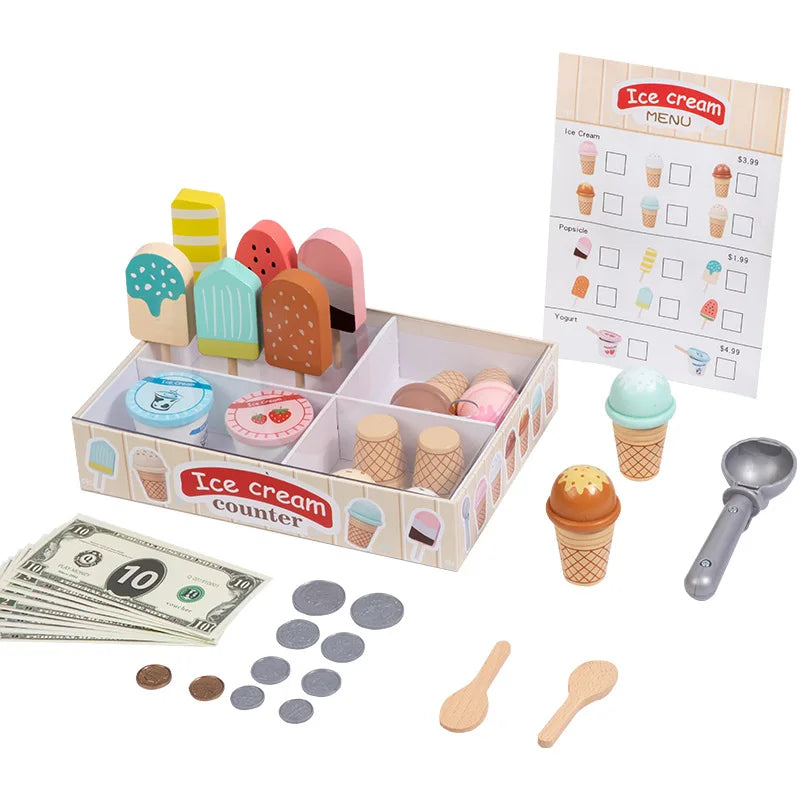
Creative role-play ideas that encourage imagination, communication, and everyday learning. See it in action.
Why Open-Ended Pretend Play Toys Deliver Better Long-Term Value
When comparing educational toys, the best choice is rarely the one with the most electronic features. Instead, toys that allow children to create their own stories, solve problems, and interact with others tend to remain engaging for years while supporting multiple areas of development.
The ice cream counter playset for kids is a strong example of an open-ended educational toy because children control every aspect of the experience. One day they may run a busy dessert shop, the next they may invent a café, birthday party, or neighborhood market. As their imagination grows, the same toy continues offering new learning opportunities.
Features that contribute to lasting educational value include:
- Encourages creative storytelling and imaginative role-play.
- Builds communication and cooperation during shared play.
- Introduces early math concepts through counting, sorting, and pretend transactions.
- Supports problem-solving by allowing children to create and adapt their own scenarios.
- Provides screen-free entertainment that develops alongside a child's interests.
Many parents find that toys with multiple ways to play remain favorites because children naturally increase the complexity of their stories as they develop new language, social, and cognitive skills.
Frequently Asked Questions
What is the best educational toy for toddlers?
The best educational toy for toddlers encourages open-ended exploration, creativity, and age-appropriate skill development. Pretend play toys such as play kitchens, doctor kits, and interactive role-play sets help toddlers develop language, social skills, fine motor coordination, and confidence while making learning enjoyable.
Which educational toys help with early reading?
Toys that encourage storytelling, conversation, and imaginative role-play help build early literacy skills. Alphabet puzzles, picture books, magnetic letters, storytelling games, and pretend play sets all support vocabulary development, listening comprehension, and communication before formal reading begins.
What are the safest educational toys for kids?
Safe educational toys for kids should be made from non-toxic materials, have durable construction, and match the child's developmental stage. For younger children, avoid toys with small detachable parts that may present a choking hazard, and always follow the manufacturer's recommended age guidelines.
Are screen free educational toys worth buying?
Yes. Screen free educational toys encourage children to actively participate rather than passively watch. They promote creativity, problem-solving, communication, and social interaction while reducing dependence on digital entertainment. Many families find that open-ended toys remain engaging much longer than electronic alternatives.
How do I choose an educational toy by age?
Choose toys that match both your child's age and current developmental abilities. Toddlers benefit from simple pretend play, stacking, and sensory activities, while preschoolers are ready for more complex role-play, construction toys, early STEM activities, and cooperative games that encourage critical thinking and creativity.
What educational toys encourage imaginative play?
Play kitchens, dollhouses, doctor kits, building blocks, dress-up costumes, and interactive role-play sets all encourage imaginative play by allowing children to invent stories, solve problems, and practice real-world situations. The most effective toys have multiple ways to play rather than a single fixed outcome.
Can educational toys replace screen time?
Educational toys can be an excellent alternative to recreational screen time because they encourage active learning, independent thinking, and family interaction. While screens may still have a place in balanced learning, regular hands-on play supports healthy cognitive, social, and emotional development.
What makes a toy truly educational?
A truly educational toy encourages children to think, create, experiment, and solve problems independently. Rather than simply entertaining, it should support meaningful skill development, remain engaging as children grow, and offer opportunities for repeated open-ended play.
Related Articles:
- Early Childhood Development Toys: What Actually Helps
- Ice Cream Play Sets Compared: Which One Is Worth Buying
- Pretend Play for 4 Year Olds: Best Options Ranked
- Educational Toys for 2 Year Olds: Which Ones Work Best
- Top Pretend Play Toys Compared: Which Sparks Creativity
Pillar Articles:





