

Best Pretend Play Toys for Creative, Screen-Free Fun
Which top pretend play toys spark creativity the most?
Top pretend play toys like kitchen sets, role-play counters, and open-ended kits spark creativity by encouraging storytelling, problem-solving, and social interaction. The best options avoid rigid rules, letting kids invent scenarios freely—helping build imagination, language skills, and confidence through hands-on, screen-free exploration.
Top Pretend Play Toys Compared: Which Sparks Creativity
⏱ 8 min read — Looking for toys that truly engage your child beyond a few minutes of play? Many parents feel overwhelmed choosing toys that actually inspire creativity instead of passive play. This guide breaks down the top pretend play toys, compares what works (and what doesn’t), and helps you find options that turn everyday moments into imaginative adventures.
Explore options designed for creativity and screen-free fun below.
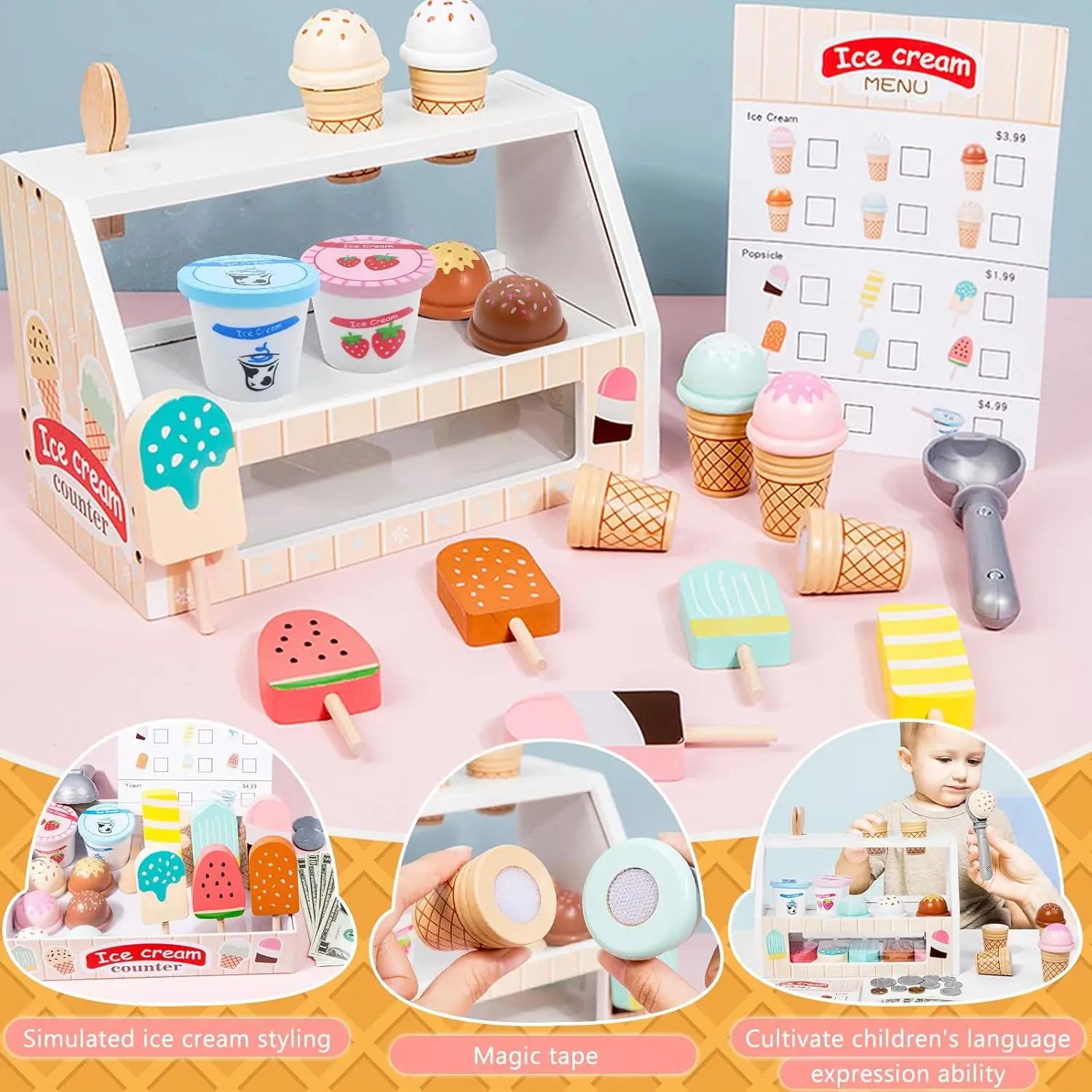
Top pretend play toys that boost imagination and learning See it in action
Why Pretend Play Builds Stronger Minds
Not all toys are created equal. Some entertain, but others actively shape how children think, communicate, and solve problems.
Pretend play is powerful because it:
- Encourages storytelling and creativity
- Builds social and emotional intelligence
- Strengthens language and communication skills
- Develops problem-solving abilities
Parents often notice the difference quickly—kids stay engaged longer and create new games daily instead of losing interest.
Quick question: Is your child leading the play—or just pressing buttons? That’s the key difference.
What Are the Top Pretend Play Toys for Creativity?
Top pretend play toys include interactive sets like play kitchens, role-play counters, and open-ended kits that allow children to create their own stories. These toys encourage imagination, collaboration, and hands-on learning—making them far more engaging than toys with fixed functions or limited interaction.
1. Ice Cream Counter Playset (Best for Social Play)
This type of toy stands out because it mimics real-world interaction. Kids take turns being customers and sellers, building both creativity and communication.
- Encourages role-playing and storytelling
- Supports early math and counting skills
- Promotes social interaction with siblings or parents
Try it here: Ice Cream Counter Playset for Kids
2. Play Kitchen Sets (Best for Everyday Imagination)
Kitchen sets allow children to imitate daily routines, making them feel capable and involved.
- Great for independent play
- Familiar scenarios boost confidence
- Encourages nurturing behavior
3. Doctor Kits (Best for Emotional Development)
Doctor kits help kids process fears and understand real-life experiences.
- Reduces anxiety about doctor visits
- Encourages empathy and care
- Builds communication skills
4. Open-Ended Building + Role Kits (Best for Creativity Freedom)
These combine construction with storytelling.
- No “right way” to play
- Encourages innovation
- Grows with your child
Side-by-Side Comparison: Which Toy Fits Best?
| Toy Type | Creativity Level | Social Play | Longevity | Best For |
|---|---|---|---|---|
| Ice Cream Counter | ⭐⭐⭐⭐⭐ | ⭐⭐⭐⭐⭐ | ⭐⭐⭐⭐ | Interactive storytelling |
| Play Kitchen | ⭐⭐⭐⭐ | ⭐⭐⭐⭐ | ⭐⭐⭐⭐ | Daily routine play |
| Doctor Kit | ⭐⭐⭐⭐ | ⭐⭐⭐⭐ | ⭐⭐⭐ | Emotional development |
| Open-Ended Kits | ⭐⭐⭐⭐⭐ | ⭐⭐⭐ | ⭐⭐⭐⭐⭐ | Creative independence |
Explore Baby Growth & Learning for more creativity-focused options.
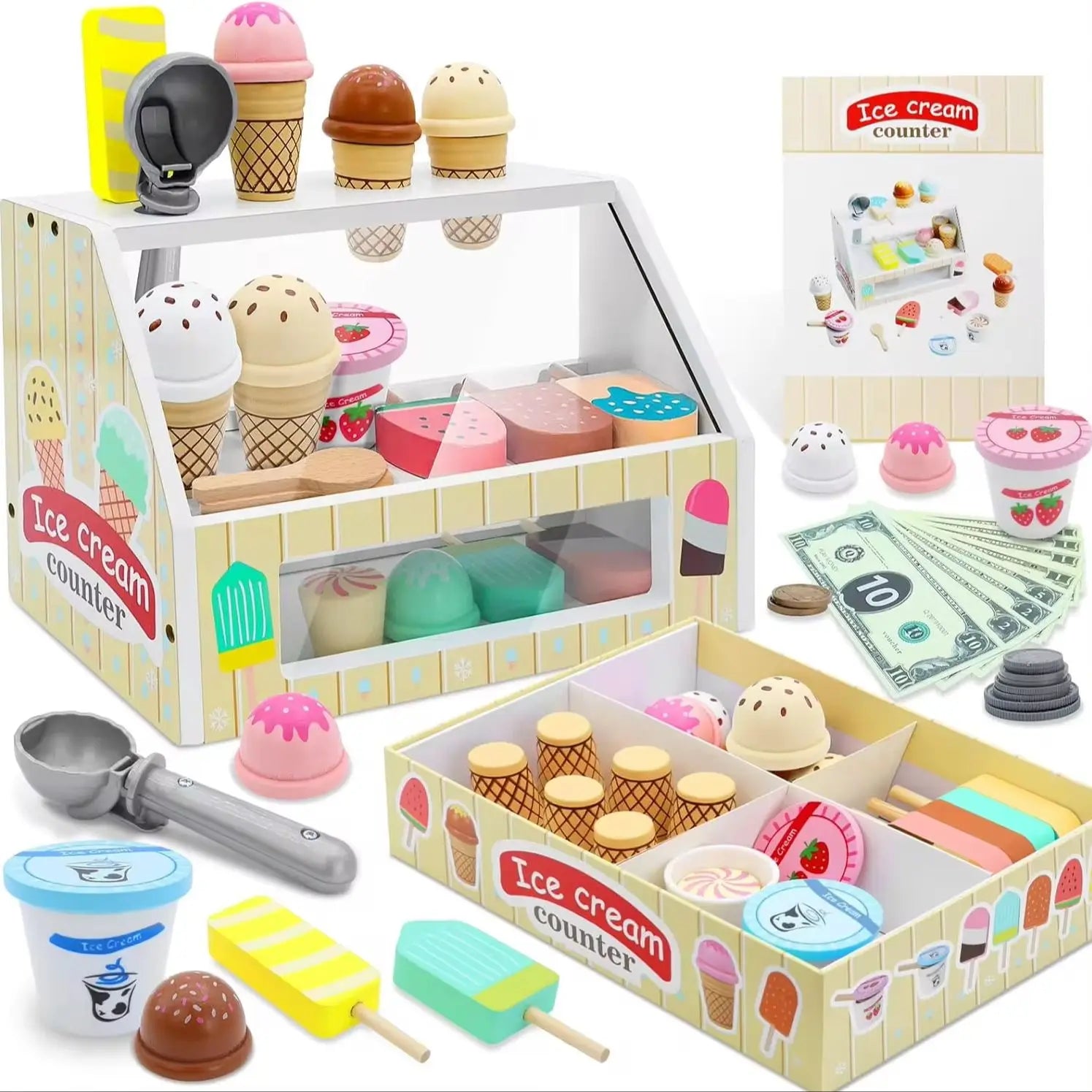
Comparing toys that encourage imaginative play vs passive toys See it in action
Toys That Don’t Encourage Imaginative Play
Some toys look appealing but actually limit creativity.
Watch out for:
- ❌ Toys with only one function
- ❌ Excessive lights and sounds
- ❌ Pre-programmed actions with no flexibility
- ❌ Overly structured play rules
These often lead to boredom quickly because kids aren’t creating—they’re just reacting.
Instead, choose toys that invite questions like “What happens next?”
How to Encourage Imaginative Play at Home
You don’t need dozens of toys—just the right approach.
- Create a simple play space with minimal distractions
- Rotate toys weekly to keep interest fresh
- Join in occasionally, then let your child lead
- Use everyday items as props (boxes, spoons, fabrics)
Parents often find that even one good pretend play toy can replace multiple unused ones.
Pairing toys with Sensory Toys can further enhance engagement and exploration.
Creative Role Play Ideas for Young Kids
Not sure how to get started? Try these simple scenarios:
- Ice cream shop with menus and pretend money
- Doctor visit with stuffed animals as patients
- Family dinner where your child “cooks”
- Grocery store with household items
These activities build confidence and communication naturally—without pressure.
Which Toy Fits Your Child Best?
If your child loves interaction and storytelling, a role-play set like an ice cream counter is a strong choice. For independent creativity, open-ended kits shine. The key is choosing toys that grow with your child—not ones they outgrow in weeks.
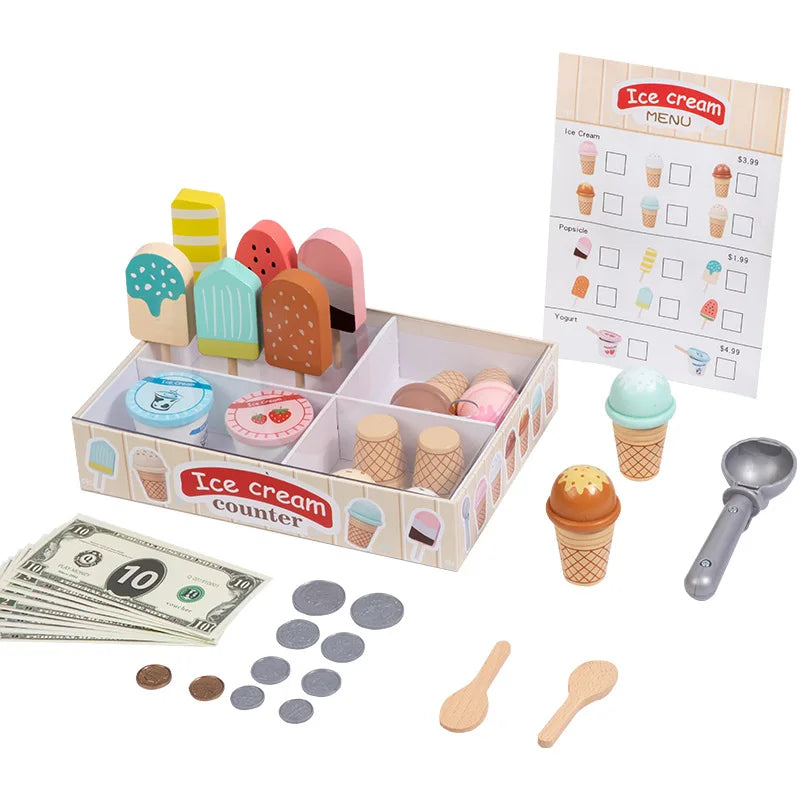
Screen free educational toys for toddlers that boost creativity See it in action
Get yours now — limited stock!
FAQs
What age is best for pretend play toys?
Most children start engaging in pretend play around 18–24 months, but it becomes more complex between ages 3–5 as language and social skills develop.
Are screen-free toys better for development?
Yes. Screen-free toys encourage active thinking, creativity, and interaction, while screens often promote passive engagement.
How many pretend play toys does a child need?
Fewer is better. A small selection of versatile toys encourages deeper, more creative play than a large number of single-purpose toys.
What makes a toy truly “educational”?
An educational toy supports skills like problem-solving, communication, and creativity—not just memorization or passive entertainment.
Can pretend play improve behavior?
Yes. It helps children process emotions, practice social situations, and build empathy, often leading to better communication and fewer frustrations.
Pillar Article: Best Educational Toy Compared: Top Picks Worth It
Other Related Articles:
- Early Childhood Development Toys: What Actually Helps
- Ice Cream Play Sets Compared: Which One Is Worth Buying
- Pretend Play for 4 Year Olds: Best Options Ranked
- Educational Toys for 2 Year Olds: Which Ones Work Best
Explore More:
UPGRADE PLAN { "outline": [ { "action": "MODIFY", "h2": "Which Are the Best Pretend Play Toys in 2026?", "h3": [], "focus": [ "Answer the primary query immediately", "Highlight editor's top picks", "Summarize selection criteria", "Link to detailed reviews below" ], "keywords": [ "best pretend play toys", "top pretend play toys", "best toys for pretend play" ] }, { "action": "ADD", "h2": "Quick Comparison Table: Best Pretend Play Toys", "h3": [], "focus": [ "Age range", "Play theme", "Material", "Best for", "Price/value" ], "keywords": [ "best pretend play toys", "pretend play brands" ] }, { "action": "MODIFY", "h2": "Why Pretend Play Matters for Child Development", "h3": [], "focus": [ "Language development", "Creativity and imagination", "Social-emotional learning", "Fine motor and executive function" ], "keywords": [ "what are pretend play toys", "imaginative play toys" ] }, { "action": "ADD", "h2": "How We Chose and Evaluated These Pretend Play Toys", "h3": [], "focus": [ "Safety", "Durability", "Educational value", "Long-term play value" ], "keywords": [ "best pretend play toys" ] }, { "action": "MODIFY", "h2": "Best Pretend Play Toys by Category", "h3": [ "Best Play Kitchen Set", "Best Ice Cream Shop", "Best Doctor Kit", "Best Tool Bench", "Best Grocery Store", "Best Cash Register", "Best Cleaning Set", "Best Dress-Up Set", "Best Puppet Theater", "Best Wooden Pretend Play Set", "Best Montessori Pretend Play Toy", "Best Small Space Pretend Play Toy" ], "focus": [ "Pros and cons", "Recommended ages", "Key features", "Developmental benefits" ], "keywords": [ "best pretend play toys", "top pretend play toys", "best pretend play sets for encouraging creativity in children" ] }, { "action": "ADD", "h2": "Best Pretend Play Toys by Age", "h3": [ "Ages 2–3", "Ages 3–5", "Ages 5–7" ], "focus": [ "Age-appropriate skills", "Difficulty level", "Safety", "Play recommendations" ], "keywords": [ "ideas for pretend play toys for baby and kids", "best toys for pretend play" ] }, { "action": "MODIFY", "h2": "Side-by-Side Comparison: Which Pretend Play Toy Fits Best?", "h3": [], "focus": [ "Materials", "Storage", "Multiple children", "Learning outcomes" ], "keywords": [ "best pretend play toys" ] }, { "action": "ADD", "h2": "How to Choose the Best Pretend Play Toys", "h3": [], "focus": [ "Materials and durability", "Safety certifications", "Storage needs", "Educational value" ], "keywords": [ "what toys spark pretend play at home", "pretend play brands" ] }, { "action": "MODIFY", "h2": "Pretend Play Toys to Avoid", "h3": [], "focus": [ "Limited replay value", "Poor durability", "Safety concerns", "Overly restrictive designs" ], "keywords": [ "best toys for pretend play" ] }, { "action": "MODIFY", "h2": "How to Encourage Pretend Play at Home", "h3": [], "focus": [ "Open-ended prompts", "Rotate toys", "Create themed spaces", "Parent participation" ], "keywords": [ "what toys spark pretend play at home" ] }, { "action": "MODIFY", "h2": "Creative Role Play Ideas for Young Kids", "h3": [], "focus": [ "Everyday scenarios", "Storytelling", "Group play", "Learning extensions" ], "keywords": [ "creative role play ideas for young kids" ] }, { "action": "MODIFY", "h2": "Which Pretend Play Toy Is Right for Your Child?", "h3": [], "focus": [ "Decision guide", "Age", "Budget", "Interests" ], "keywords": [ "best pretend play toys" ] }, { "action": "MODIFY", "h2": "Frequently Asked Questions", "h3": [ "What are pretend play toys?", "What age is best for pretend play toys?", "Which pretend play toys last the longest?", "Are wooden pretend play toys better than plastic?", "How do pretend play toys support creativity?", "How many pretend play toys does a child need?", "Are screen-free pretend play toys better?", "Which pretend play brands are most durable?" ], "focus": [ "Buying concerns", "Safety", "Educational value", "Age suitability" ], "keywords": [ "what are pretend play toys", "creative play brands", "pretend play brands" ] } ], "internal_links": [ "best educational toys for preschoolers", "early childhood toys", "fine motor skill development toys", "stem bath play activities", "montessori schools vs traditional schools", "times tables memory game" ], "faq": [ "What are pretend play toys?", "Which are the best pretend play toys for toddlers?", "What toys spark pretend play at home?", "Are wooden pretend play toys safer?", "How do pretend play toys improve language development?", "Which pretend play brands offer the best durability?", "What pretend play toy is best for small spaces?", "How can parents encourage imaginative play every day?" ], "trim": [ "Merge 'Which top pretend play toys spark creativity the most?' into a concise featured answer.", "Replace the 4-product list with 12-20 category recommendations.", "Reduce repetitive creativity discussion between development and home play sections.", "Condense the final decision section into a practical buyer summary." ] } Approved linked products: - Ice Cream Counter Playset for Kids (/products/ice-cream-counter-playset-for-kids) - Get yours now — limited stock! (/products/ice-cream-counter-playset-for-kids) Product Rules - Keep all approved products. - Only approved products may contain affiliate links. - You may add real competitor products when useful. - Competitor products must not contain links unless already present. - Only create comparison tables when they genuinely improve the article. RULES - Apply every instruction in the Upgrade Plan. - Keep all existing affiliate links unchanged. - Keep all existing internal links unchanged. - Keep all existing image URLs unchanged. - Preserve sections such as Related Articles, Related Posts and Recommended Reading. - Avoid duplicate headings. - Insert new sections only where specified. - Improve clarity, topical coverage, EEAT and readability. - Expand weak sections only when required. - Use natural keyword placement. - Keep semantic HTML clean. YEAR UPDATE If visible article text contains "2005", replace it with "2026". Do not modify years inside: - URLs - href attributes - image filenames OUTPUT REQUIREMENTS Return ONLY the final upgraded HTML article. The output must be valid HTML and ready to publish. Do NOT return: - Markdown - Explanations - Notes - Code fences - JSON - XML Return the HTML beginning with the first HTML element and ending with the last HTML element.





