

Best Preschool Educational Toys for Ages 3–5 (2026)
What are the best preschool educational toys for building early learning skills?
The best preschool educational toys help children ages 3 to 5 develop essential skills through hands-on exploration, open-ended play, and age-appropriate challenges. Whether your child is learning numbers, recognizing letters, improving fine-motor coordination, or solving simple problems, well-designed educational toys transform everyday play into meaningful learning experiences while keeping children engaged and curious.
Best Preschool Educational Toys: Which Ones Work Best for Ages 3–5?
Choosing educational toys can feel overwhelming when every product promises to boost learning. In reality, the best preschool educational toys are those that match your child's developmental stage, encourage repeated independent play, and support practical skills such as early math, language development, creativity, problem-solving, and fine-motor coordination. Whether you're shopping for a curious 3-year-old, an active 4-year-old, or a preschooler preparing for kindergarten, selecting toys with clear educational value helps make playtime both enjoyable and productive.
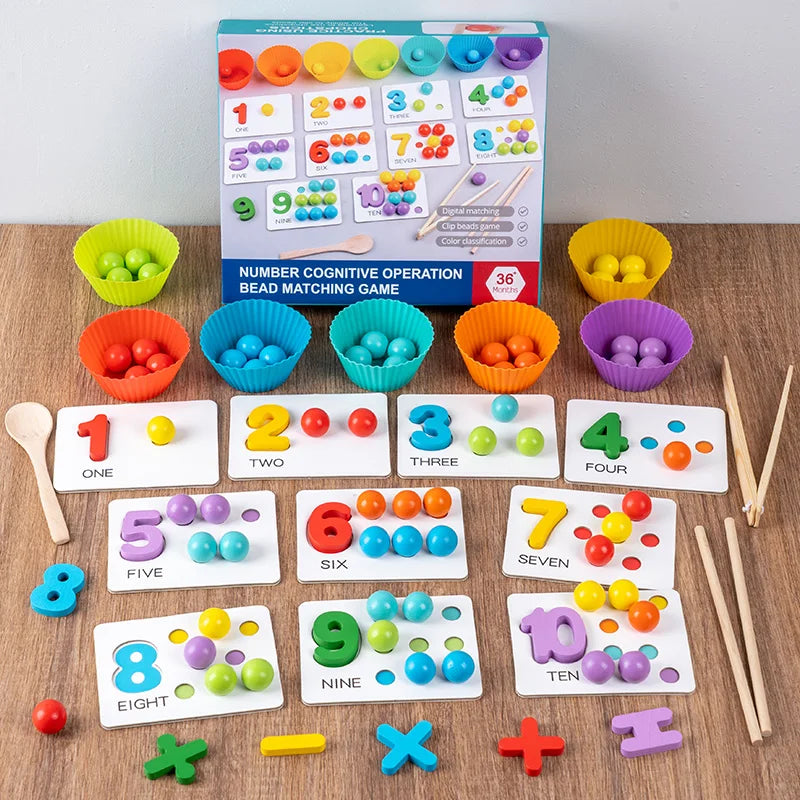
See it in action - educational toys for 4 year olds / best educational toys for early math skills, educational math toys ages three to six, wooden math learning toys for preschoolers, toddlers struggle learning numbers at home
Explore playful learning tools designed to support early math, creativity, and everyday preschool development through engaging hands-on play.
Why Educational Toys Matter in the Preschool Years
During the preschool years, children experience rapid growth in thinking, communication, coordination, and social development. The best preschool educational toys provide opportunities to practice these emerging skills through active, hands-on play instead of passive observation. Rather than focusing on a single subject, high-quality learning toys encourage children to explore concepts at their own pace while building confidence through repetition and discovery.
Building Early Math and Cognitive Skills
Preschoolers begin recognizing numbers, comparing quantities, identifying patterns, and solving simple problems long before formal schooling begins. Manipulatives such as counting blocks, sorting games, and number puzzles help children connect abstract ideas with real objects, making early math concepts easier to understand.
Supporting Language and Communication
Many educational toys also encourage vocabulary development, storytelling, listening, and conversation. Alphabet puzzles, matching games, pretend-play sets, and interactive books help children strengthen communication skills while naturally expanding their understanding of the world around them.
Strengthening Fine-Motor and Problem-Solving Skills
Activities that involve stacking, fitting pieces together, threading, or arranging shapes improve hand-eye coordination, finger strength, and spatial awareness. At the same time, children learn to experiment, make decisions, and solve simple challenges independently.
Encouraging Independent and Social Play
Open-ended educational toys can support both solo exploration and cooperative play. Whether children are building together, taking turns in a matching game, or inventing imaginative stories, these experiences promote creativity, patience, communication, and collaborative problem-solving.
- Supports age-appropriate cognitive development across multiple learning areas
- Encourages hands-on exploration instead of passive screen time
- Develops fine-motor coordination alongside thinking skills
- Promotes creativity, communication, and independent learning
- Provides lasting value through open-ended, repeatable play
Understand what makes a toy genuinely educational by focusing on developmental value, safety, and long-term play potential rather than flashy features alone.
Best Preschool Educational Toys by Developmental Skill
The best preschool educational toys are those that match a child's current developmental stage while encouraging repeated, open-ended play. Rather than choosing toys based solely on age, consider the specific skills your child is ready to develop. This approach helps you select toys that remain engaging as children grow from ages 3 to 5.
Best for Early Math and Number Skills
Counting manipulatives, number puzzles, sorting games, and pattern-building activities help children understand quantities, sequencing, and simple addition concepts through hands-on exploration.
- Counting blocks and stacking toys
- Number matching puzzles
- Sorting and classification sets
- Wooden counting boards and manipulatives
Best for Language and Pre-Reading Skills
Letter puzzles, storytelling cards, alphabet games, and phonics activities encourage vocabulary growth, listening skills, and early literacy while keeping learning playful.
Best for Fine-Motor Skills
Lacing beads, peg boards, threading activities, construction toys, and shape sorters strengthen hand muscles, coordination, and precision needed for future writing skills.
Best for STEM and Problem-Solving
Building sets, simple engineering kits, magnetic construction toys, and logic puzzles encourage experimentation, spatial reasoning, and critical thinking through trial and error.
Best for Creativity and Imaginative Play
Pretend-play kitchens, art supplies, role-play sets, and open-ended building toys help preschoolers express ideas, practice communication, and develop creativity.
Best for Social-Emotional Skills
Cooperative board games, pretend-play toys, and role-playing activities teach sharing, turn-taking, empathy, and teamwork during everyday play.
Best for Gross-Motor Development
Balance toys, stepping stones, activity tunnels, and movement games support coordination, balance, body awareness, and active play both indoors and outdoors.
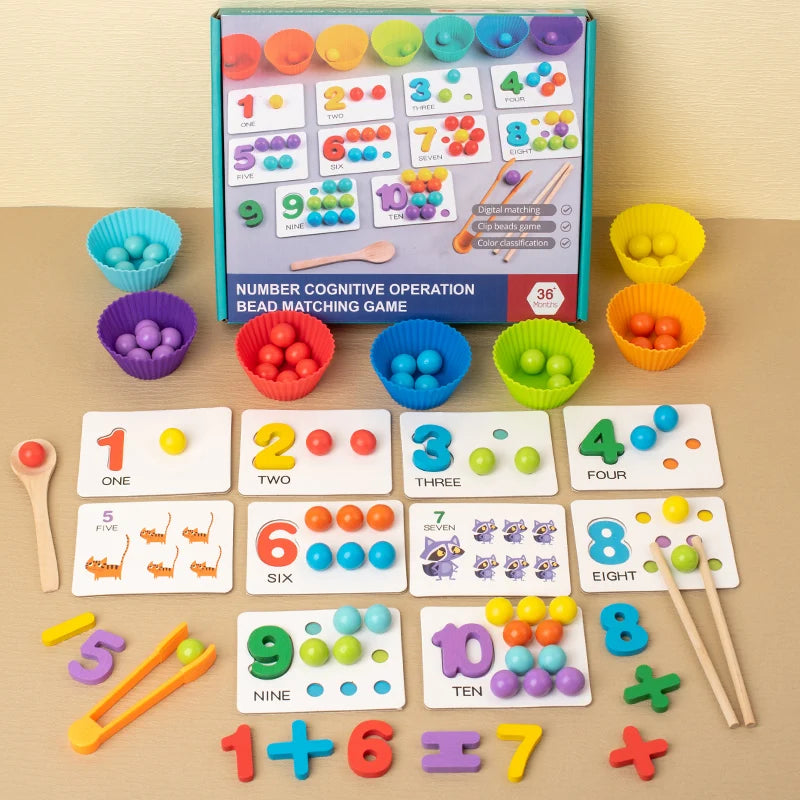
See it in action - educational toys for 4 year olds / best educational toys for early math skills, educational math toys ages three to six, wooden math learning toys for preschoolers, toddlers struggle learning numbers at home
Best Preschool Educational Toys for Ages 3, 4, and 5
Best Toys for 3-Year-Olds
Three-year-olds benefit from simple, hands-on toys that build basic matching, sorting, counting, and fine-motor skills without overwhelming them with complex rules.
Best Toys for 4-Year-Olds
At age four, many children are ready for educational toys that combine counting, pattern recognition, simple problem-solving, and imaginative play. A balanced mix of academic and creative activities supports well-rounded development.
Recommended option: children math teaching aids Montessori wooden set
This Montessori-inspired wooden set combines number recognition, counting practice, and tactile learning in a durable format suitable for repeated independent play. It works especially well for preschoolers who learn best through manipulating physical objects rather than relying solely on digital activities.
Best Toys for 5-Year-Olds
As children prepare for kindergarten, look for toys that introduce more challenging sequencing, simple arithmetic, logic games, STEM activities, and cooperative play while still encouraging creativity.
| Age | Recommended Toy Types | Primary Learning Focus |
|---|---|---|
| 3 years | Sorting toys, shape puzzles, stacking blocks | Fine-motor skills, matching, basic concepts |
| 4 years | Counting toys, wooden learning sets, simple puzzles | Early math, problem-solving, independent play |
| 5 years | STEM building toys, logic games, advanced puzzles | Critical thinking, school readiness, creativity |
Support your child's early learning with hands-on Montessori-inspired educational toys designed for years of engaging, open-ended play.
How to Choose the Best Preschool Educational Toys
Selecting the right educational toy is easier when you focus on your child's developmental needs rather than marketing claims. The most valuable preschool education toys encourage active participation, remain engaging over time, and support multiple areas of learning instead of teaching a single isolated skill.
Match the Toy to a Specific Learning Goal
Start by identifying the skill you want to encourage, such as early math, language development, fine-motor coordination, creativity, or problem-solving. Choosing toys with a clear educational purpose helps create more meaningful play experiences.
Check Age and Skill Level
Follow the manufacturer's recommended age range, but also consider your child's current abilities and interests. A toy that offers an appropriate level of challenge is more likely to keep preschoolers engaged without causing frustration.
Prioritize Open-Ended Play
Toys that can be used in multiple ways often provide greater long-term value than single-purpose activities. Building sets, sorting materials, pretend-play toys, and manipulatives encourage creativity while adapting to a child's changing abilities.
Evaluate Safety and Durability
Choose educational toys made from durable, child-safe materials with smooth finishes and sturdy construction. Check for age-appropriate designs, avoid small detachable parts for younger preschoolers, and look for products that can withstand frequent daily use.
Balance Learning Value With Engagement
The best preschool learning toys make children want to return to them repeatedly. Look for products that combine educational objectives with enjoyable play, allowing learning to happen naturally through exploration rather than repetitive instruction.
- Choose toys that support one or more specific developmental skills.
- Prioritize open-ended activities with multiple ways to play.
- Select age-appropriate toys that can grow with your child.
- Look for durable, easy-to-clean, child-safe materials.
- Balance educational value with genuine play appeal.
Best Preschool Toys for Different Play Settings
Best for Independent Play
Building blocks, sorting activities, simple puzzles, and open-ended construction toys allow preschoolers to explore independently while strengthening concentration, confidence, and problem-solving skills.
Best for Parent-Child Learning
Counting games, alphabet activities, matching cards, and cooperative puzzles create opportunities for guided learning while encouraging conversation, turn-taking, and positive interaction.
Best for Preschool Classroom Use
Educational toys designed for group settings should be durable, easy to organize, and flexible enough for children with different skill levels. Construction toys, manipulatives, dramatic play sets, and collaborative games work well in classroom environments.
Best for Travel and Quiet Play
Compact magnetic puzzles, reusable activity books, travel-sized matching games, and small manipulatives help keep preschoolers engaged during car rides, flights, waiting rooms, or quiet time without requiring large play areas.

See it in action - educational toys for 4 year olds / best educational toys for early math skills, educational math toys ages three to six, wooden math learning toys for preschoolers, toddlers struggle learning numbers at home
Preschool Educational Toy Safety and Maintenance Checklist
Age Labels and Choking Hazards
Always choose preschool educational toys that match the manufacturer's recommended age range. Children under five may still mouth small objects, so inspect toys regularly for loose pieces and avoid products with detachable parts that could present a choking hazard.
Materials and Construction
Look for toys made from durable, child-safe materials with smooth edges, non-toxic finishes, and sturdy construction. Well-built wooden, silicone, or high-quality plastic toys generally withstand years of repeated play while maintaining their educational value.
Cleaning and Storage
Clean educational toys according to the manufacturer's instructions, especially items that are handled daily or shared among siblings. Store pieces in labeled containers or bags to keep complete sets together and make independent cleanup easier for preschoolers.
When to Replace a Toy
Replace toys if they become cracked, broken, develop sharp edges, or have missing parts that affect safe play. Rotating educational toys every few weeks can also help maintain interest without continually purchasing new products.
Frequently Asked Questions
What are the best preschool educational toys for ages 3–5?
The best preschool educational toys encourage hands-on learning across multiple developmental areas, including early math, language, fine-motor coordination, creativity, and problem-solving. Open-ended toys such as building sets, sorting games, puzzles, pretend-play materials, and Montessori-inspired manipulatives offer long-term educational value.
What are the best educational toys for 4-year-olds?
Four-year-olds typically benefit from educational toys that combine counting, matching, early literacy, imaginative play, and simple STEM challenges. Toys that encourage independent exploration while remaining enjoyable through repeated play are often the most effective choices.
Which preschool toys are best for early math?
Counting blocks, number puzzles, sorting games, pattern-building activities, abacuses, and Montessori-style math manipulatives help children explore quantities, sequencing, and number recognition through hands-on experiences.
Which toys help preschoolers develop language and fine-motor skills?
Alphabet puzzles, storytelling games, pretend-play sets, lacing beads, peg boards, threading activities, and construction toys support vocabulary development while strengthening hand-eye coordination and finger control.
Are wooden educational toys better than digital learning apps?
Each serves a different purpose. Wooden educational toys encourage tactile exploration, creativity, and open-ended play, while digital learning apps can provide interactive practice for specific concepts. Many families benefit from using both in moderation rather than relying exclusively on one format.
How do I choose a safe educational toy for a preschooler?
Select toys that match your child's age and developmental stage, use durable non-toxic materials, have sturdy construction without small detachable parts, and provide opportunities for repeated, open-ended learning rather than short-term entertainment.
Discover educational toys that support early math, language, creativity, and problem-solving through engaging, age-appropriate play.
Related Articles:
- Number recognition games for preschoolers: Top games compared
- Preschool math manipulatives: Best sets compared for learning
- Benefits of hands on learning: What works better for kids?
- Advantages of Montessori education vs traditional preschool methods
- Educational toys for 4 year olds: Which works best?
Pillar Articles:





