

Hands On Math Activities Kindergarten Kids Love
Does hands on math activities for kindergarten really improve learning?
Hands on math activities for kindergarten help children understand numbers faster by turning abstract ideas into real objects they can touch and move. Research consistently shows that children using manipulatives develop stronger number sense, improved problem-solving skills, and better long-term retention compared to worksheet-only learning.
Hands on math activities for kindergarten: Easy daily routine guide
Struggling to keep your child focused on numbers? Many parents worry about short attention spans, confusing worksheets, and early math gaps. This guide shows how simple, hands-on learning routines can turn frustration into confidence—helping your child enjoy math while building real understanding.
⏱ 7 min read
Interactive math tools can transform daily learning into engaging, meaningful play. Whether using early learning math manipulatives wooden sets or simple household objects, children learn best when they can see, touch, and explore numbers in action.
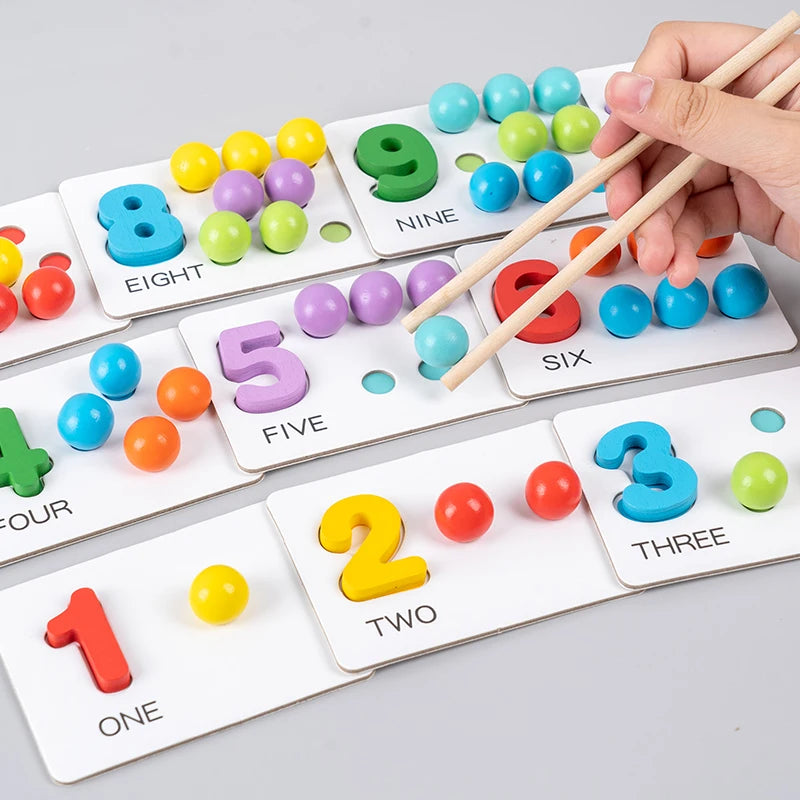
See it in action - hands on math activities for kindergarten / teach addition subtraction using manipulatives, lack of hands on math learning tools, kindergarten readiness math skill delays concern, preschool math teaching aids for home use
Discover the easiest way to make math fun at home
What are hands on math activities for kindergarten and why do they work?
Hands on math activities kindergarten involve using physical objects—called manipulatives—to explore numbers, patterns, and problem-solving. Instead of memorizing, children learn by doing.
How manipulatives build number sense
Manipulatives help children move from concrete to abstract thinking. When kids physically group, count, and move objects, they begin to understand what numbers actually represent.
Skills children develop through daily practice
- Number recognition and counting accuracy
- Understanding “more,” “less,” and equality
- Problem-solving and logical thinking
- Fine motor skills and focus
These are essential kindergarten readiness math activities that support long-term success.
Materials you need before getting started
Low-cost household manipulatives
- Blocks, beads, or buttons
- Snack items (grapes, crackers)
- Cups, bowls, or containers
- Paper and markers for number labels
Classroom and home setup tips
- Keep materials organized in small bins
- Limit choices to avoid overwhelm
- Use a consistent learning space
- Ensure all items are safe and age-appropriate
Structured setups like Sensory Toys can improve engagement and attention during learning time.
How to teach kindergarten math with hands on activities: daily routine
Warm-up counting (3 minutes)
Count everyday objects like toys or snacks to build familiarity and confidence.
Main activity (7 minutes)
Use manipulatives to solve simple math problems, focusing on understanding rather than speed.
Review and assessment (3–5 minutes)
Ask your child to explain what they did. Verbalizing strengthens understanding and memory.
- Warm-up: Count objects
- Core activity: Solve simple problems
- Game time: Add playful challenges
- Review: Reflect and explain
Learn step-by-step how to make math easier today
Hands on counting activities for kindergarten
Counting collections
Give children mixed objects and ask them to count and group them.
Ten frames
Use grids to visually represent numbers and build early addition skills.
Number matching
Match written numbers with groups of objects.
Counting jars
Fill jars with objects and estimate, then count to check.
These activities strengthen one-to-one correspondence and number recognition.
Kindergarten math activities with manipulatives for addition and subtraction
Building addition stories
Use objects to tell simple math stories like “3 apples plus 2 apples.”
Taking away objects
Physically remove items to demonstrate subtraction.
Number bonds
Show how numbers break into parts (e.g., 5 = 2 + 3).
Example: Start with 5 blocks. Add 2, then remove 3. This builds understanding of operations naturally.
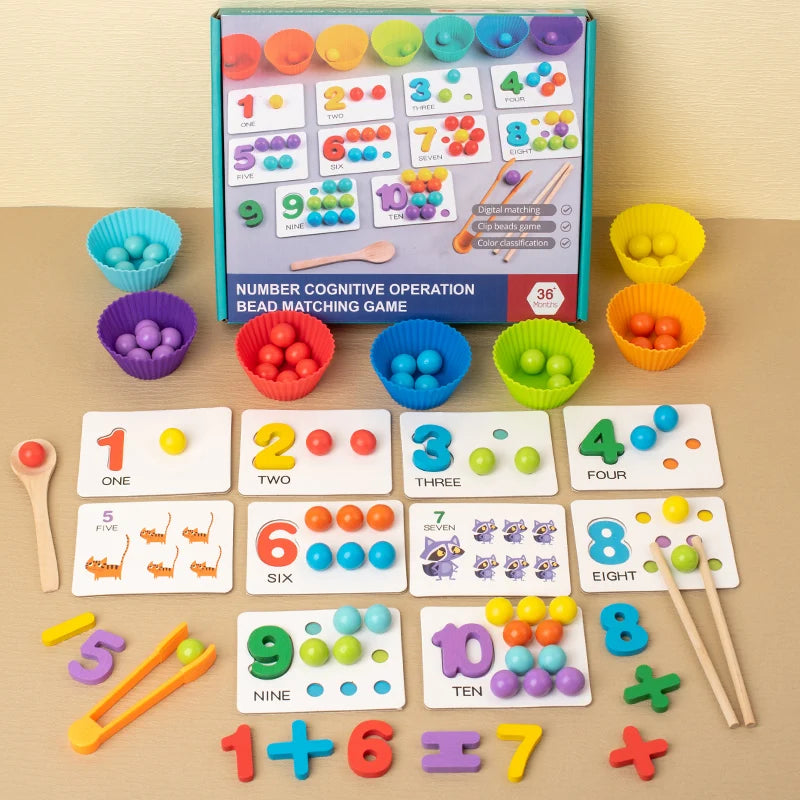
See it in action - hands on math activities for kindergarten / teach addition subtraction using manipulatives, lack of hands on math learning tools, kindergarten readiness math skill delays concern, preschool math teaching aids for home use
More hands-on activities by math skill
Patterns
Create repeating sequences using colors or shapes.
Shapes
Sort objects by shape and build simple designs.
Measurement
Compare lengths using everyday items.
Sorting and graphing
Group objects and create simple visual charts.
Explore more ideas in Baby Growth & Learning .
Differentiate activities for every learner
Beginning learners
- Focus on counting and recognition
- Use fewer objects
Advanced learners
- Introduce simple word problems
- Encourage independent problem-solving
Small groups and centers
- Rotate activities to maintain engagement
- Adjust difficulty for each child
Assess learning without worksheets
Observation checklist
Track skills like counting accuracy and problem-solving ability.
Quick math talks
Ask children to explain their thinking aloud.
Recording sheets
Use simple drawings instead of written answers.
This approach supports math readiness daily practice without pressure.
Hands-on vs screen-based learning: which supports math best?
Both methods have value, but hands-on learning builds deeper understanding.
- Hands-on: Stronger retention, real-world connection
- Screens: Convenient, but often passive
- Best approach: Use screens as support—not replacement
Physical interaction remains the foundation of effective early math learning.

See it in action - hands on math activities for kindergarten / teach addition subtraction using manipulatives, lack of hands on math learning tools, kindergarten readiness math skill delays concern, preschool math teaching aids for home use
FAQs
What are hands on math activities for kindergarten?
They are learning activities using physical objects to teach math concepts through interaction and play.
How do I teach kindergarten math with hands on activities?
Use a simple daily routine with counting, problem-solving, and review using manipulatives.
What manipulatives are best for kindergarten math?
Blocks, beads, counting toys, and everyday objects work well.
How do I teach addition and subtraction using manipulatives?
Add or remove physical objects while asking children to count and explain results.
How long should kindergarten math practice last each day?
10–15 minutes is ideal for maintaining focus.
How can I make kindergarten math fun at home?
Turn lessons into games and use real-life objects for learning.
What are the best kindergarten math centers?
Centers focused on counting, sorting, patterns, and simple operations are most effective.
Can preschool math teaching aids be used in kindergarten?
Yes, they are highly effective for reinforcing foundational skills.
Pillar Article: Preschool number recognition activities: Step-by-step guide for parents
Other Related Articles:
- What is hands on learning: How to apply it in preschool math
- Preschool manipulatives toys: How to use them step by step
- Interactive math tools: How to use them for fast learning at home
Explore More:
- Best learning toys for preschool: Features that actually matter
- Preschool education toys: Top picks compared for real results
Get yours now — limited stock!





