

Preschool Manipulatives Toys That Build Real Learning Skills
Preschool manipulatives toys: How to choose and use the best math learning tools
⏱ 8 min read — Choosing the right preschool manipulatives toys can make early math more engaging, whether you're teaching at home or in a preschool classroom. Hands-on learning helps children connect numbers with real objects, strengthening number sense, fine motor skills, and problem-solving through meaningful play.
This guide explains which preschool learning manipulatives work best for different learning goals, how to choose safe and durable options, and how to build a collection that grows with your child's abilities.
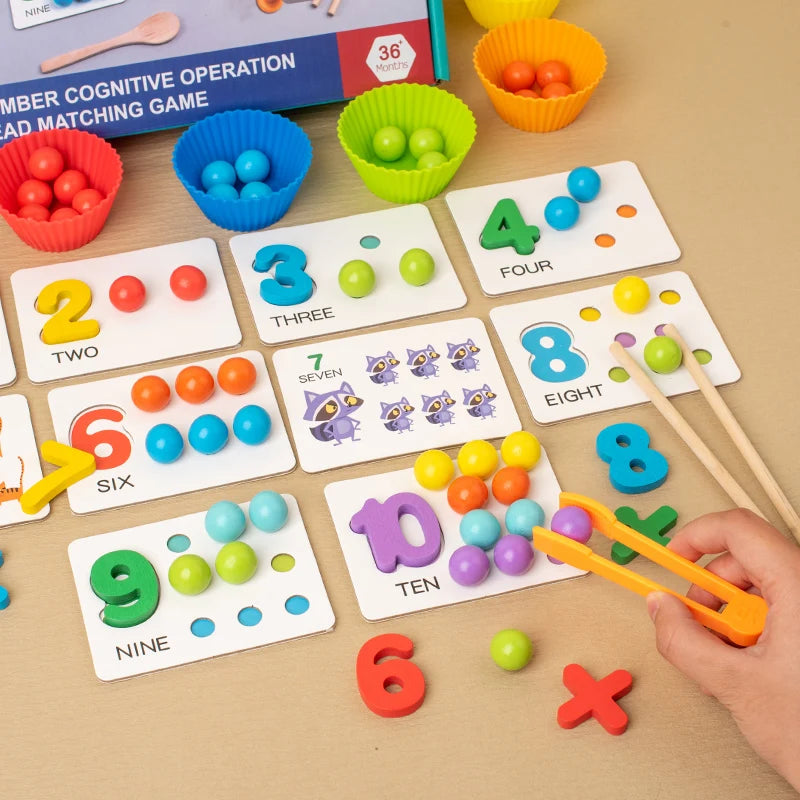
See it in action - preschool manipulatives toys / wooden math learning toys for preschoolers, improve number recognition with wooden toys, preschool math teaching aids for home use, durable wooden educational toys for children
Discover the safest toys for your child and make learning feel like play
Best preschool manipulatives toys by learning goal
The best preschool manipulatives toys depend on the skill you want your child to develop. Instead of buying many random toys, focus on learning objectives and choose manipulatives that support multiple activities.
Best preschool math manipulatives
These versatile tools introduce counting, addition, subtraction, patterns, and simple comparisons.
- Counting bears
- Wooden number rods
- Base-ten blocks for older preschoolers
- Counting beads
- Montessori wooden math sets
They work well in both homes and preschool classrooms because one set supports dozens of activities.
Counting manipulatives for preschool
Young learners understand quantity more easily when they can touch every object they count. Good counting manipulatives include:
- Wooden counting sticks
- Bead strings
- Pom-poms with sorting cups
- Number counters
- Wooden counting boards
Number recognition toys for preschool
Children learning to identify numerals benefit from matching visual symbols with physical quantities.
- Number puzzles
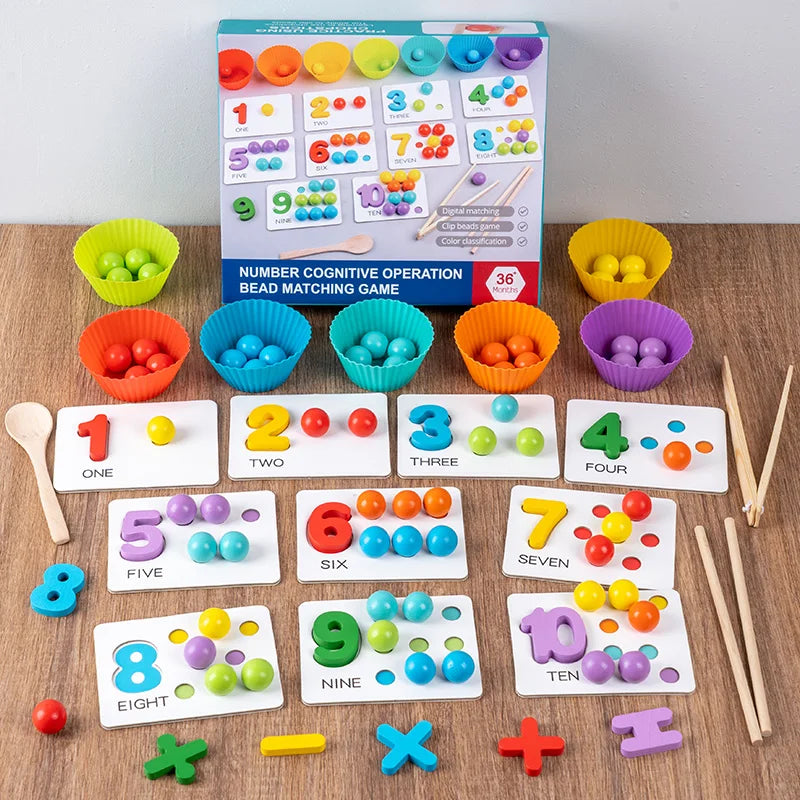
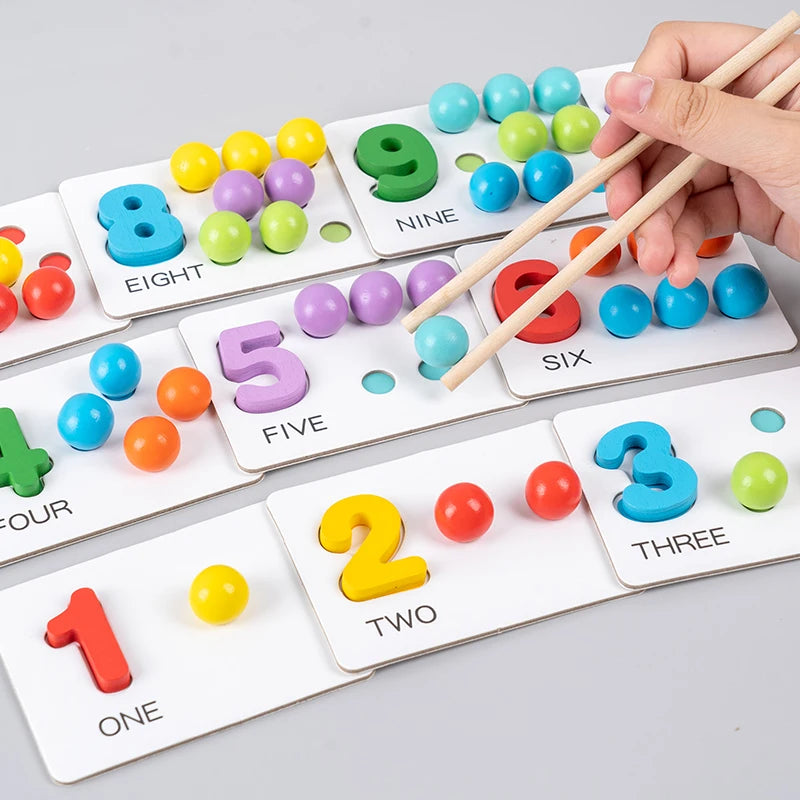
- Number matching cards with counters
- Wooden number boards
- Magnetic number sets
Educational manipulatives for preschool fine motor skills
Some manipulatives strengthen finger muscles while teaching math concepts at the same time.
- Lacing beads
- Stacking pegs
- Threading activities
- Wooden peg number boards
Developing fine motor control also prepares children for writing and everyday classroom tasks.
Preschool learning manipulatives for sorting and STEM
Sorting activities introduce classification, observation, and logical thinking.
- Shape sorters
- Pattern blocks
- Color sorting bowls
- Wooden stacking cubes
- Simple balance scales
These activities naturally introduce early STEM thinking through prediction, comparison, and experimentation.
Best wooden math learning toys for preschoolers
Wooden math learning toys for preschoolers remain popular because they are durable, easy to clean, and comfortable for small hands. High-quality wooden toys often last through several years of learning or multiple children.
Wooden counting toys
Wooden counting frames, bead racks, and counting boards encourage repeated practice while helping children visualize quantities.
Wooden number matching toys
Number puzzles and matching boards help children connect numerals with groups of objects while improving memory and visual recognition.
Wooden sorting and stacking sets
Sorting sets develop logical thinking, while stacking toys improve balance, coordination, and spatial awareness. Together they provide excellent value because one toy supports multiple developmental skills.
| Wooden Toy | Main Skill | Recommended Age | Best Feature |
|---|---|---|---|
| Counting beads | Counting | 3+ | Repeated number practice |
| Number puzzle | Number recognition | 3+ | Visual matching |
| Sorting tray | Classification | 2–4 | Early logic development |
| Stacking blocks | Spatial awareness | 2+ | Fine motor practice |
Pair these with engaging options from Sensory Toys to encourage longer periods of focused exploration.
See it in action - preschool manipulatives toys / wooden math learning toys for preschoolers, improve number recognition with wooden toys, preschool math teaching aids for home use, durable wooden educational toys for children
Quick comparison table of the best preschool manipulatives
| Manipulative | Learning Skill | Recommended Age | Material | Best Use |
|---|---|---|---|---|
| Counting beads | Counting | 3+ | Wood | Home and classroom |
| Pattern blocks | Shapes & patterns | 3+ | Wood/Plastic | STEM activities |
| Sorting bears | Sorting & colors | 2–4 | Plastic | Early preschool |
| Number puzzle | Number recognition | 3+ | Wood | Independent learning |
| Montessori math set | Multiple math concepts | 3–6 | Wood | Complete learning program |
How to choose the right preschool manipulatives
For home learning
Families usually benefit from multi-purpose sets that combine counting, sorting, matching, and stacking into one organized collection. This saves space while supporting months of progressive learning.
For preschool classrooms
Teachers should prioritize durable materials, larger quantities, easy cleaning, and storage containers that allow children to access materials independently.
By developmental stage
- Ages 2–3: Large stacking toys, simple sorters, chunky counting pieces.
- Ages 3–4: Number puzzles, counting boards, matching games.
- Ages 4–5: Pattern blocks, simple addition manipulatives, sequencing activities.
- Ages 5–6: Base-ten concepts, measurement tools, introductory STEM manipulatives.
When choosing preschool math teaching aids , always check for smooth finishes, non-toxic materials, and age-appropriate sizes that reduce choking hazards.
Benefits of preschool manipulatives for early learning
Research consistently supports the use of math manipulatives for preschool because they allow children to build understanding through active exploration rather than memorization alone.
- Strengthen number sense through repeated hands-on practice.
- Improve fine motor coordination while handling small objects.
- Encourage problem-solving through experimentation.
- Increase attention by making lessons interactive.
- Support independent learning and confidence.
- Help children transition more easily to formal kindergarten math.
To expand your learning collection, explore additional activities in Baby Growth & Learning .
Where to buy quality preschool manipulatives toys
Quality matters because preschool manipulatives are used repeatedly over several years. Investing in durable materials often provides better long-term value than replacing inexpensive toys frequently.
When comparing options, consider:
- Complete home learning bundles versus individual replacement pieces.
- Wooden construction for durability.
- Storage solutions that keep pieces organized.
- Multi-skill sets that grow with your child.
- Safety certifications and rounded edges.
Learn step-by-step how to choose the right learning toys for your child
See it in action - preschool manipulatives toys / wooden math learning toys for preschoolers, improve number recognition with wooden toys, preschool math teaching aids for home use, durable wooden educational toys for children
Get yours now and build a strong foundation for early math learning.
Frequently asked questions
What are preschool manipulatives?
Preschool manipulatives are physical learning materials children can touch, move, count, sort, and arrange to understand early math concepts through hands-on experiences.
What are the best preschool manipulatives for math?
Some of the most effective choices include counting beads, number puzzles, pattern blocks, sorting toys, stacking blocks, and Montessori wooden math sets because they support multiple foundational skills.
How do you use preschool manipulatives at home?
Keep sessions short and playful. Encourage counting, matching, sorting, and simple problem-solving during everyday activities instead of treating them as formal lessons.
Are wooden math manipulatives better than plastic?
Wooden manipulatives are often more durable, environmentally friendly, and provide excellent tactile feedback. Plastic manipulatives can still be useful when they offer unique features or larger classroom quantities.
Which counting manipulatives are best for preschoolers?
Counting beads, counting bears, wooden counting sticks, number boards, and bead strings are excellent choices because they clearly connect quantities with spoken numbers.
How do manipulatives improve number recognition with wooden toys?
Wooden number toys allow children to repeatedly match numerals with physical quantities. This combination of visual, tactile, and verbal learning helps strengthen memory and understanding over time.
Pillar Article: Preschool number recognition activities: Step-by-step guide for parents
Other Related Articles:
- What is hands on learning: How to apply it in preschool math
- Interactive math tools: How to use them for fast learning at home
- Hands on math activities for kindergarten: Easy daily routine guide
Explore More:





