

Interactive Math Tools That Make Learning Easier for Every Age
Do interactive math tools really improve early math learning?
Interactive math tools help children develop early numeracy by combining visual, tactile, and digital experiences that make abstract concepts easier to understand. Research on active learning consistently shows that preschoolers retain concepts better when they manipulate objects, solve problems through play, and receive immediate feedback rather than relying on passive instruction alone.
For children ages 3–6, the best results come from combining hands on math learning tools with age-appropriate digital activities. This balanced approach strengthens number sense, improves fine motor skills, increases confidence, and keeps young learners engaged without excessive screen time.
Interactive math tools: How to use them for fast learning at home
Struggling to keep your child focused during math time? You're not alone. Many parents want meaningful learning without relying entirely on screens. The good news is that the right interactive math tools transform everyday play into engaging math experiences that build lasting skills while keeping children motivated.
⏱ 6 min read
Should you choose hands-on activities or educational apps? Most early childhood educators recommend using both together. Physical play builds understanding first, while digital activities reinforce concepts through repetition and immediate feedback.
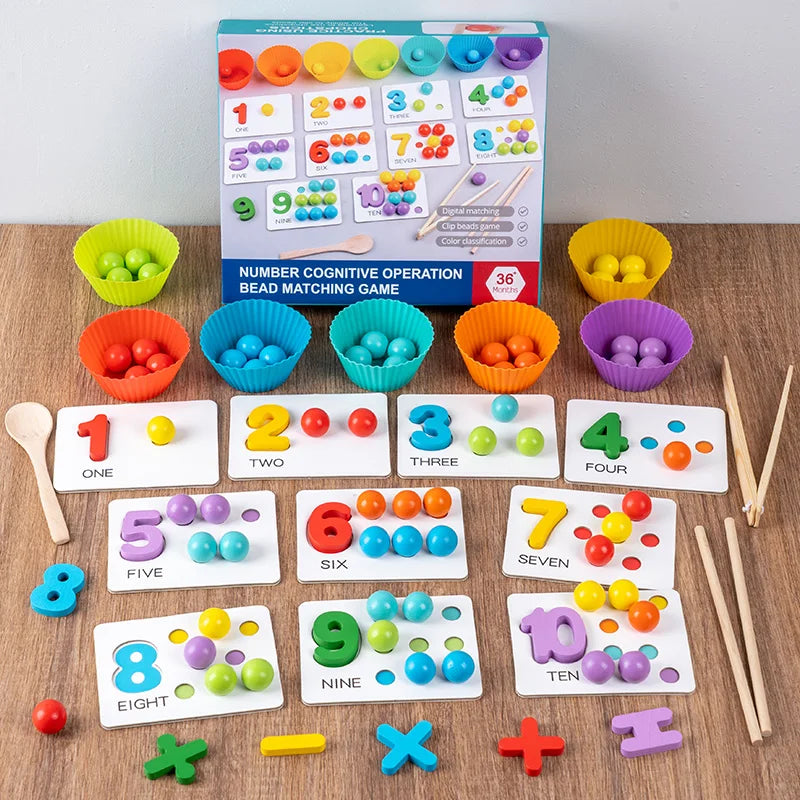
See it in action - interactive math tools / interactive math learning tools for parents, screen time replacing hands on learning, early learning math manipulatives wooden set, educational math toys ages three to six
What are interactive math tools?
Interactive math learning tools are educational resources that encourage children to explore mathematical ideas by touching, moving, observing, discussing, and solving problems. Instead of memorizing numbers from worksheets alone, children actively build understanding through play.
Physical manipulatives
Physical math manipulatives for kids help children connect concrete objects with mathematical ideas.
- Counting cubes and blocks
- Wooden number boards
- Shape sorters
- Pattern tiles
- Early learning math manipulatives
Digital interactive tools
Educational apps reinforce classroom concepts through games, puzzles, instant feedback, and adaptive difficulty. They work best after children understand the concept using real objects.
Hybrid learning solutions
Hybrid learning combines physical manipulatives with digital activities. Parents can introduce counting using wooden pieces before practicing the same concepts in an app, helping children transfer knowledge between real-world experiences and digital learning.
Explore more engaging options in Baby Growth & Learning to support early development.
How interactive math tools build essential math skills
Number sense
Children learn that numbers represent real quantities by physically counting, grouping, and comparing objects. This creates stronger conceptual understanding than memorization alone.
Counting and sorting
Sorting by color, size, or shape develops early classification skills while reinforcing counting, sequencing, and one-to-one correspondence.
Patterns and geometry
Building repeating patterns, arranging shapes, and recognizing symmetry strengthen visual reasoning that supports later mathematical thinking.
Problem-solving
Hands on math learning tools encourage children to experiment, make predictions, test solutions, and learn from mistakes. This playful exploration helps build resilience and confidence alongside mathematical ability.
| Traditional Learning | Interactive Learning |
|---|---|
| Passive listening | Active participation |
| Abstract concepts | Visual and tactile understanding |
| Short attention span | Longer engagement |
| Memorization | Conceptual understanding |
| Higher frustration | Greater confidence through practice |
How to use interactive math tools at home
Choose one learning goal
Focus on a single skill such as counting to 10, identifying shapes, comparing sizes, or simple addition before introducing new concepts.
Create short daily activities
Ten to fifteen minutes of focused practice is often enough for preschoolers. Consistent daily exposure is more effective than occasional long sessions.
Mix physical and digital tools
Begin with physical manipulatives, then reinforce learning using educational apps or digital games that review the same concepts.
Track progress through play
Celebrate milestones such as independently counting objects, recognizing patterns, or solving simple problems without turning learning into a formal test.
For hands-on learning, try this interactive math tools set designed for early learners.
Best interactive math tools for preschoolers (ages 3–6)
Wooden math manipulatives
Best for introducing counting, number recognition, sorting, and patterns while strengthening fine motor skills.
- Excellent for ages 3–6
- Screen-free learning
- Supports independent exploration
- Ideal for building foundational math concepts
Pair them with items from Sensory Toys to enhance engagement.
Interactive math apps
Useful for practicing concepts children already understand.
- Interactive quizzes
- Immediate feedback
- Adaptive difficulty
- Short review sessions
Counting games and toys
Board games, dice games, counting cards, and sorting activities naturally reinforce early numeracy while keeping learning social and enjoyable.
Hybrid learning kits
Hybrid kits combine physical pieces with digital activities, making them ideal for families who want balanced learning without replacing hands-on experiences.
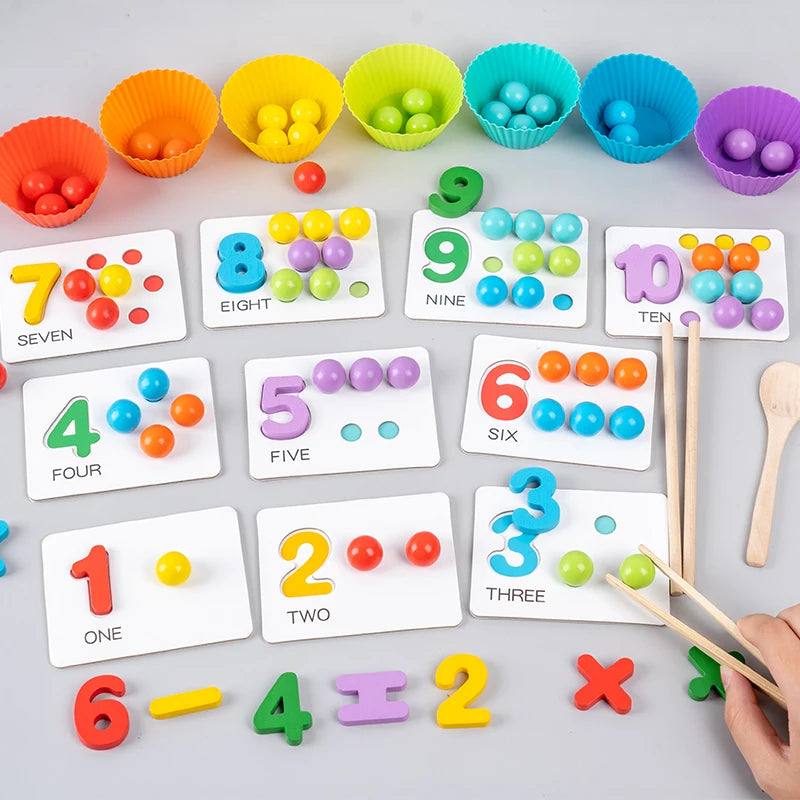
See it in action - interactive math tools / interactive math learning tools for parents, screen time replacing hands on learning, early learning math manipulatives wooden set, educational math toys ages three to six
Interactive math tools comparison table
| Tool Type | Best Age | Skills Developed | Screen Required |
|---|---|---|---|
| Wooden math manipulatives | 3–6 years | Counting, sorting, number sense | No |
| Interactive math apps | 4–6 years | Practice, review, problem-solving | Yes |
| Counting games | 3–6 years | Sequencing, matching, social learning | No |
| Hybrid learning kits | 4–6 years | Concept building and reinforcement | Optional |
How to choose the right interactive math tool
- Match your child's age. Preschoolers benefit most from simple, visual activities before abstract calculations.
- Choose one learning objective. Focus on counting, patterns, shapes, or simple addition instead of covering everything at once.
- Look for easy-to-use materials. Durable pieces, clear instructions, and colorful visuals encourage independent exploration.
- Balance accessibility. The best interactive math learning tools combine engaging play with opportunities for parent-child interaction.
Common mistakes when using interactive math tools
- Overusing apps: Digital activities should reinforce—not replace—hands-on learning.
- Skipping physical practice: Children understand concepts better when they can touch and manipulate objects.
- Choosing activities that are too difficult: Success builds confidence, so gradually increase challenge.
- Inconsistent routines: Brief daily practice leads to better long-term progress than occasional intensive sessions.
Support a balanced routine with helpful resources from Baby Care Tips & Advice .
Balancing screen time with hands-on math learning
Replacing some screen time with wooden math manipulatives encourages active learning, creativity, and conversation. Rather than eliminating educational apps entirely, aim for a blended routine where physical exploration comes first and digital tools reinforce concepts afterward.
- Replace one daily screen session with a hands-on math activity.
- Use counting games during playtime instead of formal lessons.
- Encourage storytelling that includes numbers, shapes, and measurement.
- Allow children to solve problems independently before offering help.
Complement learning with calming routines from Sleep & Comfort to improve focus.
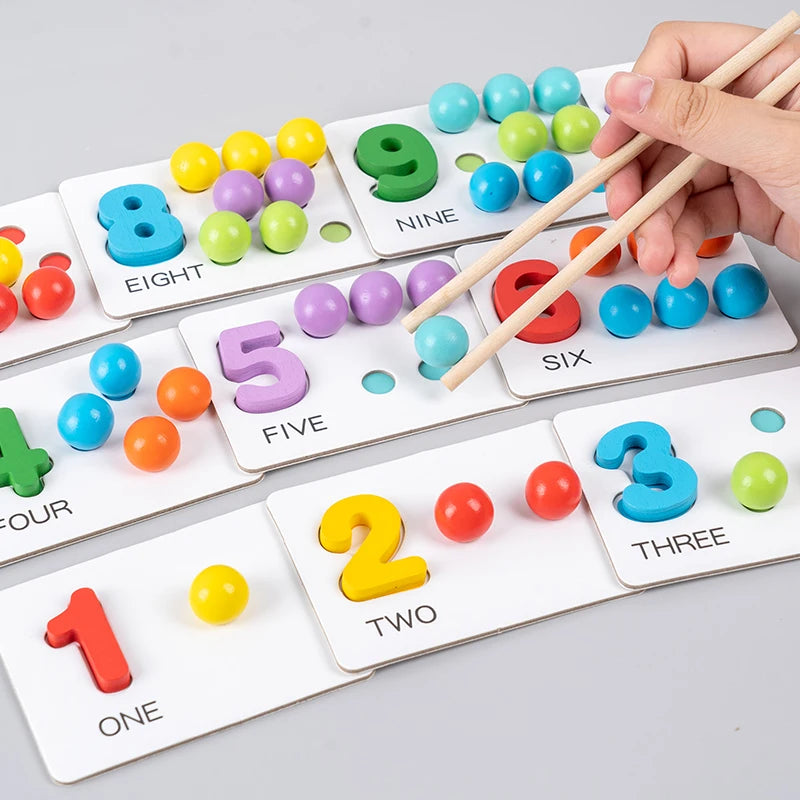
See it in action - interactive math tools / interactive math learning tools for parents, screen time replacing hands on learning, early learning math manipulatives wooden set, educational math toys ages three to six
Frequently Asked Questions
What are the best interactive math tools for preschoolers?
Wooden counting sets, number boards, shape sorters, pattern blocks, and simple interactive math apps are among the best options because they develop number sense while keeping learning playful.
Can interactive math tools replace traditional teaching?
No. They work best alongside guided instruction, storybooks, conversations, and everyday math experiences to reinforce understanding.
How much screen time should preschoolers have for math?
Short sessions of about 10–15 minutes are generally sufficient for educational apps. Most early learning should still involve hands-on exploration and real-world play.
Are wooden math manipulatives better than apps?
For introducing new concepts, wooden manipulatives often provide deeper understanding because children physically explore quantities. Apps are excellent for review and additional practice once concepts are established.
How can parents use interactive math learning tools at home?
Choose one daily math activity, use physical manipulatives first, reinforce with short digital practice if desired, and celebrate progress through play rather than formal testing.
Pillar Article: Preschool number recognition activities: Step-by-step guide for parents
Other Related Articles:
- What is hands on learning: How to apply it in preschool math
- Preschool manipulatives toys: How to use them step by step
- Hands on math activities for kindergarten: Easy daily routine guide
Explore More:





