

Interactive educational toy: how to use for daily learning at home
Does an interactive educational toy really improve daily learning at home?
An interactive educational toy helps children build focus, problem-solving, and independence through hands-on play. By replacing passive screen habits with tactile learning, it supports brain development, reduces boredom, and turns everyday routines into structured, meaningful learning moments using simple, repeatable activities.
Interactive educational toy: how to use for daily learning at home
An interactive educational toy can transform everyday moments into meaningful learning, especially when screen time replacing hands on play becomes a real concern. If your children get bored educational toys quickly, this guide reveals smarter ways to engage them using the montessori method for early childhood learning. Discover how to turn simple routines into the best hands on learning activities preschoolers actually enjoy—without overwhelm. Ready to unlock a daily system that keeps kids curious and focused?
⏱ 7 min read
Are you noticing your child jumping from one toy to another within minutes? Or relying more on screens than real play? You’re not alone—and there’s a simpler way to fix it.
Which learning approach actually keeps kids engaged longer? Read on to discover a practical system that works every day.
👉 Discover the safest toys for your baby
Explore hands-on options in Sensory Toys designed to boost focus and curiosity.
💡 See it in action - interactive educational toy / screen time replacing hands on play, children get bored educational toys, best hands on learning activities preschoolers, montessori method for early childhood learning
What makes an interactive educational toy effective for daily learning?
An interactive educational toy engages multiple senses—touch, sight, and movement—to help children learn actively rather than passively. It encourages repetition, independence, and problem-solving, making it far more effective than toys that simply entertain without challenge or purpose.
- Encourages hands-on problem solving
- Builds focus through repetition
- Supports independent exploration
- Aligns with montessori method for early childhood learning
Unlike flashy toys that lose appeal quickly, interactive tools grow with your child’s ability.
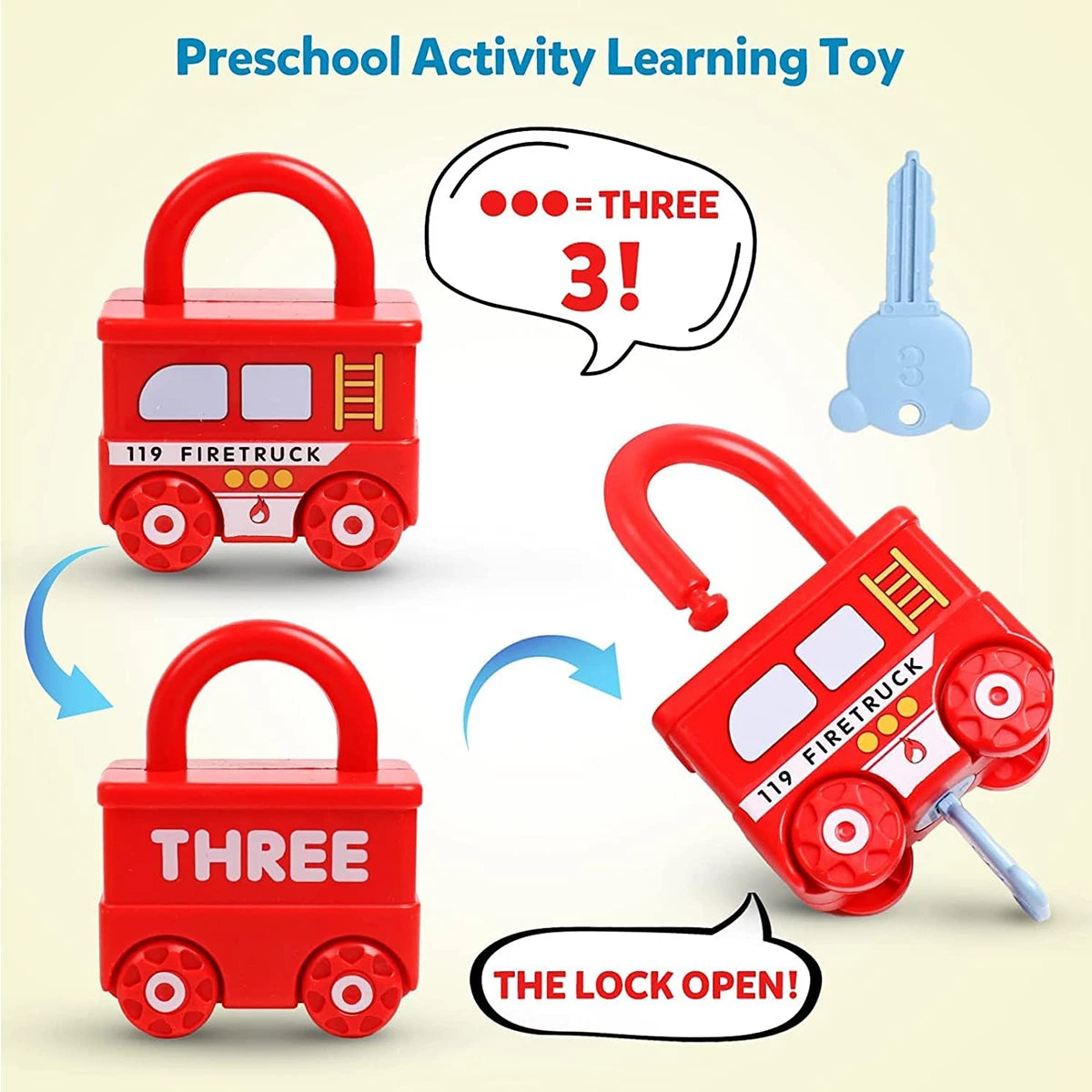
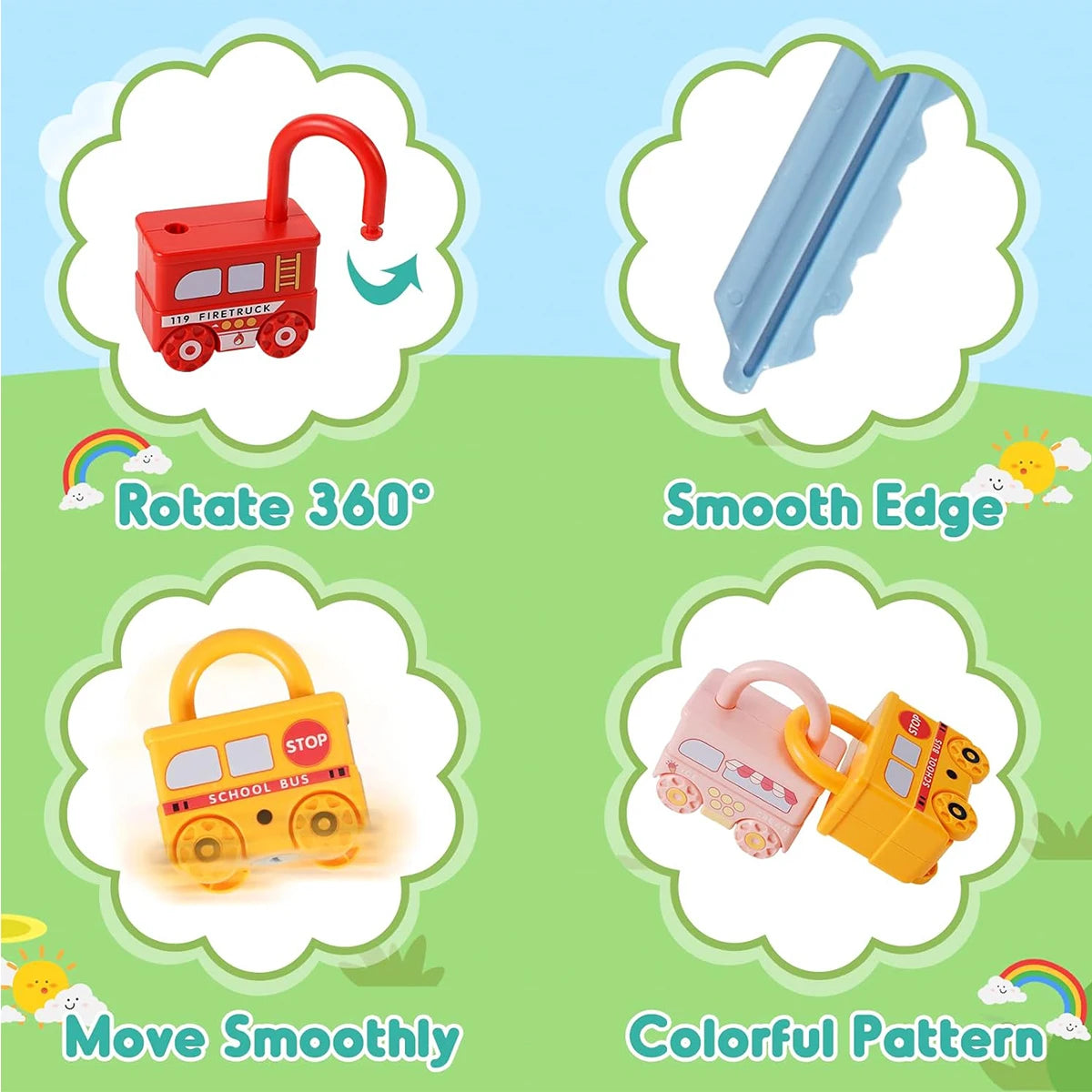
For example, a lock-and-key toy teaches cause and effect, fine motor skills, and logical thinking—all in one simple activity.
👉 Try it here: Montessori Lock and Key Toy Set
Why children get bored educational toys—and how to fix it
If your children get bored educational toys quickly, the problem isn’t the toy—it’s how it’s used.
Here’s what typically goes wrong:
| Common Issue | Why It Happens | Better Approach |
|---|---|---|
| Too many toys | Overstimulation | Rotate toys weekly |
| No structure | Lack of purpose | Create daily routines |
| Passive play | No challenge | Use problem-solving toys |
| Screen reliance | Instant gratification | Encourage hands-on play |
When you simplify and guide usage, even one toy can create hours of meaningful engagement.
Explore more structured play tools in Baby Growth & Learning.
How this simple system replaces screen time with hands-on learning
Screen time replacing hands on play has become a real concern for many parents. The solution isn’t eliminating screens completely—it’s making hands-on learning more appealing.
Here’s a simple daily structure:
- Morning (Focus Time): Problem-solving toy (10–15 minutes)
- Midday (Exploration): Free play with rotation toys
- Evening (Wind-down): Calm, repetitive activity
- Before bed: Quiet sensory play
This rhythm builds consistency and reduces reliance on screens naturally.
👉 Learn step-by-step how to choose the right baby gear
Browse curated options in Smart Baby Gadgets for easier routines.
Step-by-step: turning toys into the best hands on learning activities preschoolers love
-
Start with one toy only
Limit choices to avoid overwhelm. -
Demonstrate slowly
Show how to use the toy without rushing. -
Let your child explore
Avoid interrupting their process. -
Repeat daily
Repetition builds mastery and confidence. -
Increase difficulty
Add small challenges as skills improve.
This method aligns perfectly with the montessori method for early childhood learning.
Pair your setup with tools from Mobility & Training to enhance coordination.
💡 See it in action - interactive educational toy / screen time replacing hands on play, children get bored educational toys, best hands on learning activities preschoolers, montessori method for early childhood learning
Hands-on play vs screen time: what actually works better?
| Aspect | Hands-on Play | Screen Time |
|---|---|---|
| Focus | High, sustained | Short bursts |
| Learning depth | Active problem-solving | Passive consumption |
| Creativity | Encouraged | Limited |
| Independence | Developed | Reduced |
Hands-on learning builds real-world skills that screens simply cannot replicate.
Support safe play environments with essentials from Health & Safety.
Real results: what parents notice after switching
- “My toddler plays longer without asking for screens.”
- “We finally have a calm bedtime routine.”
- “One toy now lasts weeks instead of days.”
- “I see real improvement in problem-solving skills.”
Parents consistently report improved focus, calmer routines, and stronger independence.
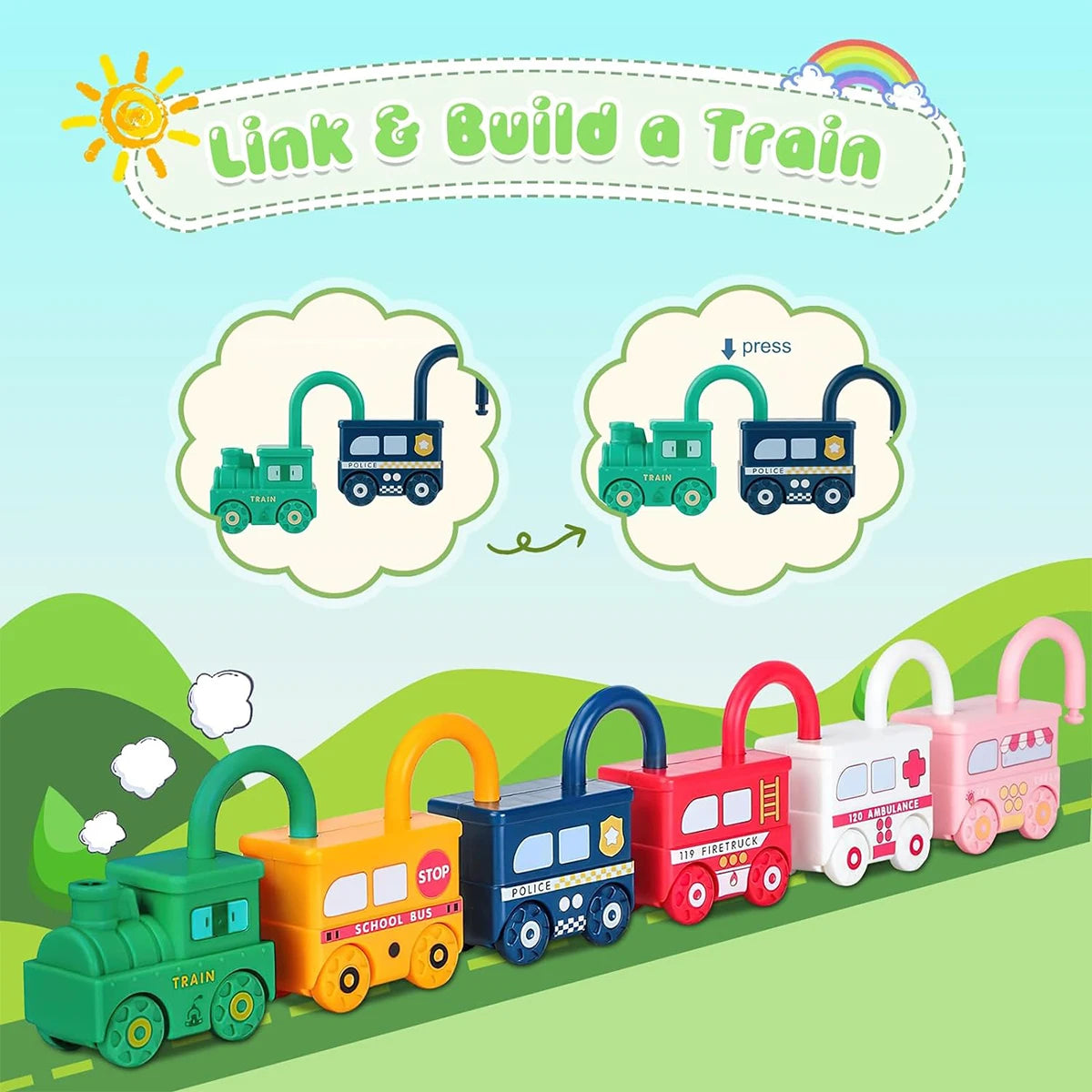
Adding simple tools like the Montessori Lock and Key Toy Set often becomes the turning point.
💡 See it in action - interactive educational toy / screen time replacing hands on play, children get bored educational toys, best hands on learning activities preschoolers, montessori method for early childhood learning
👉 Get yours now — limited stock!
Turn daily routines into learning moments with this interactive educational toy.
Frequently Asked Questions
1. How long should my child use an interactive educational toy each day?
Start with 10–15 minutes of focused play. Gradually increase as your child builds interest and concentration.
2. What if my child loses interest quickly?
Rotate toys and reintroduce them later. Children often rediscover interest when the toy feels “new” again.
3. Are these toys suitable for all ages?
Yes, but choose age-appropriate options. Simpler tasks for toddlers, more complex challenges for older preschoolers.
4. Can this really replace screen time?
Yes. When structured correctly, hands-on play becomes more engaging and naturally reduces screen dependence.
Pillar Article: Increasing hand eye coordination: daily exercises that work
Other Related Articles:
- How to increase hand eye coordination: simple daily drills for kids
- Preschool learning toy: how to choose and use effectively
- Sensory play 3 year olds: how to set up easy home activities
Explore More:





