

Sensory play 3 year olds: how to set up easy home activities
What is sensory play 3 year olds and how does it help?
Sensory play 3 year olds supports brain development by engaging touch, sight, sound, and movement through simple activities. It improves focus, language, and problem-solving while helping toddlers who struggle with attention or interest. Easy setups at home turn everyday items into meaningful, hands-on learning experiences.
Sensory play 3 year olds: how to set up easy home activities
Sensory play 3 year olds can transform daily routines into powerful learning moments, especially for toddlers uninterested in learning toys or struggling to focus. With simple setups, these sensory play ideas for toddlers learning double as toddler low attention span activities while building creativity, language, and problem-solving skills. Discover how everyday items can become the best hands on learning activities preschoolers actually enjoy—and why this approach works better than you think…
⏱ 5 min read
Does your toddler lose interest in toys within minutes? You’re not alone. Many parents feel frustrated watching their child bounce from one activity to another without real engagement.
Here’s the good news: you don’t need more toys—you need better experiences.
👉 Discover simple ways to spark curiosity using everyday items
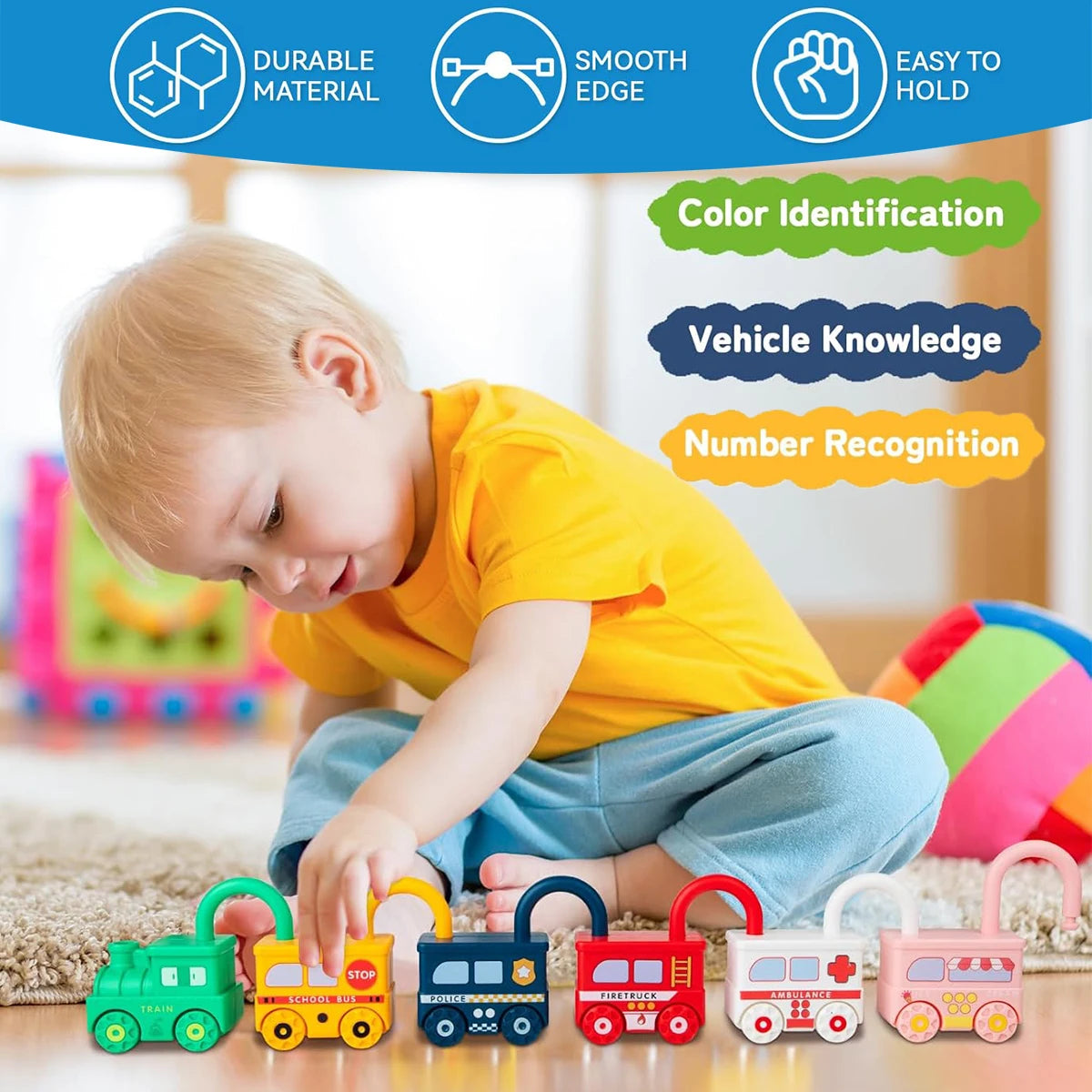
💡 See it in action - sensory play 3 year olds / sensory play ideas for toddlers learning, toddler low attention span activities, toddlers uninterested in learning toys, best hands on learning activities preschoolers
Why sensory play works for toddlers who lose focus quickly
If your child struggles with attention, traditional toys often fail because they require passive interaction.
Sensory play changes that by activating multiple senses at once.
- Encourages hands-on exploration
- Keeps toddlers engaged longer
- Reduces frustration and boredom
- Supports emotional regulation
- Builds early cognitive skills naturally
Parents often report their children staying focused 2–3 times longer during sensory activities compared to regular toys.
That’s why many families now explore options from Sensory Toys and Baby Growth & Learning to support development at home.
How to set up sensory play at home in minutes
You don’t need fancy tools or complicated setups.
Follow this simple process:
- Choose a base (bin, tray, or bowl)
- Add sensory materials (rice, water, sand, beans)
- Include tools (cups, spoons, scoops)
- Create a simple goal (pouring, sorting, matching)
- Let your child explore freely
Which activity suits your toddler best? Keep reading—you’ll find the perfect match below.
👉 Learn step-by-step how to create engaging play setups at home
5 easy sensory play ideas for toddlers learning
1. Color sorting sensory bin
Use colored rice or pom-poms and ask your child to sort by color.
- Builds focus and recognition
- Great for toddler low attention span activities
2. Water pouring station
Set up cups, funnels, and water.
- Improves coordination
- Calming and repetitive
3. Texture exploration tray
Mix soft, rough, and smooth objects.
- Enhances sensory awareness
- Encourages descriptive language
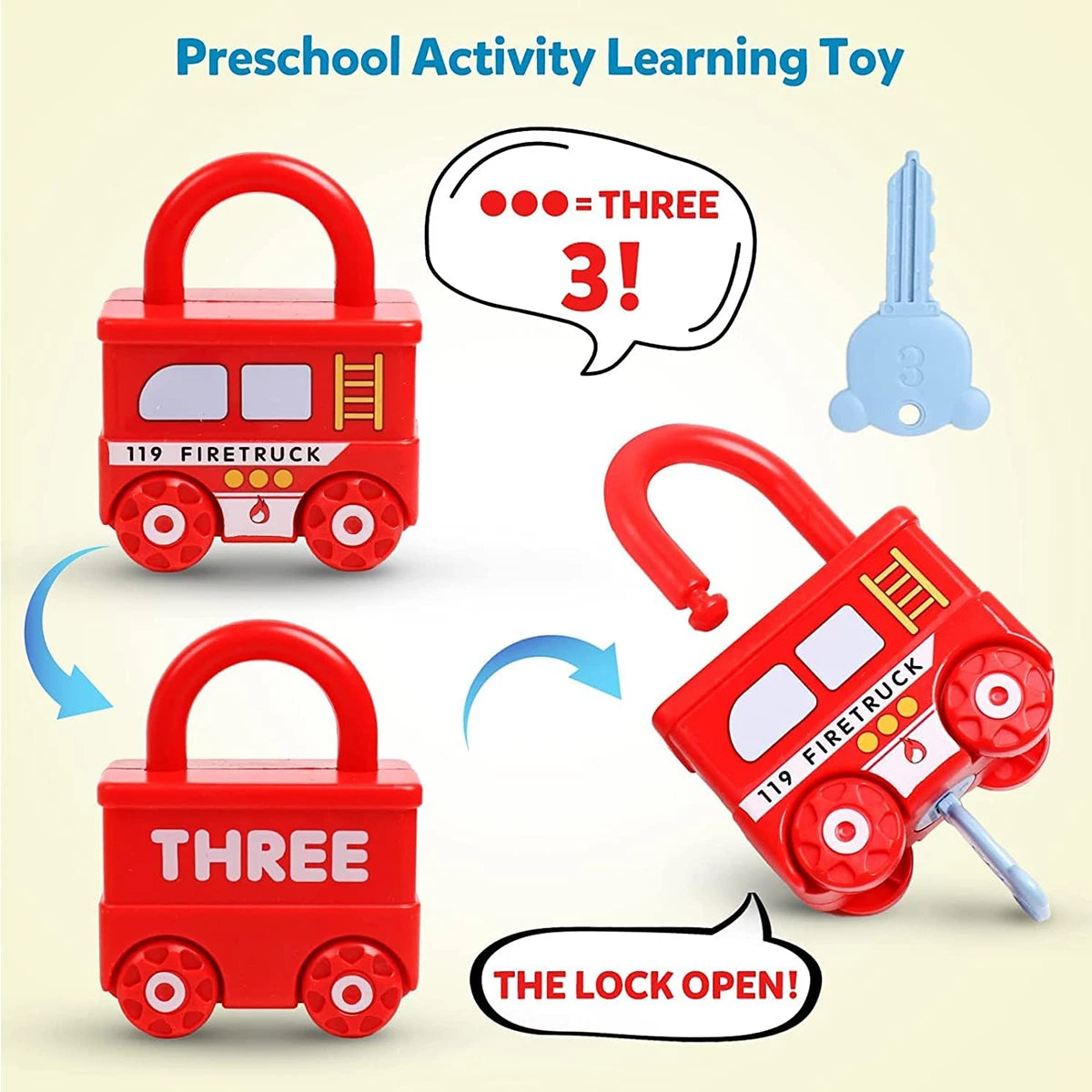
💡 See it in action - sensory play 3 year olds / sensory play ideas for toddlers learning, toddler low attention span activities, toddlers uninterested in learning toys, best hands on learning activities preschoolers
4. Hidden object discovery
Hide small items in rice or sand.
- Boosts curiosity and problem-solving
- Keeps toddlers engaged longer
5. Lock and key challenge
Introduce simple locks and keys for hands-on problem solving.
- Strengthens fine motor skills
- Encourages persistence
This is where tools like the Montessori lock and key toy set shine—turning play into focused learning.
How to turn sensory play into a daily routine
Consistency matters more than complexity.
- Start with 10–15 minutes per day
- Rotate activities to maintain interest
- Follow your child’s curiosity
- Keep setup simple and repeatable
Many parents combine sensory play with tools from Feeding Tools or Baby Care Essentials to make everyday routines more interactive.
Tools that make sensory play easier for parents
While DIY setups work, the right tools can save time and boost engagement.
Why structured tools help:
- Reduce setup time
- Provide guided learning
- Increase independent play
- Keep toddlers focused longer
Parents love combining sensory bins with structured items like the Montessori lock and key toy set for balanced play.
Sensory play vs traditional toys
| Feature | Sensory Play | Traditional Toys |
|---|---|---|
| Engagement | High, multi-sensory | Often short-lived |
| Focus building | Strong | Limited |
| Creativity | Open-ended | Fixed use |
| Adaptability | Easy to change | Static |
That’s why sensory play ideas for toddlers learning are often recommended as the best hands on learning activities preschoolers can experience.
Real parent experiences
“My son wouldn’t sit still for anything. After trying sensory bins, he now plays independently for 20 minutes!”
“We replaced half our toys with simple sensory setups—and saw a huge difference in focus.”
These small changes create big results.
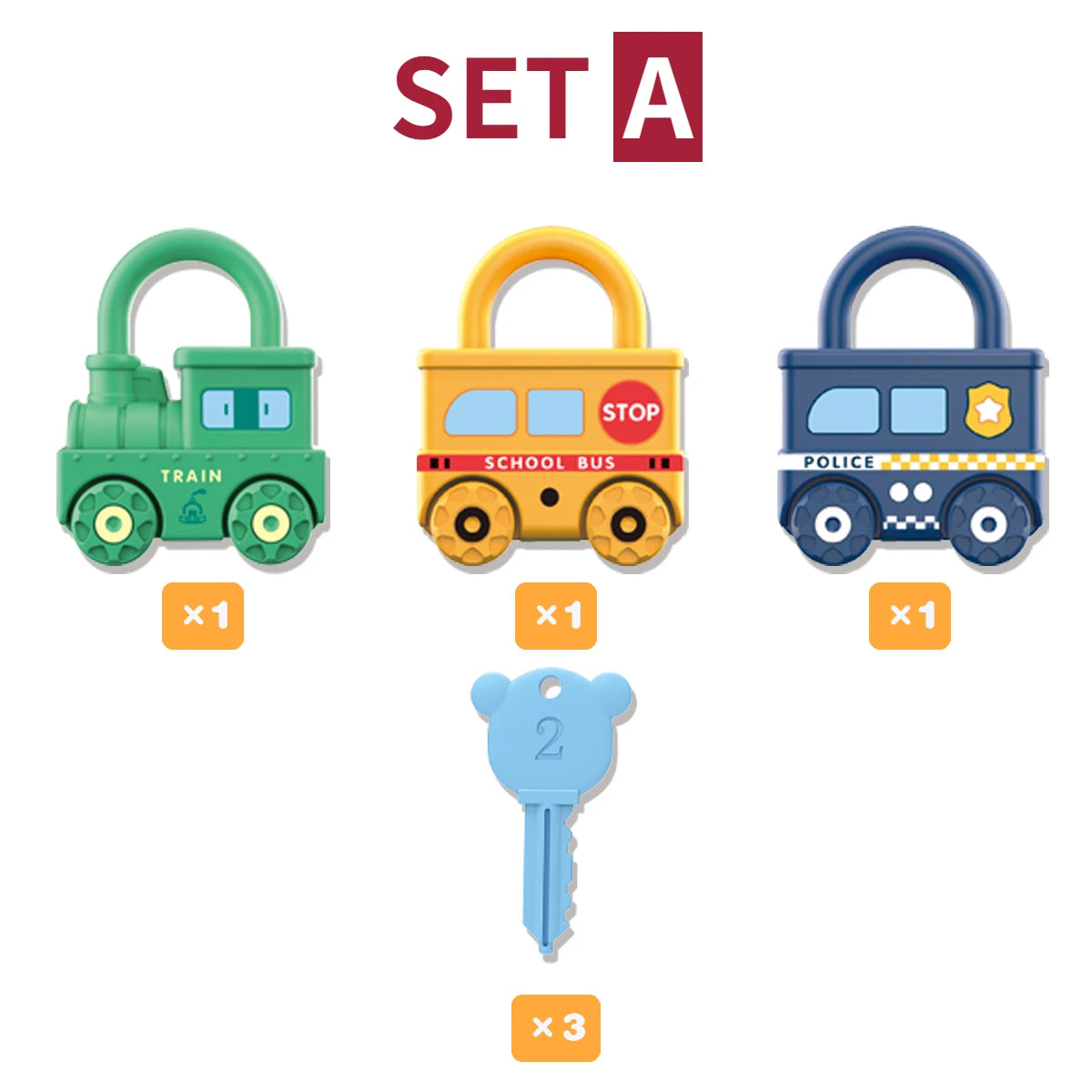
💡 See it in action - sensory play 3 year olds / sensory play ideas for toddlers learning, toddler low attention span activities, toddlers uninterested in learning toys, best hands on learning activities preschoolers
FAQs
What is sensory play for 3 year olds?
Sensory play involves activities that stimulate a child’s senses, helping build focus, coordination, and early learning skills through hands-on exploration.
How often should toddlers do sensory play?
Daily short sessions of 10–20 minutes are ideal for building attention and engagement.
What if my toddler is not interested?
Start simple, follow their interests, and rotate activities frequently to maintain curiosity.
Do I need special toys?
No, but tools like the Montessori lock and key toy set can make learning more structured and engaging.
👉 Get yours now — limited stock!
Pillar Article: Increasing hand eye coordination: daily exercises that work
Other Related Articles:
- How to increase hand eye coordination: simple daily drills for kids
- Preschool learning toy: how to choose and use effectively
- Interactive educational toy: how to use for daily learning at home
Explore More:





