

How to Increase Hand Eye Coordination: Easy Drills
How to increase hand eye coordination fast?
How to increase hand eye coordination starts with short, engaging activities that help the eyes, brain, and hands work together more efficiently. Play-based exercises such as stacking blocks, tossing soft balls, tracing shapes, and manipulating fine motor toys improve accuracy, timing, and control while keeping children motivated. With 10–15 minutes of consistent daily practice, many children begin showing noticeable improvements in confidence and coordination within 2–4 weeks, although every child develops at their own pace.
How to increase hand eye coordination: simple daily drills for kids
⏱ 7 min read
Looking for practical ways to improve your child's hand eye coordination without turning practice into a chore? This guide covers fun, research-supported activities to boost hand eye coordination through everyday play. Whether preschoolers lack hand eye coordination, your child struggles with fine motor skills, or you're searching for simple ways to encourage independent play, you'll discover age-appropriate exercises that naturally build stronger movement skills, focus, and confidence.
From toddlers learning to stack blocks to preschoolers practicing drawing and catching games, these easy routines fit into daily life and require little to no special equipment. Better still, they help develop skills children use for writing, eating, dressing, sports, and classroom learning.
Which simple daily habit could make the biggest difference in your child's coordination? Keep reading—you may already have everything you need at home.
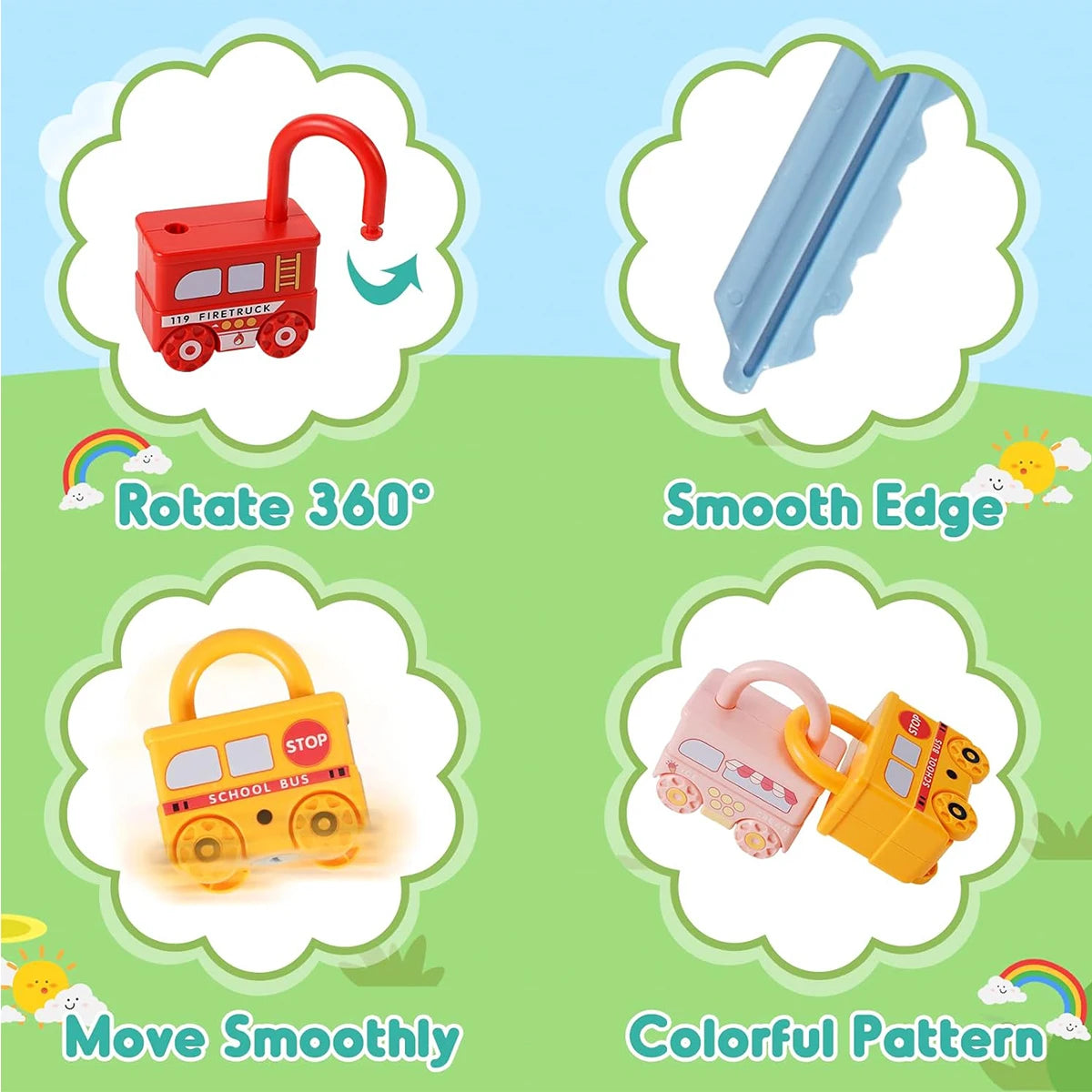
See hand eye coordination activities in action, including stacking, fine motor play, and independent learning ideas that help children build coordination through everyday play.
Discover playful tools that make coordination practice effortless
Why kids struggle with hand eye coordination (and how to fix it)
Hand eye coordination develops gradually as a child's brain learns to process visual information and guide precise hand movements. It's normal for toddlers and preschoolers to occasionally drop toys, miss catches, or struggle with coloring inside the lines. However, when these challenges persist, identifying the underlying cause can help parents choose activities that support healthy development.
Children develop at different rates, so comparing siblings or classmates isn't always helpful. Instead, focus on steady progress and opportunities for regular practice.
- Limited hands-on play: Children who spend less time building, sorting, drawing, or manipulating objects may have fewer chances to strengthen coordination.
- Too much passive screen time: Watching videos provides little opportunity to practice the visual tracking and hand movements needed for real-world tasks.
- Few fine motor challenges: Activities that involve grasping, twisting, threading, or stacking help develop the small muscles required for accurate hand movements.
- Developing sensory processing: Some children need extra time to integrate information from their eyes, hands, and body before movements become more precise.
- Age-related development: Hand eye coordination in infants begins with reaching and grasping, while older children refine these skills through increasingly complex play and everyday activities.
Parents looking to improve hand eye coordination in toddlers often see the best results by replacing passive entertainment with short, enjoyable play sessions that encourage reaching, catching, sorting, drawing, and problem-solving.
Although occasional clumsiness is a normal part of childhood, consider speaking with your pediatrician or an occupational therapist if your child consistently avoids using one hand, struggles with everyday self-care tasks well beyond expected developmental milestones, loses previously learned skills, or coordination difficulties interfere with learning or play.
The good news is that most coordination challenges improve with consistent, age-appropriate practice. Creating daily opportunities for movement, exploration, and hands-on learning helps children build stronger visual tracking, fine motor control, confidence, and independence over time.
Simple daily drills that actually improve coordination
One of the most effective ways to improve hand eye coordination is through short, engaging practice sessions that combine visual tracking, balance, timing, and fine motor control. Aim for 10–15 minutes a day, 5–7 days per week. Keeping activities playful encourages children to stay motivated while gradually building stronger coordination skills.
- Ball toss and catch: Begin with a large, lightweight ball before progressing to smaller balls as your child's skills improve. Toss at different heights and distances to strengthen visual tracking, reaction time, and timing.
- Stacking blocks and sorting games: Build towers, sort objects by color or size, or create simple patterns. These activities improve precision, hand stability, and bilateral coordination while encouraging problem-solving.
- Threading beads: Use large beads for younger children and gradually introduce smaller ones. Threading develops finger strength, pincer grasp, concentration, and fine motor accuracy.
- Drawing, tracing, and coloring: Encourage tracing lines, copying simple shapes, connecting dots, and coloring within boundaries. These exercises strengthen pencil control and prepare children for handwriting.
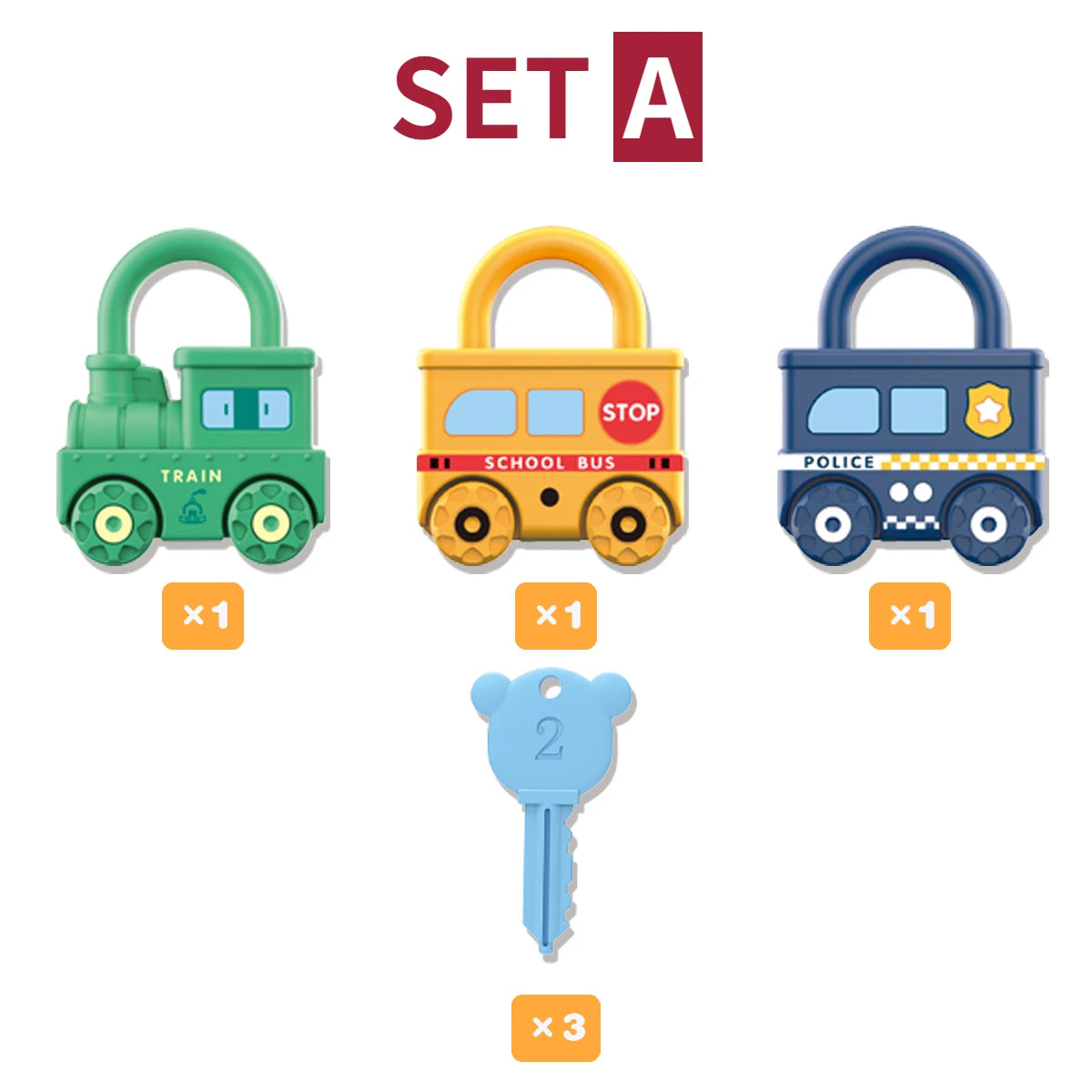
- Lock-and-key play: Unlocking different locks, matching keys, and rotating mechanisms requires coordinated hand movements, wrist control, and visual attention while promoting independent problem-solving.
To keep practice enjoyable, vary activities throughout the week instead of repeating the same exercise every day. A balanced routine helps children develop coordination across multiple everyday skills, including writing, eating with utensils, dressing, and participating in sports or playground games.
Real parent insight
"After just two weeks of short play sessions, my son stopped dropping his spoon as often, became more confident stacking blocks, and started drawing circles with much better control. Keeping the activities fun made him want to practice every day."
Learn step-by-step how to build coordination through play
Try the Montessori Lock and Key Toy Set for hands-on practice.
Do Computer Multiplication Games Really Work?
Yes. Computer multiplication games can improve multiplication fact fluency when they are used consistently alongside regular classroom instruction. Educational research has found that frequent retrieval practice, immediate feedback, and spaced repetition help children remember multiplication facts more effectively than passive review alone. Well-designed multiplication learning games also increase motivation, making it easier for children to practice every day.
Research on Math Fluency
Educational multiplication games reinforce core math facts through repeated practice while adjusting difficulty based on student performance. Many platforms provide instant correction, progress reports, and rewards that encourage children to continue practicing.
- Frequent recall strengthens long-term memory.
- Immediate feedback helps correct mistakes before they become habits.
- Adaptive challenges keep practice appropriately difficult.
- Game-based rewards improve consistency and engagement.
Who Benefits Most
Computer multiplication games are especially helpful for elementary students who need additional practice outside school, visual learners who respond well to interactive activities, and children who become bored with traditional worksheets. They work best as part of a balanced learning routine rather than a complete replacement for teacher instruction.
Computer Multiplication Games Review: Are They Effective?
⏱ 7 min read
Computer multiplication games have become one of the most popular ways to help children master times tables—but which ones actually deliver results? Parents today can choose from dozens of online multiplication games, educational apps, and hands-on learning tools. This guide compares the leading options, explains what makes them effective, and helps you choose the right game for your child's age and learning style.
Looking for the best multiplication games for students? This guide compares the top choices and explains when each works best.
Discover engaging ways to help your child build multiplication confidence through interactive learning.
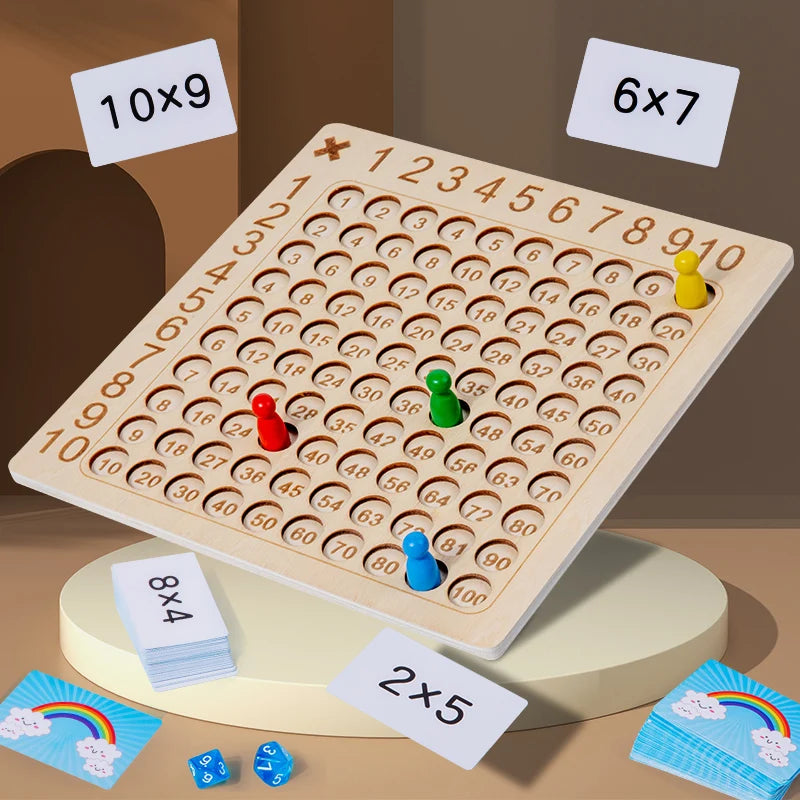
See it in action - computer multiplication games, online multiplication games, educational multiplication games, multiplication learning games.
Best Computer Multiplication Games for Students (2026)
Quick Comparison Table
| Game | Best For | Platform | Learning Style |
|---|---|---|---|
| Prodigy Math | Grades 2-6 | Web, iOS, Android | Adventure RPG |
| ABCya | K-5 | Web, Mobile | Mini games |
| SplashLearn | PreK-Grade 5 | Web, iOS | Adaptive practice |
| Math Playground | Grades 1-6 | Web | Puzzles & logic games |
| Toy Theater | K-4 | Web | Simple interactive practice |
| Coolmath Games | Older elementary | Web | Math-based challenges |
Top Picks by Grade Level
- Kindergarten-Grade 2: ABCya, SplashLearn
- Grades 3-5: Prodigy Math, Math Playground
- Independent practice: Toy Theater
- Students needing extra motivation: Prodigy Math's role-playing progression system
Comparison Table: Top Online Multiplication Games
| Platform | Recommended Grades | Game Style | Key Strength |
|---|---|---|---|
| Prodigy Math | 2-6 | Adventure | Adaptive curriculum alignment |
| ABCya | K-5 | Arcade-style | Short engaging sessions |
| SplashLearn | PreK-5 | Personalized lessons | Detailed progress reports |
| Math Playground | 1-6 | Puzzles | Problem-solving practice |
| Toy Theater | K-4 | Interactive drills | Simple interface |
| Coolmath Games | 3+ | Strategy games | Keeps older learners engaged |
Reviews of the Best Multiplication Games
Prodigy Math
A role-playing adventure that blends curriculum-based questions with exploration. Excellent for children who enjoy earning rewards while practicing multiplication facts.
Pros: Adaptive learning, motivating progression, teacher dashboards.
Cons: Some optional premium features.
ABCya
Offers a wide variety of short multiplication games that work well for younger learners and classroom practice.
Pros: Easy to use, colorful activities, many free options.
Cons: Less long-term progress tracking.
SplashLearn
Provides structured lessons with personalized learning paths and detailed performance reports.
Pros: Excellent curriculum alignment, adaptive practice.
Cons: Subscription required for full access.
Math Playground
Focuses on problem solving and applying multiplication skills within puzzles and logic activities.
Toy Theater
Simple browser-based multiplication games that are ideal for quick review sessions and classroom centers.
Coolmath Games
Best suited for older elementary students who enjoy strategy games with embedded mathematical thinking.
How Computer Multiplication Games Build Multiplication Skills
Effective multiplication practice games combine educational techniques with engaging gameplay to help students develop automatic recall without making practice feel repetitive.
Fact Fluency
Regular retrieval practice helps children recall multiplication facts quickly, freeing working memory for more advanced math concepts.
Many digital multiplication games automatically adjust question difficulty based on performance, ensuring students spend more time practicing skills they haven't mastered yet.
Immediate Feedback
Instead of waiting for worksheets to be graded, students immediately learn whether an answer is correct and can try again right away.
- Encourages daily practice
- Tracks long-term progress
- Builds confidence through achievable goals
- Makes multiplication practice more enjoyable
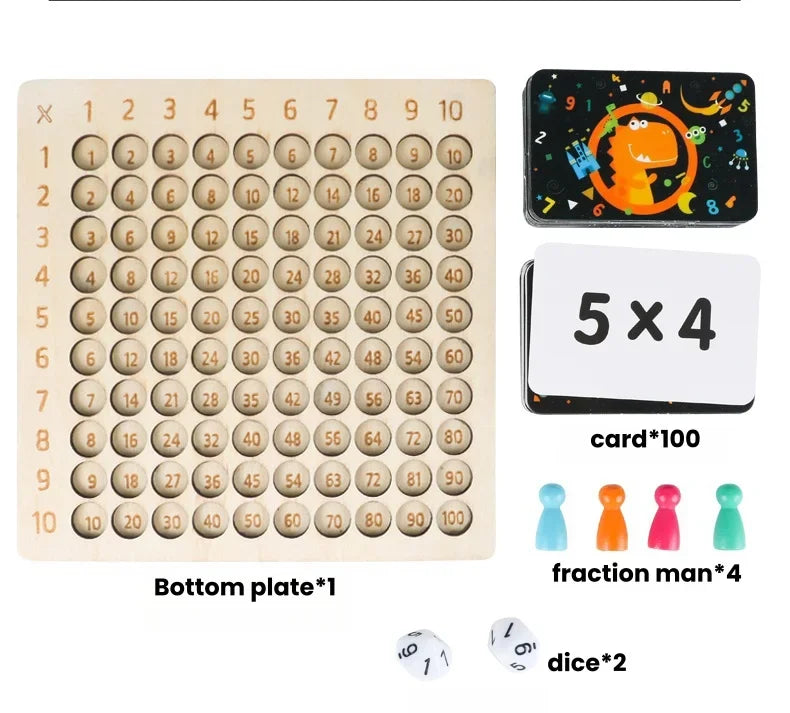
Interactive multiplication games help students practice fact fluency while staying engaged.
Choosing the Right Multiplication Game by Grade Level
Kindergarten–Grade 2
Look for games that introduce repeated addition, arrays, and basic multiplication concepts using colorful visuals and simple interactions.
Grades 3–5
Students should practice all multiplication facts while gradually solving multi-step problems using adaptive learning systems.
Struggling Learners
Choose educational multiplication games that provide extra hints, slower pacing, frequent encouragement, and progress monitoring.
Advanced Students
Students who already know their times tables benefit from games that include division, fractions, logic puzzles, and increasingly complex problem solving.
For families who prefer combining digital practice with tactile learning, the Montessori Wooden Math Learning Toy Set offers an effective hands-on complement to computer-based learning.
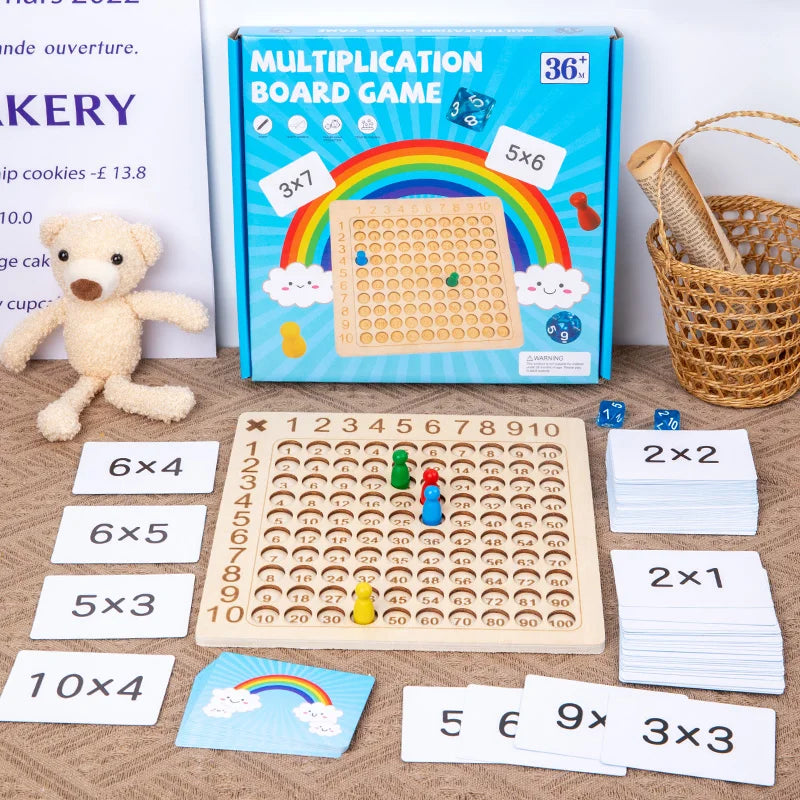
Combining hands-on learning with educational multiplication games can reinforce long-term understanding.
Support both digital and hands-on learning with the Montessori Wooden Math Learning Toy Set.
Offline Alternatives to Screen-Based Practice
Printable Worksheets
Worksheets remain useful for reinforcing recently learned multiplication facts, especially when paired with short online practice sessions.
Card Games
Simple multiplication card games encourage quick recall while allowing families to practice together without screens.
Board Games
Math board games promote strategic thinking, teamwork, and repeated multiplication practice in a relaxed environment.
A balanced routine that combines computer multiplication games with occasional offline activities often provides the best long-term results.
Frequently Asked Questions
What are the best free computer multiplication games?
Popular free choices include ABCya, Toy Theater, Math Playground, and selected activities from Prodigy Math and SplashLearn.
Which multiplication game is best for Grade 3 students?
Prodigy Math, SplashLearn, and Math Playground are excellent options because they combine curriculum-aligned practice with engaging gameplay.
Are online multiplication games effective for learning times tables?
Yes. Consistent use of interactive multiplication games helps improve fact fluency, retention, and confidence when combined with classroom instruction.
Can multiplication games improve math fluency faster than worksheets?
For many children, immediate feedback and adaptive practice make educational games more engaging than worksheets alone, encouraging more frequent practice.
Do multiplication games work on tablets, Chromebooks, and desktops?
Most leading online multiplication games support web browsers, Chromebooks, tablets, and desktop computers. Always check individual platform requirements before downloading.
How long should children play educational multiplication games each day?
About 10 to 20 minutes of focused daily practice is generally enough to build multiplication fluency without excessive screen time.
Pillar Article: Best Multiplication Computer Game for Kids Full Review
Other Related Articles:
Explore More:
- Easy Way to Learn Multiplication Without Tears or Stress
- Top Educational Multiplication Games Compared for Kids
How independent play naturally improves coordination
Independent play gives children the opportunity to explore, solve problems, and practice movements at their own pace. Rather than following constant instructions, children learn how to develop hand eye coordination by experimenting with different objects, repeating successful movements, and adapting when something doesn't work. This type of self-directed learning strengthens both physical skills and confidence.
- Create simple activity stations: Set up areas for stacking blocks, sorting objects, puzzles, or lock-and-key activities so children can choose tasks independently.
- Rotate toys regularly: Introducing familiar toys in a new rotation every week helps maintain curiosity while encouraging children to practice different movement patterns.
- Allow safe trial and error: Resist the urge to step in immediately. Giving children time to solve problems independently supports motor planning, persistence, and coordination.
- Praise effort over perfection: Celebrate persistence, concentration, and creative problem-solving instead of focusing only on completed results.
- Choose open-ended activities: Building sets, pretend play, art materials, and sorting games encourage exploration and repeated practice without feeling like structured exercises.
Regular independent play helps children develop stronger hand eye coordination while also improving attention span, decision-making, and confidence. These skills often transfer naturally to everyday activities such as dressing, eating, handwriting, and playground games.
For a complete setup, browse Mobility & Training for tools that encourage active movement.
Signs your child is improving (and what to expect)
Hand eye coordination develops gradually through regular practice, so focus on consistent improvement rather than perfection. Many children begin showing noticeable progress after 2–4 weeks of daily play-based activities, although the timeline varies depending on age, developmental stage, and how often they practice.
- Stronger grip and hand control: Children hold crayons, utensils, and small toys with greater stability and confidence.
- Improved catching, stacking, and building: Better timing and visual tracking make everyday play activities easier and more successful.
- More accurate drawing and coloring: Lines become steadier, shapes are easier to copy, and children stay within boundaries more consistently.
- Greater independence: Tasks such as dressing, feeding themselves, completing puzzles, and opening simple containers require less assistance.
- Longer attention span: Children are able to stay focused on fine motor activities and complete more challenging tasks without becoming frustrated.
One simple way to measure progress is to repeat the same activities every week. Notice whether your child catches more throws, stacks taller towers, completes puzzles more quickly, or finishes tracing and coloring with better accuracy. Small improvements over time are strong indicators that coordination skills are developing.
If preschoolers lack hand eye coordination, celebrate each milestone instead of comparing them with other children. Consistent, enjoyable practice builds confidence alongside physical skills, creating a strong foundation for learning, sports, and everyday independence.
Children build stronger hand eye coordination through hands-on activities that combine visual tracking, fine motor practice, and problem-solving during everyday play.
The most effective approach is to mix several age-appropriate activities throughout the week instead of relying on a single exercise. Combining ball games, building activities, drawing, sensory play, and practical life tasks helps children develop balanced coordination skills that transfer to school, sports, and everyday routines.
Support everyday learning through hands-on play
Make skill-building fun with the Montessori Lock and Key Toy Set , designed to encourage fine motor development, hand eye coordination, and independent problem-solving.
Frequently asked questions
1. How can I increase hand eye coordination quickly?
The fastest way to improve hand eye coordination is through short, consistent practice. Spend 10–15 minutes each day on activities such as ball toss, block stacking, drawing, threading beads, and simple problem-solving games. Regular practice is more effective than occasional long sessions.
2. What are the best hand eye coordination activities for kids?
Some of the most effective activities include catching and throwing soft balls, stacking blocks, completing puzzles, bead threading, tracing shapes, sensory play, and lock-and-key games. Combining different activities helps develop visual tracking, timing, fine motor control, and problem-solving skills.
3. How do you improve hand eye coordination in toddlers?
Choose simple, play-based activities designed for toddlers, including rolling balls, stacking cups, shape sorting, building towers, and large-piece puzzles. Keep sessions fun, age-appropriate, and pressure-free to encourage steady improvement.
4. What hand eye coordination activities are suitable for infants?
For infants, encourage reaching for colorful toys, grasping soft rattles, tummy time, object tracking, and transferring toys from one hand to the other. These early experiences help establish the foundation for later coordination skills.
5. How often should children practice coordination exercises?
Daily practice is ideal. Even 10–15 minutes of engaging activities most days of the week can produce steady progress while preventing frustration or fatigue.
6. Can fine motor skills activities improve hand eye coordination?
Yes. Activities that strengthen finger control—such as threading beads, drawing, using child-safe scissors, twisting locks, and manipulating small objects—also improve the coordination between visual input and precise hand movements.
7. What are the best preschool hand eye coordination activities?
Preschoolers benefit from obstacle courses, bean bag toss, coloring, tracing, building with blocks, puzzles, sorting games, and practical life activities such as pouring, scooping, and buttoning. These activities prepare children for handwriting and classroom tasks.
8. At what age does hand eye coordination fully develop?
Hand eye coordination begins developing in infancy and continues improving throughout childhood. Basic coordination emerges during the toddler and preschool years, while more advanced skills for sports, handwriting, and complex movements continue developing into adolescence.
Pillar Article: Increasing hand eye coordination: daily exercises that work
Other Related Articles:
- Preschool learning toy: how to choose and use effectively
- Sensory play 3 year olds: how to set up easy home activities
- Interactive educational toy: how to use for daily learning at home
Explore More:





