

Preschool learning toy: how to choose and use effectively
What is a preschool learning toy and does it really work?
A preschool learning toy helps children build essential skills like problem-solving, coordination, and focus through play. When chosen correctly, it keeps kids engaged longer, reduces boredom, and supports independent play. The right toy turns everyday moments into meaningful learning experiences without pressure or constant supervision.
Preschool learning toy: how to choose and use effectively
A preschool learning toy can transform daily play into powerful brain-building moments, but only if you choose wisely. From top educational toys for preschool learning to insights from montessori learning toys reviews for parents, this guide reveals why children get bored educational toys and how to avoid it. You’ll also discover practical tips for encouraging independent play toddlers actually enjoy—without constant supervision. Ready to unlock smarter playtime that lasts?
⏱ 5 min read
Ever bought a toy your child loved for just one day… then ignored forever? You’re not alone. Many parents struggle with toys that promise learning but fail to hold attention.
Which preschool learning toy actually keeps kids engaged while teaching real skills? Read on to find out.
Explore engaging options in Baby Growth & Learning designed to support development through play.
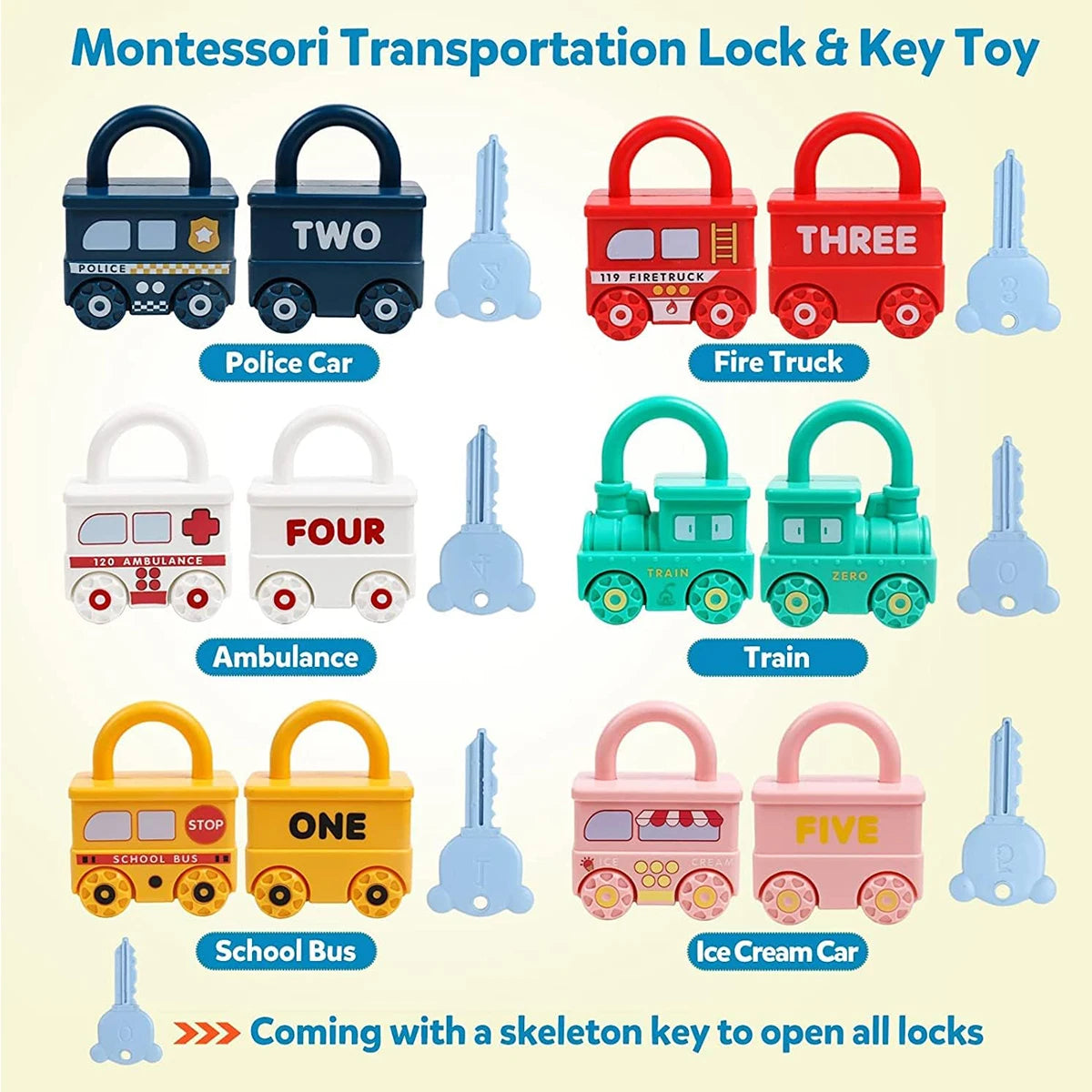
💡 See it in action - preschool learning toy / top educational toys for preschool learning, children get bored educational toys, montessori learning toys reviews for parents, tips for encouraging independent play toddlers
Why children get bored educational toys (and how to fix it)
Many toys fail because they either overstimulate or under-challenge. Kids quickly lose interest when a toy doesn’t match their developmental stage.
- Too simple → no challenge
- Too complex → frustration
- Too flashy → short attention span
- No interaction → limited learning value
That’s why many parents searching for montessori learning toys reviews for parents are shifting toward simpler, skill-based toys.
Instead of passive entertainment, children need toys that encourage thinking, exploration, and repetition.
How to choose the right preschool learning toy that actually works
A preschool learning toy should match your child’s curiosity and skill level while encouraging independence.
-
Look for open-ended play
Toys that allow multiple ways to play keep kids engaged longer. -
Prioritize hands-on interaction
Children learn best by doing, not watching. -
Choose age-appropriate challenges
The right level builds confidence and focus. -
Focus on real-life skills
Locks, sorting, stacking, and matching build practical abilities.
Explore engaging tools from Sensory Toys to support curiosity-driven learning.
Quick comparison: effective vs ineffective toys
| Effective Learning Toys | Ineffective Toys |
|---|---|
| Encourage problem-solving | Passive button pressing |
| Adapt to skill levels | One fixed function |
| Promote independence | Require constant adult help |
Browse smart selections in Mobility & Training that grow with your child.
Top educational toys for preschool learning that parents trust
Parents consistently report better engagement with toys that mimic real-life actions.
- Lock and key sets
- Shape sorters
- Stacking blocks
- Fine motor activity boards
One standout option is a lock-and-key toy that teaches coordination, patience, and logical thinking.
👉 Try it here: Montessori Lock and Key Toy Set
This type of toy aligns with montessori learning toys reviews for parents, emphasizing independence and real-world skills.
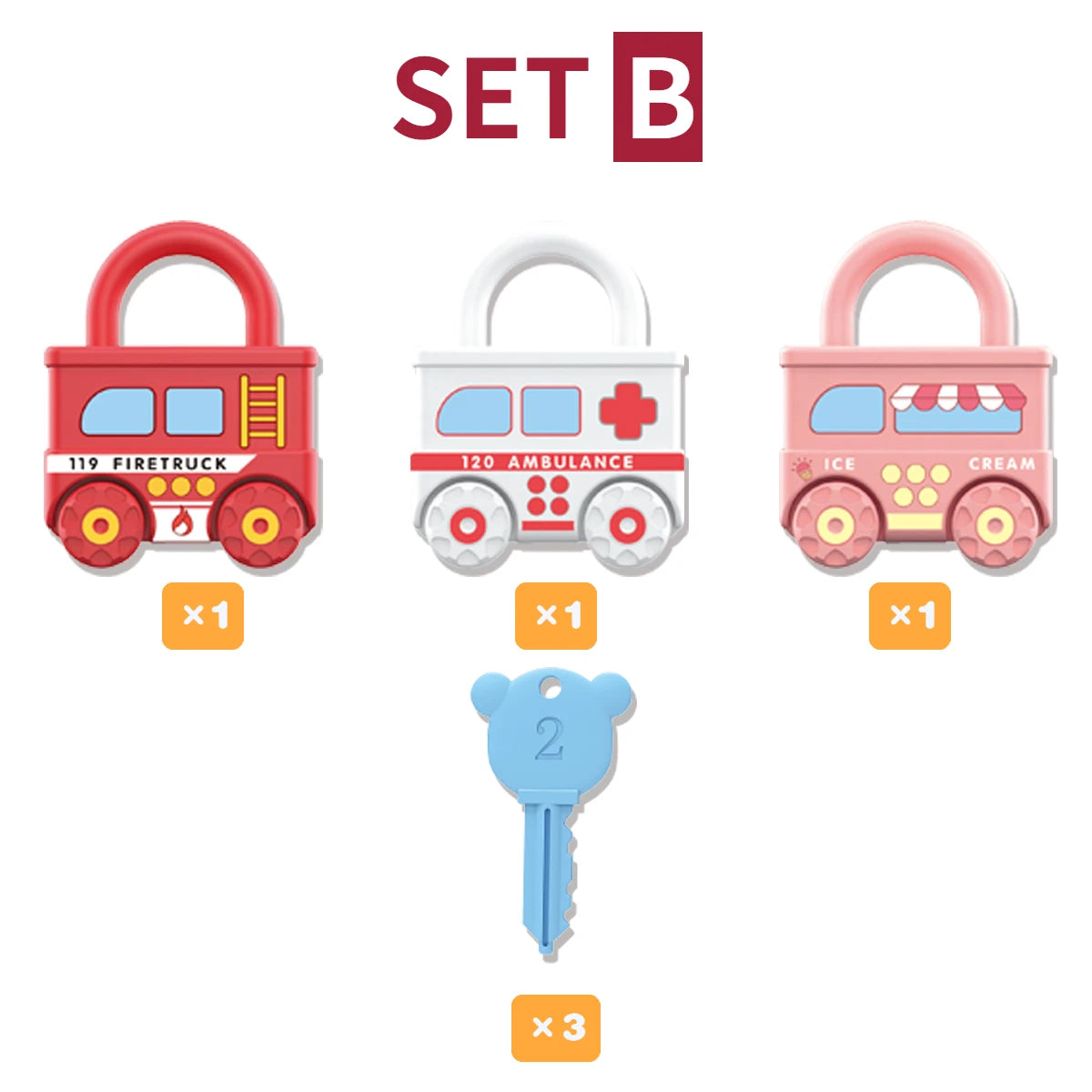
💡 See it in action - preschool learning toy / top educational toys for preschool learning, children get bored educational toys, montessori learning toys reviews for parents, tips for encouraging independent play toddlers
How this preschool learning toy builds independent play habits
A preschool learning toy becomes powerful when used intentionally.
- Start with guided play
Show your child how it works once. - Step back gradually
Let them explore independently. - Encourage repetition
Mastery builds confidence. - Rotate toys weekly
Keep excitement fresh.
These tips for encouraging independent play toddlers help reduce reliance on screens and constant supervision.
Support a calm play environment with essentials from Sleep & Comfort to help kids stay focused longer.
Common mistakes to avoid
- Interrupting play too often
- Offering too many toys at once
- Choosing toys based on trends, not needs
Real benefits parents notice within days
When using the right preschool learning toy, many parents report:
- Longer independent play sessions
- Improved focus and patience
- Less screen dependency
- Stronger fine motor skills
Parent insight: “My toddler used to get bored in minutes. Now she spends 20+ minutes solving lock puzzles on her own.”
Pair learning toys with routines supported by Baby Care Essentials to create a balanced daily rhythm.
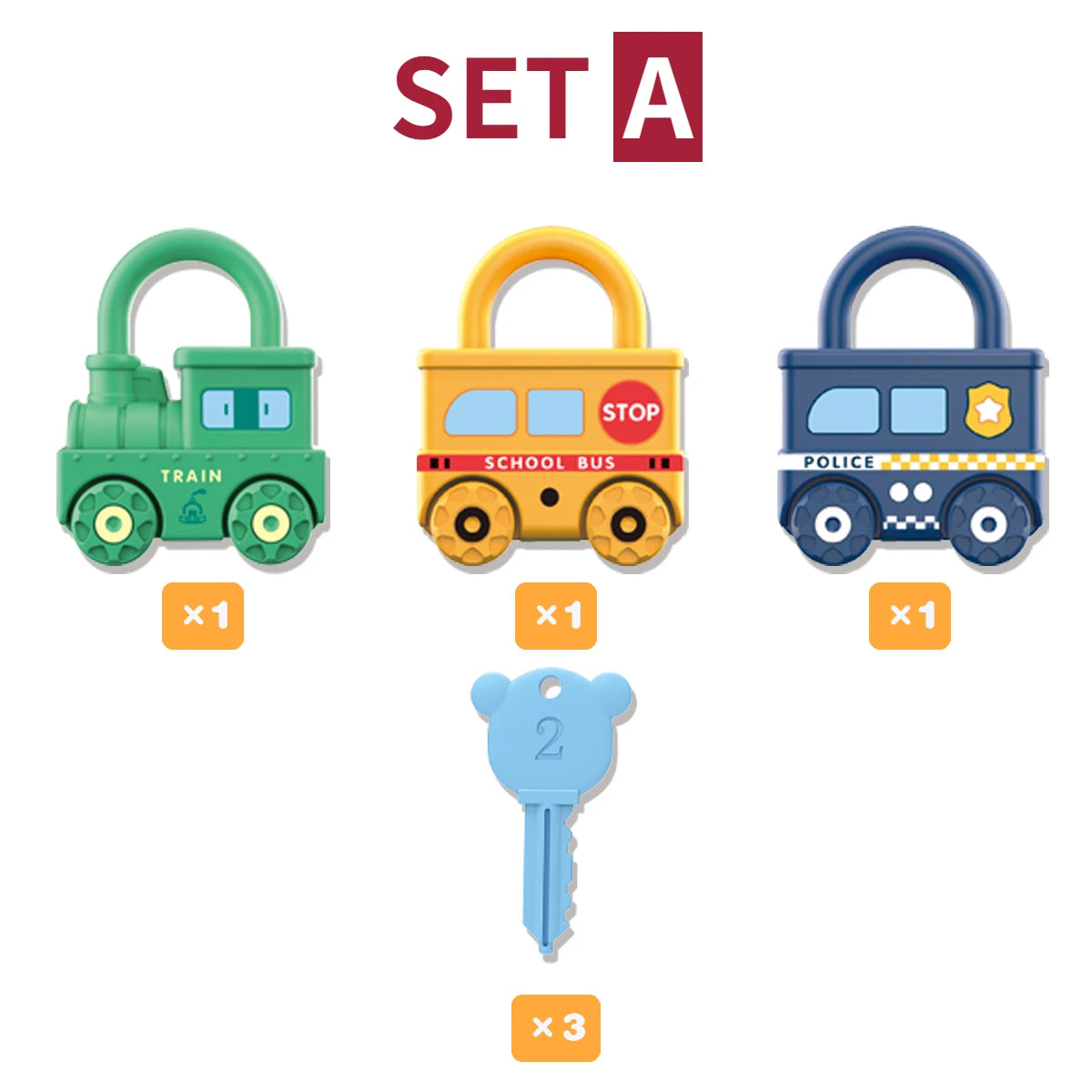
💡 See it in action - preschool learning toy / top educational toys for preschool learning, children get bored educational toys, montessori learning toys reviews for parents, tips for encouraging independent play toddlers
Upgrade playtime today with the Montessori Lock and Key Toy Set and see the difference in days.
FAQs
What makes a preschool learning toy effective?
An effective toy encourages active participation, matches your child’s skill level, and supports problem-solving. It should keep children engaged without overwhelming them.
Why do children get bored educational toys quickly?
Boredom often comes from toys being too simple, too complex, or lacking interaction. Children need toys that evolve with their abilities and encourage exploration.
How can I encourage independent play with toddlers?
Start with guided play, then gradually step back. Offer fewer toys at once, rotate them regularly, and create a distraction-free environment to help your child focus.
Pillar Article: Increasing hand eye coordination: daily exercises that work
Other Related Articles:
- How to increase hand eye coordination: simple daily drills for kids
- Sensory play 3 year olds: how to set up easy home activities
- Interactive educational toy: how to use for daily learning at home
Explore More:





