

Kindergarten number recognition activities: Daily practice guide
What are kindergarten number recognition activities?
Kindergarten number recognition activities help children identify, understand, and connect numbers to real quantities through hands-on practice and repetition. These activities build early numeracy skills by combining visual cues, counting, and play-based learning, making it easier for kids to recognize numbers quickly and confidently in everyday situations.
Kindergarten number recognition activities: Daily practice guide
⏱ 6 min read
Struggling to help your child recognize numbers without frustration or tears? You’re not alone. Many parents notice their kids have trouble understanding quantities or remembering numbers consistently. The good news: with the right daily routine and playful approach, number recognition can suddenly “click”—and this guide shows you exactly how.
Quick question: Why do some kids suddenly understand numbers overnight while others struggle for months? Keep reading—you’re about to find out.
💡 See it in action - kindergarten number recognition activities / best ways to teach preschool math, kids have trouble understanding quantities, early childhood math learning strategies parents
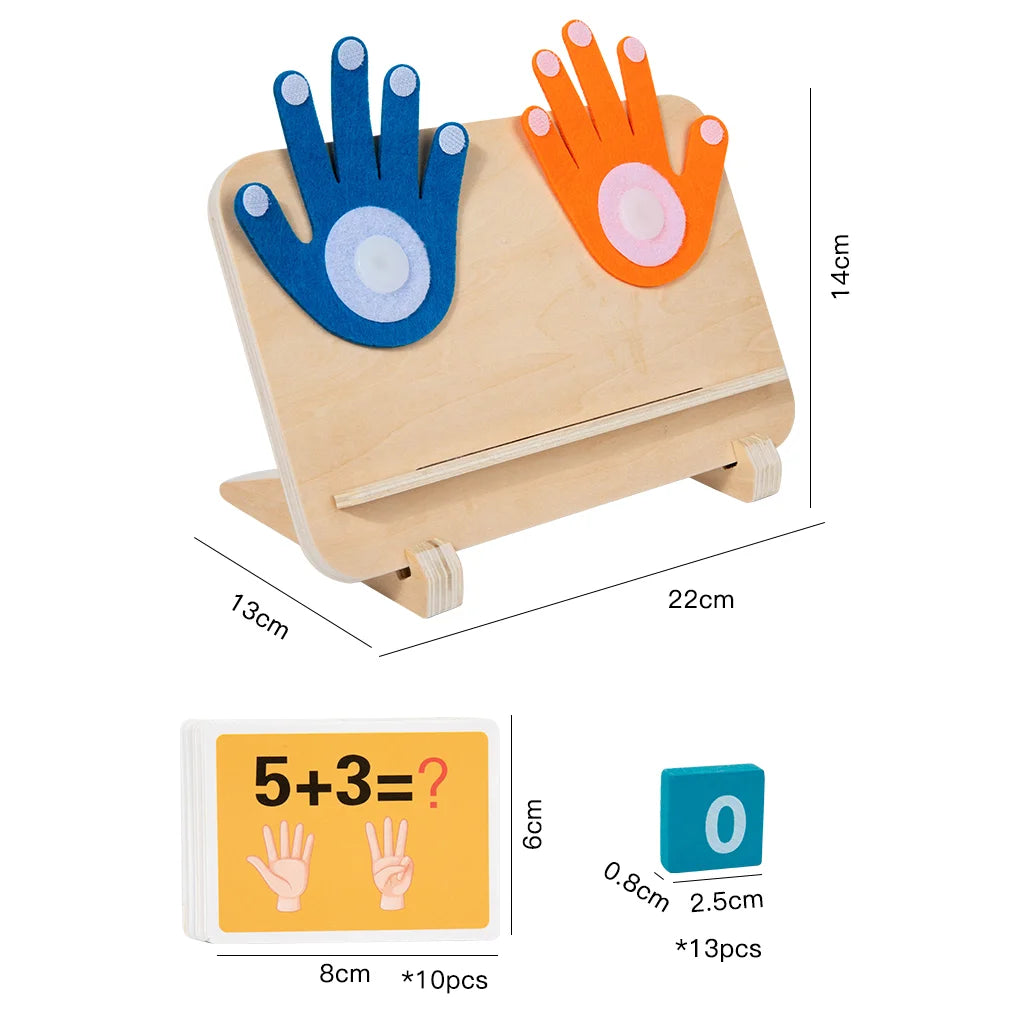
👉 Discover playful tools that make learning numbers easier: Wooden Finger Counting Toy
Why kids struggle with number recognition (and how to fix it)
Before jumping into activities, it helps to understand the root problem. Many children don’t struggle with numbers—they struggle with connecting numbers to meaning.
- They memorize “1, 2, 3…” but don’t understand quantity
- They confuse similar shapes (like 6 and 9)
- They lack hands-on exposure
- They feel pressure, leading to early math anxiety
Fixing this starts with one simple shift: make numbers physical, visual, and part of daily life.
Explore more supportive learning tools in Baby Growth & Learning to create a stress-free environment.
How a simple daily routine builds number recognition faster
Consistent short practice beats long, stressful sessions. Here’s a proven daily structure that works for most kindergarten learners:
- Morning warm-up (2–3 minutes): Count objects during routine (toys, steps, snacks)
- Midday play (5 minutes): Use hands-on counting games
- Evening review (3 minutes): Ask simple number questions (“Where is number 4?”)
- Real-life application: Count items while cooking, cleaning, or shopping
This structure supports early childhood math learning strategies parents can easily follow without adding stress.
👉 Learn step-by-step ways to build stronger learning habits: Explore Baby Growth & Learning Tips
Hands-on games that make numbers stick instantly
Children learn best by doing—not memorizing. These activities turn abstract numbers into something real.
1. Finger counting games
- Use fingers to represent numbers visually
- Helps connect numbers with quantity
- Builds muscle memory
2. Object grouping
- Group toys into sets (3 cars, 5 blocks)
- Ask your child to match numbers to groups
3. Number hunt
- Find numbers around the house
- Turn learning into a game
4. Matching cards
- Match number symbols with dot cards
- Strengthens visual association
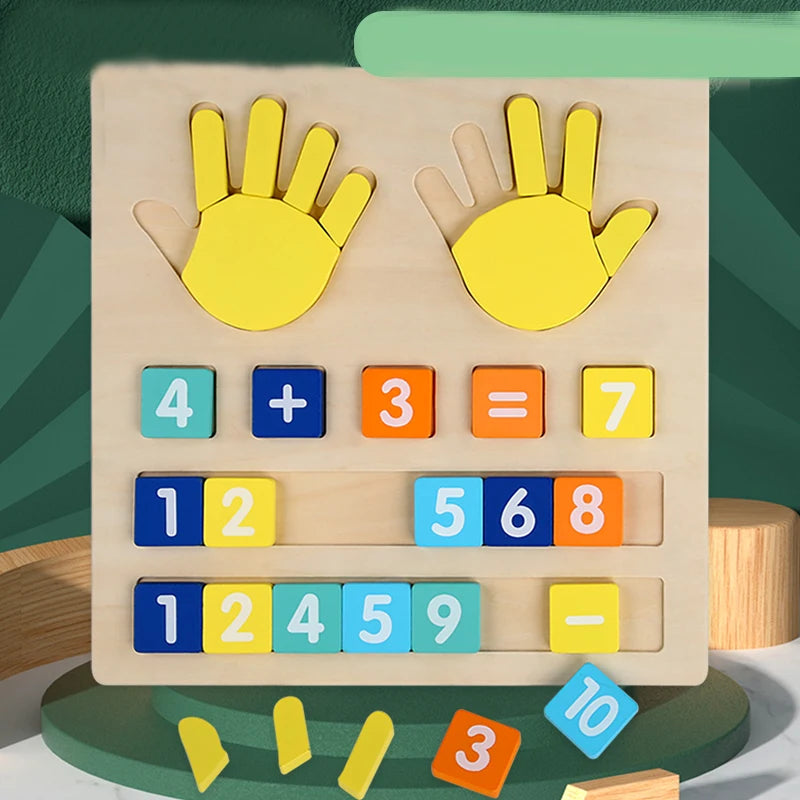
Parents often report faster progress when using tactile tools like the Wooden Finger Counting Toy, especially for kids who struggle with abstract concepts.
💡 See it in action - kindergarten number recognition activities / best ways to teach preschool math, kids have trouble understanding quantities, early childhood math learning strategies parents
Visual tricks that help kids understand quantities faster
Some kids don’t respond to counting alone—they need visual reinforcement.
| Technique | Why it works |
|---|---|
| Dot patterns | Helps kids “see” quantity instantly |
| Color coding | Associates numbers with visual cues |
| Number lines | Shows order and spacing |
| Hand visuals | Connects numbers to physical movement |
These strategies are especially helpful for kids who have trouble understanding quantities.
Common mistakes that slow down number learning
Even with good intentions, some habits can delay progress:
- ❌ Focusing only on memorization
- ❌ Practicing too long (leading to frustration)
- ❌ Skipping hands-on learning
- ❌ Correcting too harshly
Instead, aim for:
- ✅ Short, fun sessions
- ✅ Positive reinforcement
- ✅ Real-life integration
- ✅ Repetition through play
Support calm learning routines with tools from Sensory Toys that keep children engaged longer.
Why the right tools make learning easier (and faster)
Kindergarten number recognition activities become significantly more effective when paired with tactile tools.
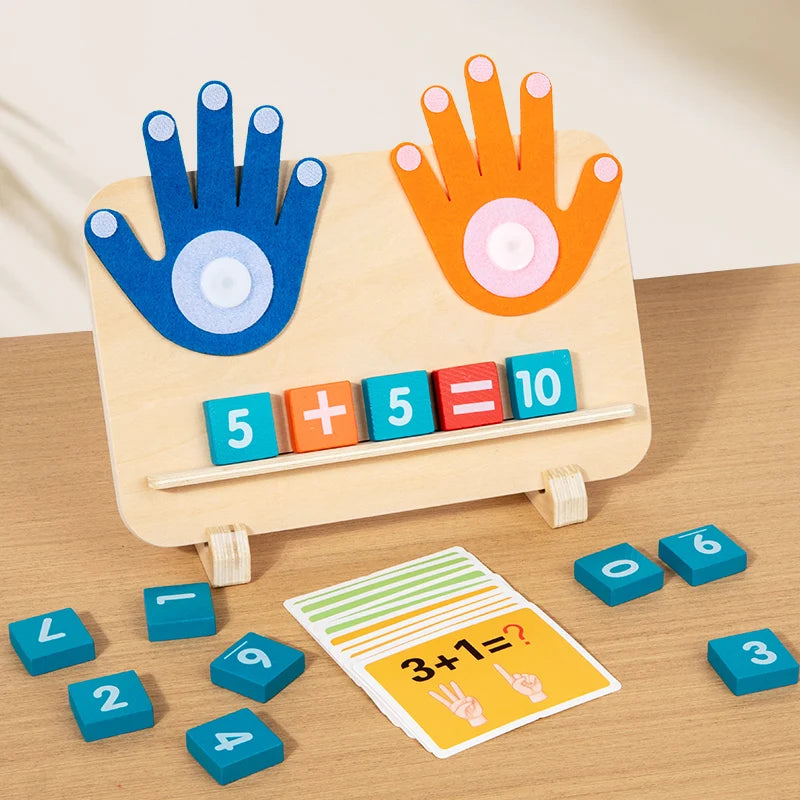
Tools like counting toys provide:
- Clear visual representation
- Hands-on interaction
- Independent practice opportunities
- Reduced learning frustration
Real parent feedback:
“After just one week using a finger counting toy, my child stopped guessing numbers and started recognizing them confidently.”
That’s the difference between passive learning and active engagement.
💡 See it in action - kindergarten number recognition activities / best ways to teach preschool math, kids have trouble understanding quantities, early childhood math learning strategies parents
👉 Get yours now — limited stock! Shop the Wooden Finger Counting Toy
FAQs
1. How long does it take for kids to learn number recognition?
Answer: Most children improve within 2–4 weeks with daily short practice. Consistency and hands-on activities are key to faster progress.
2. What if my child still struggles with counting?
Answer: Focus on physical and visual learning instead of memorization. Use objects, fingers, and simple games to build understanding gradually.
3. What is the best age to start number recognition activities?
Answer: Many children can start around age 3–4. Early exposure through play helps build strong early numeracy skills before kindergarten.
Pillar Article: Math hands on activities for preschoolers: Easy step-by-step guide
Other Related Articles:
- Number recognition activities for preschool: How to teach fast
- Wooden number blocks: How to use for early math learning
- Preschool number recognition activities: Easy home teaching guide
Explore More:





