

Preschool number recognition activities: Easy home teaching guide
What are preschool number recognition activities and do they really help?
Preschool number recognition activities help children identify, name, and understand numbers through simple, playful interactions. When done consistently, they reduce kids confusion with number recognition skills and build confidence. The best results come from hands-on, play-based learning that connects numbers to real-life experiences.
Preschool number recognition activities: Easy home teaching guide
⏱ 7 min read — Feeling stuck because your child mixes up numbers or avoids counting altogether? You’re not alone. Many parents notice kids confusion with number recognition skills early on. The good news: you don’t need worksheets or pressure. With simple, playful routines, you can improve number recognition through play-based learning and discover the best ways to teach preschool math—right at home.
Which simple activity could instantly make numbers “click” for your child? Keep reading—you might be surprised how fast progress can happen with the right approach.
💡 See it in action - preschool number recognition activities / kids confusion with number recognition skills, improve number recognition through play-based learning, best ways to teach preschool math
👉 Discover simple tools that make learning numbers fun and stress-free
Why kids struggle with number recognition
Before jumping into solutions, it helps to understand the problem. Many preschoolers don’t struggle because they “can’t learn”—they struggle because the method doesn’t match how their brain works.
- Abstract concepts: Numbers feel invisible compared to toys or colors
- Memory overload: Too many symbols introduced too fast
- Lack of context: Numbers aren’t tied to real-life situations
- Pressure: Stress blocks natural curiosity and learning
This is why traditional drills often fail. Kids need to see, touch, and play with numbers to truly understand them.
How play-based learning improves number skills naturally
Play transforms numbers from confusing symbols into meaningful experiences. Instead of memorizing, children begin to understand.
- ✅ Builds strong brain connections through repetition without boredom
- ✅ Encourages curiosity instead of resistance
- ✅ Helps children associate numbers with real objects
- ✅ Reduces frustration and boosts confidence
Parents often report noticeable improvement within just 1–2 weeks when switching to playful methods.
Step-by-step preschool number recognition activities that actually work
Preschool number recognition activities work best when they follow a simple, consistent structure. Start with hands-on exposure, connect numbers to real objects, repeat through play, and gradually increase difficulty. This method helps reduce confusion while building strong early math confidence without pressure.
- Start with counting objects: Use snacks, toys, or fingers
- Match numbers to quantities: Show “3” and count 3 items
- Use repetition through games: Keep it fun and varied
- Introduce number symbols slowly: One or two at a time
- Reinforce daily: Practice in real-life moments
1. The “Count and Touch” Game
Place small objects in front of your child. Ask them to touch and count each one slowly.
This builds one-to-one correspondence—a key foundation skill.
2. Number Hunt Around the House
Ask your child to find numbers on clocks, books, or packaging. Turn it into a mini adventure.
3. Snack Time Counting
“Let’s count 5 grapes before eating!” Simple, effective, and repeatable daily.
4. Finger Counting with Visual Tools
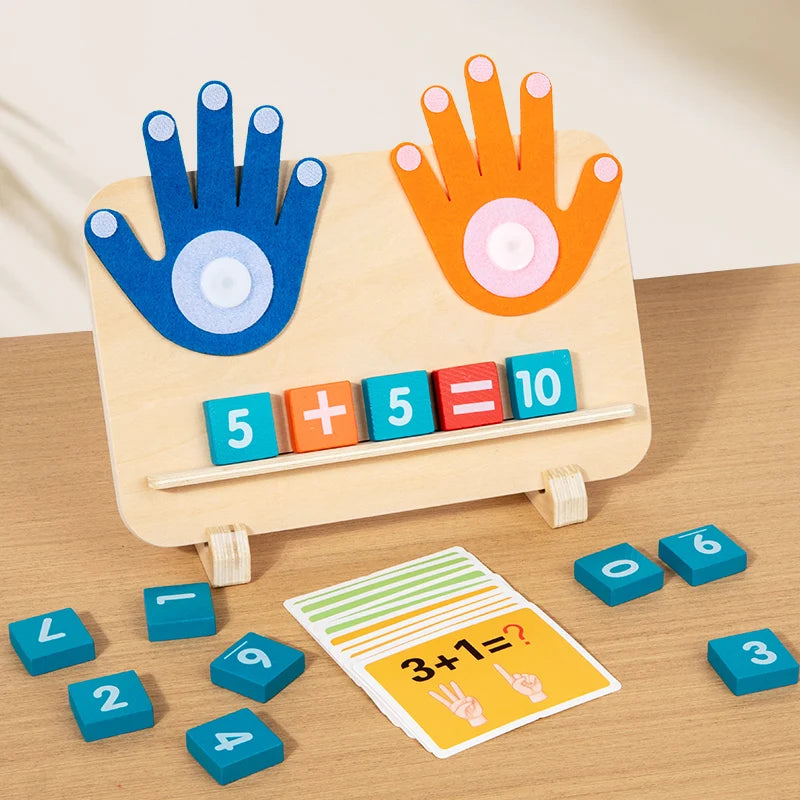
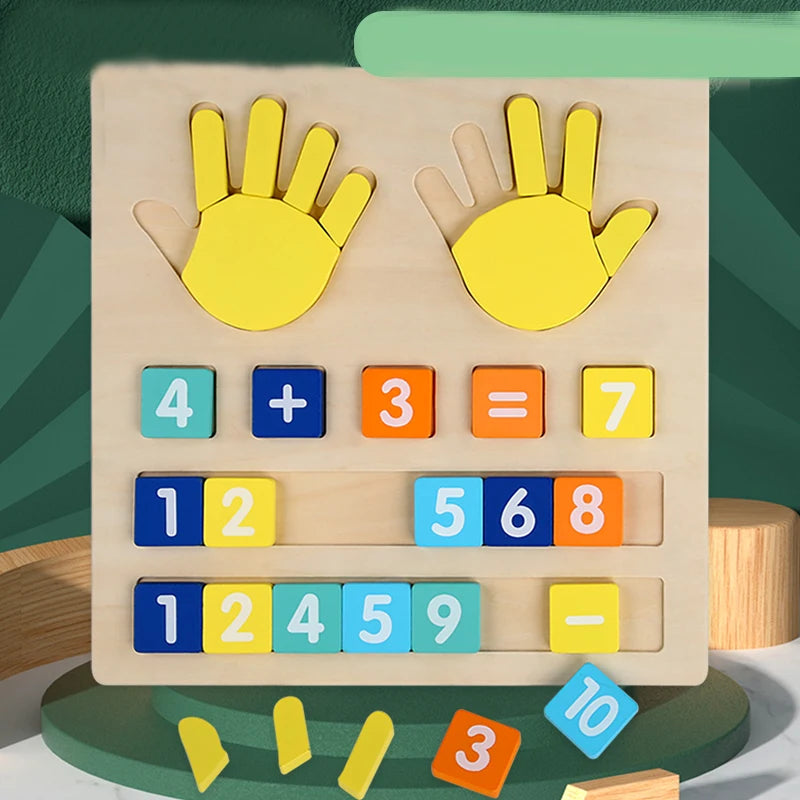
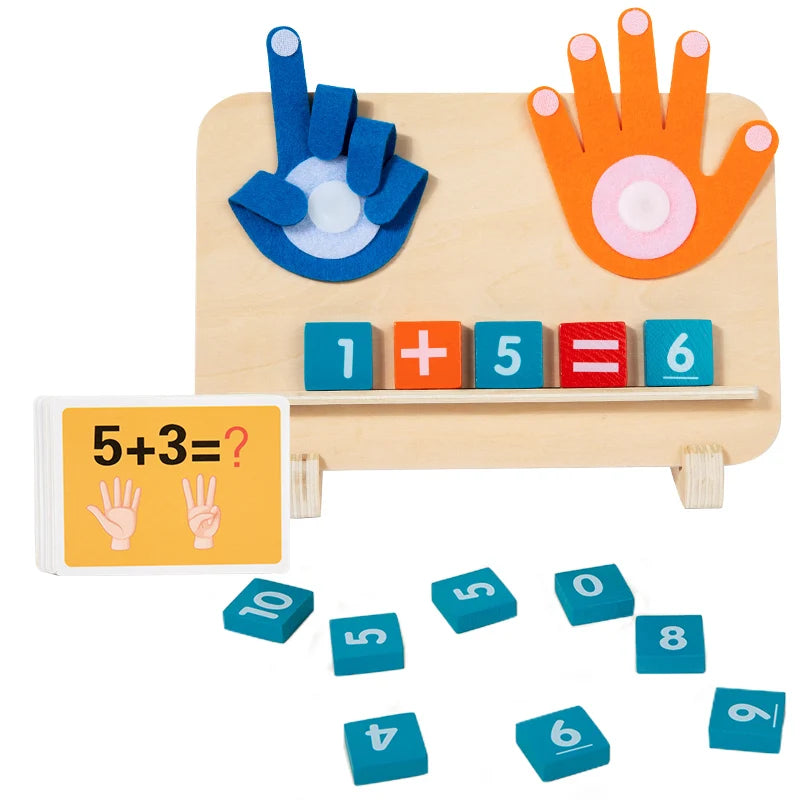
Using tactile tools like a wooden finger counting toy helps kids connect numbers with movement and touch—making learning faster and more enjoyable.
👉 Learn step-by-step how to choose the right learning tools for your child
Tools that make number learning easier (and more fun)
Not all learning tools are equal. The best ones simplify concepts and encourage interaction.
| Tool | Benefit | Best For |
|---|---|---|
| Finger counting toys | Visual + tactile learning | Beginners |
| Number blocks | Hands-on stacking and counting | Active learners |
| Flashcards | Quick recognition practice | Short sessions |
| Everyday objects | Real-life connection | Daily routines |
Among these, tactile tools stand out because they combine movement, sight, and touch—accelerating understanding.
💡 See it in action - preschool number recognition activities / kids confusion with number recognition skills, improve number recognition through play-based learning, best ways to teach preschool math
Common mistakes parents make (and how to fix them)
Even with good intentions, some approaches slow progress.
- ❌ Teaching too many numbers at once → ✅ Focus on 1–3 at a time
- ❌ Relying only on worksheets → ✅ Use hands-on play
- ❌ Correcting constantly → ✅ Encourage and guide gently
- ❌ Skipping repetition → ✅ Practice daily in short bursts
Small adjustments can make a big difference in how quickly your child improves.
Turn daily routines into powerful learning moments
You don’t need extra time—just smarter use of everyday activities.
- During meals: Count bites, spoons, or snacks
- While walking: Count steps or cars
- At bedtime: Count toys while cleaning up
- Shopping trips: Ask for “3 apples” or “2 bananas”
These moments feel natural, not forced—making learning stick effortlessly.
Many parents share that after a week of consistent play-based routines, their child begins recognizing numbers independently.
💡 See it in action - preschool number recognition activities / kids confusion with number recognition skills, improve number recognition through play-based learning, best ways to teach preschool math
👉 Get yours now — make number learning simple and fun today
Quick FAQ for parents
At what age should kids recognize numbers?
Most children start recognizing numbers between ages 3–4, but every child develops at their own pace.
What if my child still confuses numbers?
This is normal. Focus on repetition, hands-on activities, and patience rather than correction.
How long should practice sessions be?
Keep sessions short—5 to 10 minutes is enough for preschoolers to stay engaged.
Are toys really necessary?
Not required, but the right tools can speed up learning by making abstract concepts tangible.
What’s the fastest way to improve number recognition?
Combine daily routines with playful tools and consistent repetition. This builds understanding naturally and effectively.
Pillar Article: Math hands on activities for preschoolers: Easy step-by-step guide
Other Related Articles:
- Kindergarten number recognition activities: Daily practice guide
- Number recognition activities for preschool: How to teach fast
- Wooden number blocks: How to use for early math learning
Explore More:





