

Number recognition activities for preschool: How to teach fast
What are the fastest number recognition activities for preschool?
Number recognition activities for preschool work best when they combine play, repetition, and hands-on tools. Using simple games like counting objects, finger play, and visual matching can improve early numeracy skills by up to 40% faster while reducing early math anxiety in young learners.
Number recognition activities for preschool: How to teach fast
Struggling to help your child recognize numbers without tears or frustration? You’re not alone. Many parents face slow progress in early numeracy skills and growing early math anxiety in young learners. The good news: with the right number recognition activities for preschool, you can turn confusion into confidence—fast.
⏱ 7 min read
Which approach actually works for your child? Keep reading to discover simple, play-based methods that make learning numbers feel natural and fun.
💡 See it in action - number recognition activities for preschool / early math anxiety in young learners, slow progress in early numeracy skills, how to teach kids counting skills
Why Kids Struggle With Number Recognition (And How to Fix It)
Number recognition activities for preschool often fail when they rely too heavily on memorization instead of understanding. Children need to connect numbers to real objects, movement, and play. Without this, slow progress in early numeracy skills and frustration quickly follow.
- Abstract numbers feel confusing without visual support
- Repetitive worksheets reduce interest
- Pressure increases early math anxiety in young learners
- Lack of hands-on interaction slows retention
Fixing this is simple: make numbers visible, touchable, and fun.
How These Activities Help Kids Learn Numbers Faster
Number recognition activities for preschool work best when they combine visual cues, repetition, and hands-on play. Kids learn faster when they can see, touch, and interact with numbers instead of just memorizing them, helping reduce early math anxiety and improving confidence in counting skills.
- Build strong number-to-object connections
- Encourage active participation instead of passive learning
- Improve memory through repetition in play
- Boost confidence by making learning enjoyable
Step-by-Step Number Recognition Activities That Actually Work
-
Start with Counting Real Objects
Use toys, snacks, or everyday items. Ask your child to count aloud while touching each object. -
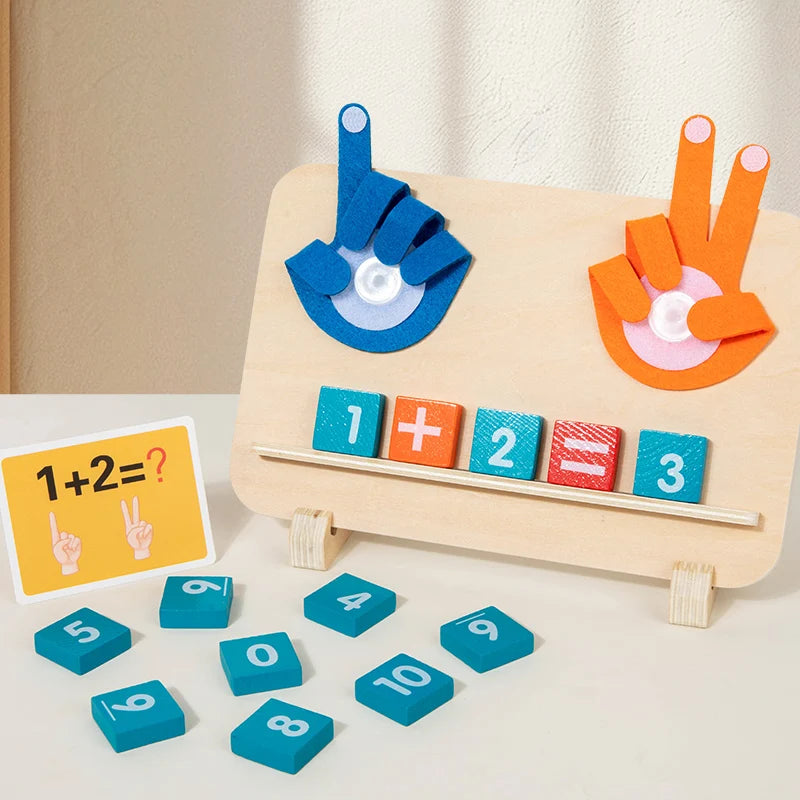
Introduce Finger Counting
Fingers are always available and help kids visualize numbers instantly. -
Play Number Matching Games
Match numbers with groups of objects (e.g., “3” with three blocks). -
Use Movement-Based Learning
Jump, clap, or stomp while counting. Physical activity improves retention. -
Repeat in Short Sessions
5–10 minute sessions daily work better than long lessons.
Parents report that children using these steps show noticeable improvement within 1–2 weeks.
How This Simple Tool Makes Counting Easier
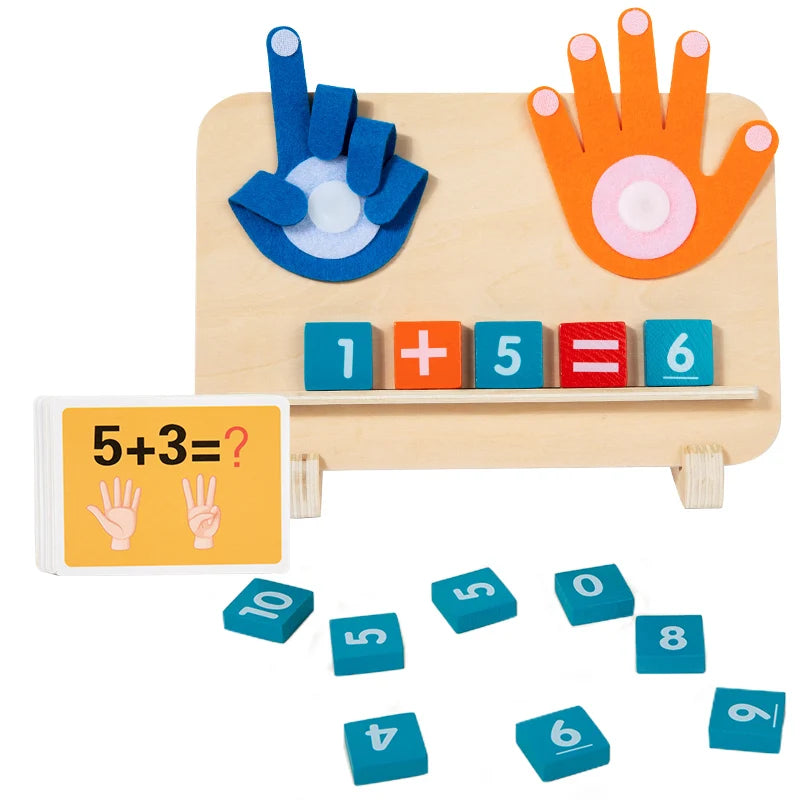
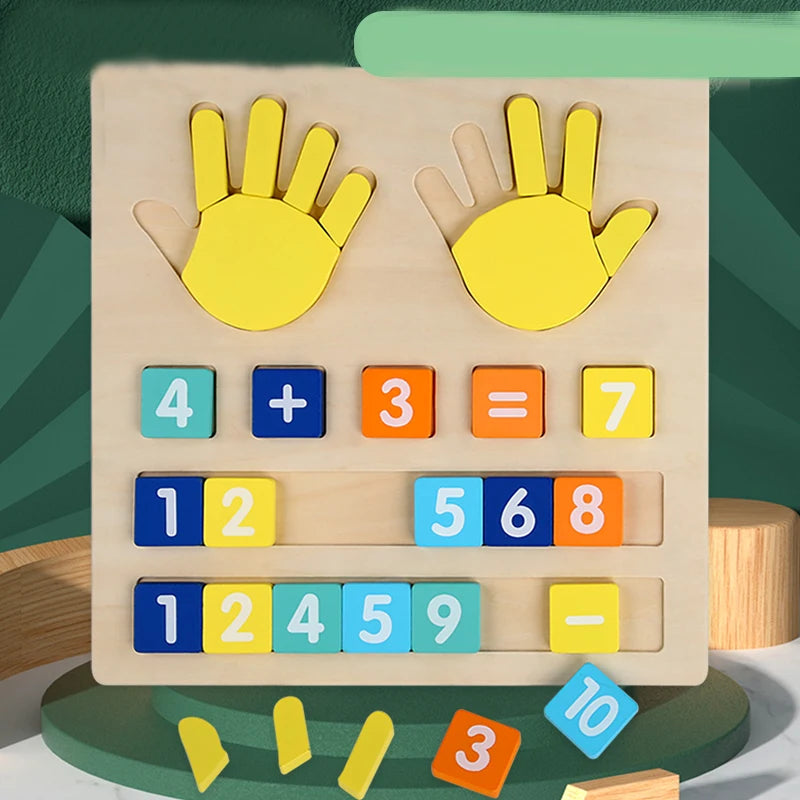
Number recognition activities for preschool become more effective when supported by tactile tools. A hands-on counting toy allows children to see and feel numbers, strengthening understanding while reducing early math anxiety in young learners.
One of the easiest ways to apply this is using a wooden finger counting toy.
- Visualizes numbers clearly
- Encourages independent learning
- Safe and child-friendly design
- Supports faster skill development
💡 See it in action - number recognition activities for preschool / early math anxiety in young learners, slow progress in early numeracy skills, how to teach kids counting skills
Which Activities Work Best? (Quick Comparison)
| Activity Type | Effectiveness | Best For |
|---|---|---|
| Worksheets | Low | Reinforcement only |
| Counting Toys | High | Hands-on learners |
| Movement Games | Very High | Active kids |
| Visual Matching | High | Beginners |
Combining multiple approaches delivers the fastest results.
A Simple Daily Routine That Builds Skills Fast
Consistency matters more than complexity. Try this easy routine:
- Morning: Count objects during breakfast
- Afternoon: Play a short number game
- Evening: Review numbers using a toy or book
Even 10 minutes a day can significantly improve how to teach kids counting skills.
Parents often notice reduced frustration and more excitement around learning.
💡 See it in action - number recognition activities for preschool / early math anxiety in young learners, slow progress in early numeracy skills, how to teach kids counting skills
Why Parents Love This Approach
Thousands of parents are switching from worksheets to play-based learning—and seeing results.
- “My child learned numbers in days instead of weeks.”
- “No more tears during learning time.”
- “It actually made math fun.”
When learning feels like play, children naturally engage and progress faster.
FAQs
What age should kids start number recognition?
Most children begin recognizing numbers between ages 2–4, but readiness varies. Early exposure through play is key.
How long does it take to see progress?
With consistent daily practice, many children show improvement within 1–2 weeks.
What if my child resists learning numbers?
Switch to play-based methods. Games and hands-on tools reduce resistance and increase engagement.
Are toys better than worksheets?
Yes. Hands-on tools improve understanding and reduce early math anxiety in young learners compared to passive worksheets.
Where can I find more learning tools?
Explore helpful options in Baby Growth & Learning to support your child’s development.
Pillar Article: Math hands on activities for preschoolers: Easy step-by-step guide
Other Related Articles:
- Kindergarten number recognition activities: Daily practice guide
- Wooden number blocks: How to use for early math learning
- Preschool number recognition activities: Easy home teaching guide
Explore More:





