

Sorting Toys for Preschoolers: What Really Helps?
Are sorting toys for preschoolers good for development?
Yes—sorting toys for preschoolers are highly effective for early development. They build foundational skills by helping children connect colors, shapes, and objects while practicing logical thinking through hands-on play. Unlike passive learning, sorting toys actively engage the brain, strengthening fine motor control, early math understanding, and problem-solving abilities.
These toys support multiple skill categories at once:
- ✔️ Cognitive skills (classification, logic, memory)
- ✔️ Fine motor skills (grasping, placing, coordination)
- ✔️ Early math skills (patterns, grouping, counting)
- ✔️ Visual recognition (colors, shapes, differences)
For parents choosing educational toys, sorting toys offer one of the most reliable ways to combine play with real developmental progress.
Sorting Toys for Preschoolers: Best Types Compared
Sorting toys for preschoolers can do far more than keep little hands busy—they quietly build logic, color recognition, and early math skills. But which types actually deliver the strongest developmental impact? From simple shape sorters to advanced wooden stacking sets, understanding how each type works helps you choose smarter.
⏱ 7 min read
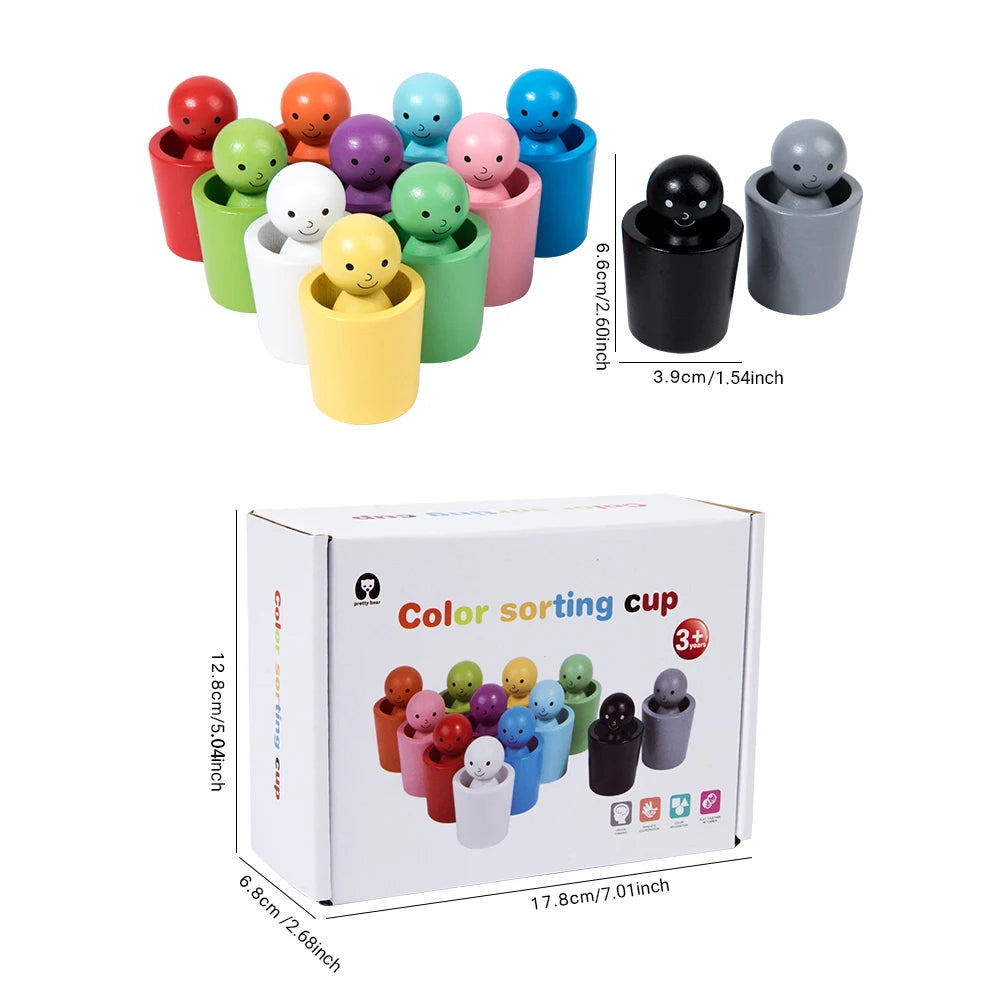
sorting toys for preschoolers that build early skills
What Skills Do Sorting Toys Develop?
Color and Shape Recognition
Sorting toys help children visually distinguish colors and shapes, reinforcing recognition through repetition and hands-on interaction.
Fine Motor Skills and Hand-Eye Coordination
Picking up, aligning, and placing objects strengthens finger control and coordination—key for writing and daily tasks.
Classification and Problem Solving
Children learn to group objects based on shared characteristics, building logical thinking and independent problem-solving skills.
Early Math and Pattern Recognition
Sorting introduces early math concepts such as patterns, sequences, and counting—laying the groundwork for future numeracy.
Best Sorting Toys for Preschoolers by Learning Goal
Color Sorting Toys for Preschoolers
Ideal for teaching color recognition and categorization through visual matching.
- ✔️ Strong cognitive development
- ✔️ Encourages independent play
Shape Sorting Toys Preschool
Classic toys that introduce geometry and spatial reasoning.
- ✔️ Great for beginners
- ❌ Limited long-term challenge
Wooden Color Sorting Stacking Toys
Multi-functional toys combining sorting, stacking, and coordination.
- ✔️ High replay value
- ✔️ Builds multiple skills simultaneously
Multi-Attribute and Montessori Sorting Toys
Advanced toys that combine color, size, and shape sorting for deeper learning.
- ✔️ Encourages critical thinking
- ✔️ Supports Montessori-style learning
Best Sorting Toys by Age (3, 4, and 5 Years)
Best for 3-Year-Olds: Simple Sorting
Focus on basic color or shape matching with larger, easy-to-handle pieces.
Best for 4-Year-Olds: Multi-Step Sorting
Introduce toys that combine multiple attributes like color + size for more challenge.
Best for 5-Year-Olds: Advanced Logic and Patterns
Choose toys that involve sequencing, pattern creation, and problem-solving tasks.
Sorting Toy Comparison Table
| Type | Skills Developed | Best Age | Pros | Limitations |
|---|---|---|---|---|
| Shape Sorters | Problem-solving | 1–2 | Simple, intuitive | Low replay value |
| Color Sorting Toys | Color recognition, logic | 2–4 | Strong cognitive boost | Needs guidance initially |
| Wooden Sorting Toys | Fine motor, stacking, logic | 2–5 | Multi-skill, durable | Higher cost |
How to Choose the Right Sorting Toy
Choose Based on Skill Level
Select toys that match your child’s developmental stage to avoid frustration or boredom.
Material: Wooden vs Plastic
Wooden toys offer durability and tactile learning, while plastic options are lightweight and often more affordable.
Safety and Size Considerations
Ensure pieces are large enough to prevent choking and made from non-toxic materials.
Expandability and Long-Term Use
Choose toys that grow with your child by offering multiple ways to play.
For sensory-rich experiences, explore Sensory Toys .
How to Use Sorting Toys for Learning Activities
Guided Sorting Games
Ask children to sort by color or shape while naming each item aloud.
Color and Counting Activities
Combine sorting with counting exercises to reinforce early math skills.
Pattern and Sequencing Play
Create simple patterns and encourage children to continue them, building logic and prediction skills.
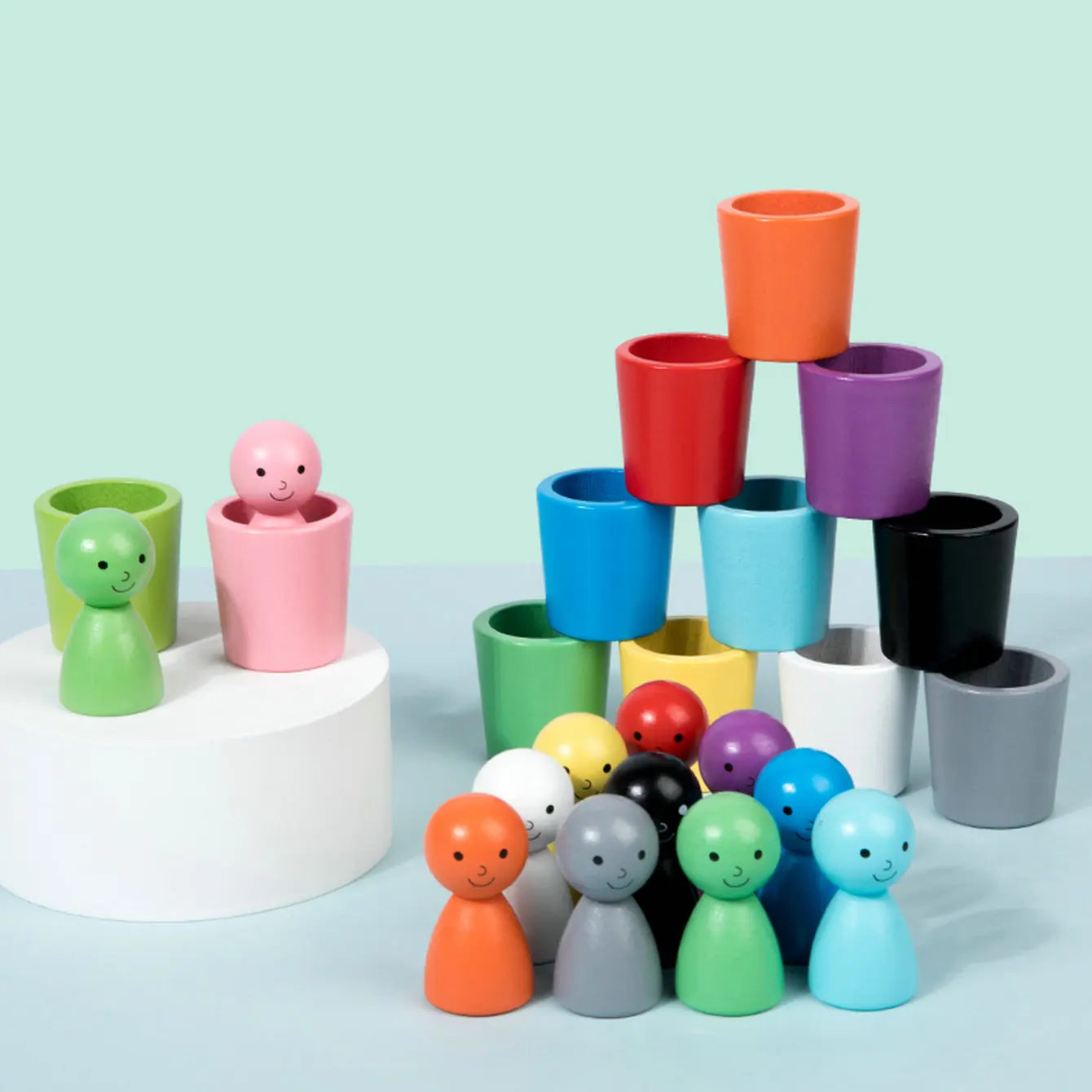
best toys for teaching colors preschoolers
Why Wooden Color Sorting Toys Stand Out
Wooden sorting toys provide a balanced mix of durability, safety, and multi-skill learning. They align closely with Montessori principles, encouraging hands-on exploration and independent learning.
If you’re looking for a versatile option, a wooden color sorting stacking toy kids is one of the most effective choices.
- ✔️ Encourages multiple learning styles
- ✔️ Safe and eco-friendly materials
- ✔️ Long-lasting and versatile
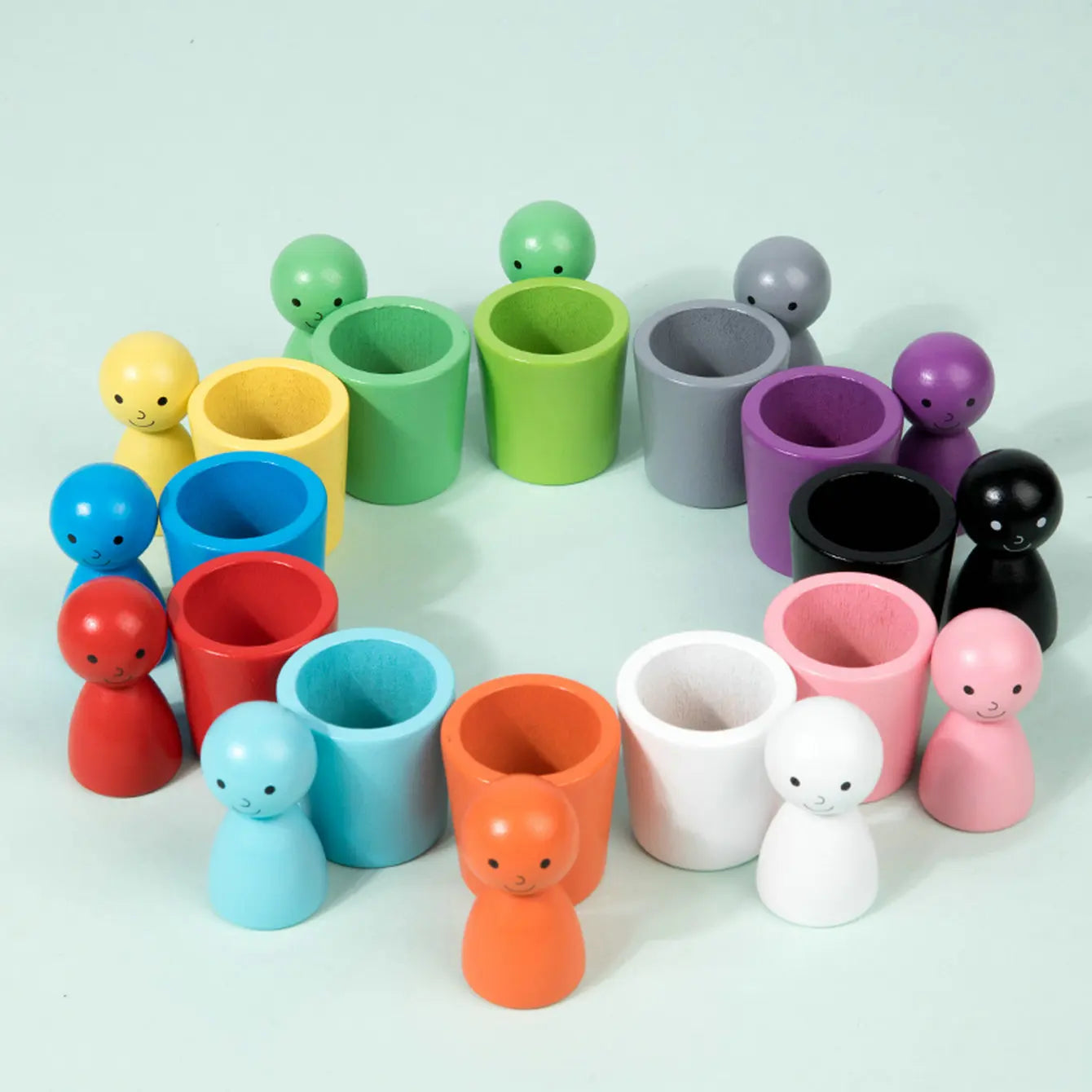
wooden color sorting stacking toy kids for smarter play
FAQs About Sorting Toys for Preschoolers
Are sorting toys good for development?
Yes, they improve cognitive skills, fine motor coordination, and early math understanding through hands-on learning.
What are the best toys for teaching colors preschoolers?
Color sorting toys and wooden stacking sets are among the most effective options.
At what age should kids start using sorting toys?
Children can begin around 12 months, with more advanced toys suitable from ages 2–5.
What skills do sorting toys build?
They develop fine motor skills, logical thinking, classification ability, and early math concepts.
Are Montessori sorting toys better?
Montessori toys emphasize hands-on learning and independence, making them highly effective for skill development.
Pillar Article: Fine Motor Skill Development Toys: Top Picks Compared
Other Related Articles:
- Sensory Play for 3 Year Olds: Which Ideas Work Best
- Learning Games for 3 Year Olds: Top Picks vs Alternatives
- Montessori Activities for 3 Year Olds: Which Work Best
- Educational Toys for 3 Year Olds: 7 Best Options Ranked
Explore More:





