

Sensory Play for 3 Year Olds That Builds Skills Through Fun
Does sensory play for 3 year olds really work?
Yes. Sensory play for 3 year olds supports early childhood development by encouraging children to explore the world through touch, sight, sound, movement, and other senses. Age-appropriate activities help strengthen fine motor control, language development, creativity, and problem-solving while giving toddlers meaningful opportunities to practice focus and independent learning through play.
Sensory Play for 3 Year Olds: Which Ideas Work Best
⏱ 7 min read — Sensory play for 3 year olds is more than an entertaining way to spend the afternoon. During the preschool years, children build millions of neural connections as they manipulate, sort, squeeze, pour, stack, and explore different materials. Well-planned sensory activities encourage curiosity while supporting the physical, cognitive, social, and emotional skills children need for everyday learning.
If your toddler becomes bored quickly, avoids certain textures, struggles with holding crayons, or finds simple self-care tasks challenging, sensory play can provide enjoyable opportunities to practice these skills at a comfortable pace. Rather than focusing on perfect results, the goal is to encourage exploration, confidence, and repeated hands-on experiences.
Explore sensory learning tools
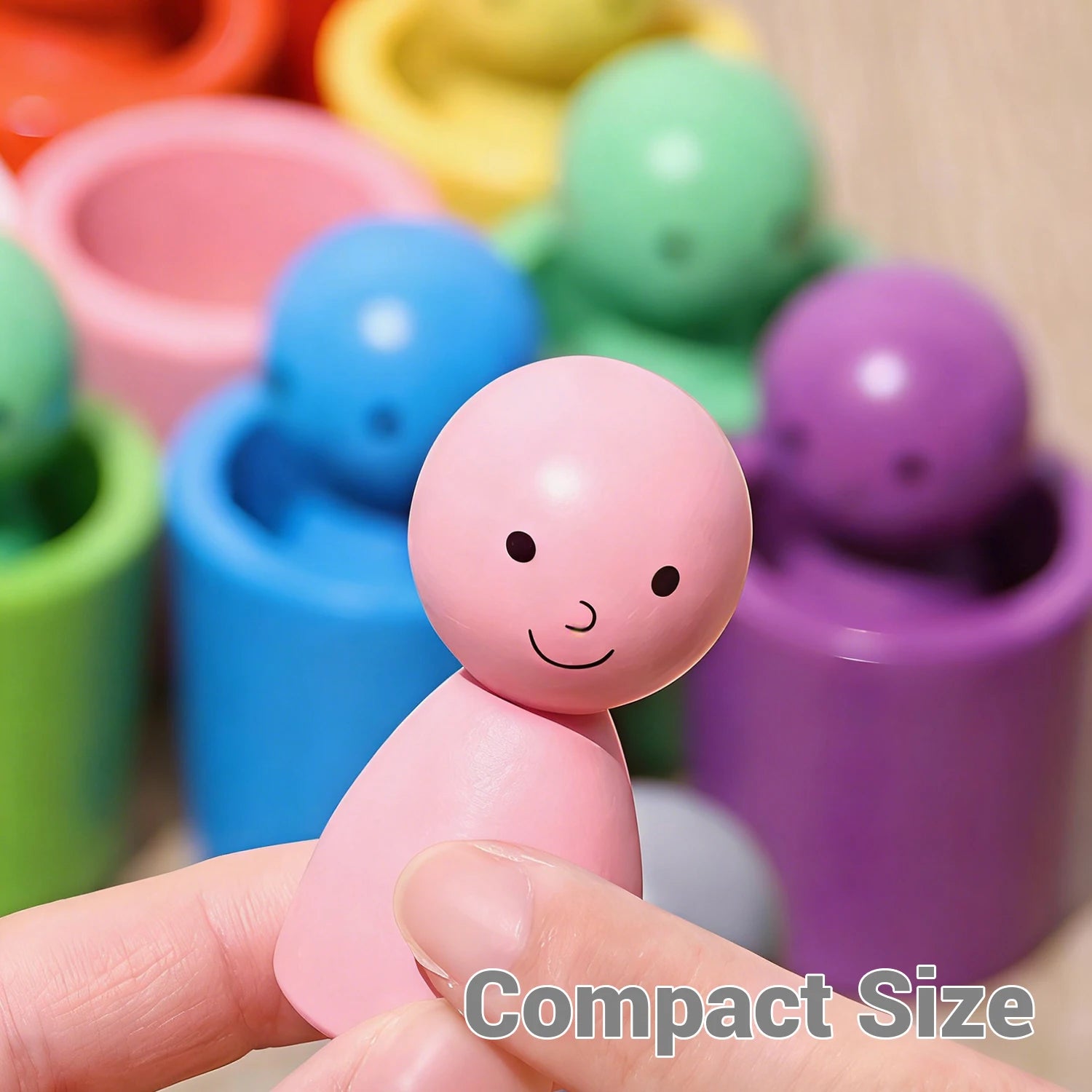
Best sensory play ideas for toddlers that build skills fast — See it in action
Why Sensory Play for 3 Year Olds Builds Faster Learning
Sensory play for 3 year olds involves activities that encourage children to explore different textures, sounds, colors, temperatures, movements, and materials. Whether a child is scooping rice into cups, sorting colorful objects, playing with water, or molding playdough, every experience helps build connections between the brain and body.
Research in early childhood education suggests that hands-on learning experiences support healthy development by encouraging active exploration instead of passive observation. For many preschoolers, sensory activities improve concentration because children learn best when multiple senses are engaged at the same time.
Key developmental benefits for 3-year-olds
- Strengthens hand-eye coordination through grasping, sorting, pouring, and transferring activities.
- Supports fine motor development needed for drawing, dressing, and using eating utensils.
- Encourages language growth as children describe textures, colors, shapes, and actions.
- Builds early problem-solving skills through experimentation and cause-and-effect learning.
- Promotes creativity by allowing open-ended exploration without a single "correct" outcome.
- Helps some children practice emotional regulation through calming, repetitive activities.
Setting realistic expectations
While sensory play offers many developmental benefits, it is not a quick fix for learning or behavioral challenges. Progress happens gradually through consistent opportunities to explore. Many families notice improvements in attention span, confidence, and coordination over weeks or months rather than after a single activity.
The best sensory activities are those your child genuinely enjoys. Rotating materials, following your toddler's interests, and keeping sessions short often leads to better engagement than introducing complicated projects.
Explore more tools that support early development in Baby Growth & Learning .
30+ Sensory Play Ideas for 3 Year Olds by Category
Children stay engaged longer when sensory activities match their interests, attention span, and developmental stage. Instead of relying on a single activity, rotate different sensory experiences throughout the week. Mixing low-mess options with creative, hands-on exploration helps develop fine motor skills, language, problem-solving, and sensory regulation without becoming repetitive.
Low-Mess Indoor Activities
- Color sorting: Sort pom-poms, buttons, or wooden balls using tongs or fingers to build precision and hand strength.
- Sticker art: Peel and place stickers on paper to improve finger control.
- Matching textures: Compare soft, rough, smooth, and bumpy household materials while describing how they feel.
- Threading large beads: Practice hand-eye coordination using thick string and oversized beads.
- Sponge transfer: Move water between bowls using sponges to strengthen grip and coordination.
- Puzzle exploration: Complete simple wooden puzzles while identifying shapes and colors.
Messy Sensory Bin Ideas
- Dry rice or pasta bins with scoops and measuring cups.
- Beans or chickpeas hidden with toy animals for discovery play.
- Kinetic sand for molding, digging, and building.
- Playdough combined with cookie cutters, rollers, and plastic tools.
- Shredded paper bins for treasure hunts and sorting games.
- Cornmeal or oatmeal bins for pouring and tracing shapes.
Outdoor Sensory Play
- Water tables with cups, funnels, and floating toys.
- Nature walks to collect leaves, rocks, pinecones, and flowers.
- Mud kitchens using old pots, spoons, and natural materials.
- Sidewalk chalk drawing with water painting.
- Sandbox digging and building challenges.
- Bubble play to encourage movement, tracking, and coordination.
DIY Sensory Play for Preschoolers
- Create homemade sensory bottles with colored water and glitter.
- Freeze small toys inside ice cubes for safe melting experiments.
- Build a texture board using fabric, felt, cork, and foam.
- Make scented playdough using child-safe ingredients.
- Create color-mixing stations with washable paints.
- Use cardboard tubes and balls to build simple rolling ramps.
Seasonal Sensory Activities
- Spring: Plant seeds, water flowers, and explore soil textures.
- Summer: Water play, ice exploration, and beach sand activities.
- Autumn: Leaf sorting, pumpkin scooping, and acorn collecting.
- Winter: Cotton-ball snow play, artificial snow, and warm-versus-cold sensory experiments.
Choose activities based on your child's interests rather than completing every idea. Rotating materials every few days keeps sensory play fresh while exposing children to a wide variety of learning experiences.
For easy, ready-to-use options, browse Sensory Toys .
See how this toy supports learning
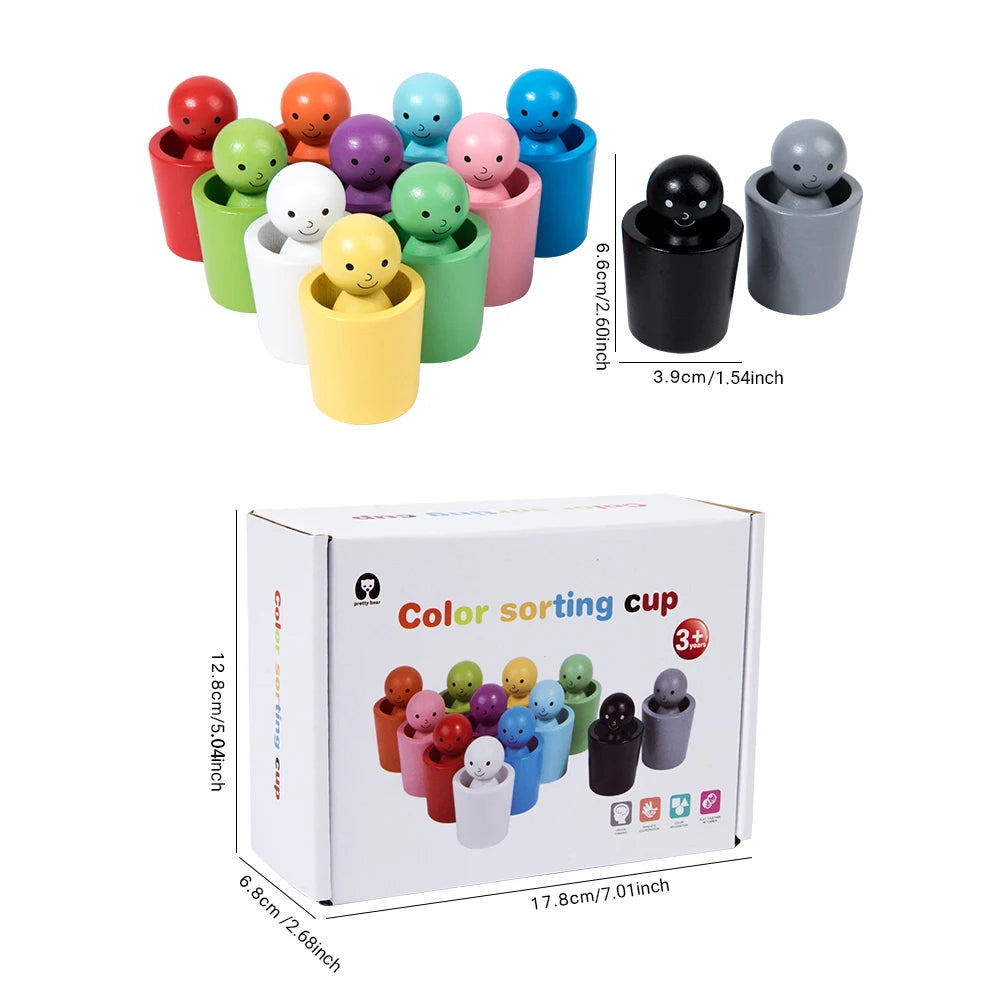
How to improve toddler fine motor skills through everyday sensory play — See it in action
How to Improve Toddler Fine Motor Skills Through Play
Fine motor skills develop through repeated opportunities to grasp, pinch, squeeze, twist, stack, and manipulate objects. Sensory play naturally strengthens the small muscles in the hands and fingers while making practice enjoyable instead of feeling like structured lessons.
If your child finds it difficult to hold crayons, use utensils, fasten clothing, or stack blocks, try introducing progressively more challenging sensory activities as confidence grows.
- Begin with large objects that encourage grasping and releasing.
- Introduce color sorting, scooping, and transferring games using cups, spoons, or tongs.
- Add squeezing, rolling, pinching, and molding activities with playdough or clay.
- Progress to threading beads, stacking small blocks, or simple construction activities that require greater precision.
Remember that children develop at different rates. Regular practice through play is generally more effective than expecting perfect performance during longer, structured sessions.
Find practical tools in Mobility & Training to support daily progress.
Common Mistakes That Reduce the Benefits of Sensory Play
Even the best sensory activities can become frustrating if they are not matched to a child's interests or developmental stage. Avoiding a few common mistakes helps maximize the benefits of sensory play for toddlers while keeping learning enjoyable.
Choosing Activities That Are Too Difficult
Activities that require skills beyond a 3-year-old's current abilities can quickly lead to frustration. Begin with simple tasks that encourage success, then gradually increase the level of challenge as coordination and confidence improve.
- ❌ Expecting complex sorting or threading immediately.
- ✅ Start with larger objects before progressing to smaller pieces.
- ✅ Celebrate effort and exploration instead of perfect results.
Overcomplicating Setup
Sensory play does not require expensive materials or elaborate preparation. In fact, many of the most engaging activities use everyday household items such as measuring cups, rice, water, cardboard tubes, cloth scraps, or playdough.
- ❌ Preparing multiple activities at once.
- ❌ Introducing too many materials simultaneously.
- ✅ Keep each activity simple with one clear learning objective.
- ✅ Rotate materials regularly instead of buying new supplies.
Ignoring Child Interests
Children are more likely to stay engaged when activities reflect their natural curiosity. Some enjoy building and sorting, while others prefer water play, creative art, or outdoor exploration. Following your child's interests encourages longer periods of focused play and reduces resistance.
- ❌ Forcing activities your child consistently avoids.
- ❌ Expecting long attention spans immediately.
- ✅ Allow children to explore materials in their own way.
- ✅ Adjust activities to match energy level, mood, and attention span.
Short daily sessions of 10 to 15 minutes often provide greater developmental value than occasional long sessions. Consistency, variety, and positive experiences help children build confidence while developing important cognitive and motor skills.
How to Set Up Sensory Play at Home
Creating an effective sensory play space does not require a dedicated playroom. A small table, washable mat, or plastic tray is often enough to encourage safe, focused exploration while making cleanup easier for parents.
Essential Materials
- Plastic containers or shallow storage bins.
- Measuring cups, scoops, funnels, and spoons.
- Large tweezers or child-safe tongs.
- Playdough, kinetic sand, or washable sensory materials.
- Washable cloths for quick cleanup.
Easy Household Alternatives
Many sensory activities can be created using items already found at home. Dry rice, pasta, oats, cotton balls, cardboard tubes, cloth scraps, and recycled containers provide countless opportunities for sorting, pouring, building, and imaginative play without additional expense.
Cleanup Tips
- Place a washable mat under activity trays.
- Use sealed containers to store reusable materials.
- Limit the number of materials available during each session.
- Invite your child to help clean up as part of the activity.
Parents looking for structured activities that require minimal preparation often include reusable learning materials in their routine alongside homemade sensory experiences. Explore additional family resources in Baby Care Essentials .
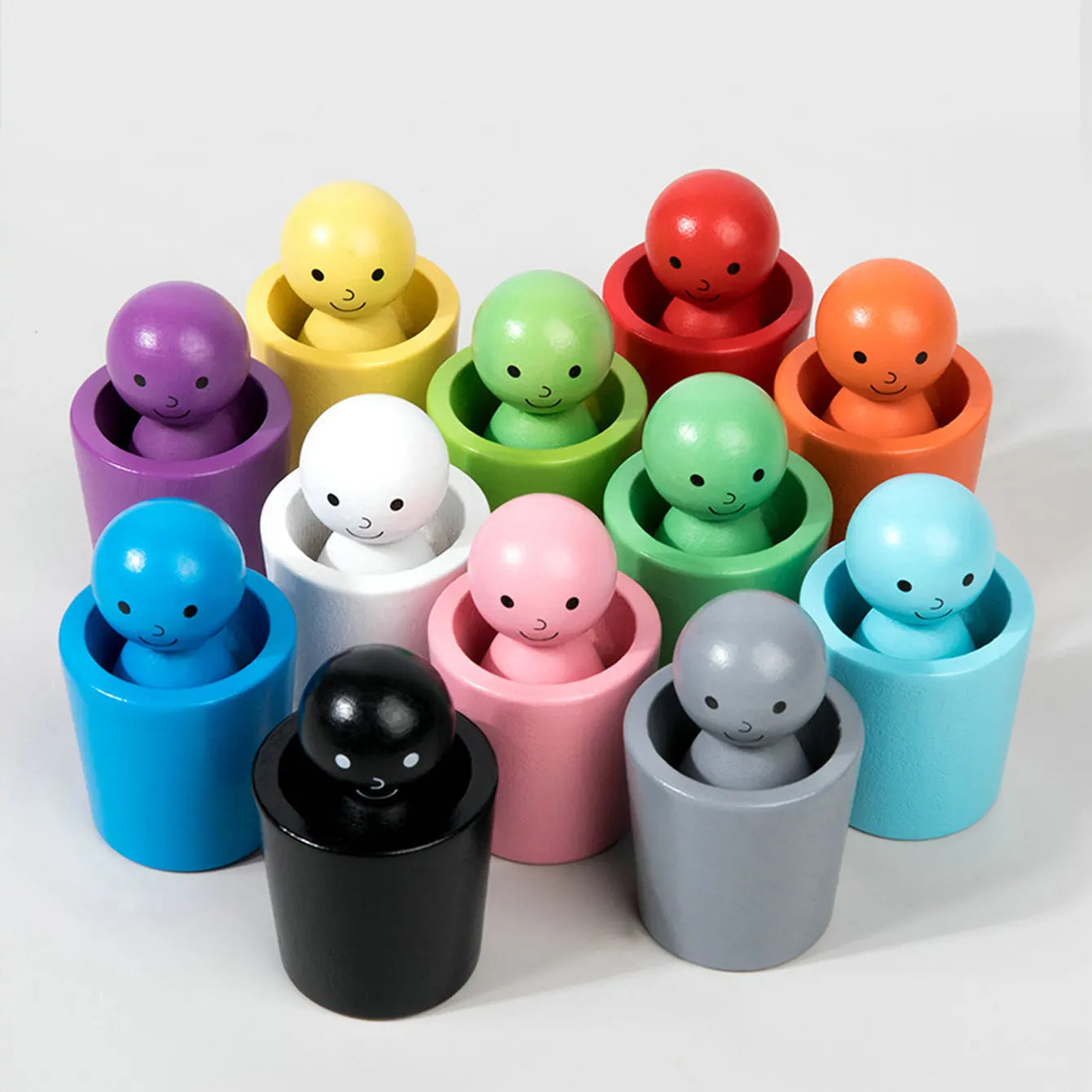
Sensory play for 3 year olds made simple with practical, reusable learning activities — See it in action
Shop Montessori Color Sorting Toy
Frequently Asked Questions
What are the best sensory play ideas for 3 year olds?
The best sensory play ideas combine exploration with age-appropriate skill building. Popular options include color sorting, sensory bins filled with rice or pasta, water play, playdough, nature walks, texture matching, bubble play, and simple pouring or scooping activities. Rotating different activities throughout the week helps maintain interest while supporting multiple areas of development.
How often should a 3-year-old do sensory play?
Most preschoolers benefit from sensory play several times a week, with daily sessions of about 10 to 20 minutes being ideal. Consistent, enjoyable practice is generally more beneficial than occasional long sessions. Follow your child's attention span and stop before frustration develops.
How do I do sensory play at home for a 3 year old?
Start with simple household materials such as measuring cups, bowls, dry rice, pasta, cotton balls, water, cardboard tubes, or homemade playdough. Choose one activity at a time, supervise closely, and encourage your child to explore freely rather than focusing on completing a specific task.
What materials are safe for sensory play?
Use non-toxic, age-appropriate materials that are too large to present a choking hazard. Water, washable playdough, kinetic sand designed for children, large wooden blocks, fabric scraps, and dried foods used under adult supervision are common choices. Always supervise activities involving small objects or food-based materials.
What are low-mess sensory activities for indoors?
Low-mess options include color sorting, sticker art, threading large beads, texture matching, sponge transfers, magnetic drawing boards, simple puzzles, and reusable sensory bottles. These activities develop fine motor skills while requiring minimal cleanup.
How does sensory play improve fine motor skills?
Activities that involve grasping, pinching, squeezing, pouring, stacking, threading, and sorting strengthen the muscles in children's hands and fingers. These skills provide the foundation for handwriting, dressing independently, using utensils, and many everyday tasks.
Can sensory play help with speech and language development?
Yes. Sensory activities naturally encourage conversation as children describe textures, colors, sizes, movements, and actions. Asking open-ended questions and introducing new vocabulary during play supports expressive and receptive language development.
What should I avoid during sensory play?
Avoid choosing activities that are too advanced, introducing too many materials at once, forcing children to interact with textures they strongly dislike, or leaving young children unsupervised. The most effective sensory play remains safe, simple, flexible, and enjoyable.
Pillar Article: Fine Motor Skill Development Toys: Top Picks Compared
Other Related Articles:
- Learning Games for 3 Year Olds: Top Picks vs Alternatives
- Sorting Toys for Preschoolers: Best Types Compared
- Montessori Activities for 3 Year Olds: Which Work Best
- Educational Toys for 3 Year Olds: 7 Best Options Ranked
Explore More:





