

Montessori Activities for Preschoolers That Build Focus
What are the best improving hand eye coordination preschool activities?
Improving hand eye coordination preschool activities combine simple, hands-on play with focused repetition to strengthen how a child’s eyes guide their hands. Activities like color sorting, stacking, pouring, and threading help build precision, attention, and confidence—often showing noticeable progress within a few weeks of consistent daily practice.
Improving Hand Eye Coordination Preschool Activities Guide
Struggling to keep your preschooler focused during playtime? Many parents notice clumsy movements, short attention spans, or frustration with simple tasks. The good news: improving hand eye coordination preschool activities can transform everyday play into powerful learning moments. With the right approach and tools, you can build focus, independence, and confidence—right at home.
⏱ 7 min read
Explore hands-on options in Sensory Toys that naturally support focus, coordination, and creativity.
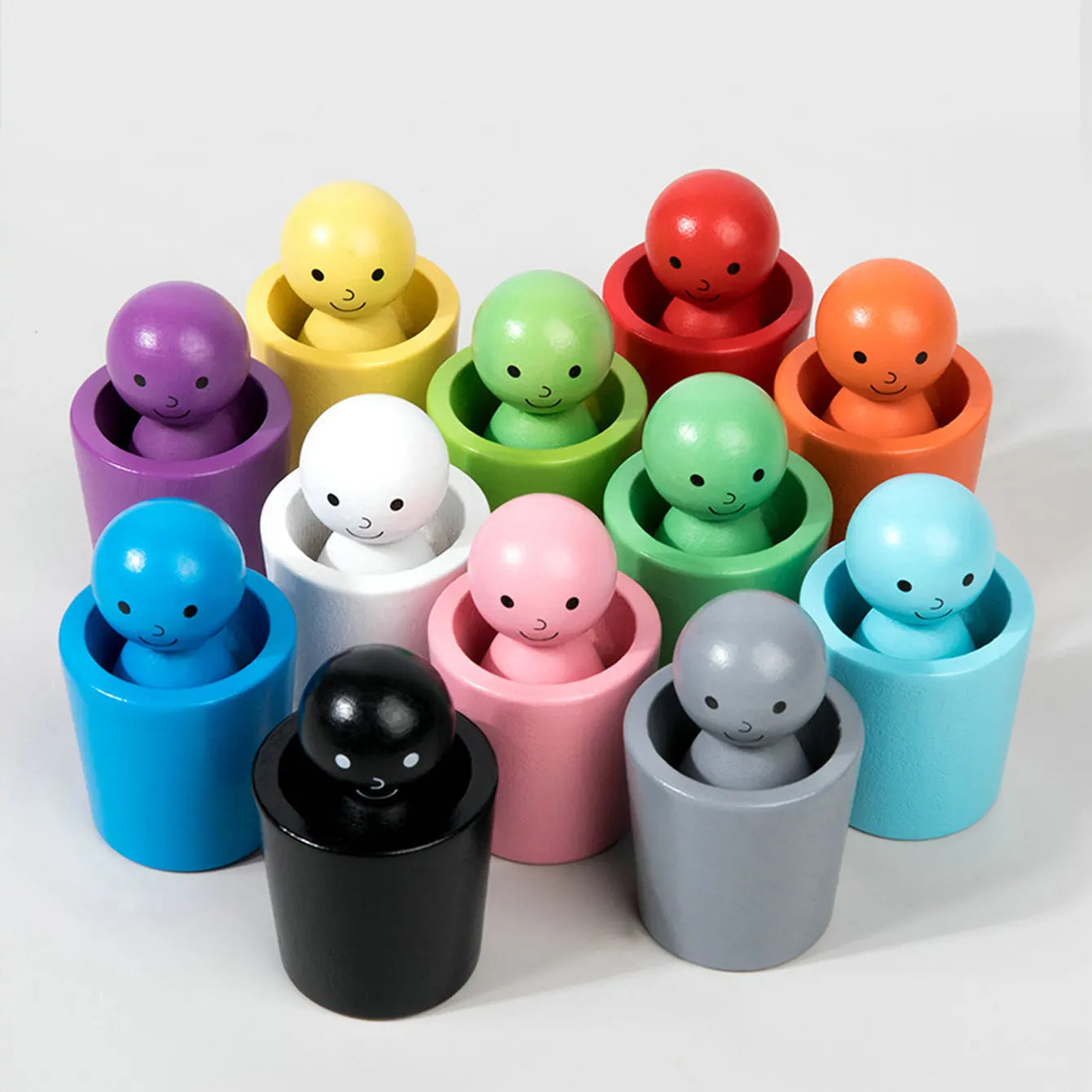
improving hand eye coordination preschool activities with montessori color sorting toy for toddlers See it in action
Why Hand-Eye Coordination Matters for Preschoolers
Hand-eye coordination is the foundation for everyday skills—writing, eating, dressing, and even playing sports later in life.
When this skill is underdeveloped, children may:
- Struggle with holding crayons or utensils
- Avoid puzzles or building toys
- Lose focus quickly during structured play
- Feel frustrated with simple tasks
That’s why early intervention through play is so powerful. The right activities don’t just improve coordination—they boost confidence and independence.
Signs of Difficulty Improving Hand Eye Coordination Kids
Not sure if your child needs extra support? Watch for these common signs:
- Frequently dropping objects
- Trouble stacking blocks or sorting shapes
- Avoiding drawing or coloring
- Difficulty catching or throwing a ball
These challenges often come from lack of guided practice—not ability. The solution is simple: structured, engaging play that builds skills step by step.
Step-by-Step Activities That Build Coordination Fast
Improving hand eye coordination preschool activities work best when they follow a clear progression. Start simple, then increase complexity.
-
Color Sorting Games
Use a montessori color sorting toy for toddlers to match colors and shapes. This strengthens visual tracking and precision. -
Stacking and Building
Encourage stacking blocks by size or color to improve control and balance. -
Pouring Practice
Let your child pour water or grains between containers to develop steady hand movements. -
Threading Beads
This improves fine motor skills and concentration. -
Simple Puzzle Play
Matching pieces builds spatial awareness and coordination.
Browse Baby Growth & Learning tools designed for real skill-building, not just entertainment.
How Montessori Activities Make Learning Easier and More Effective
Improving hand eye coordination preschool activities becomes easier when children use hands-on, self-correcting tools. Montessori-style play encourages repetition, independence, and focus—helping kids naturally refine movements while staying engaged without pressure or distractions.
Unlike toys that don’t support cognitive growth, Montessori tools are designed with purpose:
- Simple design reduces overwhelm
- Repetition builds mastery
- Hands-on interaction improves coordination
- Self-correction boosts confidence
This approach transforms play into meaningful learning—without forcing or frustration.
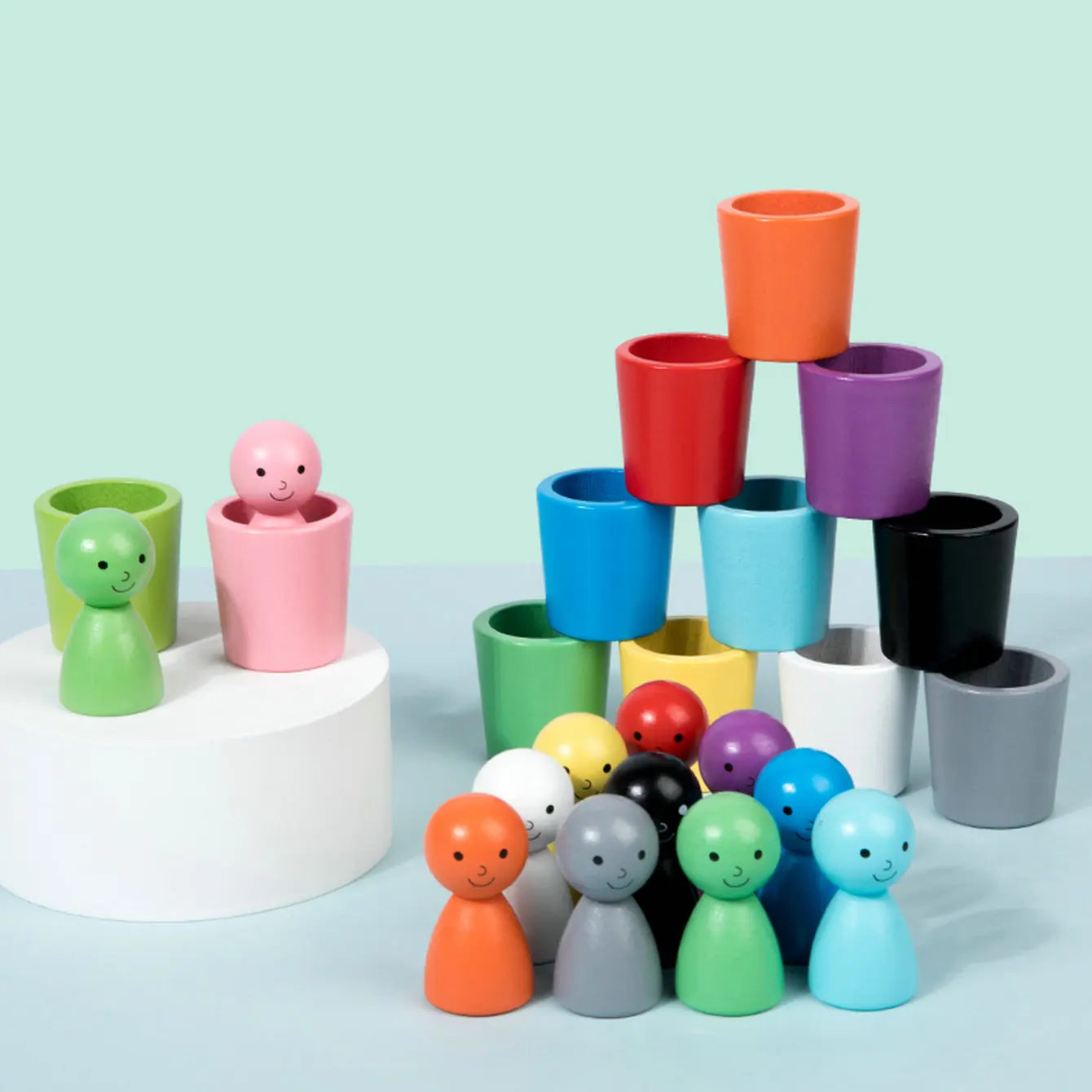
creative learning games for 3 year olds using educational montessori toys age 3 plus See it in action
Best Tools That Actually Support Cognitive Growth
Not all toys are created equal. Some entertain—but don’t teach.
| Feature | Effective Learning Toys | Toys That Don’t Support Cognitive Growth |
|---|---|---|
| Purpose | Skill-building focused | Pure entertainment |
| Design | Simple, intentional | Overstimulating |
| Engagement | Active participation | Passive play |
| Outcome | Improves coordination | Limited development |
A well-designed montessori color sorting toy for toddlers stands out because it combines color recognition, sorting, and motor control in one simple activity.
For even more variety, explore Mobility & Training tools that encourage movement-based coordination.
How a Simple Daily Routine Accelerates Progress
Consistency matters more than complexity. A short daily routine can deliver faster results than occasional long sessions.
- Morning: 10 minutes of sorting or stacking
- Afternoon: Free play with creative learning games for 3 year olds
- Evening: Calm activity like puzzles or threading
- Weekend: Mix activities for variety and challenge
Keep sessions short and positive. The goal is steady improvement—not perfection.
Which activity works best for your child? Try two or three and observe where they stay engaged the longest.
Real Parent Results and Success Stories
Parents often notice changes within weeks:
- “My son went from dropping everything to stacking blocks confidently.”
- “She finally enjoys coloring instead of avoiding it.”
- “Less frustration, more focus during playtime.”
These results come from consistent, purposeful play—not expensive tools or complicated setups.
Pairing activities with the right tools—like those in Sensory Toys —can make the process smoother and more enjoyable.
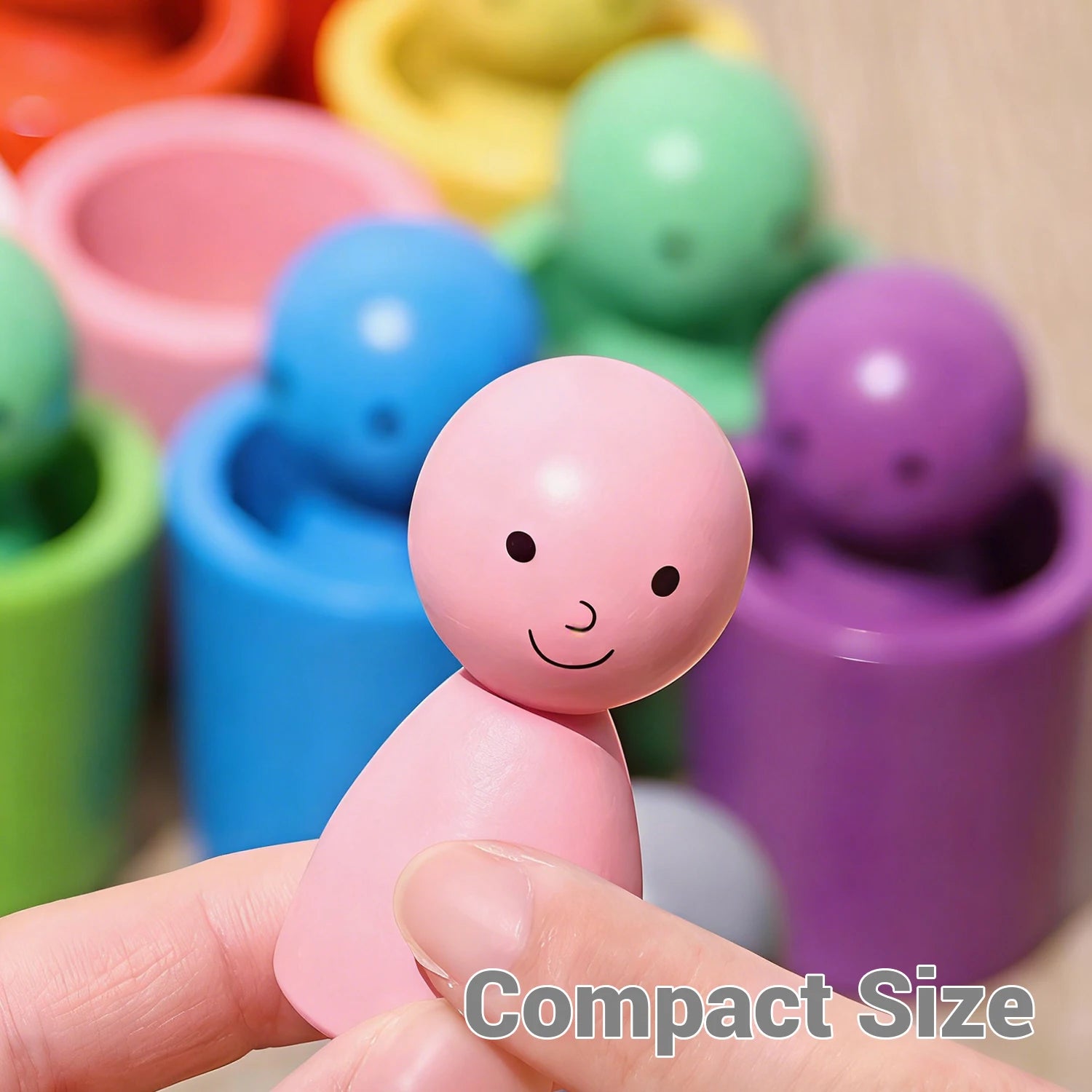
difficulty improving hand eye coordination kids solved with montessori play ideas See it in action
Help your child build focus and coordination faster with this montessori color sorting toy for toddlers .
FAQs
What age should kids start hand-eye coordination activities?
Children can begin simple coordination activities as early as 18 months, but structured improving hand eye coordination preschool activities are most effective between ages 2–5 when fine motor skills develop rapidly.
How long does it take to see improvement?
With daily practice, many parents notice better control, focus, and confidence within 2–4 weeks. Consistency is the key factor.
Are expensive toys necessary for development?
No. Simple, well-designed tools outperform complex toys. The focus should be on purposeful play, not price or quantity.
Pillar Article: Play Based Learning Activities: How to Start at Home
Other Related Articles:
- Activities to Teach Color Recognition Toddlers Fast
- Improving Hand Eye Coordination Preschool Activities Guide
- Toys to Improve Fine Motor Skills: 5 Easy Daily Routines
Explore More:
UPGRADE PLAN { "outline": [ { "action": "REMOVE", "h2": "What are the best improving hand eye coordination preschool activities?", "h3": [], "focus": [], "keywords": [] }, { "action": "REMOVE", "h2": "Why Hand-Eye Coordination Matters for Preschoolers", "h3": [], "focus": [], "keywords": [] }, { "action": "REMOVE", "h2": "Signs of Difficulty Improving Hand Eye Coordination Kids", "h3": [], "focus": [], "keywords": [] }, { "action": "REMOVE", "h2": "Step-by-Step Activities That Build Coordination Fast", "h3": [], "focus": [], "keywords": [] }, { "action": "MODIFY", "h2": "What are Montessori activities for preschoolers?", "h3": [], "focus": [ "Montessori principles", "Benefits for ages 3-5", "Home vs classroom", "Prepared environment" ], "keywords": [ "montessori activities for preschoolers", "what are montessori activities for preschoolers" ] }, { "action": "ADD", "h2": "How to do Montessori at home for preschoolers", "h3": [ "Prepare a Montessori space", "Choose age-appropriate materials", "Follow the child's interests", "Rotate activities weekly" ], "focus": [ "Home setup", "Daily routine", "Activity rotation", "Parent role" ], "keywords": [ "how to do montessori at home for preschoolers", "montessori home learning ideas", "montessori activities at home" ] }, { "action": "ADD", "h2": "Montessori activities for preschoolers by developmental area", "h3": [ "Practical life", "Sensorial", "Language", "Math", "Fine motor and art", "Gross motor", "Culture and nature" ], "focus": [ "Learning goals", "Materials", "Difficulty", "Preparation time", "Safety" ], "keywords": [ "hands on montessori activities for preschool", "montessori learning activities for 3 year olds", "montessori play ideas for 3-4 year olds" ] }, { "action": "ADD", "h2": "Age-based Montessori activity progression", "h3": [ "Age 3", "Age 4", "Age 5" ], "focus": [ "Developmental milestones", "Increasing challenge", "Independence", "Skill progression" ], "keywords": [ "montessori activities for 3 year olds at home", "montessori learning activities for 3 year olds" ] }, { "action": "ADD", "h2": "Easy Montessori activities for preschool at home", "h3": [], "focus": [ "DIY ideas", "Low-cost materials", "Quick setup", "Everyday household items" ], "keywords": [ "montessori activities for preschool at home", "easy montessori activities for kids at home", "DIY montessori activities for toddlers and preschoolers" ] }, { "action": "ADD", "h2": "Montessori preschool activities step by step", "h3": [], "focus": [ "Materials list", "Preparation", "Instructions", "Learning objective", "Extension ideas" ], "keywords": [ "montessori preschool activities step by step", "simple montessori activities for beginners" ] }, { "action": "MODIFY", "h2": "How Montessori activities make learning easier and more effective", "h3": [], "focus": [ "Self-directed learning", "Concentration", "Independence", "Skill transfer" ], "keywords": [ "montessori activities for preschoolers" ] }, { "action": "MODIFY", "h2": "Best tools and materials for Montessori learning", "h3": [], "focus": [ "Open-ended materials", "DIY alternatives", "Budget options", "When to introduce tools" ], "keywords": [ "montessori activities at home", "montessori home learning ideas" ] }, { "action": "MODIFY", "h2": "Create a simple daily Montessori routine", "h3": [], "focus": [ "Morning work", "Activity rotation", "Independent play", "Observation" ], "keywords": [ "montessori activities for preschoolers at home" ] }, { "action": "REMOVE", "h2": "Real Parent Results and Success Stories", "h3": [], "focus": [], "keywords": [] }, { "action": "MODIFY", "h2": "FAQs", "h3": [ "What are Montessori activities for preschoolers?", "How do Montessori activities differ from regular preschool activities?", "Can I do Montessori at home without special materials?", "How many Montessori activities should preschoolers do each day?", "Which Montessori activities are best for 3-year-olds?" ], "focus": [ "Common questions", "Home implementation", "Age guidance", "Materials" ], "keywords": [ "what are montessori activities for preschoolers", "how to do montessori at home for preschoolers" ] } ], "internal_links": [ "preschool learning activities", "sensory play activities", "fine motor activities", "practical life activities", "language activities for preschoolers", "early math activities", "nature activities for kids", "learning through play", "DIY educational activities", "preschool routine ideas" ], "faq": [ "What are Montessori activities for preschoolers?", "How do Montessori activities help preschool development?", "How can I start Montessori activities at home?", "What Montessori activities are best for 3-year-olds?", "Do Montessori activities require special toys?", "How often should I rotate Montessori activities?", "Can Montessori activities be done on a budget?", "What is the difference between Montessori and traditional preschool activities?" ], "trim": [ "Hand-eye coordination difficulty signs", "Coordination-only activity content", "Generic cognitive growth tool recommendations", "Parent success stories unrelated to Montessori" ] } Approved linked products: - montessori color sorting toy for toddlers (/products/montessori-color-sorting-toy-wooden) - montessori color sorting toy for toddlers (/products/montessori-color-sorting-toy-wooden) Product Rules - Keep all approved products. - Only approved products may contain affiliate links. - You may add real competitor products when useful. - Competitor products must not contain links unless already present. - Only create comparison tables when they genuinely improve the article. RULES - Apply every instruction in the Upgrade Plan. - Keep all existing affiliate links unchanged. - Keep all existing internal links unchanged. - Keep all existing image URLs unchanged. - Preserve sections such as Related Articles, Related Posts and Recommended Reading. - Avoid duplicate headings. - Insert new sections only where specified. - Improve clarity, topical coverage, EEAT and readability. - Expand weak sections only when required. - Use natural keyword placement. - Keep semantic HTML clean. YEAR UPDATE If visible article text contains "2005", replace it with "2026". Do not modify years inside: - URLs - href attributes - image filenames OUTPUT REQUIREMENTS Return ONLY the final upgraded HTML article. The output must be valid HTML and ready to publish. Do NOT return: - Markdown - Explanations - Notes - Code fences - JSON - XML Return the HTML beginning with the first HTML element and ending with the last HTML element.





