

What causes bottle feeding difficulties in newborns?
Bottle feeding difficulties often happen when newborns swallow excess air, struggle with flow control, or are positioned incorrectly during feeds. Small adjustments in bottle angle, pacing, and burping can quickly reduce discomfort, limit newborn gas after every feeding, and make feeding a newborn with a bottle calmer and more predictable for both baby and caregiver.
Bottle Feeding Difficulties? Step-by-Step Solutions for Newborns
Bottle feeding difficulties can leave new parents feeling overwhelmed, worried, and unsure if they’re doing something wrong. If feeds feel messy, stressful, or followed by crying and gas, you’re not alone. The good news? Most issues come down to technique, not failure. With a few simple changes, feeding a newborn with a bottle can become smoother, calmer, and more comforting for everyone involved.
⏱ 7 min read
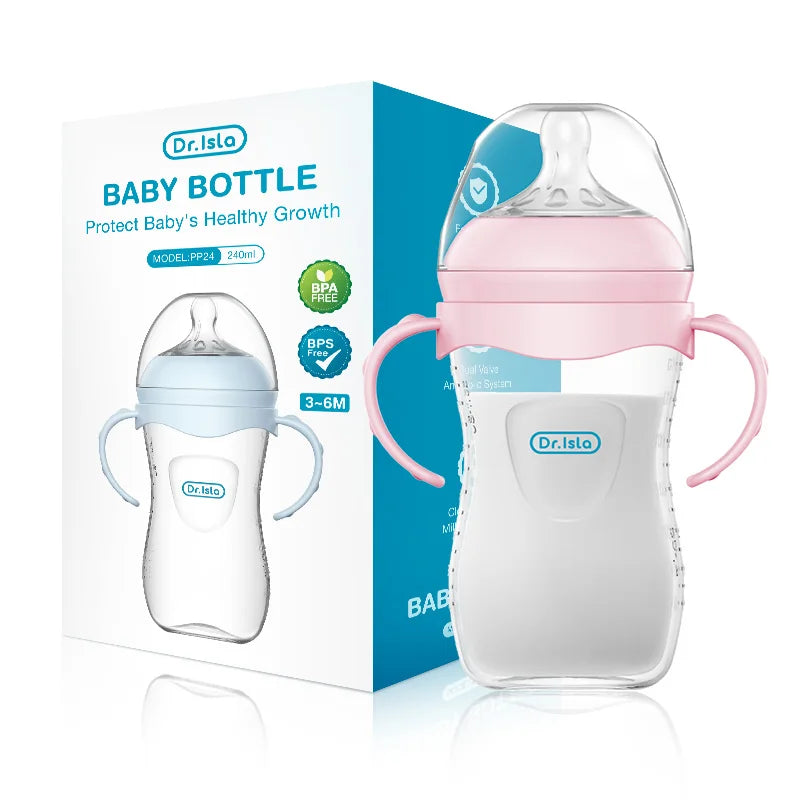
Bottle feeding difficulties often improve with small technique changes 💡 See it in action
Why Bottle Feeding Can Be Hard at First
Many parents expect bottle feeding to be instinctive, yet newborns are still learning how to coordinate sucking, swallowing, and breathing. When these skills aren’t synced yet, feeding struggles can appear quickly.
- Milk flows too fast or too slow
- Air enters the bottle during feeding
- Baby lies too flat or too upright
- Burping happens too late or not often enough
These small issues can add up, leading to fussiness, spit-up, and newborn gas after every feeding. The key is addressing them early with practical, repeatable steps.
Step-by-Step Fixes That Work Fast
Bottle feeding difficulties usually improve when feeding becomes more controlled and responsive to your baby’s cues. Follow these steps during every feed.
- Position with intention: Hold your baby at a slight incline, supporting the head and neck.
- Angle the bottle correctly: Keep the nipple filled with milk to reduce air intake.
- Slow the pace: Pause every few minutes to mimic natural feeding rhythms.
- Watch for cues: Stop if your baby turns away, stiffens, or pushes the bottle out.
Which feeding habit do you think might be causing trouble right now? Keep reading—you may spot the missing piece.
How to Reduce Newborn Gas After Every Feeding
Newborn gas after every feeding is one of the most common complaints from parents dealing with bottle feeding difficulties.
Newborn gas often comes from swallowed air rather than digestion problems. By improving bottle flow control, burping more frequently, and keeping feeds calm and paced, most babies experience less pressure, fewer cramps, and longer stretches of comfort after feeding.
Burping That Actually Works
- Burp midway through the feeding, not just at the end
- Use gentle pats or circular rubs
- Try multiple positions if one doesn’t work
Many parents find that combining better burping with anti-choke bottle designs reduces crying episodes within days.
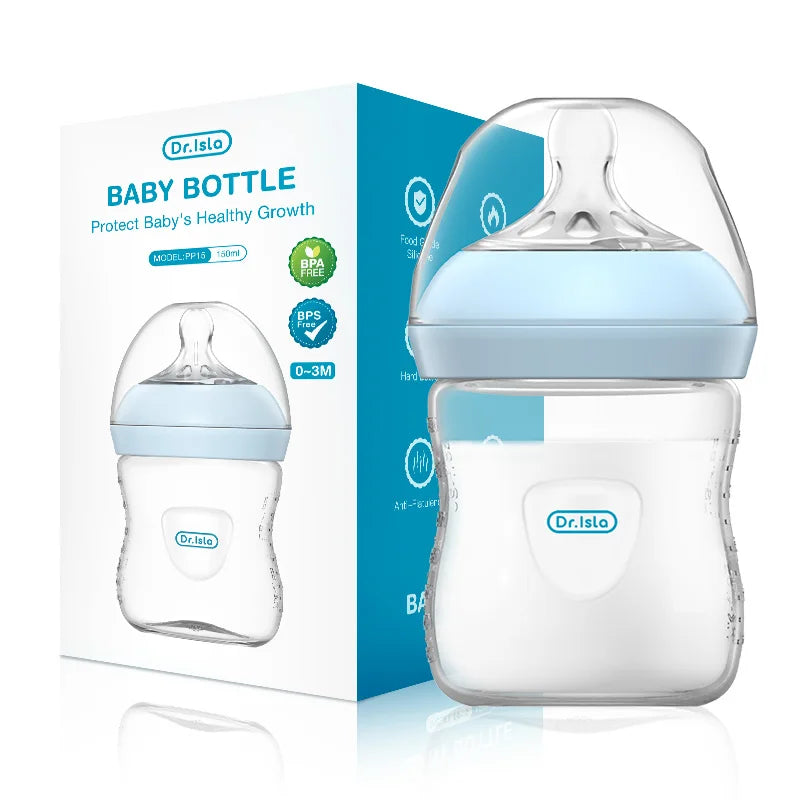
Feeding a newborn with a bottle doesn’t have to mean newborn gas after every feeding 💡 See it in action
Choosing the Right Bottle and Tools
The right feeding tools can dramatically reduce bottle feeding difficulties by supporting a steady, controlled milk flow.
| Feature | Why It Helps |
|---|---|
| Anti-choke nipple | Reduces air intake and gagging |
| Slow-flow design | Matches newborn feeding pace |
| Ergonomic shape | Improves grip and feeding angle |
Many parents turn to the anti-choke baby bottle as a simple way to address multiple feeding issues at once without changing their entire routine.
For a complete setup, explore essentials from Feeding & Nursing and supportive accessories from Bottle Warmers to keep feeds consistent day and night.
Creating a Calm, Consistent Feeding Routine
Consistency helps newborns feel secure and improves feeding outcomes over time.
- Feed in the same quiet spot when possible
- Dim lights to reduce overstimulation
- Use the same bottle style consistently
- Follow feeds with gentle holding or skin-to-skin
Parents often report fewer feeding battles and better sleep once routines settle in. One mom shared that after switching bottles and slowing feeds, her baby stopped crying after meals within three days.
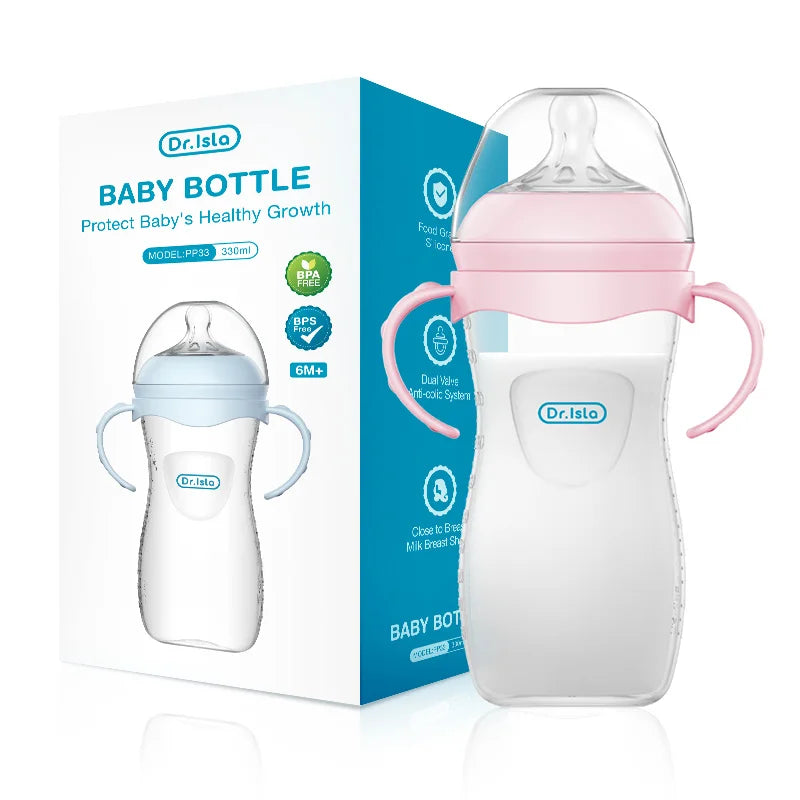
Tips for bottle feeding a newborn that support calmer feeds 💡 See it in action
Quick FAQ for New Parents
Is it normal to struggle with bottle feeding at first?
Yes. Bottle feeding difficulties are common in the early weeks as newborns learn feeding coordination and parents refine technique.
How long should a bottle feeding take?
Most newborn feeds last 15–30 minutes. Faster feeds can increase air intake and discomfort.
When should I worry about gas?
If gas is paired with poor weight gain or persistent vomiting, consult a pediatrician. Occasional gas is usually normal.
Can changing bottles really help?
Yes. A well-designed bottle can significantly reduce air swallowing and improve feeding comfort.
Pillar Article: How to Wash Feeding Bottle Properly for Newborn Safety
Other Related Articles:
- When to Stop Using Anti Colic Bottles for Your Baby
- What Size Bottle Nipple for Newborn Ensures Smooth Feeding
- Can Newborn Choke on Milk? Safe Feeding Tips Every Parent Needs
Explore More:





