

What size bottle nipple for newborn ensures smooth feeding?
What size bottle nipple for newborn feeding works best is typically a slow-flow nipple designed for 0–1 months. A slower flow helps newborns control milk intake, reduces coughing and gas, and supports a natural latch. Choosing the right size early improves comfort, digestion, and calmer feeding sessions.
What Size Bottle Nipple for Newborn Ensures Smooth Feeding
⏱ 6 min read
Choosing what size bottle nipple for newborn feeding seems simple—until your baby starts coughing, gulping air, or pushing the bottle away. Many parents assume faster flow means easier feeding, but the opposite is often true. Understanding nipple flow, feeding position, and timing can transform feeding into a calmer, safer, and more comfortable experience for your newborn.
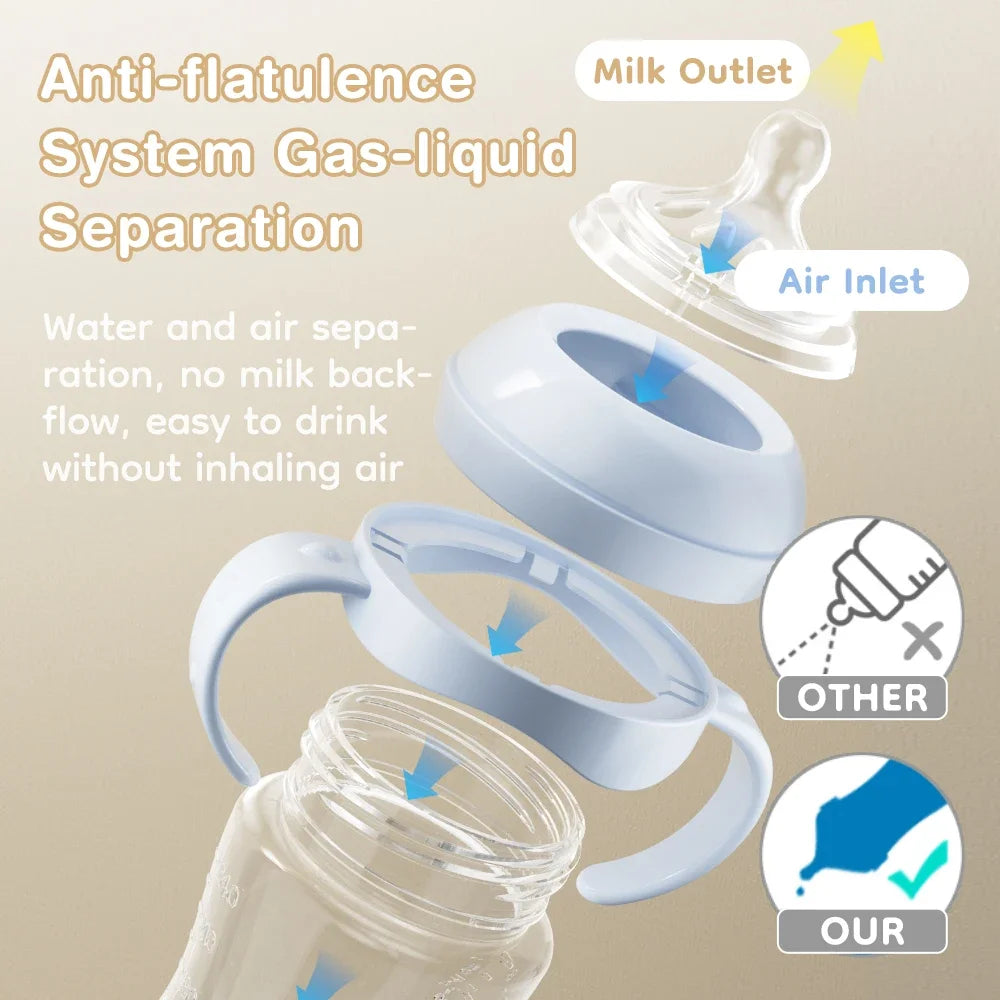
Choosing the right flow early supports what size bottle nipple for newborn comfort 💡 See it in action
Why Nipple Size Matters for Newborn Feeding Comfort
Newborns are still learning how to coordinate sucking, swallowing, and breathing. A nipple with the wrong flow can overwhelm this delicate rhythm. Too fast, and milk floods the mouth. Too slow, and babies may tire quickly or refuse feeds.
Flow rate—not bottle brand—is the key factor affecting gas, spit-up, and feeding stress. That’s why many pediatric feeding specialists recommend starting with slow flow nipples and adjusting only when your baby shows clear readiness.
What Size Bottle Nipple for Newborn Is Best?
What size bottle nipple for newborn feeding works best is almost always a slow-flow or size 0–1 nipple. This flow mimics breastfeeding pace, supports natural sucking patterns, and lowers the risk of choking or excess air intake during feeds.
- Supports steady, controlled milk flow
- Reduces gas and spit-up
- Helps babies pace themselves naturally
- Encourages calmer, longer feeds
Bottle Nipple Flow Comparison: Slow Flow vs Medium Flow
Parents often wonder when to move up to a medium flow bottle nipple. The answer depends on feeding behavior—not age alone.
| Flow Type | Best For | Potential Issues |
|---|---|---|
| Slow Flow | Newborns (0–2 months) | None when matched correctly |
| Medium Flow | Older infants with strong suck | Coughing, gas if used too early |
Introducing a medium flow bottle nipple too soon can cause milk to flow faster than a newborn can handle, leading to gagging, fussiness, or frequent burping.
How Upright Bottle Feeding Positions Reduce Gas
Even with the perfect nipple flow, feeding position plays a huge role in digestion. Upright bottle feeding positions allow gravity to slow milk flow and reduce air intake.
- Keeps milk filling the nipple tip
- Limits swallowed air
- Supports easier burping
- Reduces reflux symptoms
Pairing slow-flow nipples with upright feeding often results in fewer spit-ups and a calmer baby after feeds.
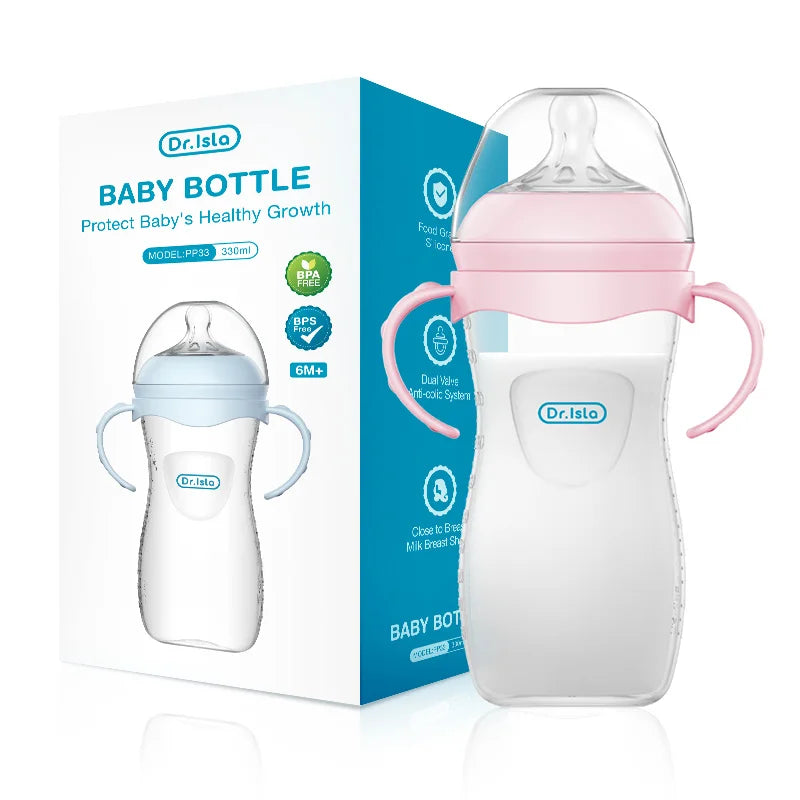
Upright bottle feeding positions paired with correct flow 💡 See it in action
Step-by-Step: How to Choose the Right Nipple Flow
- Start with a slow-flow nipple designed for newborns.
- Hold your baby in an upright feeding position.
- Watch for signs of struggle: coughing, milk leaking, fussiness.
- Only consider a medium flow bottle nipple if feeds take excessively long and baby stays relaxed.
Using supportive feeding gear, like options found in Feeding Tools, can further simplify this process.
Common Newborn Bottle Feeding Mistakes to Avoid
- Switching nipple sizes too quickly
- Laying baby flat during feeds
- Ignoring hunger and stress cues
- Assuming faster flow equals better feeding
Simple adjustments often solve feeding challenges without changing formula or milk.
Real Parent Experiences and Feeding Improvements
Many parents report noticeable changes within days of switching to the correct nipple size and feeding position:
- Less crying after feeds
- Reduced gas and spit-up
- Shorter burping time
- More predictable sleep stretches
One parent shared that after switching back from a medium flow bottle nipple to slow flow and feeding upright, their newborn’s evening fussiness dropped dramatically.
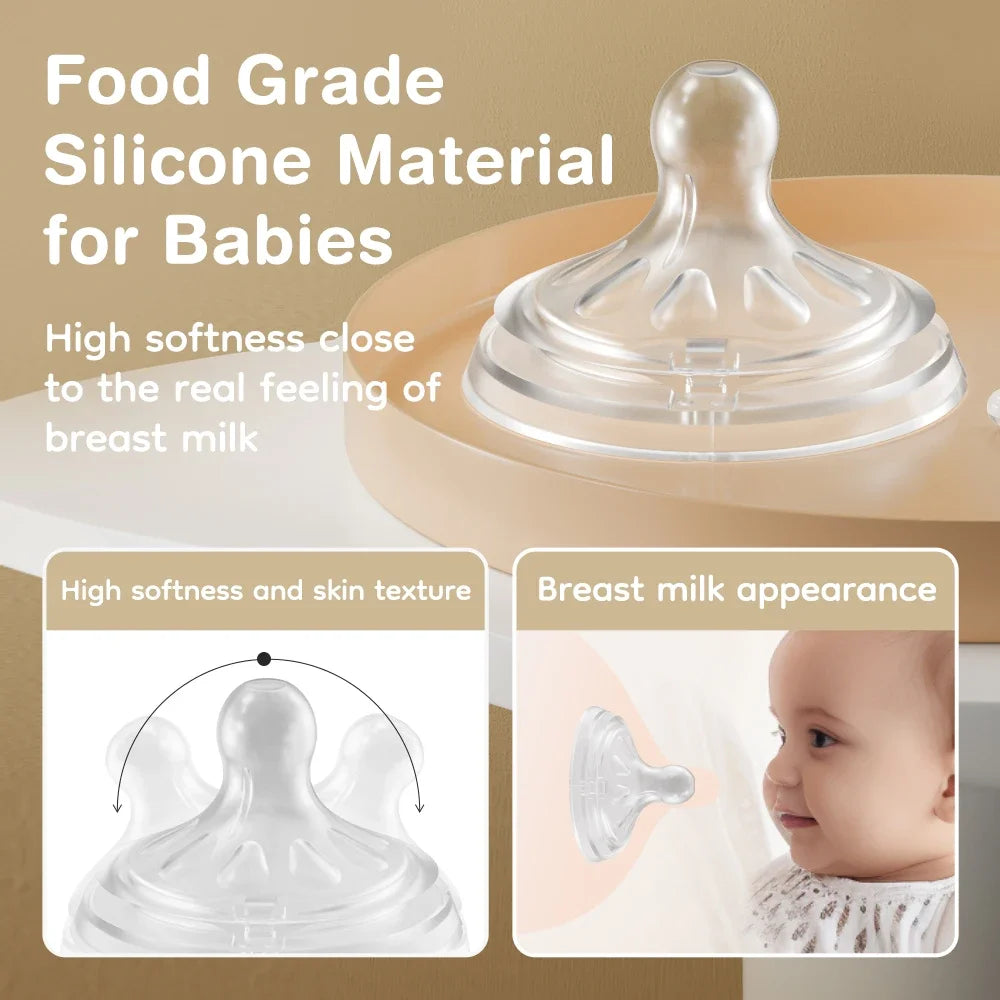
The right bottle setup makes newborn feeding smoother 💡 See it in action
Quick FAQs for Newborn Bottle Feeding
How do I know if my newborn needs a different nipple size?
If your baby coughs, gulps, or finishes feeds unusually fast, the flow may be too fast. If feeds take very long with frustration, reassessing flow may help.
Is a medium flow bottle nipple ever right for a newborn?
In most cases, no. Medium flow bottle nipples are better suited for older infants with stronger suck control.
Can upright bottle feeding positions really reduce gas?
Yes. Upright bottle feeding positions slow milk flow, reduce air intake, and support smoother digestion.
Pillar Article: How to Wash Feeding Bottle Properly for Newborn Safety
Other Related Articles:
- When to Stop Using Anti Colic Bottles for Your Baby
- Bottle Feeding Difficulties? Step-by-Step Solutions for Newborns
- Can Newborn Choke on Milk? Safe Feeding Tips Every Parent Needs
Explore More:





