

Can a newborn choke on milk?
Yes, a newborn can choke on milk when milk flows faster than they can safely swallow, when feeding positioning makes flow difficult to control, or when their suck-swallow-breathe coordination is still developing. Can newborns choke on milk is a common concern among parents, but many feeding-related coughing or gagging episodes are not true choking events.
Can Newborn Choke on Milk? Safe Feeding Tips Every Parent Needs
⏱ 7 min read
Can newborn choke on milk is a fear many parents experience during early feeding sessions. A sudden cough, gulp, or change in breathing can feel frightening, especially during overnight feeds. The good news is that understanding the difference between gagging and choking, choosing appropriate feeding techniques, and recognizing warning signs can help parents create safer, calmer feeding routines.
Can newborn choke on milk during feeding? Learn safer techniques See it in action
Why newborns choke on milk while bottle feeding
Newborns are still learning how to coordinate sucking, swallowing, and breathing. When milk enters the mouth faster than they can manage, they may cough, gag, or briefly struggle to keep up. Understanding why do babies choke on milk helps parents identify what adjustments may make feeding easier.
Fast-flow bottle nipples
A nipple with a flow rate that is too fast can overwhelm a newborn. Signs include gulping, coughing repeatedly, leaking milk from the mouth, pulling away from the bottle, or appearing stressed during feeds.
Poor feeding position
Feeding while a baby is completely flat can allow milk to move too quickly toward the throat. A supported, slightly upright position gives newborns more control over swallowing.
Immature swallowing coordination
A newborn’s feeding skills develop over time. Some babies may occasionally cough or choke lightly because their suck-swallow-breathe pattern is still becoming coordinated.
Reflux and overfeeding
Reflux, a full stomach, or feeding beyond hunger cues may increase spit-up and discomfort. Some babies appear to choke on milk after feeding because milk comes back up from the stomach.
Medical conditions that need evaluation
If a newborn keeps choking on milk, has repeated breathing difficulties, poor weight gain, bluish skin color, or frequent distress during feeds, parents should contact a pediatrician for evaluation.
How to tell the difference between gagging, coughing, and choking
Many parents search for information about baby choking on milk after seeing a baby cough during feeding. However, coughing and gagging are different from true choking.
Signs of normal gagging
- Baby makes sounds or coughs
- Baby’s skin color stays normal
- Baby can breathe and clear the airway
- The episode resolves quickly
Signs of true choking
- Baby cannot cry, cough, or make sounds
- Breathing appears blocked
- Skin, lips, or face may turn blue or gray
- Baby appears unable to clear the airway
When to call emergency services
If a newborn cannot breathe, cannot make sounds, becomes limp, or shows signs of oxygen deprivation, emergency help is needed immediately. Parents and caregivers should consider learning infant CPR and choking first aid before an emergency occurs.
What to do if your newborn chokes on milk
Knowing what to do if newborn chokes on milk can help parents respond calmly and safely.
Stop feeding immediately
Remove the bottle or breast and allow your baby time to recover. Continuing to feed during coughing or distress can increase discomfort.
Help your baby clear the airway
Hold your baby upright and allow them to cough if they are able. Avoid putting fingers into the mouth unless you can clearly see an object blocking the airway.
When to start infant first aid
If your baby cannot breathe, cry, or cough effectively, follow infant choking first-aid guidance and seek emergency assistance.
When to contact your pediatrician
Contact a healthcare professional if choking happens repeatedly, occurs during most feeds, or is accompanied by breathing concerns, poor feeding, or slow growth.
Safe bottle-feeding techniques to reduce choking
Baby choking on milk while bottle feeding is often related to milk flow and feeding technique. Small adjustments can help newborns control feeding pace more comfortably.
Choose the correct nipple flow
A newborn nipple should provide a slow, controlled flow. If milk comes out too quickly, your baby may struggle to coordinate swallowing.
Use paced bottle feeding
Paced bottle feeding allows your baby to take breaks naturally. Hold the bottle more horizontally instead of letting gravity push milk rapidly forward.
Best feeding positions
- Upright position: Keeps the baby’s head higher than the stomach.
- Side-lying position: Helps slow milk flow and encourages self-paced feeding.
- Supported cradle hold: Provides head and neck support during feeding.
Burping and feeding breaks
Regular pauses allow babies to breathe, release swallowed air, and recognize fullness cues. Parents often combine these techniques with guidance from Feeding & Nursing resources for smoother feeding routines.
Why choking may happen after feeding
Some parents notice baby choking on milk after feeding rather than during the bottle session. Post-feed symptoms can have different causes.
Reflux and spit-up
Newborn reflux can cause milk to move back toward the throat after feeding. This may lead to coughing, gagging, or brief discomfort.
Milk pooling after feeds
Keeping a baby flat immediately after feeding may allow remaining milk to collect near the throat, especially if the baby is sleepy.
Safe upright positioning
Holding a newborn upright after feeds can help reduce discomfort and gives parents time to observe breathing, swallowing, and signs of distress.
Newborn choking while bottle feeding can be reduced with the right setup See it in action
Parents often pair these habits with supportive gear from Health & Safety to feel more confident during feeding time.
How feeding tools can support safer routines
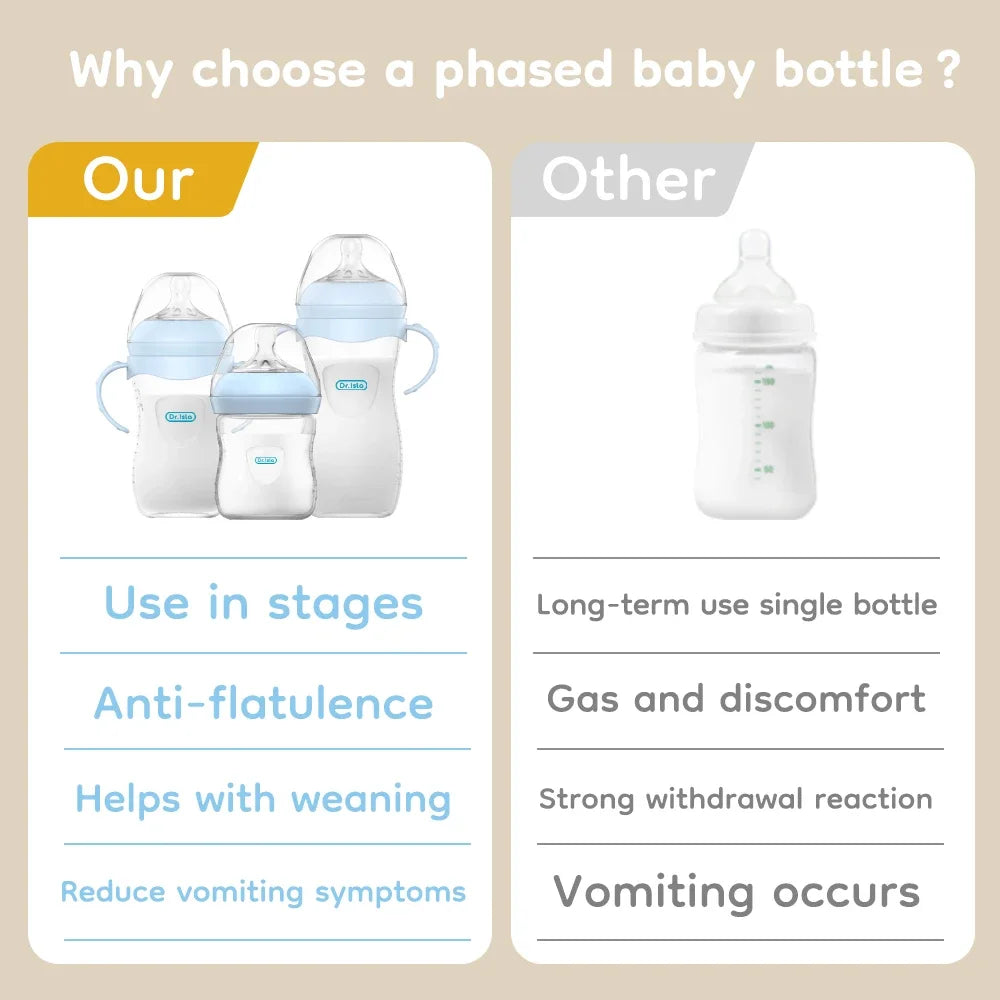
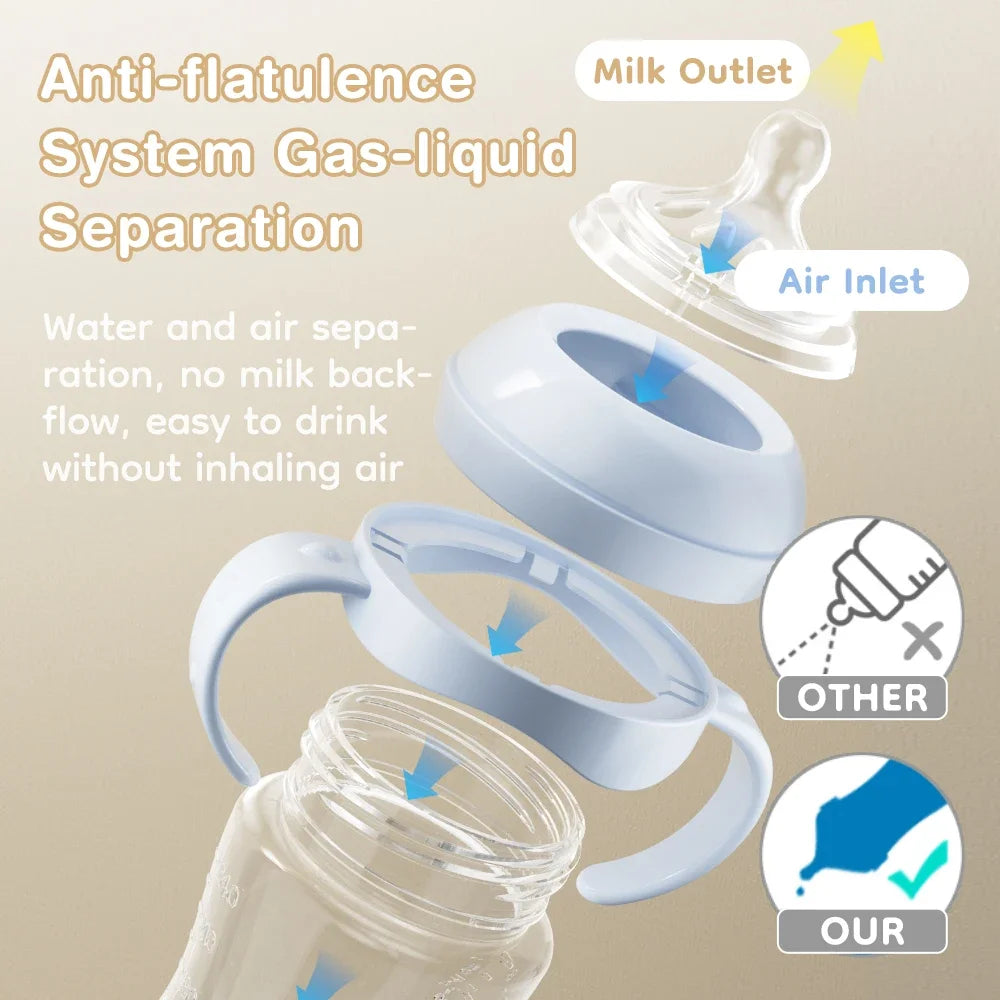
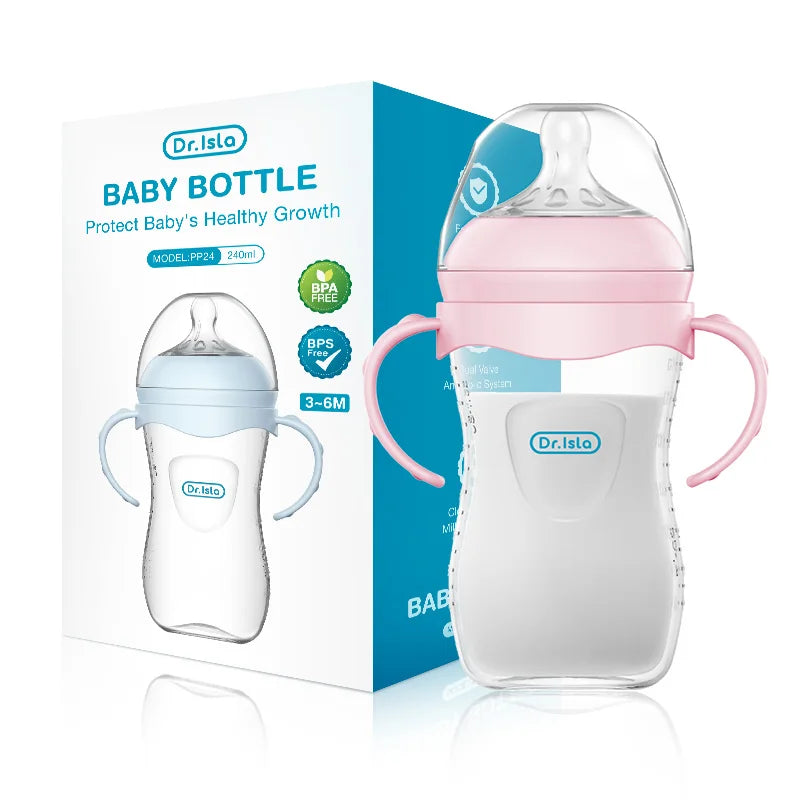
While feeding technique is the most important factor, some parents explore products designed to support controlled milk flow. Options like the anti-choke baby bottle may help create a more manageable feeding experience when combined with proper positioning and paced feeding.
Parents can also explore accessories from Feeding Tools when building a safer feeding setup.
- Controlled flow may reduce sudden milk surges
- Vent systems may help reduce swallowed air
- Comfortable bottle shapes may support easier handling
Safe bottle feeding positions paired with the right bottle See it in action
Building confidence after a choking scare
A single coughing episode can make parents worry that their newborn keeps choking on milk. In many cases, occasional coughing or gagging is part of learning how to feed safely. Creating consistent routines, monitoring patterns, and making small adjustments can improve confidence.
When repeated choking needs medical evaluation
If a baby keeps choking on milk during multiple feeds, struggles to breathe, refuses feeds, or shows signs of discomfort, discuss these patterns with a pediatrician.
Questions to ask your pediatrician
- Could the nipple flow rate be too fast?
- Are there signs of reflux affecting feeding?
- Is my baby’s feeding coordination developing normally?
- Should we adjust feeding positions or techniques?
Exploring calming routines from Sleep & Comfort can also help babies stay relaxed during feeds.
Frequently asked questions
Can newborn choke on milk while lying flat?
Yes. Feeding while lying flat can make milk flow harder for some newborns to control. A supported position with the head elevated can help improve feeding comfort and coordination.
Is coughing during feeding always dangerous?
No. Occasional coughing or gagging can be a normal protective response. Frequent choking, breathing problems, or repeated distress should be discussed with a pediatrician.
What should I do if my newborn chokes?
Stop feeding, hold your baby upright, and allow them to recover. If your baby cannot breathe, cough, or make sounds, follow infant choking first-aid guidance and seek emergency help.
Do certain bottles really help prevent choking?
Bottles designed for controlled flow may support safer feeding habits, but they work best when combined with appropriate nipple selection, positioning, and paced feeding.
Can reflux cause choking during bottle feeding?
Yes. Reflux can cause milk to move back toward the throat and may lead to coughing, gagging, or discomfort during or after feeding.
How do I know if my baby's bottle nipple flows too fast?
Signs include frequent coughing, gulping, milk leaking from the mouth, pulling away from the bottle, or appearing stressed while feeding.
Pillar Article: How to Wash Feeding Bottle Properly for Newborn Safety
Other Related Articles:
- When to Stop Using Anti Colic Bottles for Your Baby
- Bottle Feeding Difficulties? Step-by-Step Solutions for Newborns
- What Size Bottle Nipple for Newborn Ensures Smooth Feeding
Explore More:





