

Quick Answer: When to Stop Using Anti Colic Bottles
When to stop using anti colic bottles is usually between 4–6 months, but the best time depends on your baby’s feeding development rather than age alone. Most babies can transition when they have better sucking coordination, less trapped gas, calmer feeds, and fewer signs of digestive discomfort.
Some babies may need anti colic bottles longer, especially those with reflux, ongoing colic symptoms, premature babies, or feeding difficulties. If your baby is comfortable and growing well, you can usually begin a gradual transition instead of stopping suddenly.
When to Stop Using Anti Colic Bottles for Your Baby
⏱ 6 min read
Many parents search when to stop using anti colic bottles after the newborn stage because the bottle that once solved gas and fussiness may no longer seem necessary. Anti colic bottles can be extremely helpful during early months, but babies’ digestion, sucking strength, and feeding skills change quickly. So when is the right time to remove the valve, stop using inserts, or switch to a simpler bottle?
This guide explains how long babies need anti colic bottles, the signs your baby is ready, when to keep using them longer, and how to transition without causing extra gas or feeding stress.
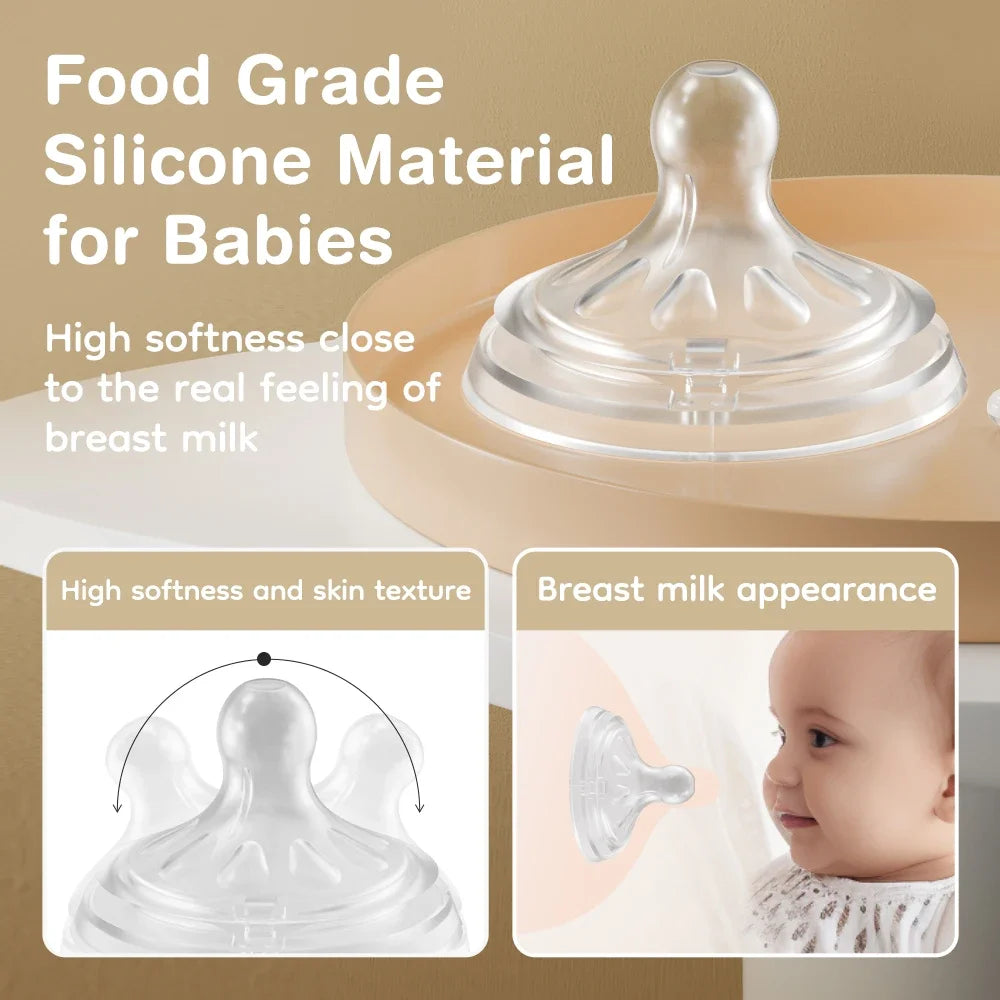
Knowing when to stop using anti colic bottles helps parents transition with confidence
Why Parents Use Anti Colic Bottles in the First Place
During the newborn stage, many babies struggle with swallowed air because their digestive systems and feeding coordination are still developing. This can lead to gas, fussiness, frequent burping, spit-up, and shorter feeding sessions.
Anti colic bottles are designed to reduce the amount of air your baby takes in while feeding. They use different technologies to create a smoother milk flow and reduce air bubbles reaching your baby’s stomach.
How anti-colic bottles reduce swallowed air
Most anti colic bottles work through one of three systems:
- Anti colic valves: Allow air to enter the bottle instead of your baby’s mouth, reducing vacuum buildup during feeding.
- Venting systems: Channel air away from the milk flow to help prevent bubbles and excessive swallowing.
- Inserts or specialized components: Help regulate pressure and maintain a smoother feeding rhythm.
What anti-colic valves and inserts do
Anti colic valves and inserts are especially useful during the first months when babies have weaker sucking coordination. As babies mature, they often become better at controlling milk flow, swallowing efficiently, and releasing trapped air through normal burping.
Understanding how long do babies need anti colic bottles depends on whether these features are still improving feeding comfort or simply adding unnecessary complexity.
Many families combine feeding improvements with resources from Feeding & Nursing or calming routines found in Sleep & Comfort during early development.
When Can Babies Stop Using Anti Colic Bottles?
When can babies stop using anti colic bottles? Most babies can begin transitioning around 4–6 months, although some may stop earlier or continue longer depending on their feeding comfort and digestive needs.
0–3 months
During the newborn stage, anti colic bottles are often most beneficial. Babies commonly have immature digestion, weaker oral coordination, and may swallow more air while learning to feed.
- Anti colic valves can help reduce gas buildup
- Controlled flow may support calmer feeds
- Frequent burping may still be needed
3–6 months
This is the most common transition period. Many babies develop stronger sucking skills, improved digestion, and better feeding rhythm. Parents often begin testing whether simpler bottles work just as well.
- Gas episodes may become less frequent
- Feeds may become faster and more efficient
- Your baby may tolerate different nipple designs
6–12 months
By this stage, many babies no longer require anti colic features. Feeding development, solid food introduction, and increased independence often make simpler bottle designs more practical.
However, babies with reflux, sensitivity, or ongoing discomfort may still benefit from anti colic systems beyond six months.
Signs Your Baby Is Ready to Transition
If you are wondering when can I stop using anti colic bottles, look for your baby’s behavior rather than relying only on age.
- Your baby has less gas and discomfort after feeds
- Burping becomes easier and more predictable
- Your baby feeds calmly without pulling away frequently
- Bottle feeds are completed comfortably and efficiently
- Your baby is gaining weight steadily and feeding well
Parents often notice smoother transitions when they combine feeding changes with trusted resources from Baby Care Essentials or soothing routines from Massage & Relaxation.
When You Should Keep Using Anti Colic Bottles
Although many babies transition between 4–6 months, some need anti colic bottles longer. Continuing to use them is reasonable when they still provide noticeable comfort.
- Persistent reflux: Babies with frequent spit-up or discomfort may benefit from controlled feeding systems.
- Ongoing colic symptoms: Some babies continue experiencing gas-related discomfort beyond the newborn period.
- Premature babies: Feeding coordination may develop more gradually.
- Pediatrician recommendations: Some babies require individualized feeding support.
Do Anti Colic Bottles Actually Work?
Do anti colic bottles actually work? For many newborns, yes. They can reduce swallowed air and make feeding more comfortable, especially for babies who struggle with gas or fast milk flow.
However, anti colic bottles are not a guaranteed solution for every baby. Their benefits are usually strongest during early months and may decrease as babies develop stronger feeding skills.
| Benefit | Newborn Stage | Older Baby |
|---|---|---|
| Reducing swallowed air | High benefit | May be less important |
| Supporting controlled milk flow | Very helpful | Depends on feeding ability |
| Improving feeding comfort | Commonly noticed | Varies by baby |
The goal is not to stop using anti colic bottles as quickly as possible, but to recognize when your baby no longer depends on the extra features.
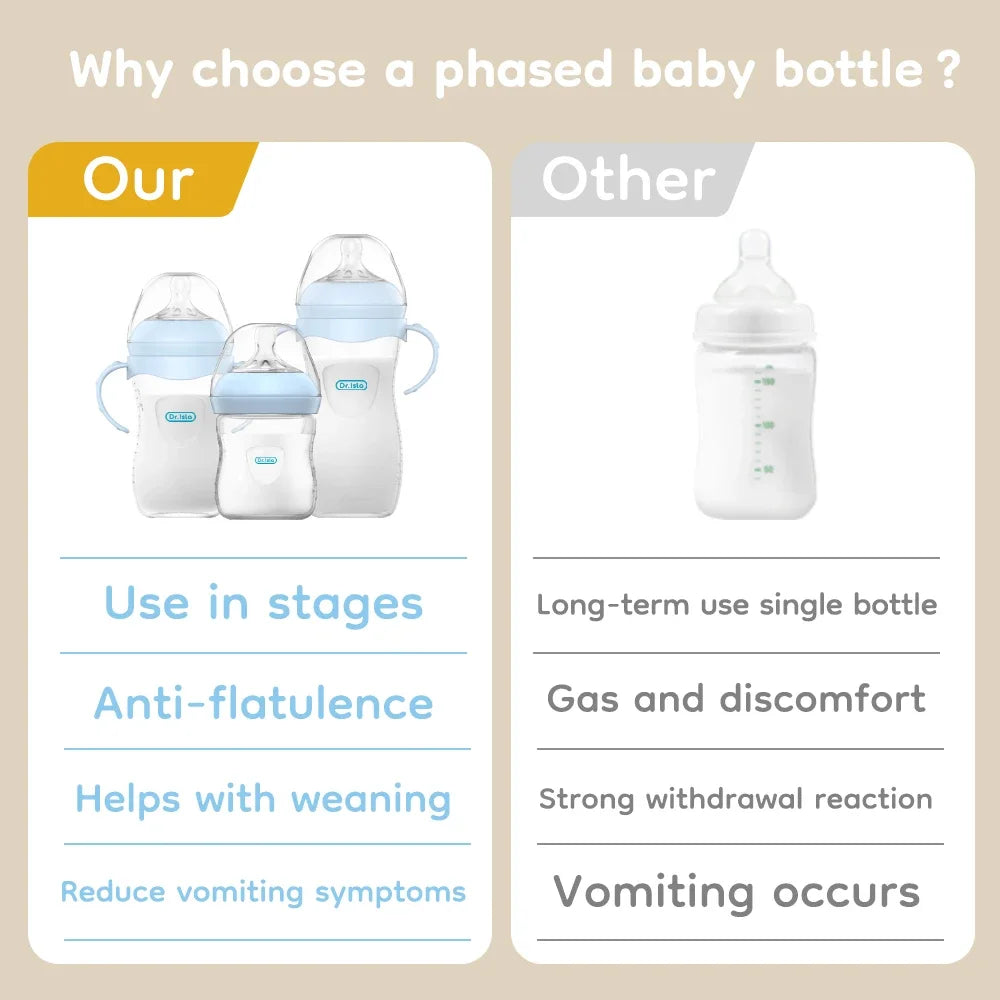
Anti colic bottles can support newborn feeding before babies naturally outgrow the need
How to Transition Without Gas or Fuss
Switching away from anti colic bottles does not need to happen overnight. A gradual approach allows you to monitor your baby’s comfort.
Switching to standard bottles
- Start with one feed per day using a simpler bottle.
- Observe changes in gas, spit-up, or feeding behavior.
- Increase standard bottle use if your baby remains comfortable.
Removing anti-colic valves or inserts
If your bottle system allows it, parents may test removing the valve or insert gradually. When deciding when to take anti colic out of bottle, watch for signs of discomfort rather than following a strict timeline.
Transitioning to cups after bottles
As babies approach the appropriate developmental stage, some families begin moving toward cups. A gradual bottle-to-cup transition can help babies build new feeding skills without unnecessary stress.
Using a familiar option like the anti-choke baby bottle can help support safer feeding while your baby adjusts.
Common Mistakes Parents Make
Even careful parents can make transitions harder by changing too many things at once.
- Switching too early: Some babies still benefit from anti colic features during the first months.
- Changing multiple feeding variables: Avoid changing bottles, nipples, and feeding routines at the same time.
- Ignoring feeding cues: Your baby’s comfort matters more than a specific age milestone.
- Using incorrect nipple flow: A nipple that is too fast or too slow can create new feeding problems.
Maintaining clean feeding gear with help from Sterilization Devices and monitoring comfort with tools from Health & Safety can support healthier feeding routines.
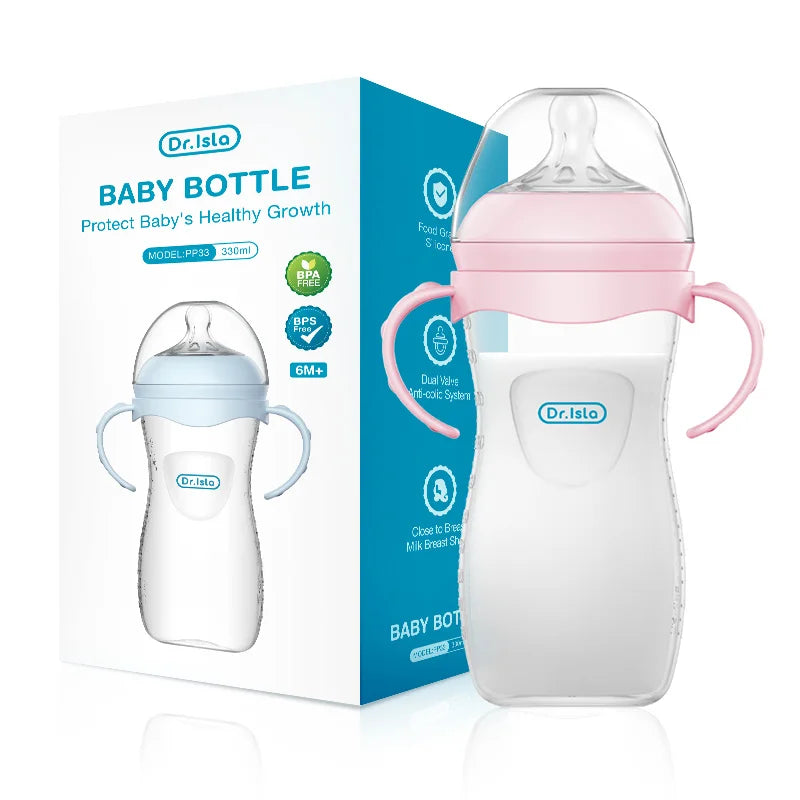
A gradual transition helps babies adjust comfortably to new feeding methods
When to Call a Pediatrician
Most bottle transitions are simple, but professional advice is recommended if your baby experiences:
- Persistent vomiting or severe reflux symptoms
- Poor weight gain or fewer wet diapers
- Repeated feeding refusal
- Ongoing severe gas, crying, or discomfort during feeds
A pediatrician can help determine whether your baby needs continued anti colic support or whether another feeding issue should be addressed.
Frequently Asked Questions
When can babies stop using anti colic bottles?
Many babies can stop using anti colic bottles between 4–6 months when digestion and feeding skills improve. Some babies may need them longer depending on reflux, gas, or feeding comfort.
How long do babies need anti colic bottles?
There is no fixed timeline. Many babies use them during the newborn stage and transition away once they can feed comfortably without swallowing excessive air.
When can you remove the anti colic valve?
You can consider removing the anti colic valve when your baby feeds calmly, has fewer gas issues, and does not rely on the venting system for comfort.
When can you stop using anti colic inserts?
Parents can usually stop using anti colic inserts when their baby no longer shows signs of gas-related discomfort and handles normal bottle flow well.
Can removing anti colic inserts too early cause gas?
Yes. If your baby still swallows a lot of air or struggles with feeding coordination, removing inserts too early may increase discomfort. A gradual transition is often easier.
Should babies with reflux continue using anti colic bottles longer?
Some babies with reflux may benefit from continued use, but feeding concerns should be discussed with a pediatrician for personalized guidance.
Pillar Article: How to Wash Feeding Bottle Properly for Newborn Safety
Other Related Articles:
- Bottle Feeding Difficulties? Step-by-Step Solutions for Newborns
- What Size Bottle Nipple for Newborn Ensures Smooth Feeding
- Can Newborn Choke on Milk? Safe Feeding Tips Every Parent Needs
Explore More:





