

Protect Sensitive Household Items: How to Keep Moisture Damage Away
⏱ 8 min read
Does protecting sensitive household items from moisture really work?
Yes — protecting sensitive household items with humidity control and smart monitoring prevents mold, warping, and corrosion by keeping indoor moisture in safe ranges. To protect sensitive household items, aim for steady humidity below 60% (ideally 30–50%), fix leaks, ventilate damp areas, and use targeted storage or sensors to catch trouble early. :contentReference[oaicite:0]{index=0}
Parents and home caretakers: worried your heirloom fabrics, important documents, skincare, or electronics are silently deteriorating? When indoor humidity higher than outside or spikes toward indoor humidity 70, moisture damage and mold can sneak in unnoticed. This guide shows quick, practical steps to protect sensitive household items, improve indoor environmental quality, and give you peace of mind—without a remodeling project.
How to protect sensitive household items — the direct answer
To protect sensitive household items, control indoor humidity (keep it under 60% and ideally 30–50%), dry wet areas within 24–48 hours, ventilate bathrooms and kitchens, and store valuables in breathable containers or moisture-proof boxes while monitoring conditions with a reliable sensor. These steps stop mold growth and material damage early. :contentReference[oaicite:1]{index=1}
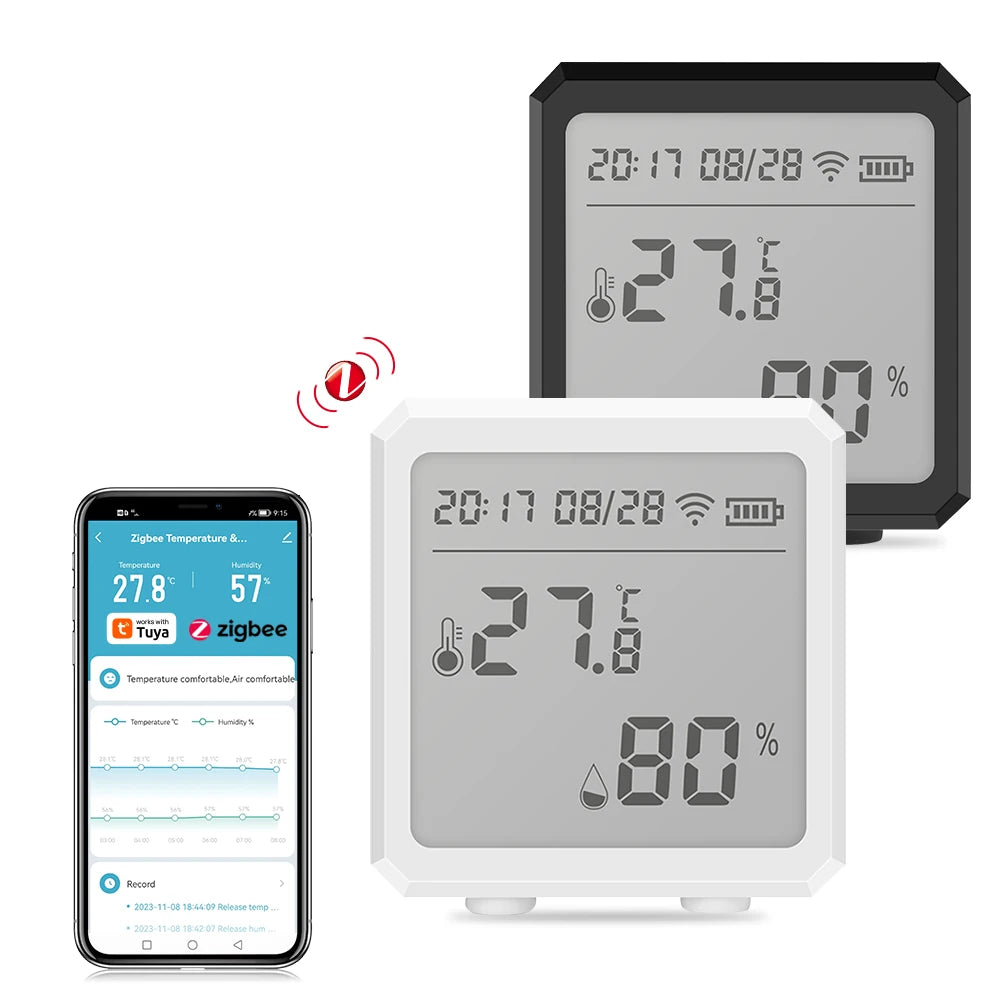
protect sensitive household items, preventing mold in the home — 💡 See it in action.
Why moisture hurts sensitive items (short, clear)
Water and high humidity feed mold, warp wood, corrode metal, and degrade paper and leather over time. Mold and damp environments also pose health risks for children and adults—respiratory irritation and allergic reactions are common in damp buildings. Acting early means preserving both belongings and household wellbeing. :contentReference[oaicite:2]{index=2}
What counts as “high” humidity?
- Comfort & safety target: 30–50% relative humidity for most homes. :contentReference[oaicite:3]{index=3}
- Risk zone: sustained RH above 60% increases mold risk; spikes near 70% can damage finishes and fabrics. :contentReference[oaicite:4]{index=4}
Measure and monitor: the first step to prevent damage
You can’t fix what you don’t measure. A small humidity gauge or smart sensor gives clear numbers so you know when to act. Place sensors in basements, closets with textiles, near electronics, and in bathrooms—areas where moisture concentrates.
Tip: log or snapshot readings daily for a week to spot patterns (morning condensation or humid afternoons).
For continuous monitoring, consider pairing a dehumidifier with a smart sensor so devices respond only when needed—saving energy and protecting items. :contentReference[oaicite:5]{index=5}
Related product: check out the Zigbee temperature & humidity sensor for simple, persistent monitoring you can trust.
Helpful internal resources: find smart monitoring gear in Monitoring Devices or tools for temperature tracking in Temperature Tools.
Reduce home humidity: practical fixes that actually work
Start with the low-effort, high-impact moves that stop humidity from ever getting high enough to harm your things.
Quick checklist — do these now
- Run exhaust fans during showers and cooking; vent dryer to the outside. :contentReference[oaicite:6]{index=6}
- Fix visible leaks: under sinks, around windows, and from appliances.
- Use a dehumidifier in basements or damp rooms (target RH 30–50%). :contentReference[oaicite:7]{index=7}
- Keep indoor plants moderate—many houseplants raise humidity if overwatered.
Where to prioritize
Basements, closets with fabrics (blankets, winter coats), attics with poor ventilation, and rooms with lots of electronics or paper. For furniture and skincare collections, avoid placing items directly against exterior walls where condensation forms.
Compare: sensors, dehumidifiers, and storage — pros & cons
| Solution | What it protects | Pros | Cons |
|---|---|---|---|
| Smart humidity sensor | All stored items (alerts before damage) | Low cost, continuous data, automations | Needs placement and sometimes a hub |
| Dehumidifier | Basements, closets, whole rooms | Rapid RH reduction, clear target control | Energy use and maintenance (emptying/filters) |
| Moisture-proof storage (silica/lidded boxes) | Documents, photos, fabrics | Portable, inexpensive, no power required | Limited capacity; best used with monitoring |
Storage hacks that actually work
For valuables, layer protection: clean → dry → seal → monitor.
- Documents & photos: acid-free sleeves + sealed polypropylene boxes with silica gel packets. Store boxes off the floor and away from outside walls.
- Electronics: keep in original packaging or antistatic bags; avoid attics and basements where humidity swings are largest.
- Skincare & cosmetics: store in cool, dark cabinets; keep lids tight; high-humidity environments accelerate separation and contamination.
- Fabrics & heirlooms: breathable cotton storage bags are better than plastic bags that trap moisture; use cedar blocks for moth prevention but not direct contact with fabric.
Small investments—desiccant packs, lidded plastic bins, and a dedicated sensor—are usually cheaper than the cost of replacing cherished items.

preventing mold in the home, indoor humidity higher than outside — 💡 See it in action.
Daily routines to stop mold before it starts
Small daily habits compound. Adopt a few and make them household rules.
- Wipe shower walls after use to reduce condensation and towel-dry wet mats.
- Check sensor readings during humid weather and run dehumidifiers if RH approaches 60%. :contentReference[oaicite:8]{index=8}
- Rotate stored textiles seasonally to air them out and inspect for spots or musty smells.
- Keep an eye on unseen spots: under rugs, behind wardrobes, and inside cardboard boxes (cardboard absorbs moisture fast).
Quick action for visible moisture
- Dry the area quickly (fans, towels, dehumidifier).
- Remove and wash affected fabrics within 24–48 hours.
- Run a smart sensor in the area for 48–72 hours to confirm RH stability.
Why a smart sensor makes protection simple
Track conditions continuously, get alerts when indoor humidity rises, and link actions (like running a dehumidifier) automatically. When protecting sensitive household items, early detection is the difference between a quick fix and expensive loss.
Direct answer: a smart temperature/humidity sensor paired with a dehumidifier or ventilator reduces the chance of mold and material damage by giving you time to act before humidity reaches dangerous levels. :contentReference[oaicite:9]{index=9}
How parents use sensors in real homes
- Basement toy closets: parents set alerts to 55% RH and run dehumidifier only when needed (saves energy).
- Skincare cabinets: alerts when a windowless bathroom spikes, prompting immediate fan use.
- Document boxes: occasional checks tell you when silica packs need replenishing.
Buy now: Zigbee temperature & humidity sensor — designed for easy setup and continuous monitoring.
Real-user notes & mini-case studies
“Moved our holiday quilts to plastic-sealed boxes and added a small sensor—my readings dropped from 64% to 46% in a week and the musty smell disappeared.” — Anna, parent and collector.
Before/after: a homeowner who used a dehumidifier + sensors reported fewer frayed papers and no visible mold after 3 months of monitoring (RH stayed stable below 50%). These small wins are typical when measurement meets action. :contentReference[oaicite:10]{index=10}
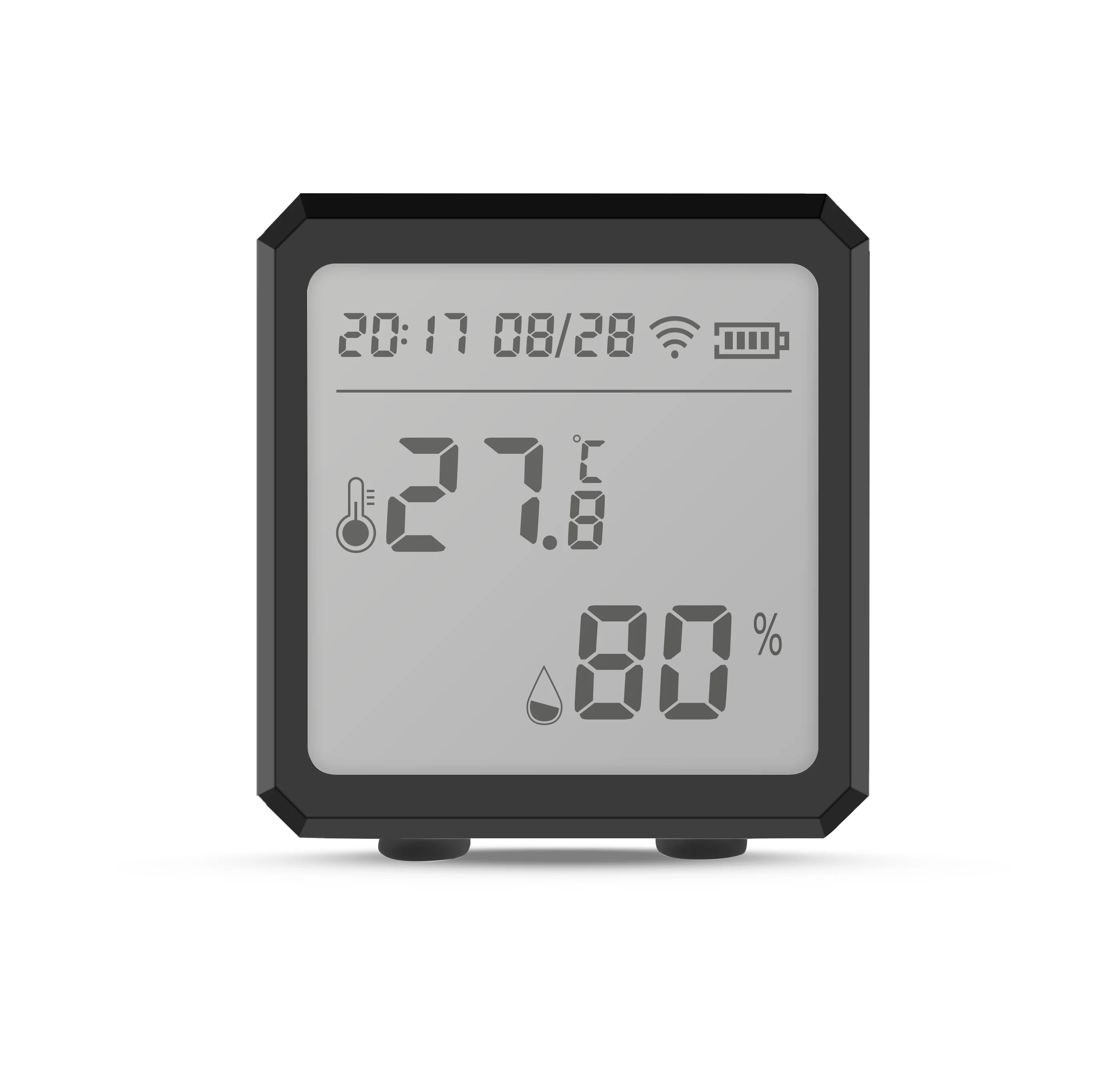
indoor humidity 70, improve indoor environmental quality — 💡 See it in action.
Mini-FAQ
How fast does mold grow if humidity is high?
Mold can begin growing in 24–48 hours on wet surfaces. That’s why rapid drying and monitoring matter. :contentReference[oaicite:11]{index=11}
Is 70% RH dangerous for my belongings?
Sustained RH near 70% significantly increases risk for mold and material damage; act to lower it below 60% and ideally target 30–50% for long-term protection. :contentReference[oaicite:12]{index=12}
Can I rely on air conditioning alone?
AC helps in warm climates but may not control humidity perfectly—especially in poorly sealed homes. Sensors plus dehumidifiers provide control and reliability. :contentReference[oaicite:13]{index=13}
Final steps: a simple plan you can implement this weekend
- Buy or place a humidity sensor in an at-risk room (basement/closet). Monitoring Devices.
- Inspect for leaks and dry any wet materials within 48 hours.
- Store valuable papers and fabrics in lidded boxes with silica gel.
- Set a maintenance schedule: check sensors weekly during humid seasons.
- Share this plan with family so everyone knows where things go and how to respond.
Protecting sensitive household items is mostly about consistent small actions: measure first, then act. With a compact sensor, a few storage upgrades, and simple daily habits, you’ll stop mold, preserve heirlooms, and improve indoor environmental quality for your family.
Pillar Article: How to Detect Humidity: A Simple Step-by-Step Guide for Accurate Readings
Other Related Articles:
- Home Smart Sensors: How to Use Them to Fix Daily Climate Problems
- Sensors for Temperature and Humidity: How to Install Them the Right Way
- Monitoring Apps for Android: How to Track Home Climate in Minutes
Explore More:





