

How to Relieve Newborn Congestion Step-by-Step for Calm, Easier Breathing
⏱ 14 min read
Does simple care really clear a newborn's stuffy nose?
Yes. In most cases, how to relieve newborn congestion starts with gentle supportive care rather than medication. Plain saline drops, careful suction with a newborn-friendly aspirator when needed, cool-mist humidified air, and keeping your baby comfortably upright while awake can reduce nasal blockage, improve feeding, and make sleep easier. Congestion may come and go during the first weeks of life, but if your newborn develops breathing difficulty, poor feeding, fever, or unusual sleepiness, seek medical care promptly.
Hearing your newborn struggle with a stuffy nose can be stressful, especially when every snuffle sounds louder in the middle of the night. Fortunately, most cases of newborn congestion are mild and improve with safe, simple care at home. This guide explains how to relieve newborn congestion step by step, when gentle suction is appropriate, how to create a comfortable environment for easier breathing, and which warning signs mean it's time to contact your pediatrician. You'll also learn how to avoid common mistakes that can make congestion worse.
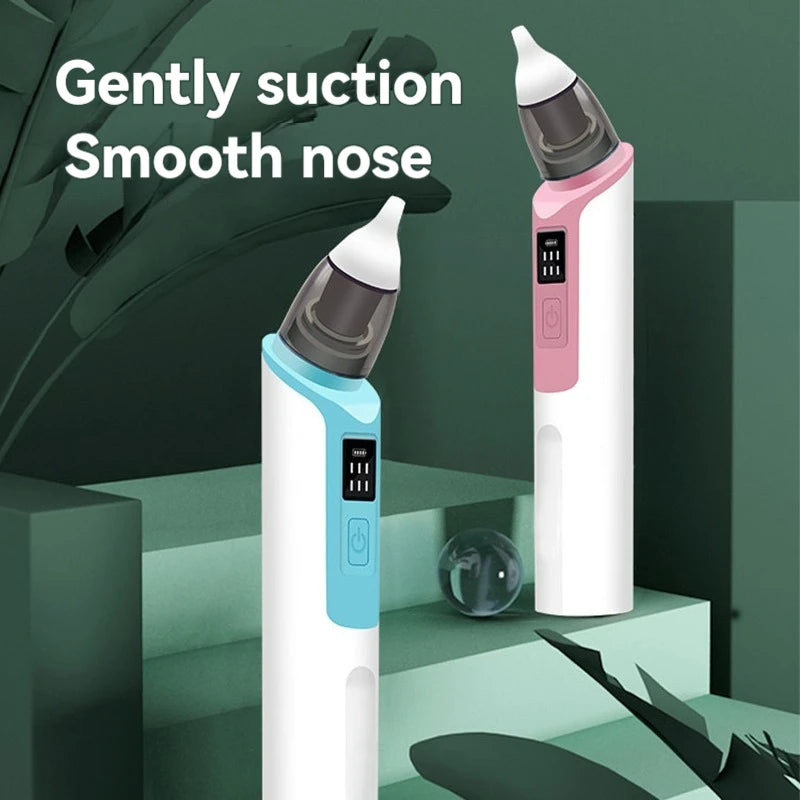
how to relieve newborn congestion + newborn congestion treatment — See it in action
Why newborns get congested (and why it's usually okay)
Newborns breathe almost entirely through their noses, and their nasal passages are extremely small. Even a tiny amount of normal mucus can make breathing sound noisy. This is why many healthy babies seem congested despite having no infection.
Common causes of newborn congestion treatment needs include naturally narrow nasal passages, dry indoor air, mild viral illnesses, temporary milk reflux into the back of the nose during feeding, or everyday environmental irritants such as dust. Because newborn immune systems are still developing, mucus also helps trap particles before they reach the lungs.
Most congestion improves gradually with supportive care rather than medicine. However, congestion should never be ignored if it interferes with breathing or feeding. Babies who cannot breathe comfortably through their noses may struggle to latch, feed for shorter periods, or wake frequently because they cannot coordinate breathing and swallowing.
Common signs of newborn congestion
- Snuffling, snorting, or noisy breathing that becomes more noticeable when lying flat.
- Difficulty nursing or taking a bottle because the baby pauses frequently to breathe.
- Restlessness, fussiness, or shorter sleep periods.
- Frequent sneezing with clear, white, or slightly thick nasal mucus.
Normal congestion should not cause severe breathing problems. If you notice rapid breathing, the skin pulling in around the ribs or neck, blue lips, or persistent poor feeding, seek medical evaluation rather than continuing home care alone.
How to clear newborn nasal congestion safely: 6-step routine
Direct answer: The safest way to clear newborn nasal congestion is to use plain saline drops first, gently suction only when needed, keep the air comfortably humidified, encourage regular feeds, hold your baby upright while awake and supervised, and reassess breathing and feeding throughout the day. These simple measures provide safe newborn congestion relief without overusing suction or medications.
Step 1: Use plain saline drops
Place 1–2 preservative-free saline drops into each nostril and wait about 30–60 seconds. Saline softens and loosens mucus, making it easier to remove while reducing irritation. Avoid medicated sprays or forceful nasal sprays designed for older children.
Step 2: Wait briefly, then suction gently if needed
After the saline has loosened mucus, use gentle suction only if congestion is making feeding or breathing difficult. Limit suction to a few gentle passes during each session, especially before feeds or bedtime. Excessive suctioning can irritate the delicate lining of the nose and may increase swelling.
Step 3: Keep the air comfortably humidified
A clean cool-mist humidifier can add moisture to dry indoor air, helping mucus remain thinner and easier to clear. Rather than relying on steam treatments, prioritize consistent humidification and regular cleaning of the humidifier according to the manufacturer's instructions.
Step 4: Offer frequent feeds to support hydration
Breast milk or formula helps maintain hydration, which naturally keeps mucus thinner. Smaller, more frequent feeds may be easier if congestion temporarily affects your baby's ability to nurse comfortably.
Step 5: Keep baby upright while awake and supervised
Holding your baby upright for 10–20 minutes after feeds may help drainage and make breathing feel easier. For sleep, always return your newborn to a flat, firm sleep surface that follows safe sleep recommendations.
Step 6: Reassess breathing, feeding, and symptoms
Monitor whether your baby feeds normally, has regular wet diapers, and breathes comfortably between congestion episodes. If symptoms worsen, persist for several days, or are accompanied by fever or breathing difficulty, contact your pediatrician.
Choosing and using a nasal aspirator safely
Direct answer: A nasal aspirator can help remove loosened mucus after saline drops, but suction should always be gentle and limited. Whether you choose a bulb syringe, a manual oral aspirator, or an electric model, the goal is to clear mucus without irritating the delicate nasal lining.
Types of aspirators: quick comparison
| Type | How it works | Best for | Advantages | Limitations |
|---|---|---|---|---|
| Bulb syringe | Manual squeeze creates suction | Occasional congestion | Simple, inexpensive, portable | Less precise suction and requires thorough cleaning |
| Manual oral aspirator | Parent controls suction through a filtered mouthpiece | Parents wanting adjustable suction | Excellent control with gentle pressure | Some caregivers prefer not to use oral suction |
| Electric nasal aspirator | Battery or USB-powered suction | Frequent congestion or regular use | Consistent low suction and easy operation | Higher cost and requires charging |
How to use an aspirator gently and safely
- Wash your hands and prepare the aspirator according to the manufacturer's instructions.
- Apply 1–2 saline drops into each nostril and wait 30–60 seconds.
- Hold your baby securely so sudden movement is less likely.
- Place the soft tip just inside the nostril—never push it deeply into the nose.
- Use the lowest effective suction setting or the gentlest manual pressure for only a few seconds.
- Repeat only if necessary, then comfort your baby and clean every reusable part thoroughly before storing it completely dry.
When comparing aspirators, consider ease of cleaning, replacement parts, gentle suction control, and soft silicone tips designed specifically for infants rather than choosing based on suction power alone.
Find tools and accessories under Baby Hygiene Gadgets and Health & Safety to build your newborn comfort kit. For an easy, reliable option, check our electric nasal aspirator designed for tiny noses.
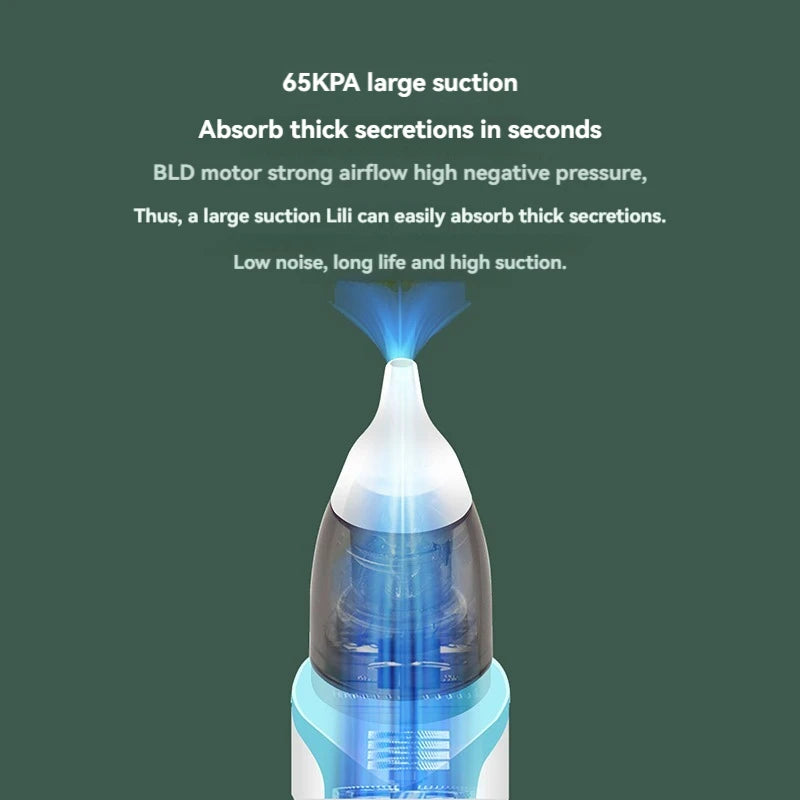
newborn congestion treatment + infant blocked nose treatment — See it in action
Nighttime and sleep strategies for clearer breathing
Newborn congestion often seems worse overnight because babies spend long periods lying on their backs, allowing mucus to collect in the nasal passages. A few safe bedtime habits can improve newborn stuffy nose relief while supporting healthy sleep.
Practical nighttime checklist
- Run a clean cool-mist humidifier near the crib to help keep nasal passages moist. Position it safely away from your baby's sleep space and clean it daily according to the manufacturer's instructions.
- Use preservative-free saline drops followed by gentle suction only if congestion is making feeding or sleeping difficult.
- Maintain a comfortable room temperature and avoid overheating, which can contribute to dehydration and thicker mucus.
- Dress your newborn in breathable sleep clothing appropriate for the room temperature.
- Feed your baby before bedtime whenever possible, as good hydration helps keep mucus thinner.
Safe sleep when your newborn is congested
Even when your baby has a stuffy nose, the safest sleep position remains flat on their back on a firm mattress with a fitted sheet. Do not place pillows, wedges, rolled towels, sleep positioners, or loose blankets in the crib.
Avoid elevating the crib mattress unless your pediatrician has given specific medical instructions. Although it may seem helpful, elevating the sleep surface or using positioning devices has not been shown to safely relieve congestion and may increase sleep-related risks.
If the air in your home is especially dry, consistent use of a cool-mist humidifier is generally a safer way to support safe newborn congestion relief than relying on steam. If you choose to spend a few minutes in a steamy bathroom after running a warm shower, always keep your baby away from hot water and never use hot steam devices close to your newborn.
When to call the doctor — red flags to watch for
Most cases of mild newborn congestion improve with supportive care over several days. However, newborns can become ill quickly, so changes in breathing, feeding, or alertness deserve prompt attention.
Contact your pediatrician as soon as possible if you notice any of the following:
- Fever of 100.4°F (38°C) or higher in a baby younger than 3 months.
- Persistent fever or worsening illness in an older infant.
- Poor feeding, difficulty staying latched, or significantly reduced intake.
- Signs of dehydration, including fewer wet diapers, a dry mouth, or unusual lethargy.
- Congestion that continues to worsen or does not improve after 7–10 days.
Seek emergency medical care immediately if your baby develops:
- Rapid, labored, or noisy breathing that is getting worse.
- Visible pulling in of the skin between the ribs, under the ribs, or around the neck during breathing.
- Bluish lips, face, or fingertips.
- Difficulty waking, unusual sleepiness, or poor responsiveness.
- Repeated pauses in breathing or signs that your baby is struggling to get enough air.
Safety, cleaning, and hygiene for aspirators and tools
Good hygiene is an essential part of safe newborn congestion relief . Cleaning nasal-care equipment correctly helps reduce the risk of introducing bacteria or mold into your baby's delicate nasal passages during future uses.
- Wash reusable parts after every use: Disassemble the aspirator as directed by the manufacturer and wash reusable components with warm water and mild soap. Rinse thoroughly to remove any soap residue.
- Allow everything to dry completely: Air dry all parts before reassembly. Moisture trapped inside tubing or collection chambers can encourage bacterial or mold growth.
- Replace filters and worn components: If your aspirator uses disposable filters or silicone tips, replace them according to the manufacturer's recommendations or sooner if they become damaged or discolored.
- Do not share nasal-care tools: Even among siblings, each child should have their own aspirator or properly sanitized components to help prevent cross-contamination.
- Inspect equipment before each use: Check for cracked plastic, torn silicone tips, or loose parts that could affect suction performance or safety.
- Store saline properly: Keep saline solution in a cool, dry place and discard opened multi-use bottles according to the product instructions to reduce contamination risk.
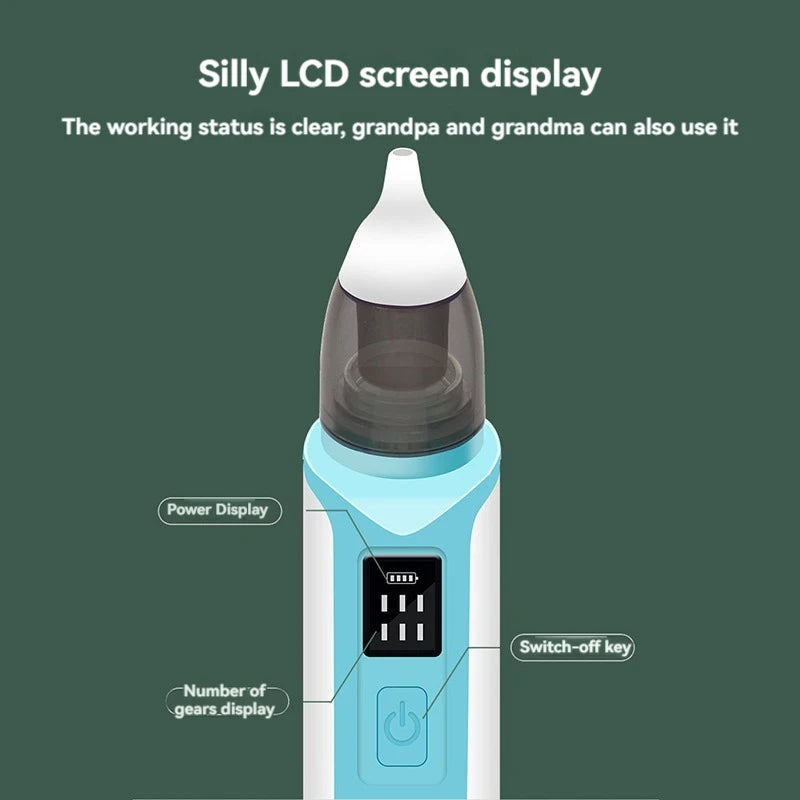
infant blocked nose treatment + electric nasal aspirator for newborn — See it in action
Newborn congestion FAQ
-
Can saline drops help clear a newborn's blocked nose?
Yes. Plain preservative-free saline drops loosen thick mucus, making it easier to remove with gentle suction if needed. Saline is considered one of the safest first-line approaches for newborn congestion because it contains no medication.
-
How often can I suction my newborn's nose?
Use suction only when congestion interferes with feeding, sleep, or comfortable breathing. Applying saline first and limiting suction to a few gentle passes helps reduce irritation. Frequent unnecessary suctioning can inflame the nasal lining.
-
Can a humidifier help with newborn congestion?
Yes. A clean cool-mist humidifier adds moisture to dry indoor air, helping mucus stay thinner and easier to clear. Clean and refill the humidifier according to the manufacturer's instructions to prevent mold or bacterial growth.
-
How can congestion affect feeding?
Because newborns breathe primarily through their noses, congestion may cause frequent pauses during breastfeeding or bottle-feeding. Clearing the nose shortly before feeding can often help babies feed more comfortably.
-
Should I wake my newborn to clear congestion?
If your baby is feeding well, breathing comfortably, and sleeping peacefully, routine suctioning during sleep is usually unnecessary. However, if congestion is interfering with feeding or your baby appears to be struggling to breathe, assess the situation and contact your pediatrician if you are concerned.
-
Can I use cold medicine for newborn congestion?
No. Over-the-counter cold and decongestant medicines are not recommended for newborns unless specifically prescribed by a healthcare professional. Supportive care with saline, gentle suction when appropriate, hydration, and humidified air remains the safest approach.
-
When is newborn congestion a sign of a breathing problem?
Seek immediate medical attention if your baby develops rapid or labored breathing, chest retractions, blue lips or skin, repeated pauses in breathing, poor feeding, or unusual sleepiness. These symptoms require prompt medical evaluation rather than continued home treatment.
Final reassurance and next steps
How quickly can newborn congestion improve?
Most cases of mild newborn congestion improve within a few days with gentle, consistent care. Using preservative-free saline drops, limited suction when needed, maintaining comfortable humidity, and ensuring good hydration often helps babies breathe more comfortably within 24–72 hours. Because newborn nasal passages are very small, mild congestion may come and go even as your baby recovers.
When should I contact a pediatrician?
While most stuffy noses can be managed at home, contact your pediatrician promptly if your newborn develops a fever, has difficulty breathing, refuses multiple feeds, becomes unusually sleepy, produces significantly fewer wet diapers, or if congestion continues to worsen instead of improving. Breathing effort and feeding ability are the most important signs to monitor.
Which congestion-relief methods are safest for a newborn?
The safest newborn congestion treatment combines plain saline drops, gentle suction only when necessary, a clean cool-mist humidifier, upright holding while your baby is awake, and regular feeds to maintain hydration. Avoid over-the-counter cold medicines unless specifically recommended by your baby's healthcare provider.
If you need a nasal suction device designed for infants, you can explore /products/baby-electric-nasal-aspirator . When choosing any aspirator, use the lowest effective suction, follow the manufacturer's cleaning instructions, and avoid inserting the tip deeply into the nostril.
Newborn congestion FAQ
Can saline drops help clear a newborn's blocked nose?
Yes. Plain preservative-free saline drops help thin mucus so it can drain naturally or be removed more easily with gentle suction. Saline is considered one of the safest first-line options for newborn congestion relief.
How often can I suction my newborn's nose?
Limit suction to when mucus is clearly interfering with breathing or feeding, such as before nursing or bedtime. Excessive suctioning may irritate the delicate lining of the nose, so always use gentle pressure.
Can a humidifier help with newborn congestion?
A clean cool-mist humidifier can add moisture to dry indoor air, helping mucus stay thinner and easier to clear. Clean the humidifier regularly to prevent mold and bacterial growth.
How can congestion affect newborn feeding?
Since newborns primarily breathe through their noses, congestion can make nursing or bottle-feeding more difficult. Clearing the nose with saline and gentle suction before feeding often improves comfort and helps babies feed more effectively.
Should I wake my newborn to clear congestion?
If your baby is sleeping comfortably and breathing normally, it is usually unnecessary to wake them just to suction their nose. If congestion is interfering with breathing or an upcoming feeding, gentle saline and suction may be appropriate.
Can I use cold medicine for newborn congestion?
No. Over-the-counter cold and decongestant medicines are not recommended for newborns unless specifically prescribed by a healthcare professional. Supportive care with saline, gentle suction, and humidified air remains the safest approach.
When is newborn congestion a sign of a breathing problem?
Seek immediate medical care if your baby has rapid breathing, visible chest retractions, flaring nostrils, blue lips or skin, repeated pauses in breathing, or struggles to feed because of breathing difficulty. These symptoms require prompt evaluation.
Related Articles:
- Baby Mucus Removal Help: Easy Techniques Every Parent Should Know
- Safe Newborn Suction Guide for Beginners: Clear Steps for Stress-Free Use
- Baby Mucus Removal Help: Easy Techniques Every Parent Should Know
- Infant Stuffy Nose Remedies Made Simple: A Practical Guide for Daily Relief
- Newborn Nose Aspirator Reviews: Best Picks for Gentle Daily Congestion Care
Pillar Articles:





