

Infant Nasal Aspirator How to Use: Best Models Reviewed for Beginners
Learning infant nasal aspirator how to use correctly can make a significant difference when your baby is struggling with a blocked nose. Whether you're comparing a vacuum nasal aspirator, a rechargeable nasal aspirator, or a traditional manual bulb, the right technique helps clear mucus safely, making it easier for your baby to breathe, feed, and sleep. This beginner-friendly guide explains when to use each type, how to suction gently, and which features matter most when choosing the best nasal aspirator for everyday congestion relief.
⏱ 8 min read
Does an infant nasal aspirator really work?
Yes. When used correctly, an infant nasal aspirator safely removes excess nasal mucus, helping babies breathe more comfortably through their nose. Pairing saline drops with gentle suction improves feeding, sleep, and overall comfort while reducing the need for repeated suction attempts.
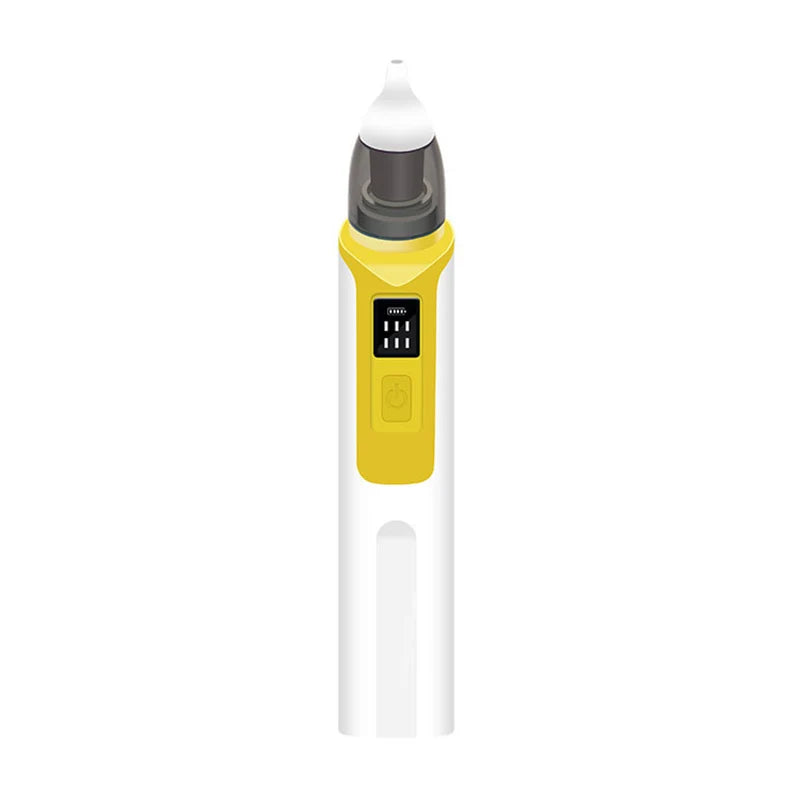
infant nasal aspirator how to use • vacuum nasal aspirator • See it in action — check the product page
Why use an infant nasal aspirator? (Relief, feeding, and better sleep)
Newborns breathe primarily through their noses, especially during feeding. Even a small amount of congestion can make nursing, bottle-feeding, sleeping, and settling much more difficult. Knowing infant nasal aspirator how to use properly allows caregivers to remove mucus quickly without medication, helping babies breathe more comfortably while reducing frustration for the whole family.
Unlike cotton swabs or improvised methods, a purpose-built nasal aspirator uses controlled suction designed specifically for delicate infant nasal passages. Combined with saline drops, it can loosen thick mucus before suctioning, making the process gentler and more effective.
Common parenting frustrations this solves
- Frequent nighttime waking caused by blocked nasal passages.
- Difficulty breastfeeding or bottle-feeding because babies struggle to breathe while eating.
- Stress and uncertainty about how to clear congestion safely.
- Repeated wiping that removes only surface mucus without relieving deeper congestion.
- Cold and allergy seasons when congestion returns several days in a row.
Choosing the right aspirator and using proper technique can turn a stressful routine into a quick part of your baby's daily care.
How to use an infant nasal aspirator (step-by-step)
Direct answer: To use an infant nasal aspirator safely, hold your baby in an upright or slightly reclined position, apply 1–2 saline drops to each nostril, wait 30–60 seconds, then use the lowest effective suction setting. Place the soft tip just inside the nostril entrance, suction for 3–5 seconds, and repeat only if necessary. Clean every removable part immediately after each session.
Step-by-step instructions
- Position your baby comfortably: Hold your baby upright on your lap or against your shoulder. A calm, secure position helps reduce sudden movements and makes suction easier.
- Loosen thick mucus: Place 1–2 saline drops into each nostril and allow them to work for about 30–60 seconds. Softened mucus is easier to remove and requires less suction.
- Select the correct suction level: If using an electric or rechargeable model, begin with the lowest setting. Increase only if congestion remains after one gentle attempt. Manual aspirators rely on your squeezing pressure, so start gently.
- Insert the tip correctly: Rest the silicone tip just inside the nostril opening. Never push it deeply into the nasal passage, as shallow placement is enough to remove mucus safely.
- Use short suction cycles: Suction each nostril for approximately 3–5 seconds. Pause between attempts to allow your baby to settle before repeating if needed.
- Clean immediately after use: Empty the mucus chamber, separate washable components, and clean them according to the manufacturer's instructions to prevent bacteria buildup and maintain suction performance.
Practical usage tips
- Use saline before every suction session whenever mucus appears thick or dry.
- A warm bath or steamy bathroom can help loosen congestion before using the aspirator.
- Keep sessions short to minimize nasal irritation and help your baby stay comfortable.
- Use a soothing voice, gentle lighting, or a favorite toy to reduce anxiety during suctioning.
- If congestion continues despite proper technique, consult your healthcare provider instead of increasing suction strength repeatedly.
Best models reviewed — who they suit
Choosing the best nasal aspirator depends on how often your baby experiences congestion, your preferred cleaning routine, and whether you need a portable solution for travel or daycare.
Electric vacuum nasal aspirator (best for persistent congestion)
Parents often choose electric vacuum models because they provide steady suction, multiple adjustable power levels, and removable collection cups that simplify cleaning. They work particularly well during frequent colds or for families with more than one young child who may need regular congestion relief.
Rechargeable nasal aspirator (best for portability)
A rechargeable nasal aspirator combines convenience with consistent performance. USB charging, cordless operation, and quieter motors make these models especially useful for nighttime care, vacations, daycare bags, and everyday use away from home.
Manual bulb or syringe (best budget/backup)
Manual aspirators remain an affordable option for occasional congestion. Although they require more technique and careful cleaning than electric models, they are lightweight, inexpensive, and useful as a backup when traveling or during power outages.
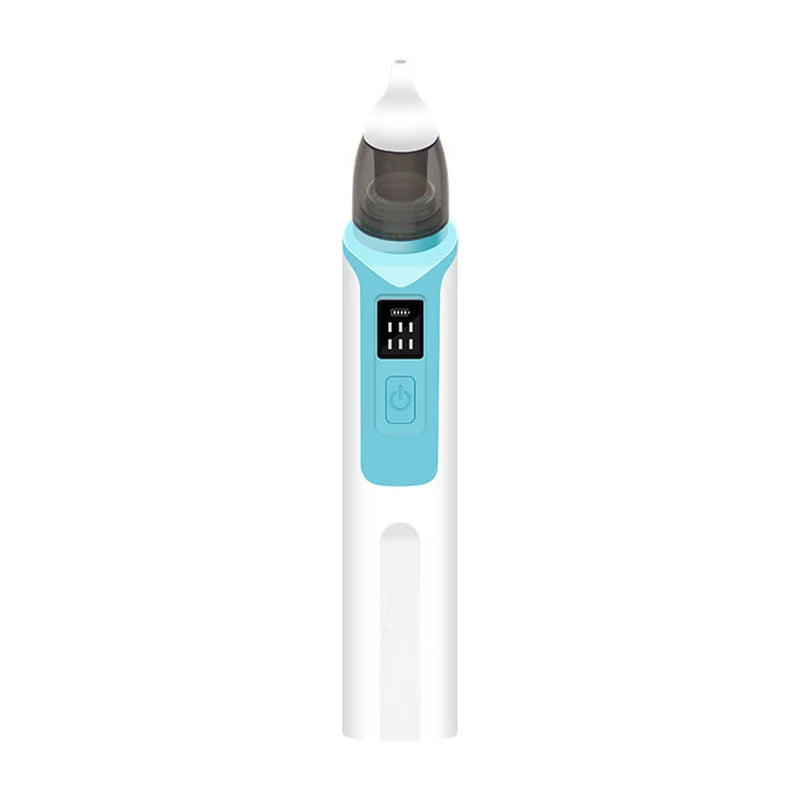
vacuum nasal aspirator • rechargeable nasal aspirator • infant stuffy nose relief • See it in action
Side-by-Side Comparison Table
This baby nasal aspirator comparison highlights the differences in suction strength, maintenance, portability, and value so you can quickly identify the best nasal aspirator for babies based on your family's needs.
| Feature | Electric Vacuum Aspirator | Rechargeable Aspirator | Manual Bulb/Syringe |
|---|---|---|---|
| Suction power | Strong, adjustable multiple levels | Moderate to strong, usually 2–3 settings | User-controlled squeezing pressure |
| Ease of use | Very easy for regular use | Simple one-button operation | Requires more technique |
| Cleaning | Removable collection cup and tips | Few removable washable parts | Internal bulb can be harder to sanitize |
| Noise level | Moderate motor noise | Generally quieter | Silent |
| Portability | Moderate | Excellent — portable nasal aspirator with USB charging | Excellent |
| Maintenance | Occasional filter or part replacement | Battery charging plus routine cleaning | Minimal maintenance |
| Best age | Newborns through toddlers with adjustable suction | Newborns through toddlers | Occasional newborn and infant use |
| Best for | Frequent congestion and daily use | Travel, daycare, and nighttime care | Budget-conscious families and backup use |
| Average price | $$–$$$ | $$ | $ |
Manual vs Electric: Pros and Cons
Manual nasal aspirator advantages
- Lower upfront cost: Manual bulb and syringe aspirators are affordable and widely available.
- No batteries required: They are always ready to use at home or while traveling.
- Completely silent: Ideal for babies who are easily startled by motor noise.
- Compact design: Fits easily into diaper bags or first-aid kits.
Potential drawbacks: Manual models depend on the caregiver's technique, often require more effort to remove thick mucus, and can be more difficult to clean thoroughly, especially traditional bulb aspirators with enclosed interiors.
Electric nasal aspirator advantages
- Consistent suction: Adjustable power provides predictable performance for mild or heavy congestion.
- Easier for frequent use: One-button operation reduces effort during late-night care.
- Improved hygiene: Most electric models include removable collection cups and washable silicone tips.
- Better long-term convenience: Rechargeable versions eliminate disposable batteries while maintaining reliable suction.
Potential drawbacks: Electric aspirators generally cost more initially, require charging or batteries, and include additional components that must be maintained properly.
How to Use a Nasal Aspirator Safely
Whether you choose a manual or electric nasal aspirator, proper technique is more important than suction strength. Gentle use helps clear congestion while protecting your baby's delicate nasal lining.
Common mistakes to avoid
- Do not insert the tip deeply: Position the silicone tip only at the entrance of the nostril. Deep insertion may cause irritation or minor injury.
- Start with saline: Saline drops soften dried mucus, making suction more effective while reducing the need for higher suction settings.
- Avoid excessive suctioning: Limit each suction session to brief 3–5 second attempts and no more than two or three passes per nostril.
- Use the lowest effective setting: For adjustable electric models, always begin with the gentlest suction, especially for newborns.
- Clean after every use: Wash removable parts immediately to help prevent bacterial growth and maintain optimal suction performance.
- Watch your baby's comfort: If your baby becomes unusually distressed, develops nosebleeds, or the nose appears irritated, stop suctioning and allow the nasal tissue to recover before trying again.
Buying Guide: How to Choose the Right Nasal Aspirator
The best nasal aspirator for babies depends on your child's age, how often congestion occurs, and how much convenience you want during daily care. Comparing a few essential features before purchasing helps you choose a model you'll actually use when congestion strikes.
Features that matter
- Adjustable suction levels: Multiple settings allow gentle cleaning for newborns and stronger suction for older infants with thicker mucus.
- Soft silicone tips: Flexible, BPA-free tips improve comfort while reducing the risk of nasal irritation.
- Easy-to-clean design: Choose removable collection cups and washable parts that dry quickly between uses.
- Quiet operation: Low-noise motors make nighttime congestion relief less disruptive for sleeping babies.
- Rechargeable or battery-powered: USB-rechargeable models eliminate disposable batteries and are convenient for everyday use and travel.
- Replacement accessories: Check whether replacement tips and filters are readily available to extend the product's lifespan.
Decision checklist
- Choose an electric model if your baby experiences congestion frequently.
- Select a portable rechargeable unit for travel or daycare.
- Consider a manual aspirator as an inexpensive backup.
- Prioritize models with removable, easy-to-sanitize components.
- Balance initial purchase price with long-term maintenance and replacement costs.
See an example model and product details here: Baby Electric Nasal Aspirator — including specifications, operating instructions, cleaning guidance, and available replacement accessories.
When to Contact a Healthcare Provider
A nasal aspirator is designed to relieve routine congestion, but it is not a substitute for medical evaluation when symptoms become severe. If congestion continues despite proper home care, your child's healthcare provider can determine whether additional newborn congestion treatment is needed.
- Difficulty breathing: Seek immediate medical care if your baby is breathing rapidly, struggling for breath, or showing chest retractions.
- Blue lips or skin: Any sign of poor oxygenation requires urgent medical attention.
- Persistent fever: Contact your healthcare provider if your infant develops a fever, especially during the newborn period, or if fever accompanies worsening congestion.
- Poor feeding or dehydration: Babies who cannot feed normally because of congestion should be evaluated promptly.
- Congestion lasting more than a week: Persistent symptoms may indicate an infection or another condition requiring treatment.
- Unusual sleepiness or worsening symptoms: If your baby's condition declines instead of improving, seek professional medical advice.
When you're unsure whether symptoms are normal, it's always safest to contact your pediatrician for guidance.
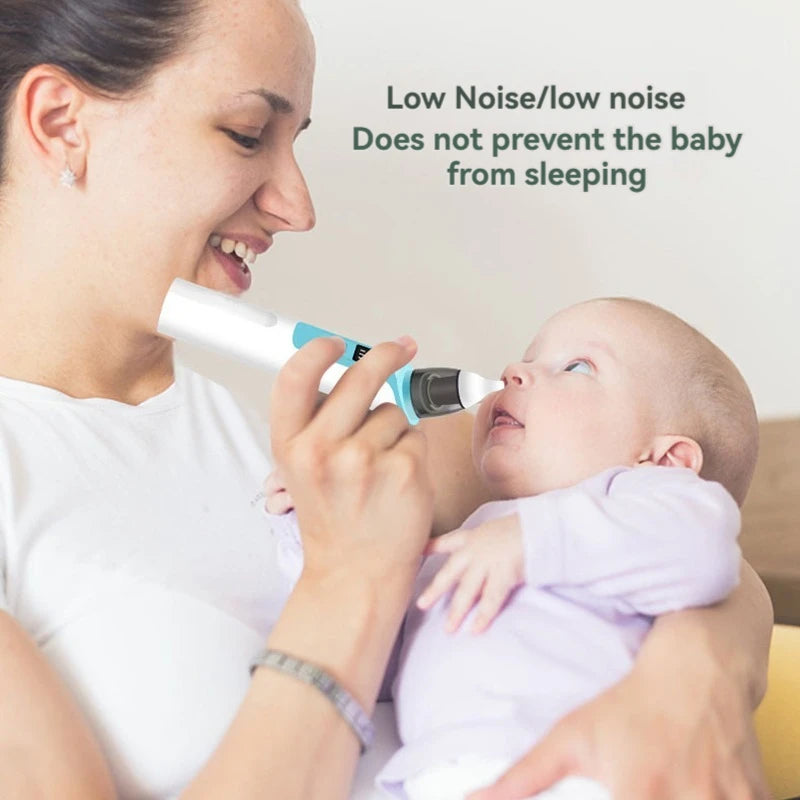
rechargeable nasal aspirator • infant stuffy nose relief • See it in action
Final thoughts — calm, confident care
Learning infant nasal aspirator how to use correctly can make a significant difference during cold and allergy season. Whether you prefer a manual bulb, a rechargeable portable model, or a powerful electric nasal aspirator, the most important factors are gentle technique, proper hygiene, and using saline before suctioning. Choosing the right device for your baby's age and your family's routine helps make congestion relief faster, safer, and less stressful for everyone.
For related care tips and newborn essentials, explore Health & Safety and Sleep & Comfort.
Frequently Asked Questions
Are electric nasal aspirators safe for babies?
Yes. Electric nasal aspirators are safe when used according to the manufacturer's instructions. Begin with the lowest suction setting, use soft silicone tips, and avoid inserting the tip deeply into the nostril.
Do electric nasal aspirators work better than manual ones?
Electric models provide more consistent suction and are generally easier to use for frequent congestion. Manual aspirators remain effective for occasional use and offer a lower-cost alternative.
Can you use a nasal aspirator on a newborn?
Yes. Newborns can safely use a nasal aspirator when gentle suction, saline drops, and proper technique are used. Always choose the lowest effective suction level.
When should I use a nasal aspirator on my newborn?
Use it when nasal congestion interferes with feeding, sleeping, or comfortable breathing. Saline drops before suction usually improve results.
How often can I suction my baby's nose?
Use a nasal aspirator only as needed. Limiting suction to a few brief sessions per day helps reduce unnecessary irritation of the nasal lining.
Is an electric nasal aspirator worth the extra cost?
For families dealing with frequent colds or recurring congestion, many parents find the convenience, consistent suction, and easier cleaning worth the additional investment.
Which nasal aspirator is easiest to clean?
Most rechargeable and electric models with removable collection cups and detachable silicone tips are easier to clean thoroughly than traditional bulb aspirators.
Does suctioning hurt a baby?
When performed gently with saline, shallow tip placement, and short suction cycles, nasal suction should not be painful. Babies may dislike the sensation, but proper technique minimizes discomfort.
Related Articles:
- Infant Nasal Aspirator How to Use: Best Models Reviewed for Beginners
- How to Help Newborn Congestion: Best Reviewed Aspirators for Faster Relief
- Newborn Blocked Nose Remedy Tools: Top Picks for Calm, Clear Breathing
- Newborn Cleaning Nose Tools Ranked: What Works Safest for Daily Use
- Infant Stuffy Nose How to Help: Top Gentle Tools Reviewed for Fast Relief
Pillar Articles:
- Newborn Congestion Relief Review: Real Parent Results and Brand Comparisons
- Newborn Congestion Relief Tips for Different Ages and Sensitivities
- Infant Electric Nasal Aspirator Benefits Explained: Why Modern Suction Works Better
- How to Relieve Newborn Congestion Step-by-Step for Calm, Easier Breathing





