

Counting Games for Preschoolers That Make Math Fun
What are the best counting games for preschoolers?
Counting games for preschoolers help children build early math confidence by practicing number order, quantity recognition, and basic problem-solving through play. The best preschool counting games combine movement, hands-on activities, and visual learning to make numbers easier to understand. For children ages 3 to 5, fun number games for preschoolers can support important skills like counting objects, recognizing numerals, and preparing for kindergarten math.
Number recognition games for preschoolers: Top games compared
⏱ 8 min read — Learning numbers becomes easier when children can touch, move, and play while practicing. The right counting games for preschoolers turn everyday moments into opportunities to build early math skills. From simple matching activities to movement-based challenges, preschool counting games help children develop number confidence at their own pace.
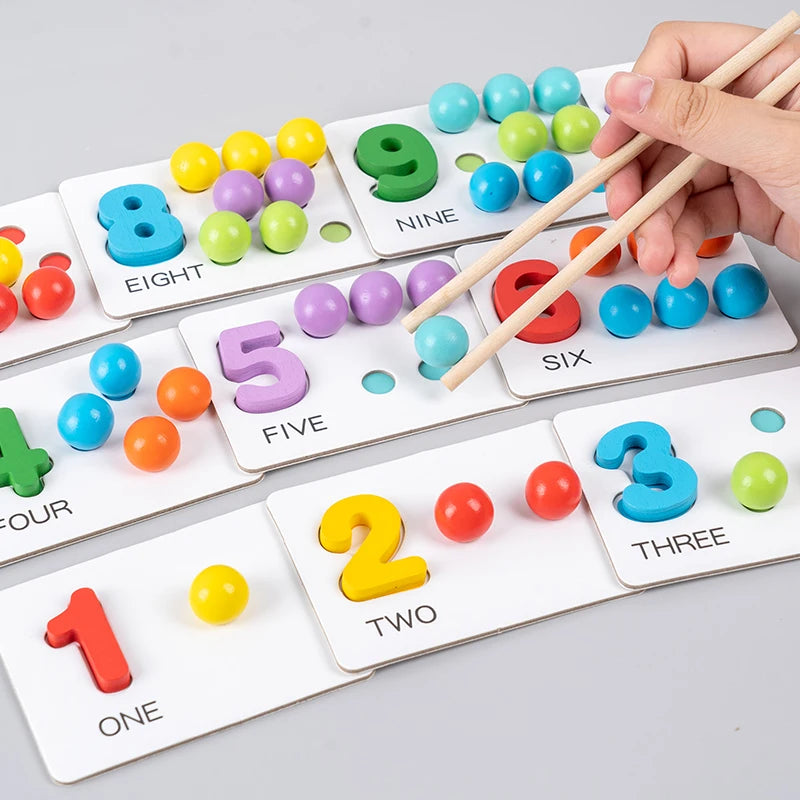
See it in action - number recognition games for preschoolers / counting games for preschoolers, fun number games for preschoolers, preschool counting games, learning through play
What are the best counting games for preschoolers?
The best counting games for preschoolers combine number practice with hands-on play. Children learn faster when they can connect numerals with real objects, movement, and everyday experiences.
Games by age (3, 4, and 5 years)
- Age 3: Focus on simple counting games using objects, songs, and matching activities. Children begin learning number order and counting small groups of items.
- Age 4: Introduce preschool counting games that combine numeral recognition, sorting, and matching quantities to numbers.
- Age 5: Add games that involve comparing numbers, simple addition, and preparing for kindergarten readiness.
Games by skill level
- Beginner: Counting toys, number puzzles, and matching games for learning numbers 1–10.
- Intermediate: Memory games, sorting activities, and number identification games.
- Advanced: Pattern games, skip-counting preparation, and simple math challenges.
Parents looking for more hands-on learning ideas can also explore Baby Growth & Learning for additional play-based activities.
Why counting games build early math skills
Play-based math activities help preschoolers understand numbers naturally. Instead of memorizing symbols, children learn how numbers work through repetition, movement, and real-world examples.
One-to-one correspondence
Counting games teach children that each object represents one number. Moving blocks, toys, or counters while counting helps develop accuracy and prevents skipping numbers.
Number recognition
Number recognition games for preschoolers help children connect written numerals with their spoken names. Matching numbers with objects makes abstract symbols easier to understand.
Cardinality
Children learn that the final number counted represents the total amount in a group. This important preschool math milestone supports future addition and subtraction skills.
Subitizing readiness
Simple visual games help children recognize small quantities quickly without counting every object individually. This builds number sense and confidence.
- Builds early problem-solving skills
- Improves memory through repetition
- Encourages confidence with numbers
- Supports learning through movement and play
What makes a counting game effective?
A good number recognition game should feel like play while quietly building important math skills. The most effective games have simple rules, active participation, and opportunities for children to practice repeatedly.
Age appropriateness
Choose games that match your child’s current ability. Preschoolers need activities that feel achievable while still offering small challenges.
Hands-on learning
Touching, moving, sorting, and building help children remember concepts better than passive learning. Hands-on games for number recognition create stronger connections between numbers and real objects.
Progressive difficulty
The best number games for preschool grow with your child. Start with counting small groups, then gradually introduce numeral matching, comparisons, and simple calculations.
Explore tools like children math teaching aids montessori wooden set for structured hands-on number practice.
Indoor counting games for preschoolers
Indoor counting games for preschoolers are ideal for rainy days, classroom activities, or short learning sessions at home. These activities require minimal preparation while helping children practice numbers naturally.
Low-prep games
- Count and sort: Ask children to group toys by color, size, or quantity.
- Number hunt: Hide number cards around a room and let children find them.
- Roll and count: Roll dice and count objects based on the number shown.
DIY games
- Create homemade number cards using paper and markers.
- Make counting paths with sticky notes on the floor.
- Use household items like buttons, blocks, or snacks for counting practice.
Printable games
Printable preschool worksheets can support number recognition when combined with hands-on activities. They work best as a supplement rather than the only learning method.
Outdoor and movement-based counting games
Movement-based number games for preschoolers allow children to learn while staying active. These activities work well for classrooms, playgroups, and outdoor family time.
Gross motor games
- Count jumps, steps, or claps together.
- Create obstacle courses with numbered stations.
- Ask children to collect a specific number of objects.
Scavenger hunts
A counting scavenger hunt encourages observation and problem-solving. Children can search for groups of objects while practicing quantity recognition.
Hop-and-count activities
Draw numbers on the ground and let children jump from one number to another while counting aloud.
Number recognition games for preschoolers
Number recognition games for preschoolers focus on identifying numerals, matching quantities, and building visual confidence with numbers.
Matching games
Match number cards with groups of objects. This helps children understand that the symbol “5” represents five items.
Memory games
Number memory games encourage children to remember numeral locations while practicing recognition and concentration.
Number identification games
Simple identifying numbers games can include finding a specific number, arranging numbers in order, or choosing the correct numeral from a group.
- Recognizing numerals faster
- Improving visual discrimination
- Connecting numbers with quantities
- Increasing difficulty gradually
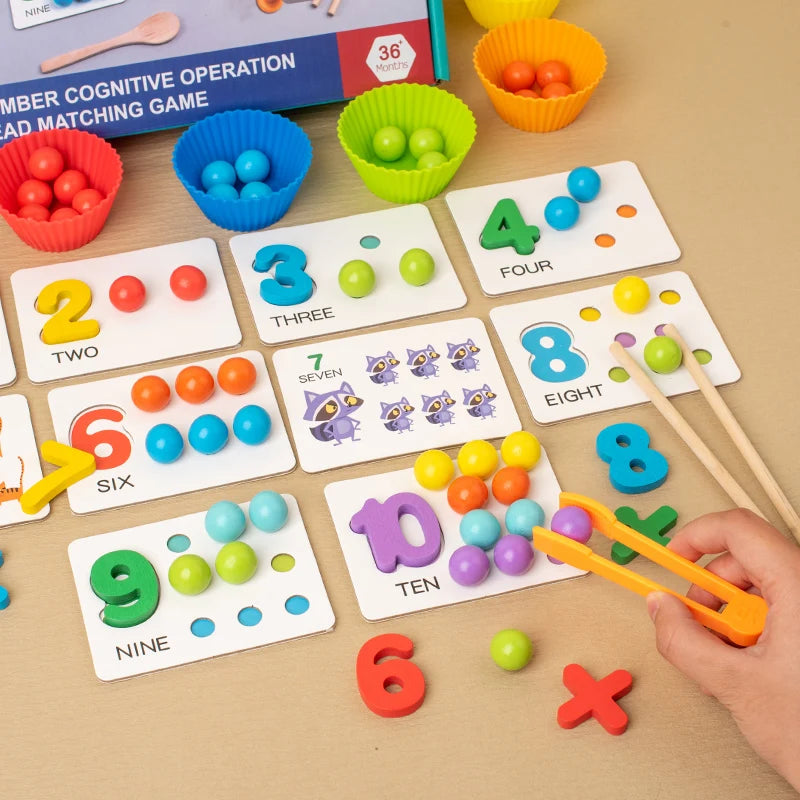
See it in action - number recognition games for preschoolers / preschool number games, number identification games for preschoolers, games for number recognition
Sensory counting activities
Sensory counting activities combine math practice with touch and exploration. They are especially useful for children who learn best through hands-on experiences.
Sensory bins
Hide numbers, counters, or small objects in a sensory bin and ask children to count what they discover.
Playdough counting
Children can create objects from playdough and count each piece while strengthening fine motor skills.
Water and sand play
Measuring cups, scoops, and containers turn water or sand play into simple preschool counting games.
These activities support fine motor activities for preschoolers while making math practice enjoyable.
How to choose the right counting game
The best preschool number games match your child’s age, learning goals, and available space.
Choose by age
Younger preschoolers benefit from simple counting and matching. Older children can practice number order, comparisons, and early addition.
Choose by math skill
- Need number recognition? Choose matching and memory games.
- Need counting practice? Choose object-based activities.
- Need kindergarten readiness? Choose progressive math challenges.
Choose by setting
Consider whether the activity is for home, classroom, travel, or group play. Low-prep games work well for busy parents, while structured sets can support classroom activities.
Parents often combine learning tools with items from Sensory Toys to encourage engagement.
Teaching counting step by step
Count objects
Begin with real items like toys, blocks, or snacks. Ask children to touch each object while counting.
Recognize numerals
Introduce number cards and encourage children to identify familiar numbers during play.
Match numbers to quantities
Help children connect numerals with matching groups of objects.
Prepare for skip counting
Once basic counting is comfortable, introduce patterns and counting by twos or fives through songs and games.
- Practice short daily sessions
- Observe which skills need more support
- Adjust difficulty based on progress
- Celebrate effort instead of perfection
Common mistakes include moving too quickly, focusing only on worksheets, or turning play into pressure. Preschool math works best when children stay curious.
FAQs
What are the best counting games for preschoolers?
The best counting games for preschoolers include matching games, counting objects, number hunts, memory games, and movement activities. The ideal choice depends on your child’s age and current math skills.
How do number recognition games help preschoolers?
Number recognition games help children connect written numerals with quantities, improving early math confidence and preparing them for future arithmetic.
What is the difference between counting and number recognition?
Counting focuses on understanding quantities and number order, while number recognition focuses on identifying written numerals.
What age should children start counting games?
Many children begin enjoying simple counting games around age 2 or 3, with more structured preschool counting games becoming useful between ages 3 and 5.
How can I teach number identification through play?
Use number cards, matching activities, puzzles, and everyday routines like counting toys or steps to make number identification natural.
What are easy counting games for home?
Easy home activities include counting snacks, sorting toys, number scavenger hunts, and DIY number matching games.
How long should preschool math games last?
Short sessions of around 10 to 15 minutes are often enough to keep preschoolers engaged and focused.
How do I adapt counting games for different skill levels?
Increase or decrease the number range, simplify instructions, or add new challenges depending on your child’s confidence and progress.
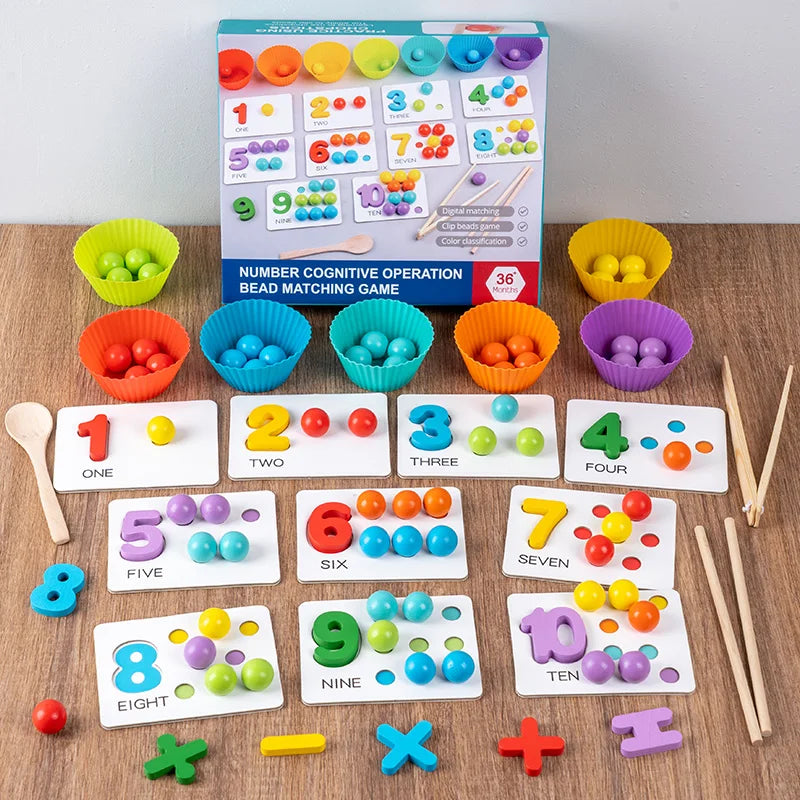
See it in action - number recognition games for preschoolers / counting games for preschoolers, number games for preschoolers, learning through play
Pillar Article: Best preschool educational toys: Top picks & comparisons 2026
Other Related Articles:
- Preschool math manipulatives: Best sets compared for learning
- Benefits of hands on learning: What works better for kids?
- Advantages of Montessori education vs traditional preschool methods
- Educational toys for 4 year olds: Which works best?
Explore More:





