

Benefits of Hands-On Learning: Why Kids Learn Better by Doing
What are the advantages of Montessori education?
The advantages of montessori education include stronger problem-solving skills, early independence, and deeper math understanding through hands-on learning. Children often grasp number concepts faster using tactile tools, making it especially helpful for those with kindergarten readiness math skill delays concern.
Advantages of Montessori Education vs Traditional Preschool Methods
⏱ 7 min read — Curious why so many parents are rethinking preschool choices? If your child struggles with numbers, focus, or confidence, you’re not alone. Many families are discovering that hands-on, child-led learning can unlock faster progress and less frustration. Let’s explore how Montessori compares to traditional preschool—and what it means for your child’s future.
Which approach truly helps your child feel confident with math? Read on to discover what makes the biggest difference.
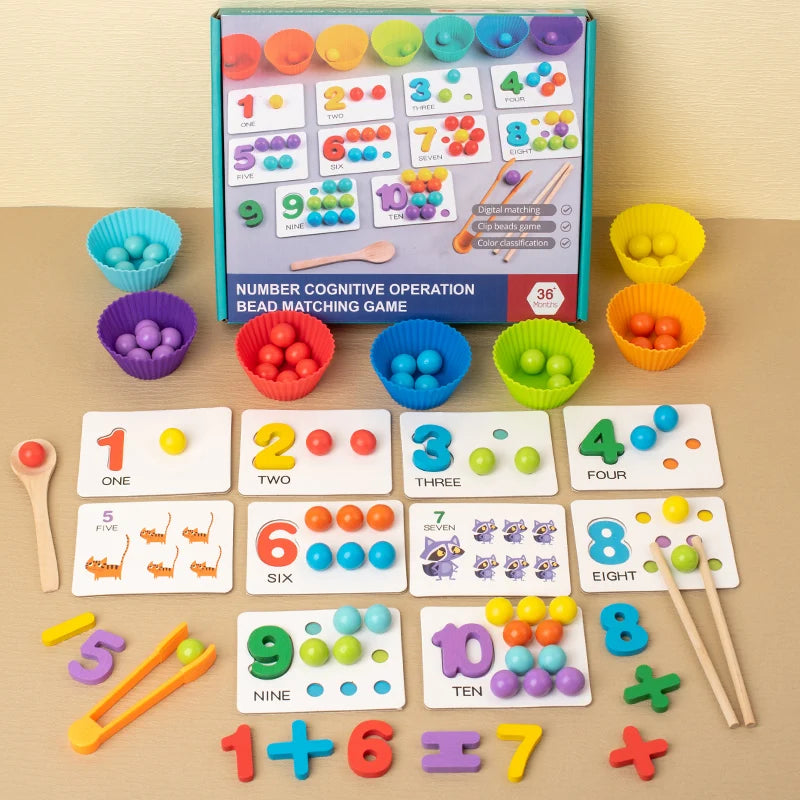
See it in action - advantages of montessori education / detailed guide Montessori math learning benefits, how to teach numbers Montessori method, Montessori counting boards for kids learning, kindergarten readiness math skill delays concern
Discover hands-on learning tools that make math fun: Explore Montessori wooden math set
Montessori vs Traditional Preschool: Quick Comparison
| Feature | Montessori Method | Traditional Preschool |
|---|---|---|
| Learning Style | Hands-on, self-directed | Teacher-led, structured |
| Math Approach | Concrete materials (touch & feel) | Worksheets & repetition |
| Pacing | Child-led progression | Fixed curriculum pace |
| Independence | Encouraged early | Less emphasis |
| Engagement | Interactive and sensory | Passive learning |
Parents often notice that children in Montessori environments show more curiosity and confidence, especially when learning numbers.
UPGRADE PLAN {'outline': [{'action': 'MODIFY', 'h2': 'What Are the Advantages of Montessori Education?', 'h3': ['Core Montessori principles', 'How self-directed learning works', 'Why hands-on learning improves outcomes'], 'focus': ['Define Montessori education', 'Explain learning philosophy', 'Connect principles to benefits', 'Set expectations for parents'], 'keywords': ['advantages of montessori education', 'montessori education benefits', 'benefits of montessori education', 'montessori method benefits']}], 'trim': ['Why Montessori Builds Stronger Math Foundations', 'How to Teach Numbers Using Montessori Method', 'Best Tools: Montessori Counting Boards for Kids Learning', 'Addressing Kindergarten Readiness Math Skill Delays']} Approved linked products: - Explore Montessori wooden math set (/products/children-math-teaching-aids-montessori-wooden-set) Product Rules - Keep all approved products. - Only approved products may contain affiliate links. - You may add real competitor products when useful. - Competitor products must not contain links unless already present. - Only create comparison tables when they genuinely improve the article. RULES - Apply every instruction in the Upgrade Plan. - Keep all existing affiliate links unchanged. - Keep all existing internal links unchanged. - Keep all existing image URLs unchanged. - Preserve sections such as Related Articles, Related Posts and Recommended Reading. - Avoid duplicate headings. - Insert new sections only where specified. - Improve clarity, topical coverage, EEAT and readability. - Expand weak sections only when required. - Use natural keyword placement. - Keep semantic HTML clean. YEAR UPDATE If visible article text contains "2005", replace it with "2026". Do not modify years inside: - URLs - href attributes - image filenames PART OUTPUT Return ONLY the rewritten HTML for PART 1. Do NOT output any HTML belonging to previous parts. Do NOT output any HTML belonging to later parts. Do NOT add explanations. Do NOT add markdown. The returned HTML must concatenate directly with the remaining article without any edits. OUTPUT REQUIREMENTS Return ONLY the rewritten HTML for PART 1. The output must be valid HTML and ready to publish. Do NOT return: - Markdown - Explanations - Notes - Code fences - JSON - XML Return ONLY the rewritten HTML fragment. Do NOT add , or . Do NOT add code fences. Do NOT add explanations.





