

Board Books vs Picture Books: Which Should Your Child Read?
Are board books for 2 year olds better than picture books?
Board books for 2 year olds are usually the best starting point because they're durable, easy for little hands to hold, and designed for short attention spans. Picture books, however, offer richer stories and more detailed illustrations that become increasingly valuable as children mature. Rather than choosing one over the other, most families benefit from using both formats at different stages of development.
Board Books for 2 Year Olds vs Picture Books Guide
Choosing between board books for 2 year olds and traditional picture books isn't simply about preventing torn pages. The right format can encourage independent exploration, support language development, match your child's attention span, and make reading a daily habit your toddler genuinely enjoys. Understanding the difference between board books and picture books helps parents build a library that grows alongside their child.
⏱ 7 min read
If your toddler races through pages, chews on books, or loses interest before the story ends, the format may be just as important as the story itself.
Explore tools that support early learning in Baby Growth & Learning
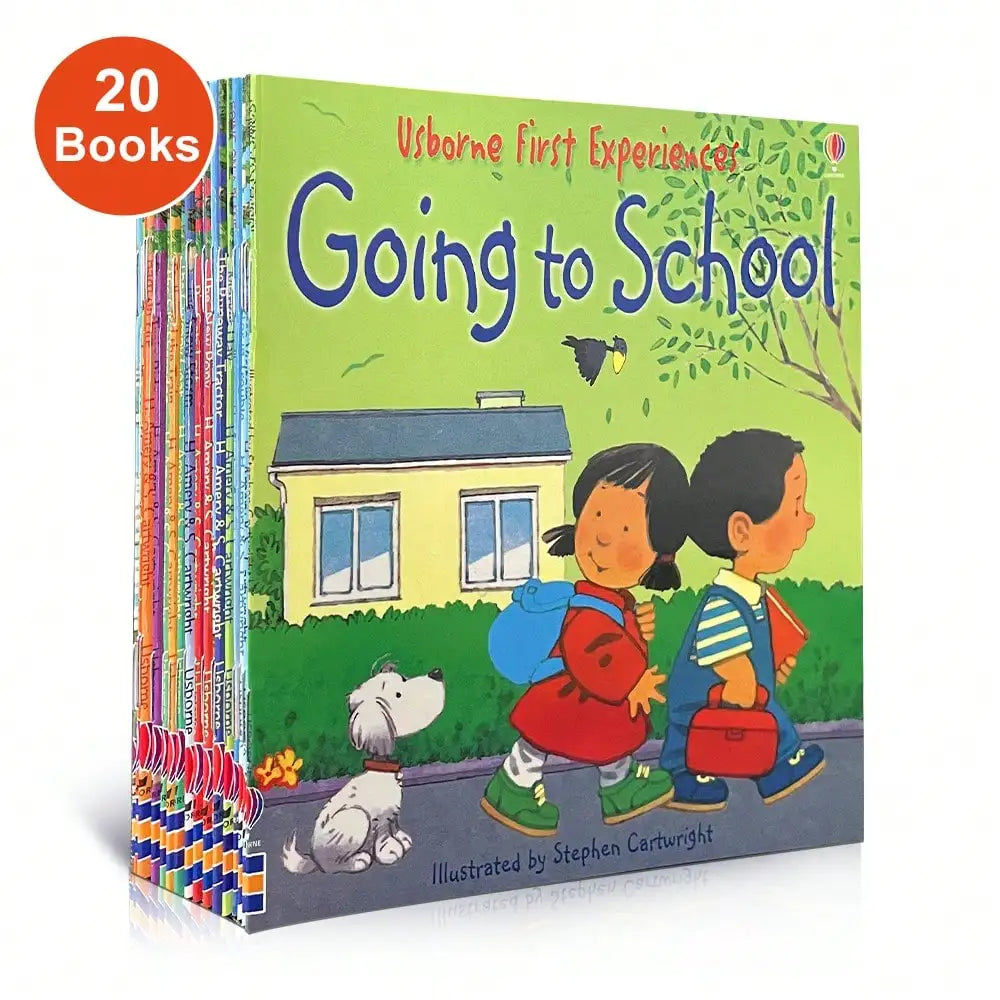
Board books for 2 year olds vs picture books for preschoolers — See the differences in action.
Board Books vs Picture Books: What's the Difference?
What is a board book?
A board book is printed on thick cardboard pages instead of regular paper. These sturdy pages are difficult to tear, making them ideal for babies and toddlers who are still developing fine motor control.
Most board books for 2 year olds feature:
- Heavy-duty cardboard pages
- Rounded corners for safety
- Short, repetitive text
- Bright illustrations with simple layouts
- Compact sizes that encourage independent reading
What is a picture book?
A picture book uses standard paper pages and typically combines detailed illustrations with longer, more developed stories. While adults often read them aloud, older preschoolers gradually begin following the story independently.
Compared with a board book, a picture book usually includes:
- More pages and richer storytelling
- Larger illustrations with greater detail
- Expanded vocabulary
- Characters and plots that support imagination and emotional learning
Understanding the board books vs picture books comparison helps parents choose the right format for each stage instead of assuming one format is universally better.
Board Books vs Picture Books: Side-by-Side Comparison
| Feature | Board Books | Picture Books |
|---|---|---|
| Recommended age | Birth to about 3 years | Typically 3+ years, with adult support for younger children |
| Materials | Thick cardboard pages | Paper pages |
| Durability | Excellent | Moderate |
| Story length | Short and repetitive | Longer narratives |
| Reading style | Independent exploration | Shared parent-child reading |
| Page count | Usually 10–30 pages | Typically 24–40 pages |
| Portability | Easy for toddlers to carry | Often larger and heavier |
| Cost | Sometimes higher due to thicker materials | Often lower for similar page counts |
Browse beginner-friendly titles: Farmyard Tales Preschool Books
Are Board Books Better Than Picture Books?
Neither format is objectively better. The best choice depends on your child's age, reading habits, and developmental stage.
When board books are the better choice
- Your child is under 3 years old.
- Books are frequently dropped, bent, or chewed.
- You want your toddler to explore books independently.
- Reading sessions are usually under 10 minutes.
- You are building an everyday reading routine.
Parents also commonly ask whether board books are safe for toddlers . Yes—their rounded edges, sturdy construction, and durable pages make them one of the safest book formats for young children, although adult supervision is still recommended.
When picture books are the better choice
- Your child enjoys listening to longer stories.
- They ask questions about illustrations.
- They're learning new vocabulary.
- They can carefully turn paper pages.
- You enjoy interactive read-aloud sessions together.
Many families find that using board books during independent play and picture books during bedtime creates the best balance.
Developmental Benefits of Board Books and Picture Books
Language development
Both formats help children develop vocabulary through repeated exposure to words and conversations. Board books encourage repetition, while picture books introduce more varied language and storytelling.
Fine motor skills and independent exploration
Turning thick pages strengthens hand coordination and builds confidence. Toddlers can practice page-turning without becoming frustrated by delicate paper pages.
As children grow, picture books become valuable for imaginative thinking, predicting story outcomes, recognizing emotions, and discussing characters. Reading both formats provides a gradual progression from simple labeling to complex storytelling.
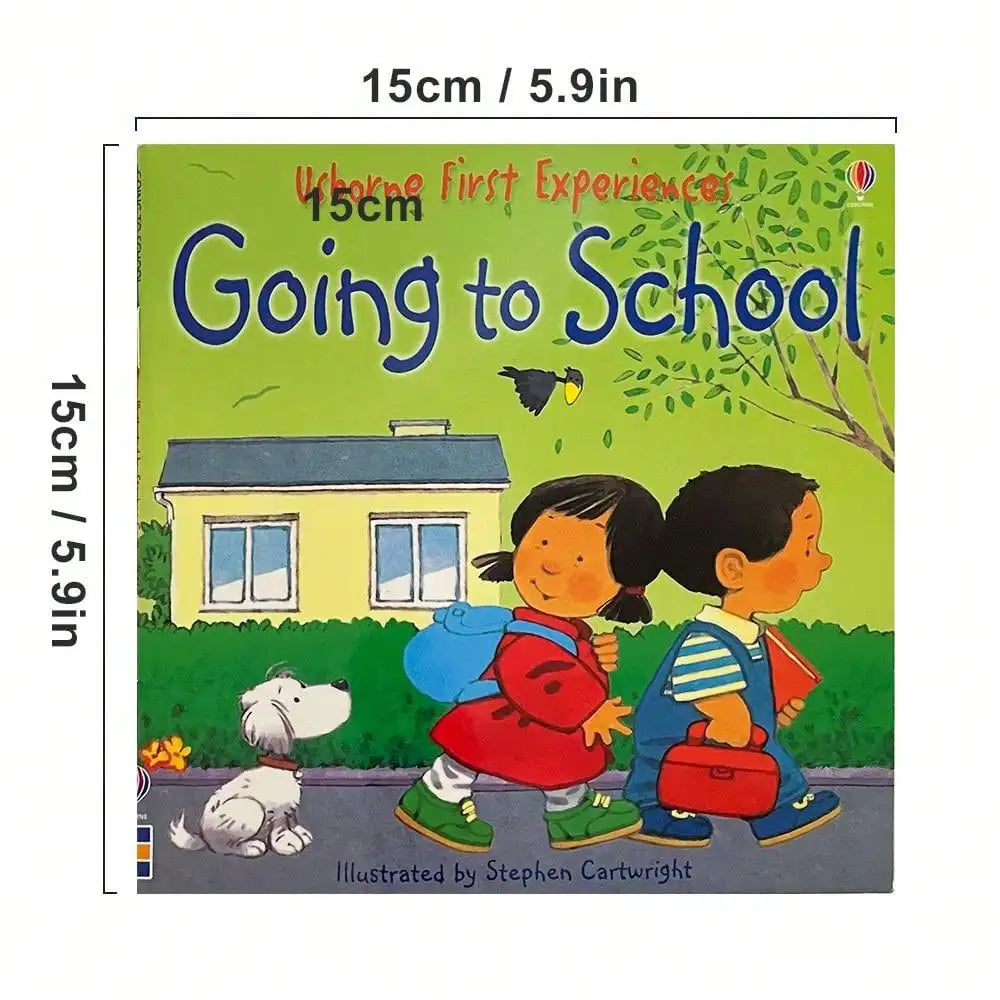
The right book format can help toddlers stay engaged during reading time.
Which Book Type Is Best by Age?
0–12 months
Board books with bold pictures, simple words, and interactive elements are ideal because babies primarily explore books through touch and movement.
1–2 years
Board books remain the top choice. Look for repetitive phrases, familiar objects, animals, and books with flaps or textures.
2–4 years
Continue reading board books while gradually introducing simple picture books. Many children at this age enjoy both formats depending on the situation.
4+ years
Picture books generally become the primary format as children develop longer attention spans and stronger language skills, although many still enjoy favorite board books.
When Should You Transition from Board Books to Picture Books?
There isn't a specific birthday when every child should switch. Instead, watch for signs that your child is ready.
Common readiness signs include:
- Turning paper pages carefully
- Listening through longer stories
- Showing curiosity about detailed illustrations
- Asking questions about characters and events
- Wanting books with more complex stories
Even after introducing picture books, continue keeping board books available for independent reading. Many 2-year-olds happily use both formats throughout the day.
Examples of Great Board Books and Picture Books for 2-Year-Olds
Popular board books
- Brown Bear, Brown Bear, What Do You See?
- Dear Zoo
- Goodnight Moon
- Farmyard Tales Preschool Books
Popular picture books
- The Very Hungry Caterpillar
- We're Going on a Bear Hunt
- The Gruffalo
- Where's Spot?
A balanced home library containing both formats gives children opportunities for independent exploration as well as shared family reading.
How to Choose the Right Book Format for Your Child
When deciding between a board book vs picture book , consider these factors:
- Age: Younger toddlers usually benefit most from board books.
- Reading habits: Active children often enjoy sturdy books they can handle themselves.
- Durability: Families reading multiple times daily may appreciate books that withstand heavy use.
- Budget: Although board books sometimes cost more, they often last significantly longer.
- Long-term value: Building a collection with both formats supports reading development over several years.
The goal isn't choosing one format forever—it's matching the book to your child's current stage while gradually expanding their reading experiences.
Start with this trusted option: Farmyard Tales Preschool Books
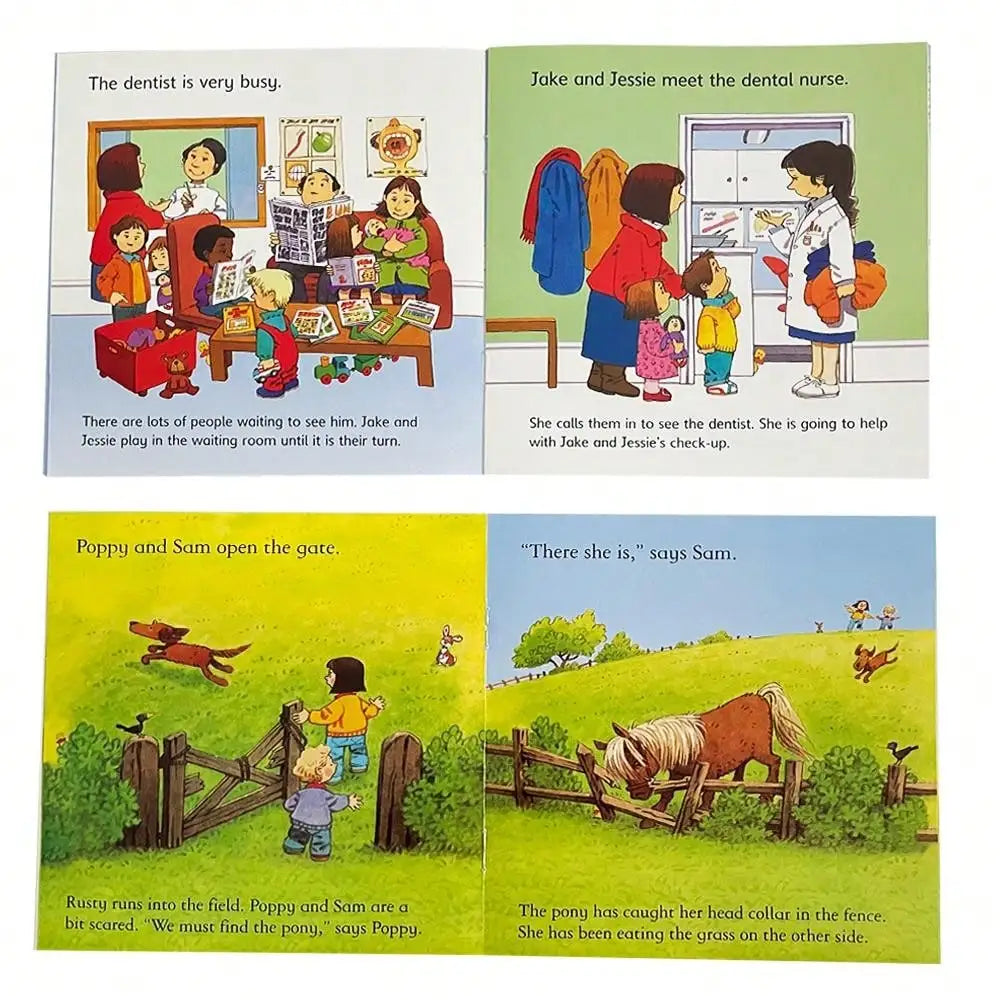
Combining board books and picture books creates a balanced reading library.
Frequently Asked Questions
Are board books better for toddlers than picture books?
For most children under age 3, yes. Board books are easier to handle, more durable, and better suited to short attention spans, while picture books become increasingly valuable as children mature.
When should I switch from board books to picture books?
Many children begin transitioning around age 3, but readiness matters more than age. Introduce picture books once your child can sit through longer stories and handle paper pages carefully.
Can a 2-year-old enjoy both board books and picture books?
Absolutely. Many toddlers enjoy board books independently during play and picture books during parent-led story time.
Why are board books more durable?
Board books use thick cardboard pages instead of paper, making them much more resistant to tearing, bending, and everyday toddler handling.
Do picture books help language development more than board books?
Both formats support language development in different ways. Board books encourage repetition and early vocabulary, while picture books introduce richer storytelling and more complex language.
How many books should a 2-year-old have?
Quality matters more than quantity. A collection of 15–30 well-loved books, including both board books and picture books, provides plenty of variety while encouraging repeated reading.
Pillar Article: Best Preschool Books Compared: Which Ones Kids Love Most
Other Related Articles:
- Top 10 Preschool Books vs Classics: What’s Worth It
- Farm Books Preschool vs General Stories: What’s Better
- Interactive Books for 4 Year Olds vs Traditional Reads
- Montessori Reading Materials vs Storybooks: Which Wins
Explore More:





