

Farm Books Preschool vs General Stories: What’s Better
Are farm books preschool better than general stories?
Farm books preschool often outperform general stories for toddlers because they combine familiar animals, repetitive sounds, and hands-on interaction. This boosts attention span, early vocabulary, and memory retention. While general stories build imagination, farm-themed books engage multiple senses, making them more effective for early learning and active participation.
Farm Books Preschool vs General Stories: What’s Better
Interactive books for 4 year olds are transforming how kids learn and stay engaged, blending play with skill-building in ways traditional reads can’t match. From the best interactive books for toddlers learning to creative approaches for keeping 3 year old engaged learning, these tools unlock curiosity fast. Add in interactive storytelling ideas for preschoolers, and reading becomes an active adventure instead of a passive task—but which approach truly delivers better results?
⏱ 6 min read
Ever notice how your child loses interest halfway through storytime? You’re not alone. Many parents struggle to keep toddlers focused, especially with traditional storybooks that rely heavily on passive listening.
Which type of book actually keeps your child engaged longer while helping them learn? Let’s break it down.
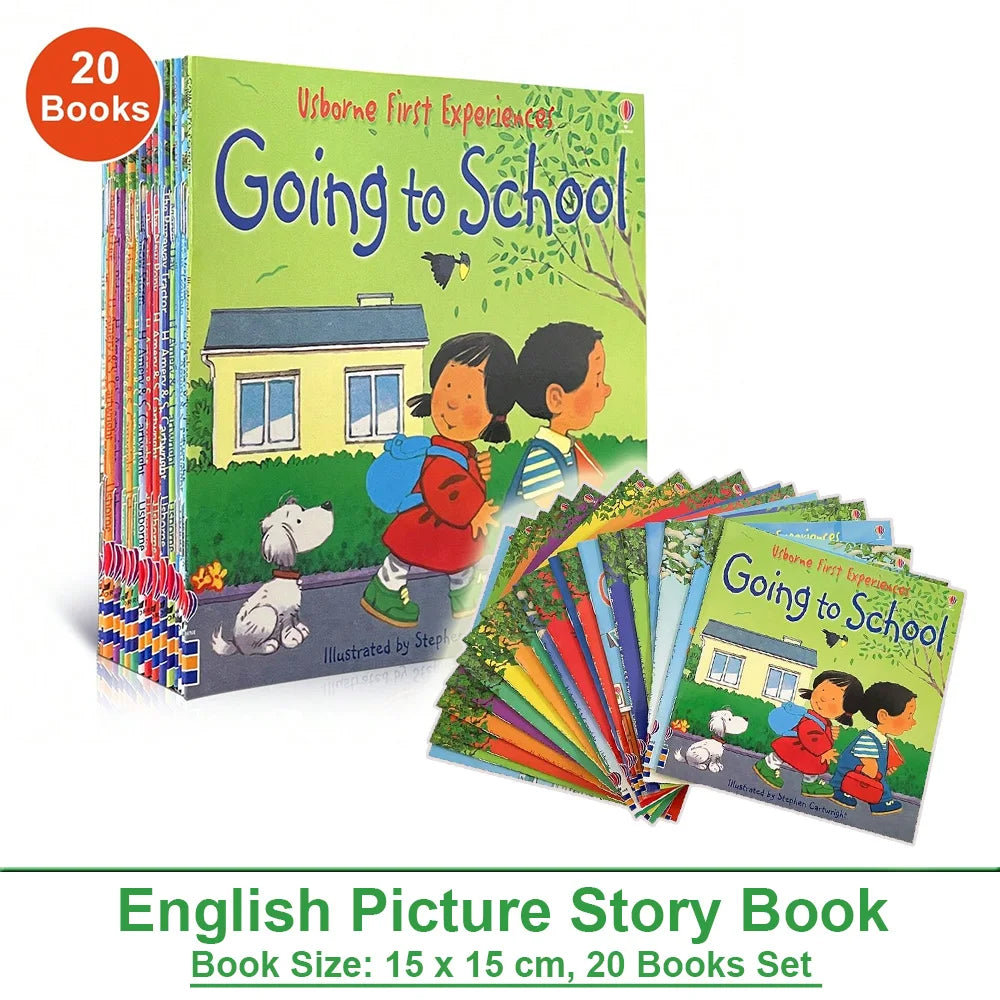
farm books preschool for toddlers learning — 💡 See it in action
👉 Discover interactive learning tools that spark curiosity early
Sensory Toys can complement reading time and make stories come alive through touch and play.
Quick Comparison: Farm Books Preschool vs General Stories
| Feature | Farm Books Preschool | General Stories |
|---|---|---|
| Engagement Level | High (interactive, sound-based) | Moderate |
| Learning Style | Hands-on, sensory | Listening and imagination |
| Vocabulary Building | Strong (animal names, sounds) | Broad but less repetitive |
| Attention Span | Longer | Shorter for toddlers |
| Best For | Ages 2–5 | Ages 4+ |
Why Farm Books Preschool Keep Kids Engaged Longer
Farm-themed books tap into something toddlers naturally love: animals, sounds, and repetition.
Think about it—“moo,” “baa,” and “oink” aren’t just fun, they’re memorable. That repetition strengthens language development without feeling like learning.
How This Approach Builds Early Skills Faster
- Repetition helps memory retention
- Animal sounds encourage participation
- Bright visuals improve recognition skills
- Interactive elements keep hands busy and minds focused
Books like the farmyard tales preschool books set combine storytelling with tactile learning, making them ideal for kids who struggle to sit still.
Pairing reading time with tools from Baby Growth & Learning can further reinforce these skills through play-based development.
👉 Learn step-by-step how to choose the right learning tools for your child
Explore options in Baby Growth & Learning to support reading and development together.
Where General Stories Still Shine
General storybooks aren’t useless—they just serve a different purpose.
They’re great for:
- Building imagination and creativity
- Introducing complex narratives
- Developing emotional understanding
- Encouraging longer attention spans over time
However, for younger toddlers, these benefits often come later. Without interaction, many children simply lose interest quickly.
This is why many parents start with interactive formats before transitioning to traditional storytelling.
Side-by-Side Pros and Cons
Farm Books Preschool
- ✅ Highly engaging for young children
- ✅ Encourages participation and movement
- ✅ Reinforces early vocabulary quickly
- ❌ Limited story depth
- ❌ Can feel repetitive for older kids
General Stories
- ✅ Rich storytelling and imagination
- ✅ Builds listening skills
- ✅ Better for bedtime routines
- ❌ Less engaging for active toddlers
- ❌ Requires longer attention span
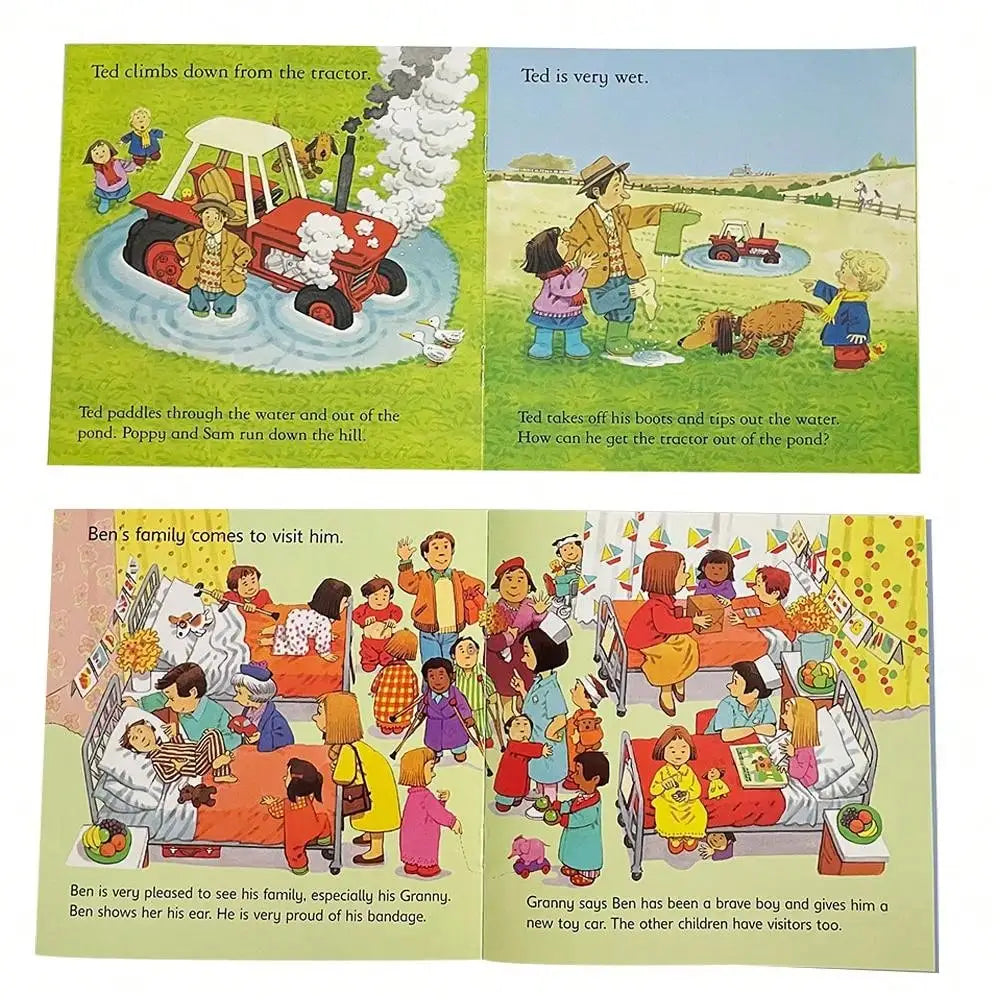
farm themed storybooks for toddlers — 💡 See it in action
What Parents Are Saying
Many parents report noticeable differences when switching to interactive farm-themed books.
“My 3-year-old used to walk away during storytime. Now she stays, laughs, and even asks to read again.”
“We tried general books first, but the farm set actually got him talking and repeating words.”
This aligns with early childhood research showing that interactive reading improves language acquisition by up to 2x compared to passive listening.
If your child struggles with focus, combining reading with calming tools from Sleep & Comfort can create a more relaxed, distraction-free environment.
How to Choose the Right Book for Your Child
Start with Your Child’s Behavior
- If they’re active → choose interactive farm books
- If they enjoy listening → introduce general stories
- If attention span is short → prioritize engagement first
Look for These Features
- Touch-and-feel elements
- Sound-based repetition
- Bright, simple illustrations
- Short, easy-to-follow sentences
Balance Both Types Over Time
You don’t have to choose just one. Many parents rotate between both styles:
- Daytime: interactive farm books
- Bedtime: calming general stories
This creates a well-rounded reading experience while keeping your child engaged.
Final Verdict: Which One Wins?
For toddlers and preschoolers, farm-themed interactive books clearly win in terms of engagement, participation, and early learning impact.
General stories still matter—but they’re often more effective once a child has developed stronger focus and listening skills.
If your goal is to keep your child engaged while building foundational skills, starting with interactive options like the farmyard tales preschool books set is a practical choice.
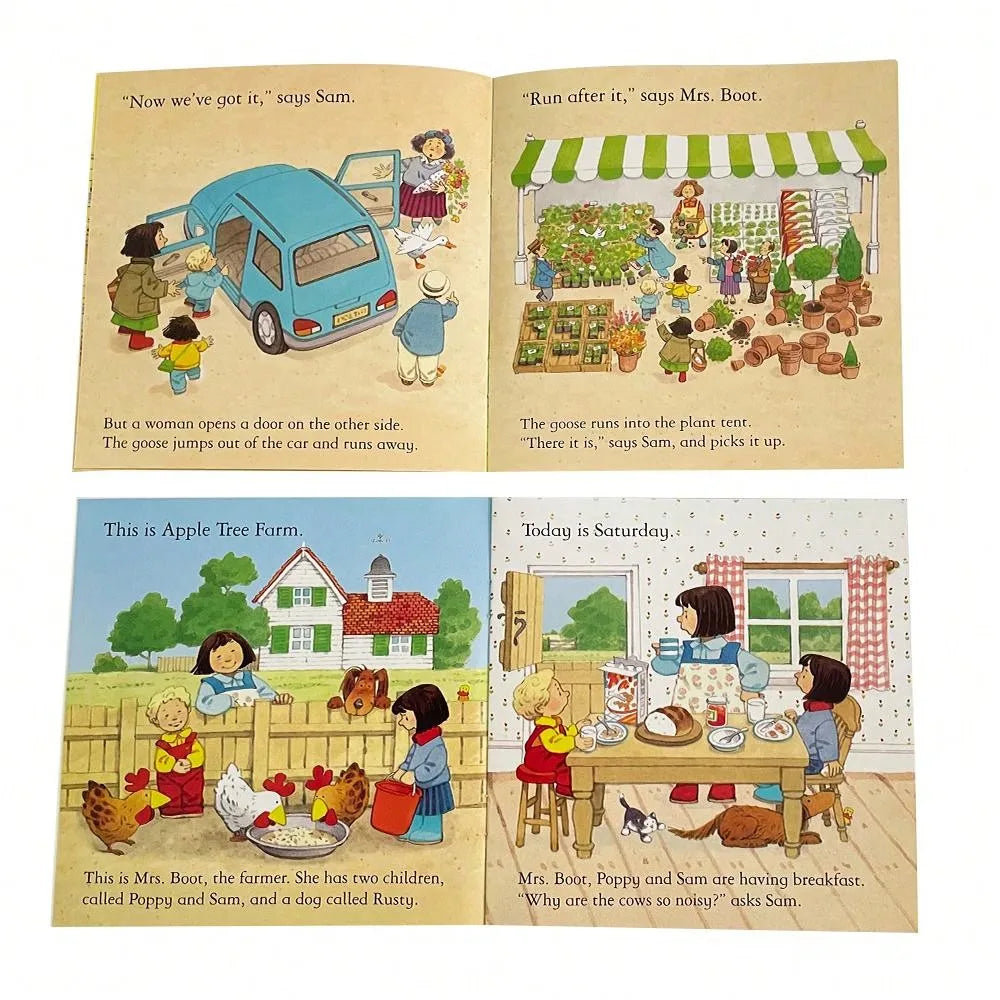
review farmyard tales preschool books set — 💡 See it in action
👉 Get yours now — limited stock!
Explore the farmyard tales preschool books set and make storytime more engaging today.
FAQs
Are farm books preschool good for language development?
Yes, they use repetition and sound-based learning, which helps toddlers quickly build vocabulary and improve pronunciation through active participation.
At what age should kids transition to general storybooks?
Most children start enjoying general stories more around age 4–5, when their attention span and comprehension skills improve.
Can I use both types of books together?
Absolutely. Combining interactive farm books with traditional stories creates a balanced learning experience that supports both engagement and imagination.
Pillar Article: Best Preschool Books Compared: Which Ones Kids Love Most
Other Related Articles:
- Board Books for 2 Year Olds vs Picture Books Guide
- Top 10 Preschool Books vs Classics: What’s Worth It
- Interactive Books for 4 Year Olds vs Traditional Reads
- Montessori Reading Materials vs Storybooks: Which Wins
Explore More:





