

Montessori Reading Materials vs Storybooks: Which Wins
Do montessori reading materials really work better than storybooks?
Montessori reading materials help children build phonetic awareness and independent reading skills by focusing on sounds, repetition, and hands-on learning. While traditional storybooks boost imagination and vocabulary, Montessori methods often lead to earlier decoding skills, making them especially effective for toddlers struggling with early literacy development.
Montessori Reading Materials vs Storybooks: Which Wins
Montessori reading materials often promise faster, more natural literacy—but do they really outperform storybooks? In this guide, we break down montessori books vs traditional storybooks, explore montessori reading activities for toddlers, and uncover why many parents face difficulty teaching kids to read early. You’ll discover surprising differences in engagement, comprehension, and long-term learning habits—but which approach truly gives your child the edge?
⏱ 7 min read
Is your toddler losing interest halfway through storytime? Or struggling to recognize simple words despite repeated reading?
You're not alone. Many parents face the same frustration—wanting to build strong reading habits but unsure which method actually works.
Explore engaging tools inside Baby Growth & Learning
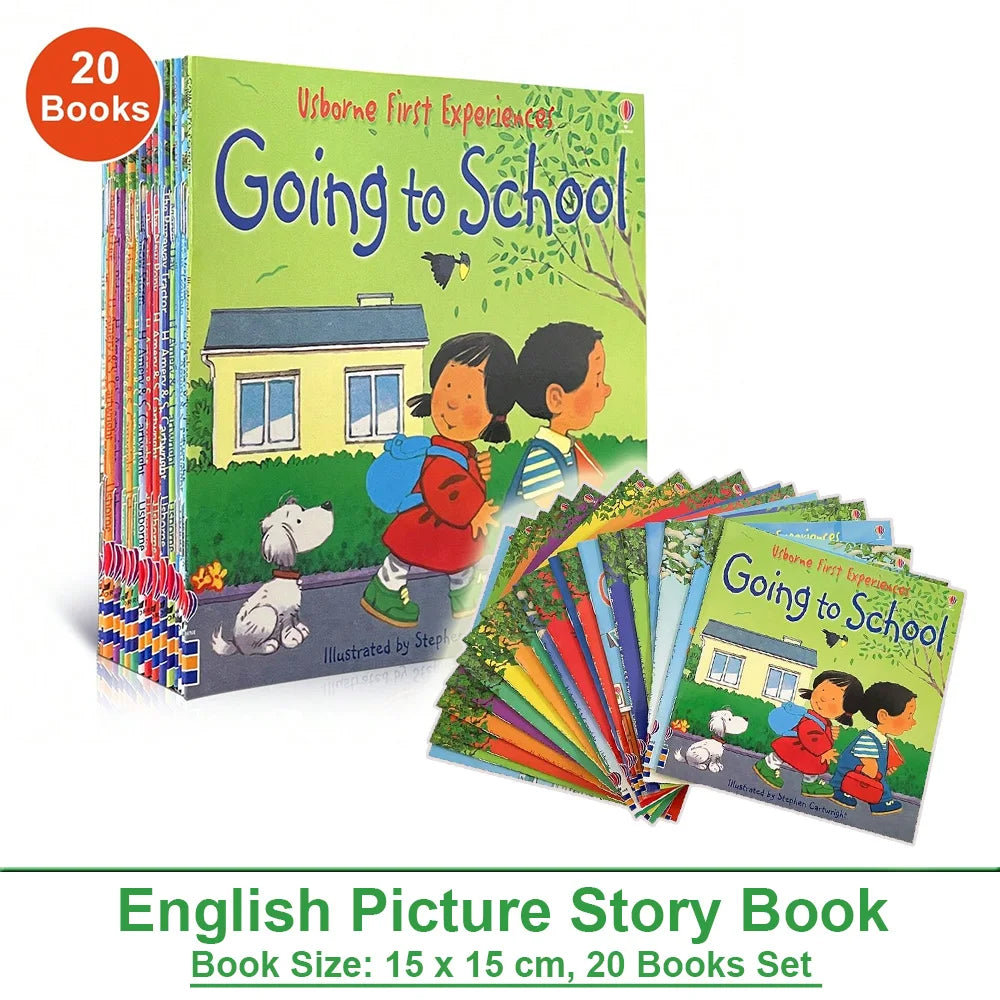
Montessori reading materials vs traditional storybooks for toddlers 💡 See it in action
How Montessori Reading Materials Build Strong Early Literacy Skills
Montessori reading materials are designed to teach children how to read through sound recognition, hands-on interaction, and self-paced discovery.
Instead of memorizing words, kids learn how letters sound and combine naturally.
Key features include:
- Phonics-based learning (sounds before words)
- Simple, distraction-free design
- Repetition for mastery
- Child-led exploration
For example, instead of reading a full story, a child might match letters to sounds or build words using movable alphabets.
This approach builds confidence early—especially helpful for kids who feel overwhelmed by traditional books.
Why Storybooks Still Matter for Emotional and Language Development
Traditional storybooks focus on imagination, storytelling, and emotional connection.
They introduce children to:
- Rich vocabulary
- Sentence structure
- Story sequencing
- Emotional understanding
Reading bedtime stories creates bonding moments and builds a love for books.
But here’s the catch: many toddlers enjoy listening—but don’t actually learn how to read from storybooks alone.
Montessori Books vs Traditional Storybooks: Clear Comparison
| Feature | Montessori Reading Materials | Traditional Storybooks |
|---|---|---|
| Learning Focus | Phonics & decoding | Story comprehension |
| Engagement Style | Hands-on, interactive | Passive listening |
| Best For | Early reading skills | Language & imagination |
| Difficulty Level | Gradual progression | Can be overwhelming early |
| Independence | Encourages self-learning | Requires adult reading |
Quick takeaway: Montessori materials teach kids how to read. Storybooks teach kids why reading is enjoyable.
Browse interactive tools in Sensory Toys
Why Many Parents Face Difficulty Teaching Kids to Read Early
If your child isn’t picking up reading quickly, it’s not a failure—it’s often a mismatch of method.
Common challenges include:
- ❌ Memorizing words instead of understanding sounds
- ❌ Lack of engagement or attention span
- ❌ Overly complex storybooks too early
- ❌ Inconsistent practice routines
Montessori reading activities for toddlers address these by simplifying the process and making learning interactive.
Instead of forcing reading, they build it step by step.
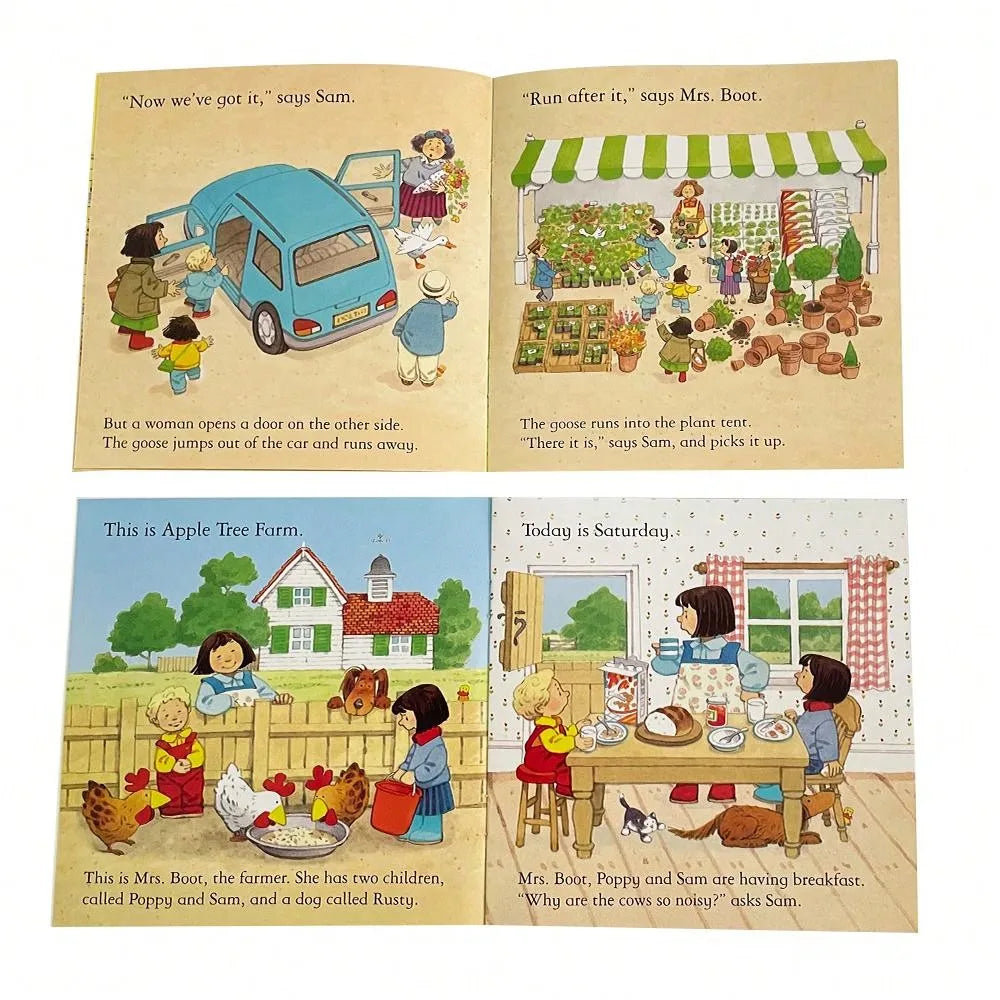
Montessori books vs traditional storybooks learning styles 💡 See it in action
Which Method Works Best for Toddlers? (Real Parent Insights)
Parents often notice different outcomes depending on their child’s personality.
Montessori works best for:
- Independent learners
- Kids who enjoy repetition
- Children struggling with word recognition
Storybooks work best for:
- Imaginative children
- Kids who enjoy storytelling
- Bonding-focused routines
Real parent insight:
"My son couldn’t sit through storybooks, but once we introduced phonics cards, he started recognizing words within weeks."
"We use both—Montessori for learning, storybooks for bedtime bonding."
How Combining Both Methods Creates the Best Learning Experience
You don’t have to choose one over the other.
The most effective approach blends both styles.
Try this simple routine:
- Start with 10 minutes of Montessori phonics practice
- Follow with a short storybook session
- Ask simple questions about the story
- Repeat consistently daily
This builds both skill and love for reading.
To support this routine, many parents explore tools in Baby Growth & Learning for structured activities.
Final Verdict: Which Wins for Your Child?
If your goal is early reading ability, Montessori reading materials have a clear advantage.
If your goal is emotional bonding and creativity, storybooks are essential.
The real winner? A balanced approach.
- ✅ Montessori = skill-building
- ✅ Storybooks = love for reading
- ✅ Combined = confident, engaged reader
Many parents also complement reading routines with calming tools from Sleep & Comfort to create a distraction-free environment.
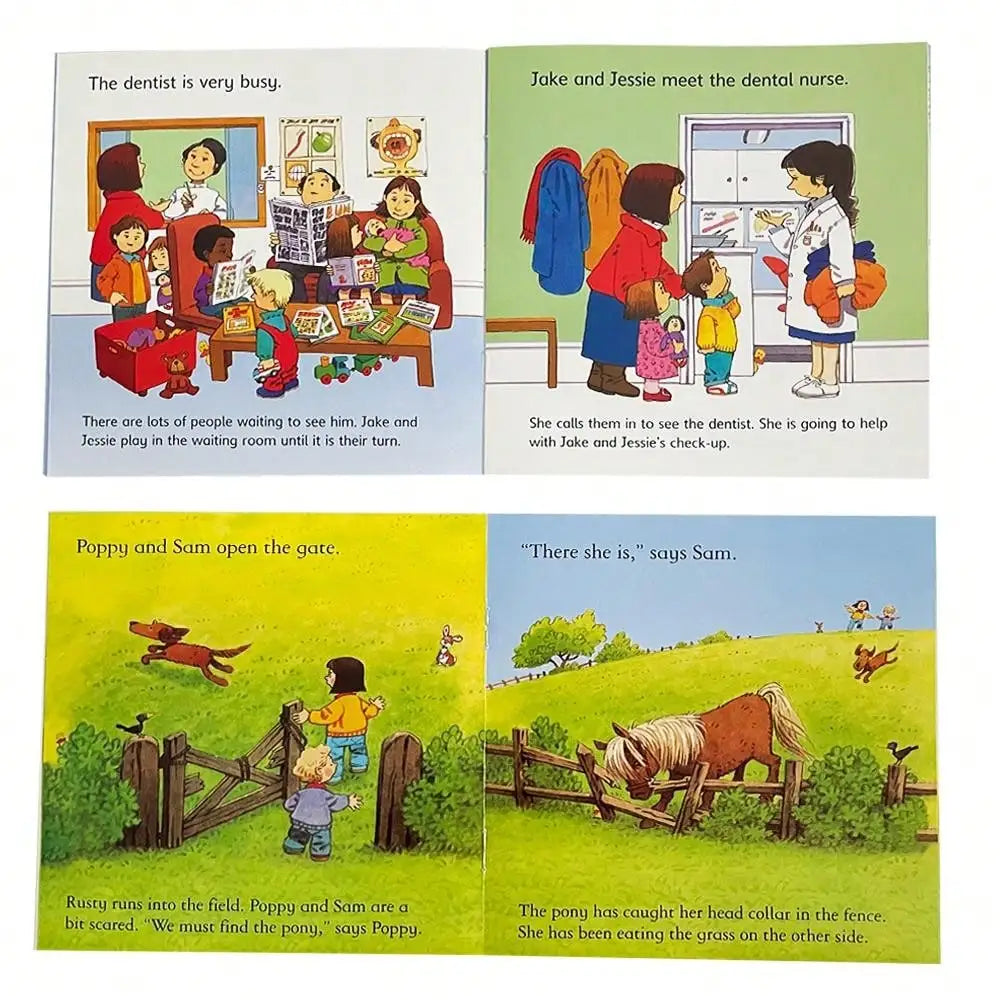
Montessori reading activities for toddlers at home 💡 See it in action
Check out this engaging option: Farmyard Tales Preschool Books
👉 Get yours now — limited stock!
FAQs
Are Montessori reading materials better than storybooks?
They serve different purposes. Montessori materials teach reading mechanics, while storybooks build comprehension and imagination. Combining both delivers the best results.
At what age should I start Montessori reading activities for toddlers?
Most children can begin simple phonics-based activities around ages 2–3, depending on readiness and interest.
Why is it difficult teaching kids to read early?
Many methods rely on memorization rather than phonics, making it harder for children to decode new words independently.
Can I use both Montessori books and traditional storybooks together?
Yes. Using both creates a balanced learning experience—building reading skills while keeping children emotionally engaged.
Pillar Article: Best Preschool Books Compared: Which Ones Kids Love Most
Other Related Articles:
- Board Books for 2 Year Olds vs Picture Books Guide
- Top 10 Preschool Books vs Classics: What’s Worth It
- Farm Books Preschool vs General Stories: What’s Better
- Interactive Books for 4 Year Olds vs Traditional Reads
Explore More:





