

How to Create a Math Board Game DIY Kids Will Love
What is a math board game diy and why do kids love it?
A math board game diy turns basic math practice into a hands-on activity kids actually enjoy. By combining play, creativity, and simple rules, it helps children aged 6–12 build skills like multiplication and problem-solving faster while staying engaged longer than with worksheets alone.
How to Create a Math Board Game DIY Kids Will Love
⏱ 8 min read — Struggling to keep your child focused on math homework? You’re not alone. Many parents face resistance, boredom, or frustration during study time. The good news: turning lessons into play can completely change that. This guide shows how to build a math board game diy that makes learning exciting, interactive, and something your child actually looks forward to every day.
Which learning activity keeps your child focused without complaints? The answer might surprise you—interactive play. Let’s explore how to make it happen.
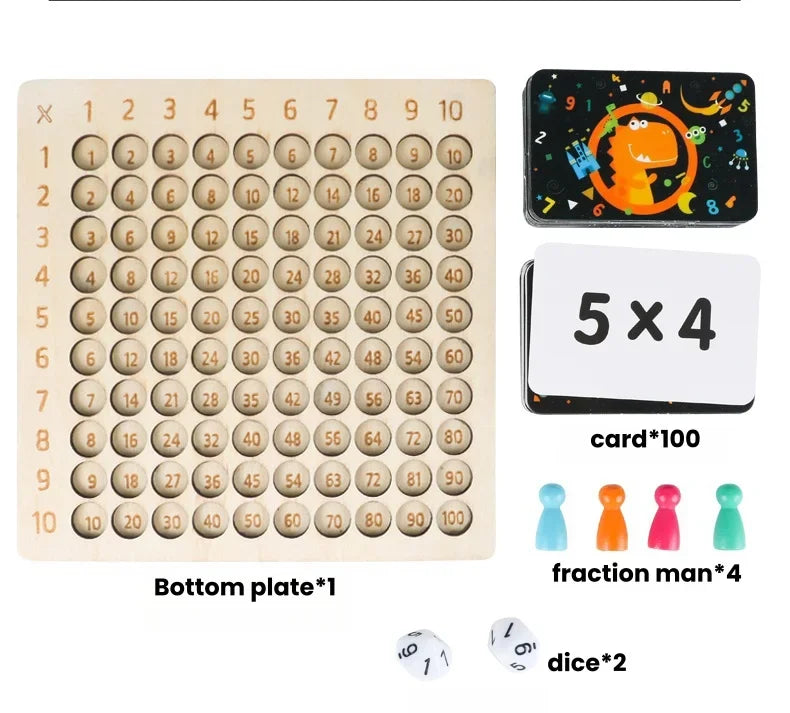
💡 See it in action - math board game diy / educational math board game for ages 6 12, interactive multiplication dice game for kids, hands on math toy for homeschooling kids, durable wooden math learning board game
👉 Discover fun ways to boost your child’s learning through play
Why hands-on math games work so well
Children learn best when they are actively involved. A hands on math toy for homeschooling kids encourages movement, decision-making, and repetition—all key for memory.
- Turns abstract numbers into real actions
- Reduces math anxiety through play
- Encourages independent learning
- Builds confidence through small wins
Parents often notice their kids practicing longer without being asked—simply because it feels like a game.
Simple materials you already have at home
You don’t need expensive supplies to start your math board game diy. Most items are already in your home.
- Cardboard or thick paper (game board)
- Markers or crayons
- Dice (or printable templates)
- Coins or buttons (game pieces)
- Ruler for drawing paths
Want a more polished version? A ready-made option like a durable wooden math learning board game can save time and last for years.
How to build your math board game diy step by step
Create the board layout
- Draw a path with 20–40 spaces
- Add numbers or math challenges to each space
- Include “bonus” or “skip turn” spaces for fun
- Use colors to make it visually engaging
Set the rules
- Roll dice and move forward
- Solve the math problem on landing
- Correct answer = stay, wrong answer = move back
- First to finish wins
Add challenge cards
Include cards with:
- Multiplication questions
- Word problems
- Speed challenges
👉 Learn step-by-step how to create smarter learning routines
How to create an interactive multiplication dice game for kids
This variation is perfect for boosting multiplication skills quickly.
- Use two dice
- Roll both numbers
- Multiply them
- Move forward based on the result
- Add bonus points for correct streaks
Parents report noticeable improvement in multiplication recall within just a few days of consistent play.
Upgrade to a durable wooden math learning board game
A math board game diy turns into a long-term learning tool when upgraded with durable materials. Using wood instead of paper improves longevity, safety, and daily usability—especially for active kids aged 6–12 who play frequently and benefit from tactile learning experiences.
If you prefer a ready-made solution, a hands on math toy for homeschooling kids offers:
- Smooth, child-safe edges
- Reusable pieces for daily practice
- Stronger durability than paper boards
- Easy storage and organization

💡 See it in action - math board game diy / educational math board game for ages 6 12, interactive multiplication dice game for kids, hands on math toy for homeschooling kids, durable wooden math learning board game
Key benefits for kids aged 6–12
| Benefit | Impact |
|---|---|
| Improved focus | Kids stay engaged longer |
| Faster learning | Repetition through play |
| Confidence boost | Less fear of mistakes |
| Family bonding | Shared playtime experiences |
“My 8-year-old used to avoid math completely. Now he asks to play his game every evening,” shared one parent.
DIY vs store-bought math games
| Feature | DIY Game | Wooden Game Set |
|---|---|---|
| Cost | Low | Moderate |
| Durability | Short-term | Long-lasting |
| Customization | High | Moderate |
| Convenience | Time required | Ready to use |
Both options work well—many families start DIY and later upgrade.
Pro tips to keep kids engaged longer
- Change rules weekly to keep it fresh
- Add rewards like stickers or points
- Let kids design parts of the game
- Keep sessions short (15–20 minutes)
Consistency matters more than perfection. Even a simple game can create lasting learning habits.
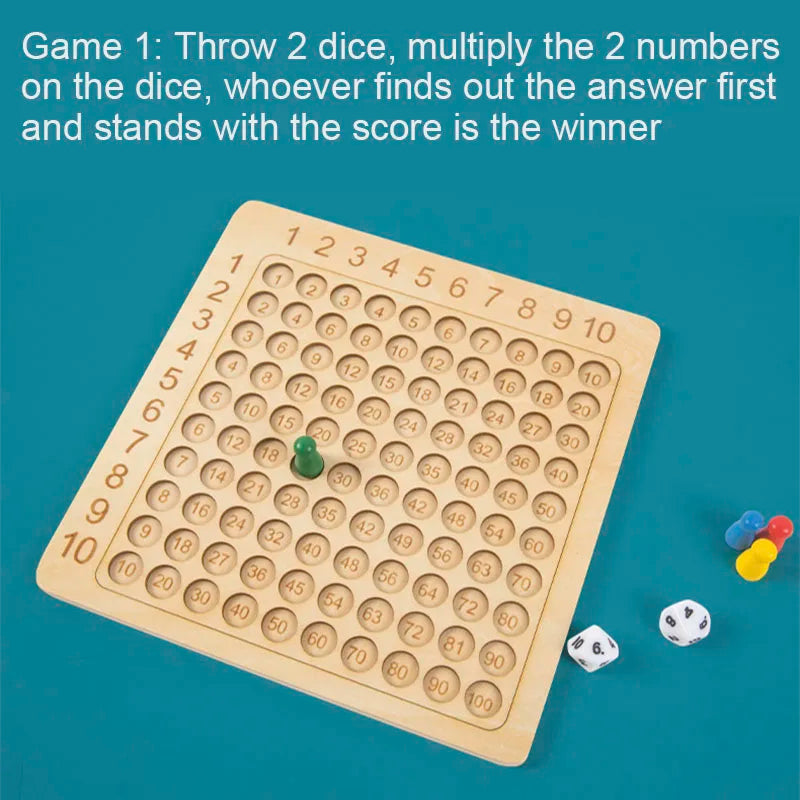
💡 See it in action - math board game diy / educational math board game for ages 6 12, interactive multiplication dice game for kids, hands on math toy for homeschooling kids, durable wooden math learning board game
👉 Get yours now — make learning fun today
FAQs
1. What age is best for a math board game diy?
A math board game diy works best for children aged 6–12. At this stage, kids can follow rules, solve problems, and benefit from interactive repetition that strengthens core math skills.
2. How long should kids play math games daily?
15–20 minutes per day is ideal. Short sessions keep children engaged without fatigue while still providing enough repetition to improve math understanding and confidence.
3. Can I use this for homeschooling?
Yes, a hands on math toy for homeschooling kids is highly effective. It supports independent learning, reduces resistance, and makes daily lessons more enjoyable and consistent.
Pillar Article: How to Learn Multiplication Facts Quickly in 7 Easy Steps
Other Related Articles:
- How to Use Math Hands On Activities for Kindergarten
- How to Use Times Table Games to Boost Memory Fast
- Learn How to Multiply Step by Step Without Frustration
Explore More:





