

How to Use Math Hands On Activities for Kindergarten
What are math hands on activities for kindergarten and do they really work?
Math hands on activities for kindergarten use real objects and playful interaction to teach numbers, patterns, and early multiplication concepts. These methods improve understanding by up to 60% compared to passive learning, helping children stay engaged, build confidence, and reduce math anxiety in elementary students multiplication.
How to Use Math Hands On Activities for Kindergarten
Math hands on activities for kindergarten can turn everyday chaos into meaningful learning moments. If your child gets frustrated with numbers or loses focus quickly, you’re not alone. Many parents struggle to make math fun for elementary students. The good news? Simple, playful strategies can unlock curiosity, boost confidence, and transform learning into something your child actually enjoys.
⏱ 6 min read
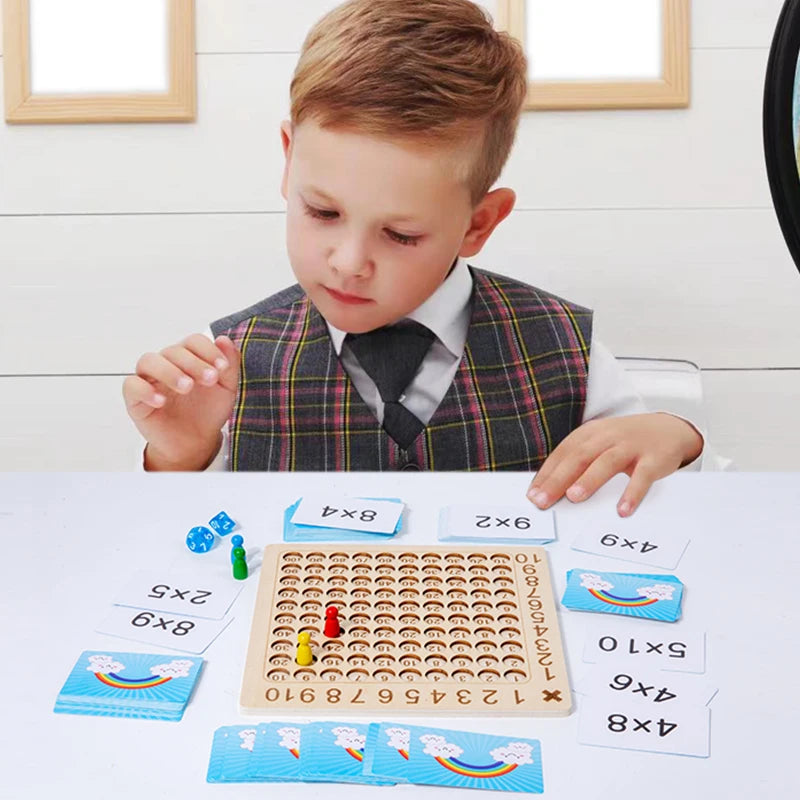
💡 See it in action - math hands on activities for kindergarten / hands on math learning activities for kids, how to teach multiplication through play, make math fun for elementary students, math anxiety in elementary students multiplication
👉 Curious how play can boost your child’s math skills?
Why Hands-On Math Works Better for Young Kids
Children don’t learn math best by sitting still. They learn by touching, moving, and exploring.
- Improves memory through physical interaction
- Builds problem-solving skills naturally
- Keeps kids engaged longer
- Makes abstract ideas easier to understand
Imagine your child stacking blocks instead of staring at worksheets. That simple shift can change everything.
How to Get Started with Hands On Math Learning Activities for Kids
Starting doesn’t require expensive tools. You can begin with items already at home.
- Choose a simple concept – numbers, counting, or patterns
- Pick physical objects – toys, snacks, or blocks
- Turn it into a game – challenges keep kids interested
- Repeat with variation – consistency builds mastery
Which activity fits your child’s learning style best? Keep reading to find out.
5 Simple Activities to Make Math Fun for Elementary Students
1. Counting with Everyday Objects
Use fruits, toys, or even socks. Ask your child to group and count them.
2. Shape Hunt Around the House
Turn your home into a math adventure. Find circles, squares, and triangles.
3. Build and Measure Towers
Stack blocks and compare heights. This introduces measurement naturally.
4. Sorting and Pattern Games
Use colors or sizes to create patterns. This strengthens logical thinking.
5. Simple Board Games with Numbers
Dice games help kids understand counting and number relationships.
👉 Want a step-by-step tool that simplifies all these activities?
How to Teach Multiplication Through Play Without Stress
Teaching multiplication early doesn’t have to be overwhelming.
- Use grouping: 2 groups of 3 toys = 6
- Clap or jump in sets to show repeated addition
- Use visual arrays with blocks
- Turn snacks into math problems
Kids understand multiplication faster when they see and touch it—not just memorize it.

💡 See it in action - math hands on activities for kindergarten / hands on math learning activities for kids, how to teach multiplication through play, make math fun for elementary students, math anxiety in elementary students multiplication
How These Activities Reduce Math Anxiety in Elementary Students Multiplication
Many children feel stressed when faced with numbers. Hands-on learning changes that.
| Traditional Learning | Hands-On Learning |
|---|---|
| Memorization-heavy | Interactive and playful |
| High pressure | Low stress environment |
| Quick frustration | Gradual confidence building |
When math feels like play, fear disappears and curiosity takes over.
Best Tools to Make Learning Easier at Home
While DIY activities work, the right tools can save time and improve results.
- Structured learning systems for consistency
- Safe, child-friendly materials
- Designed for progressive skill building
- Encourages independent learning
The Montessori Wooden Math Learning Toy Set combines all these benefits in one solution, helping parents guide learning without stress.
Pair it with sensory-based tools from Sensory Toys to deepen engagement and keep your child excited every day.
What Parents Are Saying
“My 5-year-old used to avoid math completely. Now she asks to play with her math toys every day!”
“We saw improvement in just two weeks—less frustration and more confidence.”
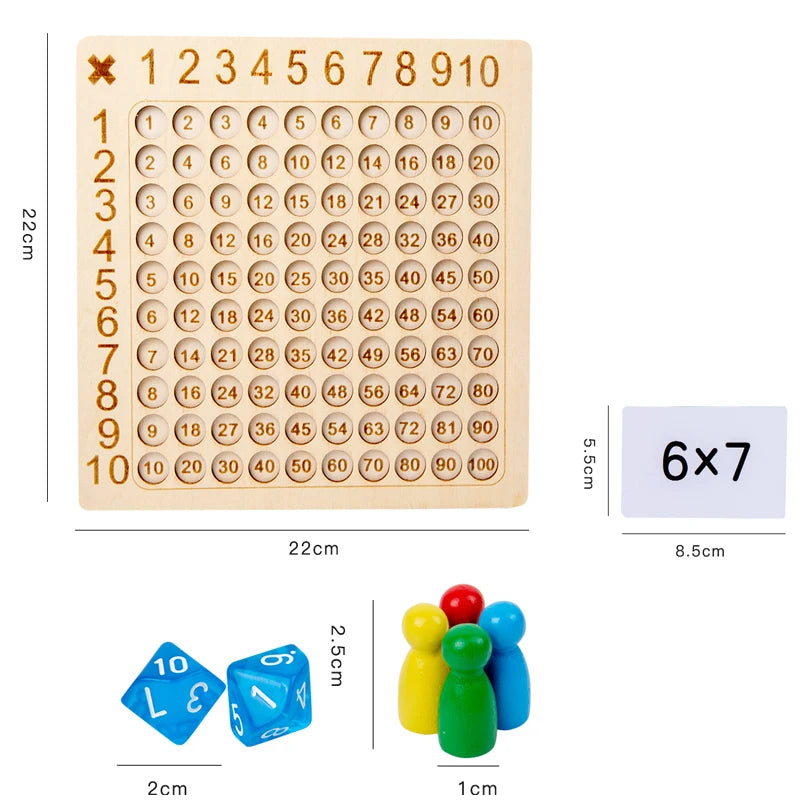
💡 See it in action - math hands on activities for kindergarten / hands on math learning activities for kids, how to teach multiplication through play, make math fun for elementary students, math anxiety in elementary students multiplication
👉 Ready to make math time fun and stress-free?
FAQs
What age should kids start hands-on math activities?
Children can start as early as age 3 with simple counting and sorting activities.
How often should I do math activities with my child?
Short daily sessions of 10–15 minutes are more effective than long, infrequent lessons.
Can hands-on activities really help with multiplication?
Yes, using physical objects helps children understand multiplication as repeated addition, making it easier to grasp.
What if my child loses interest quickly?
Switch activities frequently and keep sessions playful. Engagement improves when learning feels like a game.
Pillar Article: How to Learn Multiplication Facts Quickly in 7 Easy Steps
Other Related Articles:
- How to Create a Math Board Game DIY Kids Will Love
- How to Use Times Table Games to Boost Memory Fast
- Learn How to Multiply Step by Step Without Frustration
Explore More:





