

Learn How to Multiply Step by Step Without Frustration
Does learning multiplication step by step really work?
Learning how to multiply step by step helps children build strong number sense, improve memory, and reduce frustration. By using visual methods, repeated patterns, and hands-on activities, kids can understand multiplication faster and retain it longer—often improving speed and accuracy within just a few weeks of consistent practice.
Learn How to Multiply Step by Step Without Frustration
⏱ 7 min read — Does your child freeze when faced with multiplication tables? You’re not alone. Many kids struggle with memorization, especially when learning feels repetitive or overwhelming. The good news: with the right approach, you can turn confusion into confidence—and even make math enjoyable along the way.
Which learning method actually helps kids enjoy math and remember it long-term? Read on to discover a step-by-step approach that works for beginners and frustrated learners alike.
👉 Discover engaging ways to help your child enjoy math and build confidence today

💡 See it in action - learn how to multiply / kids struggle with multiplication tables, difficulty teaching multiplication to kids at home, make math fun for elementary students, hands on math learning activities for kids
Step-by-Step Guide to Learn Multiplication Easily
To learn how to multiply effectively, children should move from understanding groups to recognizing patterns and finally memorizing facts. This step-by-step method builds confidence while reducing overwhelm, helping kids grasp multiplication naturally instead of relying only on rote memorization.
- Start with grouping: Explain multiplication as repeated addition (e.g., 3 × 4 = 3 groups of 4).
- Use visual aids: Draw arrays or use objects like blocks.
- Introduce patterns: Show patterns in times tables like 2s, 5s, and 10s.
- Practice with games: Reinforce learning through play.
- Build speed gradually: Encourage recall through repetition—not pressure.
This method works especially well for children who feel overwhelmed by traditional worksheets.
Why Kids Struggle With Multiplication Tables
Many parents notice their children losing interest quickly. The root causes often include:
- Memorization without understanding
- Lack of visual or interactive learning
- Repetitive worksheets causing boredom
- Pressure to learn too quickly
When kids struggle with multiplication tables, it’s rarely about ability—it’s about approach. A shift toward interactive learning can completely change outcomes.
How to Make Math Fun for Elementary Students (Without Stress)
Turning math into a fun activity transforms how children engage with it. Instead of forcing practice, invite curiosity.
- Use storytelling (e.g., “3 baskets with 4 apples each”)
- Turn practice into short daily games
- Reward effort, not just correct answers
- Use colorful tools and tactile objects
Explore playful learning tools in Baby Growth & Learning to create a more engaging environment at home.
When children associate math with fun, their confidence grows naturally.
Hands-On Math Learning Activities That Actually Stick
Hands-on learning is one of the most effective ways to teach multiplication. It allows children to see and feel how numbers work.
- Build arrays using small toys or beads
- Use flashcards paired with physical actions
- Create multiplication grids with colored markers
- Practice with wooden learning sets
These activities are especially helpful for kids who struggle with abstract thinking.
Parents looking for interactive options often browse Sensory Toys to support learning through touch and play.
👉 Learn step-by-step how to choose the right hands-on tools for faster learning
Best Tools and Games to Improve Multiplication Skills Faster
Not all learning tools are equal. The most effective ones combine fun, repetition, and interaction.
| Tool Type | Benefits | Best For |
|---|---|---|
| Wooden math sets | Visual + tactile learning | Beginners |
| Flashcard games | Improves recall speed | Daily practice |
| Interactive board games | Encourages engagement | Group learning |
| Digital math apps | Gamified repetition | Older kids |
One highly recommended option is a children Montessori wooden math learning toy set, which combines visual learning with hands-on practice.
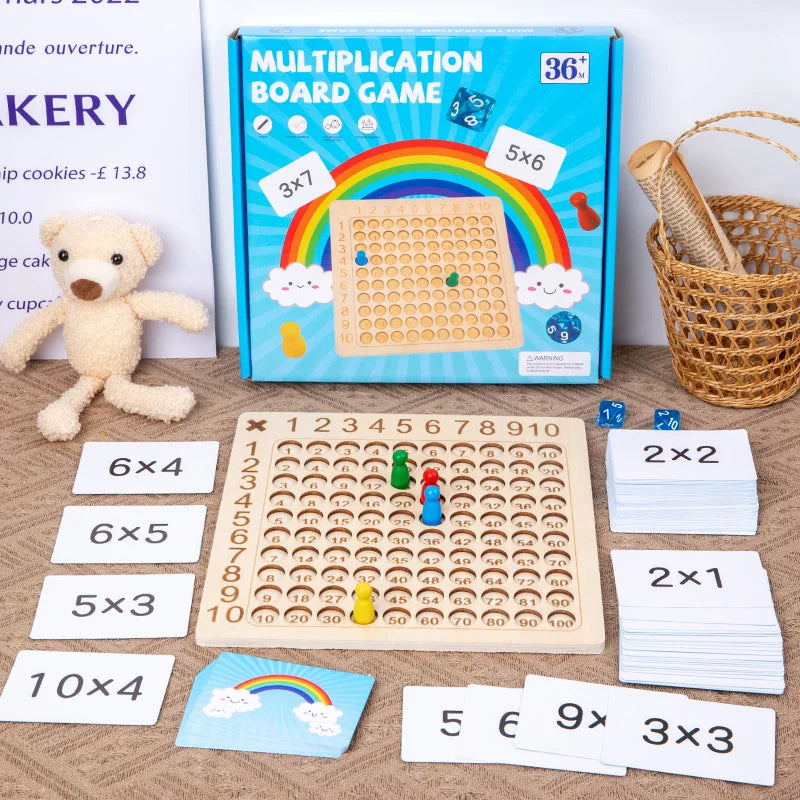
💡 See it in action - learn how to multiply / kids struggle with multiplication tables, difficulty teaching multiplication to kids at home, make math fun for elementary students, hands on math learning activities for kids
Real Parent Results: What Happens When Kids Learn This Way
Parents who switch to interactive multiplication methods often notice quick improvements:
- Kids become more confident within 1–2 weeks
- Faster recall of multiplication facts
- Less resistance during practice time
- Improved performance in school tests
Parent feedback:
“My daughter used to cry during math homework. After using hands-on tools, she actually asks to play multiplication games.”
“We saw a huge difference in just 10 days—she memorized her 5s and 10s without stress.”
For more supportive tools that simplify daily routines, explore Mom Essentials.
How This Simple Tool Makes Learning Multiplication Easier Every Day
Unlike worksheets, interactive tools allow children to learn at their own pace while staying engaged. The children Montessori wooden math learning toy set is designed to:
- Turn multiplication into a visual and tactile experience
- Reduce frustration by simplifying concepts
- Encourage independent learning
- Build long-term memory through repetition
This makes it a practical solution for parents facing difficulty teaching multiplication to kids at home.

💡 See it in action - learn how to multiply / kids struggle with multiplication tables, difficulty teaching multiplication to kids at home, make math fun for elementary students, hands on math learning activities for kids
👉 Get yours now — limited stock available and start making math frustration-free today
Frequently Asked Questions
What is the easiest way to learn how to multiply?
The easiest way is to start with repeated addition, use visual aids like arrays, and practice through games. This approach helps children understand the concept before memorizing facts.
Why do kids struggle with multiplication tables?
Most kids struggle because they are asked to memorize without understanding. Interactive and hands-on methods solve this by making learning more engaging and meaningful.
How can I make multiplication fun at home?
Use games, storytelling, and physical tools like blocks or wooden sets. Short, playful sessions are more effective than long study periods.
How long does it take for kids to improve multiplication skills?
With consistent daily practice using engaging methods, many children show improvement in 1–2 weeks and build strong recall within a month.
Are hands-on tools better than worksheets?
Yes, hands-on tools help children visualize and interact with numbers, making learning more effective and less stressful compared to repetitive worksheets.
Pillar Article: How to Learn Multiplication Facts Quickly in 7 Easy Steps
Other Related Articles:
- How to Create a Math Board Game DIY Kids Will Love
- How to Use Math Hands On Activities for Kindergarten
- How to Use Times Table Games to Boost Memory Fast
Explore More:





