

How to Improve Hand Eye Coordination With Easy Activities
How to improve hand eye coordination fast?
How to improve hand eye coordination starts with consistent, hands-on activities that strengthen the connection between the eyes, brain, and muscles. Daily practice with sensory toys, stacking games, ball activities, and fine motor challenges helps children improve reaction time, visual tracking, grip control, and accuracy. Even 10 to 15 minutes of purposeful play each day can make a noticeable difference, especially for children who struggle with coordination or motor skills.
How to improve hand eye coordination: tools compared
⏱ 7 min read — Learning how to improve hand eye coordination doesn't have to be complicated. Many parents first notice challenges when their child has difficulty catching a ball, stacking blocks, drawing simple shapes, or using eating utensils. These everyday tasks rely on hand-eye coordination, a foundational skill that supports learning, independence, and physical development.
This guide compares practical tools, explains why coordination matters during early childhood, and helps you choose activities that match your child's age and ability so practice stays engaging and effective.
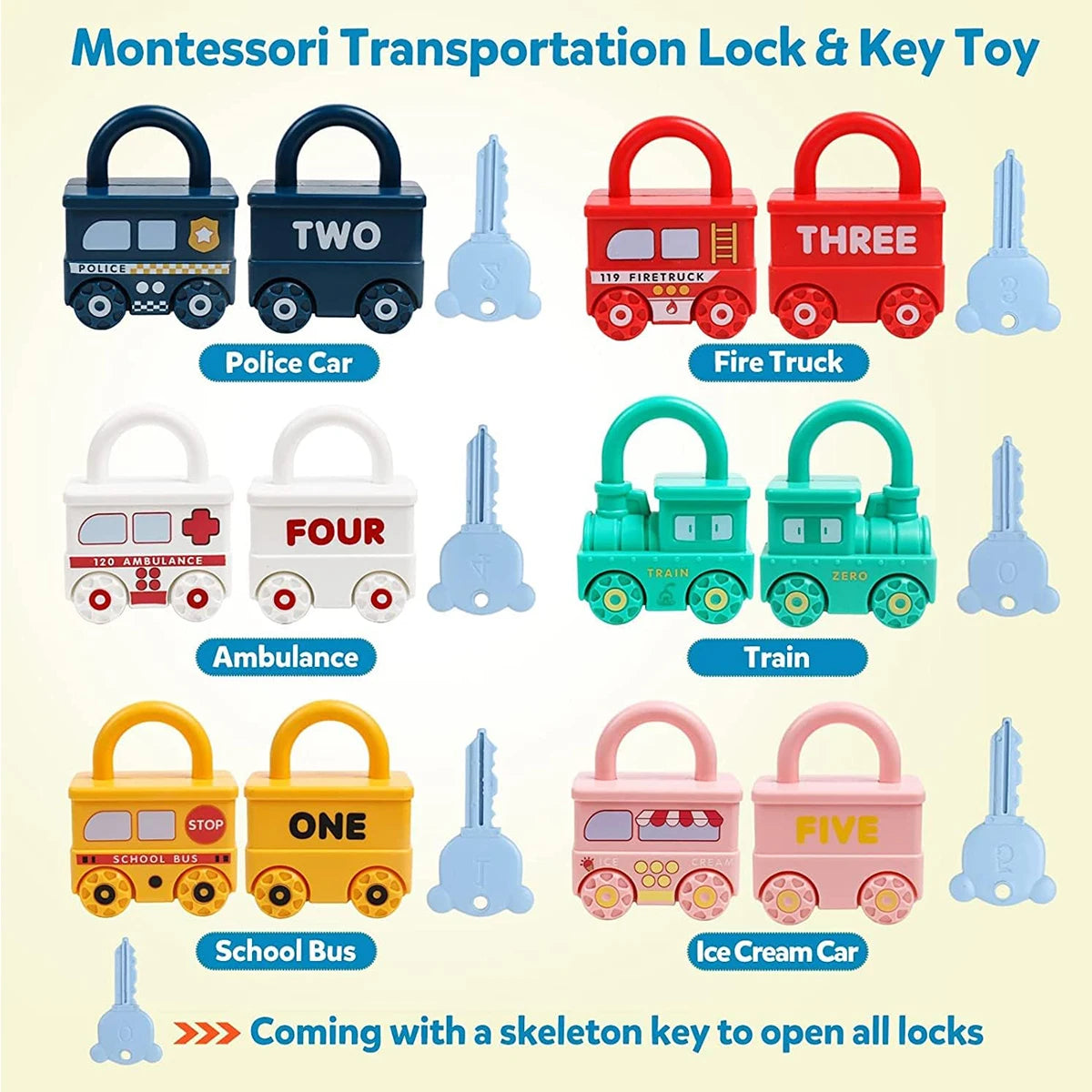
See it in action - how to improve hand eye coordination / activities to boost hand eye coordination, kids struggle fine motor skills, preschoolers lack hand eye coordination, how to improve fine motor skills toddlers
Discover the safest toys for your baby: Explore Sensory Toys designed to build coordination through play.
Why improving coordination early makes everything easier
Hand-eye coordination child development begins long before children start school. Every time a child reaches for a toy, catches a rolling ball, stacks blocks, or traces a picture, the brain learns to process visual information and guide precise hand movements. Strengthening these skills early supports both physical and cognitive development.
Benefits for learning
When kids struggle fine motor skills, classroom activities often become more challenging. Better coordination helps children perform everyday learning tasks with greater confidence and less frustration.
- Improves pencil grip, handwriting, and drawing accuracy.
- Supports reading readiness through stronger visual tracking.
- Develops concentration during puzzles, crafts, and matching games.
- Builds confidence as children complete tasks more independently.
Benefits for sports and daily life
Developing coordination also improves movement beyond the classroom. As children gain better control over their hands and eyes, they become more comfortable participating in active play and everyday routines.
- Better balance and body awareness during movement.
- Improved catching, throwing, and kicking skills.
- Easier self-feeding, dressing, and buttoning clothes.
- Greater independence with everyday activities.
Signs a child needs extra practice
Children develop at different rates, but some signs suggest they may benefit from additional coordination activities.
- Avoids puzzles, building toys, or drawing activities.
- Frequently drops objects or struggles to grasp small items.
- Becomes frustrated with tasks requiring precise hand movements.
- Has difficulty catching or throwing age-appropriate balls.
- Needs significantly more time than peers to complete fine motor activities.
Quick question: Does your child avoid activities that require precision or lose confidence quickly when tasks become challenging? Introducing simple, play-based coordination exercises early can help build skills gradually while keeping learning enjoyable.
Best tools compared for real results
The best hand coordination toys encourage repeated practice while matching a child's developmental stage. Choosing the right activity is often more important than choosing the most advanced toy. The comparison below highlights where each option performs best and what parents should consider before buying.
Comparison table
| Tool Type | Best For | Primary Skills | Pros | Cons |
|---|---|---|---|---|
| Sensory toys | Preschoolers lacking hand-eye coordination | Tactile exploration, visual tracking, grip strength | Engaging, multi-sensory learning, encourages exploration | Can become overstimulating if used for long sessions |
| Stacking & sorting toys | Fine motor development | Precision, hand control, planning | Builds patience, coordination, and spatial awareness | May become too easy as skills improve |
| Ball & catch games | Older toddlers and preschoolers | Reaction time, timing, bilateral coordination | Excellent for active play and visual tracking | Requires space and adult supervision |
| Lock & key toys | Problem-solving and coordination | Finger dexterity, grip control, logical thinking | Combines cognitive learning with fine motor practice | Beginners may need guidance during the first few sessions |
✅ What parents love
- Activities naturally become part of play instead of feeling like practice.
- Children often show better grip strength, attention, and confidence after consistent daily use.
- Hands-on toys encourage independent exploration while reducing screen time.
- Many tools can be adapted as children become more skilled.
❌ What to watch for
- Choosing toys that are too difficult can reduce motivation.
- Using only one type of activity limits overall skill development.
- Passive electronic toys provide less opportunity for active coordination practice.
- Very long practice sessions are usually less effective than short, consistent ones.
Who each tool is best for
- Sensory toys: Young children beginning to explore textures, grasping, and visual attention.
- Stacking and sorting toys: Toddlers developing precision, hand control, and problem-solving.
- Ball and catch games: Children ready to improve reaction speed, tracking, and full-body coordination.
- Lock and key toys: Preschoolers who benefit from combining fine motor practice with logical thinking.
How these tools make learning feel like play
Well-designed coordination activities strengthen multiple skills at the same time. Rather than repeating isolated exercises, children learn through meaningful play that encourages exploration, experimentation, and gradual improvement.
Visual tracking
Following moving objects with the eyes teaches children to judge distance, anticipate movement, and guide their hands more accurately. Activities involving stacking, matching, or inserting objects all reinforce visual-motor integration.
Grip and fine motor control
Picking up, rotating, pinching, twisting, and placing objects strengthens the small muscles of the hands and fingers. These movements later support writing, drawing, dressing, and other everyday tasks requiring precision.
Bilateral coordination
Many activities require both hands to work together while each performs a different task. This develops coordination between the two sides of the body and improves planning, balance, and overall motor control.
The Montessori lock and key toy set combines these skills in one activity by encouraging children to align, insert, and rotate keys while solving simple challenges. Because the movements are purposeful and rewarding, children naturally repeat them, helping strengthen coordination through play.
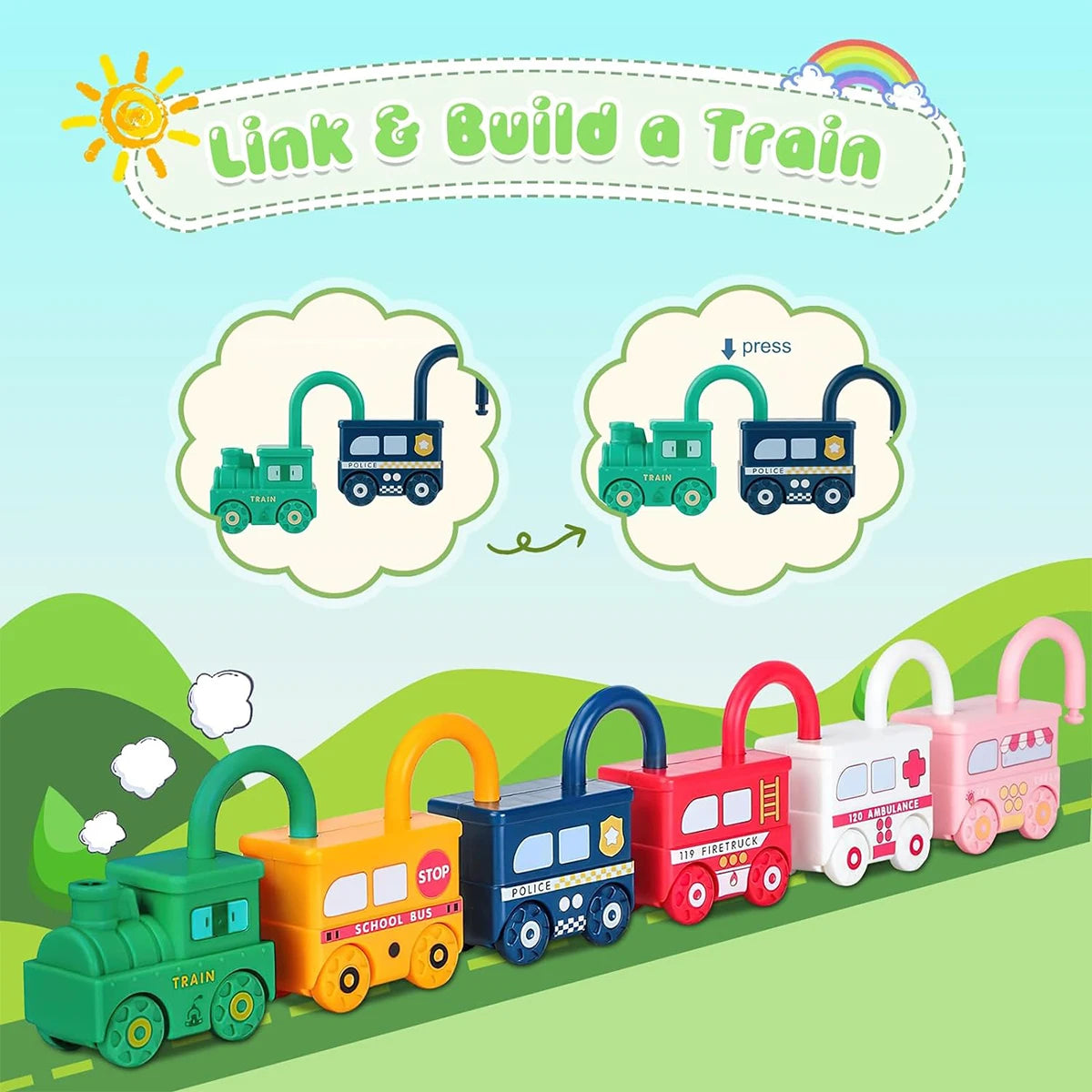
See it in action - how to improve hand eye coordination / activities to boost hand eye coordination, kids struggle fine motor skills, preschoolers lack hand eye coordination, how to improve fine motor skills toddlers
Learn step-by-step how to choose the right baby gear: Browse Baby Growth & Learning tools that match your child's developmental stage.
Simple daily routines that accelerate progress
Developing hand eye coordination doesn't require lengthy training sessions. Short, consistent practice is more effective than occasional intensive play. The goal is to make coordination activities part of your child's everyday routine so new skills develop naturally over time.
10-minute routine
- 2 minutes: Warm up with simple reaching, passing, or visual tracking activities.
- 3 minutes: Practice stacking, sorting, or fitting objects together.
- 3 minutes: Introduce a slightly more challenging activity, such as catching a soft ball or completing a simple lock-and-key task.
- 2 minutes: Finish with an activity your child enjoys to end on a positive note and reinforce confidence.
Indoor activities
Many activities to boost hand eye coordination can be incorporated into normal play at home.
- Build towers with stacking cups or blocks.
- Sort shapes, colors, or household objects.
- Complete age-appropriate puzzles.
- Thread large beads or place pegs into boards.
- Practice self-feeding using child-friendly utensils from Feeding Tools .
Outdoor activities
Outdoor play develops visual tracking and whole-body coordination while keeping children active.
- Roll, throw, and catch soft balls.
- Kick a lightweight ball toward simple targets.
- Blow and catch bubbles.
- Navigate easy obstacle courses.
- Play follow-the-leader movement games.
Tracking progress
Small improvements often appear before dramatic changes. Look for signs that your child is becoming more confident and coordinated.
- Completes tasks with fewer dropped objects.
- Builds taller block towers or completes puzzles more easily.
- Shows better control while coloring or drawing.
- Stays engaged in activities for longer periods.
- Begins attempting more challenging tasks independently.
Consistency matters far more than complexity. Practicing a few minutes every day generally produces better long-term results than occasional extended sessions.
How to choose the right tool for your child
The best hand coordination toys match your child's current developmental stage rather than their age alone. Selecting activities that are challenging but achievable helps maintain motivation while encouraging steady progress.
For babies
- High-contrast visual toys for early tracking.
- Soft rattles that encourage reaching and grasping.
- Large textured toys that promote sensory exploration.
- Easy-to-hold objects that strengthen early grip.
For toddlers (1–2 years)
- Large sensory toys.
- Simple stacking blocks and nesting cups.
- Basic cause-and-effect toys.
- Large shape sorters with easy-to-grasp pieces.
For preschoolers (3–5 years)
- Lock & key sets.
- Sorting and matching games.
- Simple construction toys.
- Beginner coordination challenges involving throwing, catching, and balancing.
When to seek professional support
Some variation in development is normal, but consider discussing your concerns with your child's healthcare provider or an occupational therapist if your child:
- Frequently avoids fine motor activities because they are too difficult.
- Shows little improvement despite several months of consistent practice.
- Has difficulty completing age-appropriate self-care tasks.
- Appears unusually clumsy or struggles with balance compared with peers.
- Experiences persistent frustration during everyday motor activities.
If your child needs additional support, begin with simple activities and gradually increase the level of challenge as confidence grows. You can also explore age-appropriate resources in Mobility & Training to encourage both coordination and overall movement development.
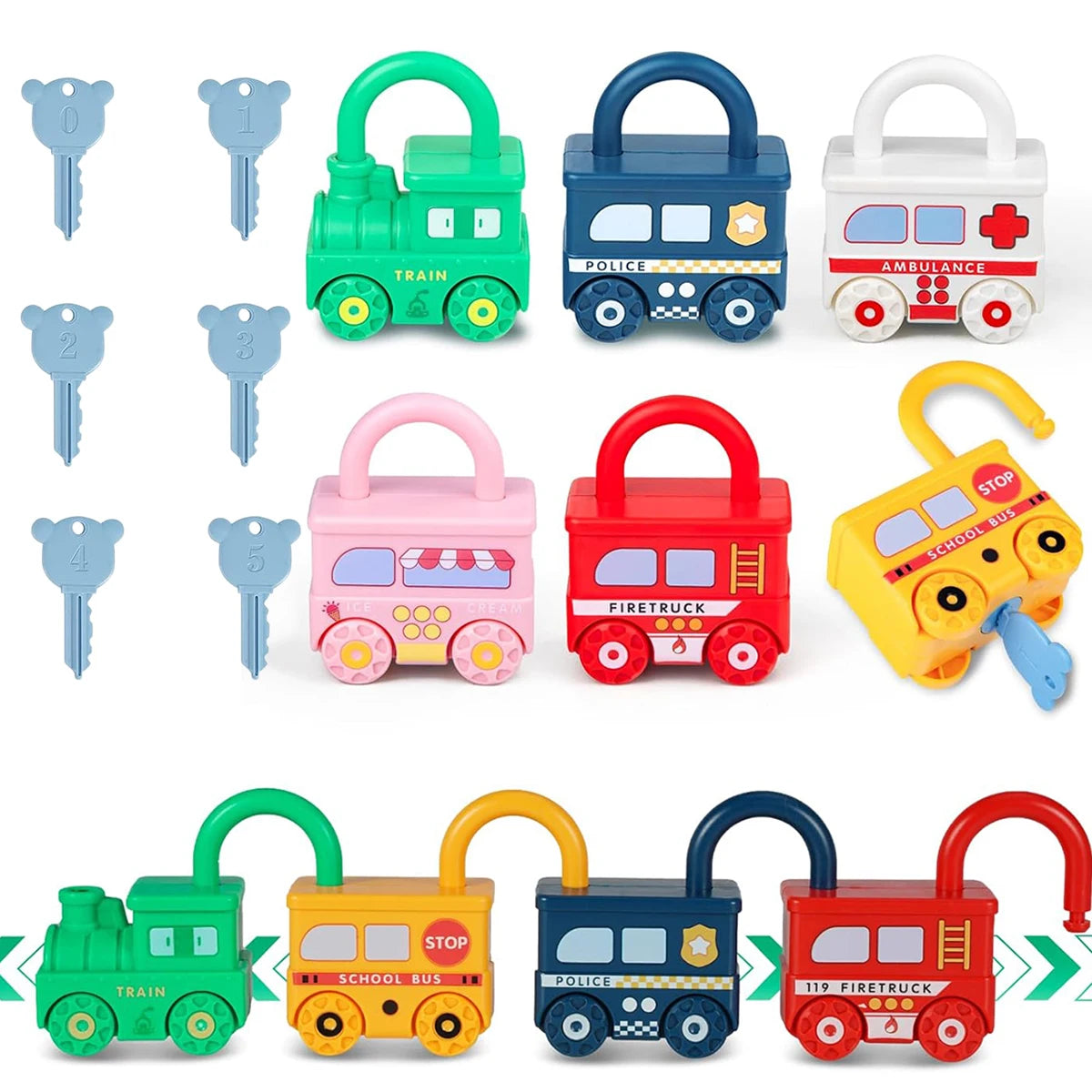
See it in action - how to improve hand eye coordination / activities to boost hand eye coordination, kids struggle fine motor skills, preschoolers lack hand eye coordination, how to improve fine motor skills toddlers
Looking for a structured fine motor activity? The Montessori lock and key toy set encourages children to practice precise hand movements, visual-motor coordination, and problem-solving through independent play.
FAQs
What causes poor hand eye coordination in kids?
Poor hand-eye coordination can result from delayed motor development, limited opportunities for active play, insufficient fine motor practice, or differences in visual processing. Most children improve with regular, age-appropriate activities that encourage reaching, grasping, stacking, throwing, and other coordinated movements.
How long does it take to improve coordination?
Every child progresses at a different pace, but many parents notice improvements after two to four weeks of consistent daily practice. Steady routines, gradually increasing challenges, and varied activities usually produce better long-term results than occasional intensive sessions.
Are sensory toys enough on their own?
Sensory toys are valuable for encouraging exploration and early motor development, but they work best when combined with other activities such as stacking toys, puzzles, ball games, and problem-solving tasks. A variety of experiences helps children develop more complete coordination skills.
What's the best age to start?
Children begin developing hand-eye coordination during infancy. Simple reaching, grasping, and visual tracking activities can begin in the first year of life, while more structured fine motor games become appropriate as children grow into the toddler and preschool years.
Can adults improve hand-eye coordination?
Yes. The brain continues adapting throughout adulthood. Activities such as racquet sports, juggling, table tennis, drawing, musical instruments, and reaction-based exercises can all improve coordination with regular practice.
Which sports improve hand-eye coordination the fastest?
Sports requiring quick visual tracking and precise timing—such as tennis, badminton, baseball, basketball, volleyball, and table tennis—are particularly effective for improving hand-eye coordination because they combine movement, balance, and rapid decision-making.
How often should children practice coordination activities?
Short daily sessions of 10 to 15 minutes are generally more effective than longer, infrequent practice. Consistency allows children to build skills gradually without becoming fatigued or frustrated.
What are the first signs of improved hand-eye coordination?
Early signs include catching objects more consistently, stacking blocks with greater accuracy, using utensils more confidently, drawing with better control, and completing fine motor activities with less frustration.
Can poor vision affect hand-eye coordination?
Yes. Because coordination depends on accurate visual information, uncorrected vision problems can make reaching, catching, and other precise movements more difficult. If you suspect a vision issue, an eye examination is recommended alongside continued motor practice.
When should parents consult an occupational therapist?
Consider seeking professional guidance if your child struggles with age-appropriate motor skills, avoids fine motor activities, frequently becomes frustrated during everyday tasks, or shows little progress despite several months of consistent practice. Early support can help identify underlying challenges and provide individualized strategies.
Pillar Article: Best educational toys for preschool: Top picks compared 2026
Other Related Articles:
- Toy cars and trains: best educational sets compared
- Toy lock and key: best learning sets compared
- Learning toys for 7 year olds: top STEM picks compared
- Sensory play for one year olds: best kits compared
Explore More:





