

Sensory play for one year olds: best kits compared
What is sensory play for one year olds and does it really help?
Sensory play for one year olds supports brain development by engaging touch, sight, sound, and movement in simple, hands-on ways. The right sensory kits can improve focus, coordination, and curiosity within minutes of play—especially helpful for toddlers uninterested in learning toys or with short attention spans.
Sensory play for one year olds: best kits compared
⏱ 6 min read
Is your toddler losing interest in toys within seconds? You’re not alone. Many parents struggle with toddler low attention span activities that actually hold focus. The good news: sensory play for one year olds can turn everyday play into meaningful learning—without forcing it. In this guide, we compare the best sensory kits, highlight real pros and cons, and help you choose what actually works for your child’s stage.
Which sensory kit actually works for your child? Read on to find the best fit based on attention span, curiosity level, and learning style.
👉 Discover gentle, engaging play tools designed for curious toddlers
💡 See it in action - sensory play for one year olds / toddler low attention span activities, sensory play ideas for toddlers learning, toddlers uninterested in learning toys, montessori method for early childhood learning
Why sensory play keeps toddlers engaged longer
Sensory play taps into how babies naturally explore the world—through touch, sound, and movement. Instead of passive play, it invites active discovery.
- Short bursts of engagement: Perfect for toddlers with low attention spans
- Hands-on learning: Builds fine motor skills without pressure
- Emotional calm: Repetitive textures soothe overstimulation
- Curiosity-driven: Encourages independent exploration
Parents often notice their child stays focused 2–3x longer with sensory activities compared to traditional toys.
Best sensory kits compared (with pros & cons)
| Kit Type | Best For | Pros | Cons |
|---|---|---|---|
| Soft Texture Boards | Calm play & tactile learning | Safe, soothing, easy to use | Limited challenge over time |
| Busy Boards (Locks & Keys) | Problem-solving & focus | Builds coordination, keeps attention longer | Needs supervision initially |
| Water Play Mats | Visual stimulation | No mess, colorful movement | Less tactile variety |
| Sensory Bins | Creative exploration | Highly engaging, customizable | Messy setup |
Top Pick for Focus & Skill Development
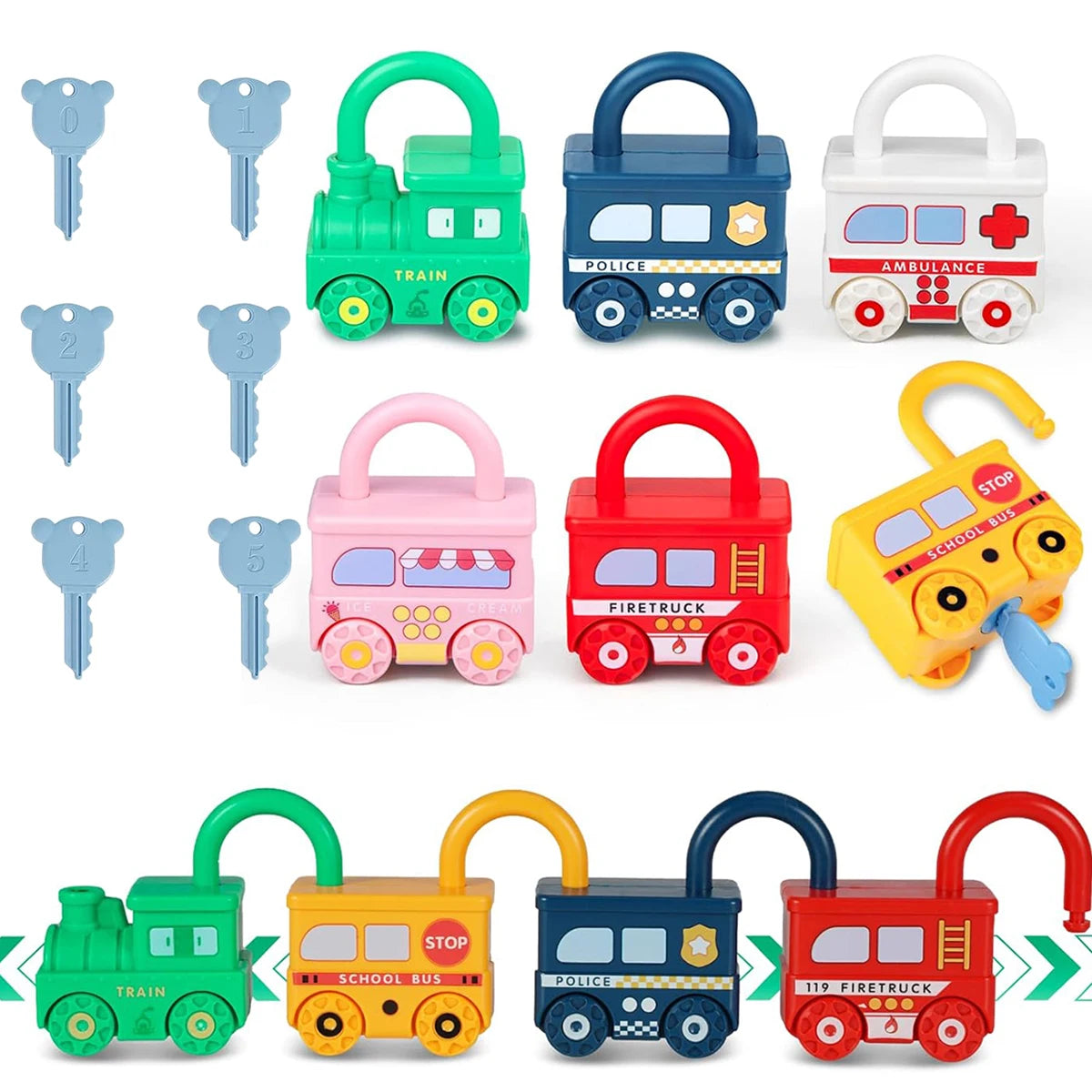
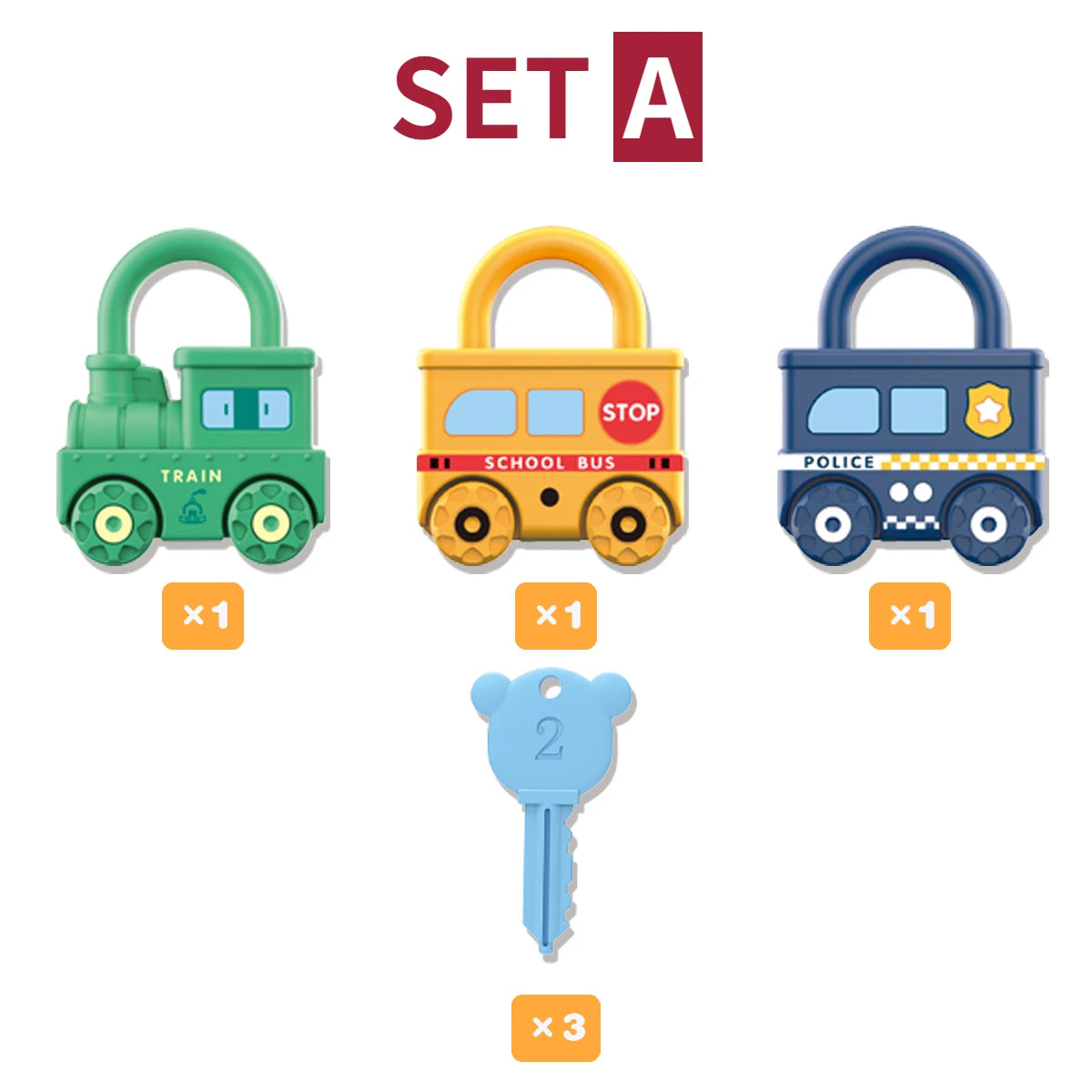
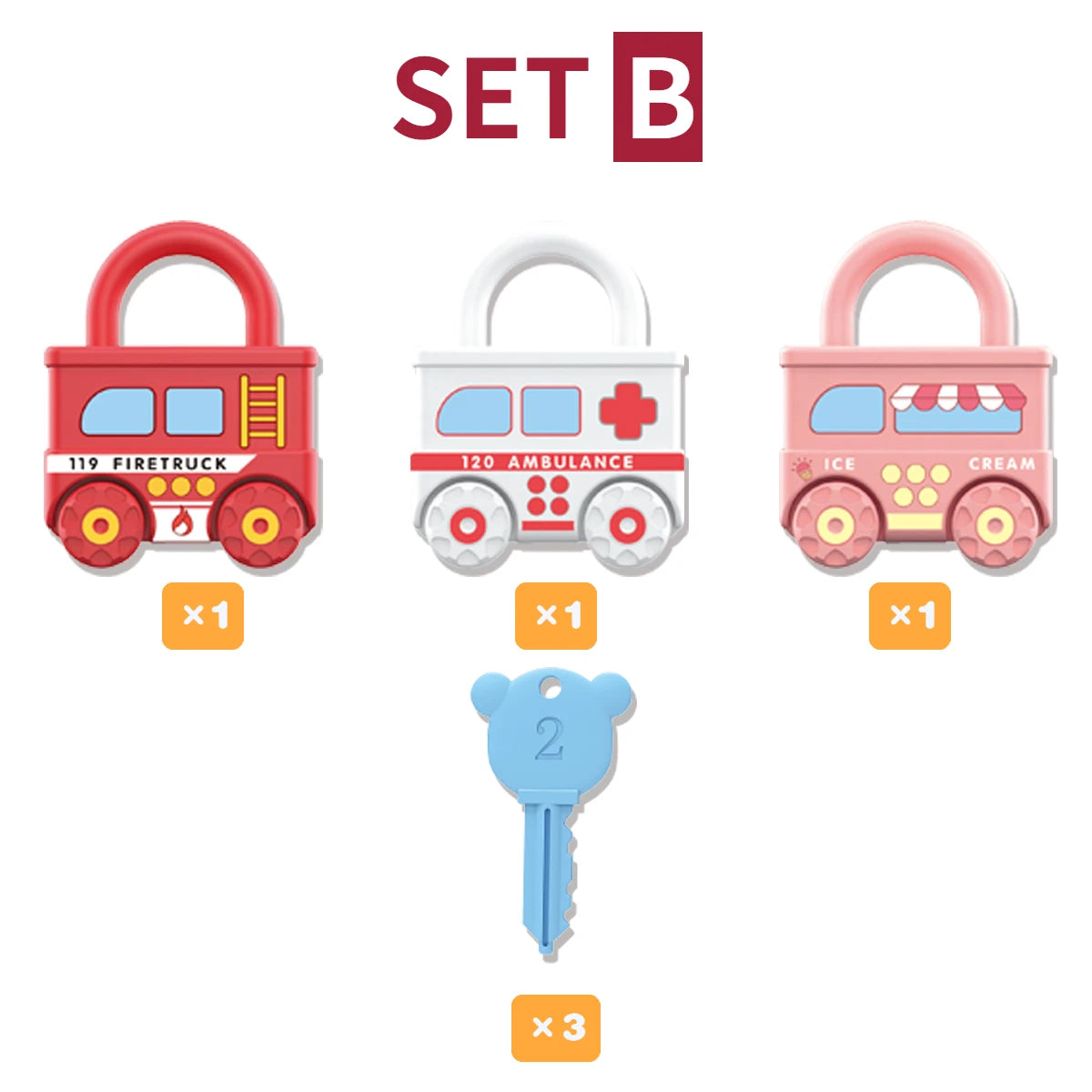
The Montessori Lock and Key Toy Set stands out for toddlers who quickly lose interest. It transforms play into a puzzle-solving experience that keeps little hands busy and minds engaged.
- ✅ Encourages independent learning
- ✅ Strengthens hand-eye coordination
- ✅ Ideal for toddlers uninterested in learning toys
- ❌ Slight learning curve at first
👉 Learn step-by-step how to choose the right sensory kit for your toddler
How to choose the right sensory kit for your child
- Start with attention span: Choose simple, repeatable activities if your toddler gets bored quickly
- Look for interaction: Buttons, textures, or moving parts keep engagement high
- Prioritize safety: Non-toxic, smooth edges, and durable materials matter
- Match developmental stage: Avoid toys that are too advanced or too basic
For everyday play routines, combining sensory toys with essentials from Baby Care Essentials helps create a balanced environment for growth.
How Montessori-style play builds real skills
The montessori method for early childhood learning focuses on independence and hands-on discovery. Sensory kits inspired by this approach encourage children to learn through doing—not watching.
- Self-paced exploration: No pressure, just curiosity
- Real-life skills: Opening, closing, sorting, matching
- Confidence building: Small successes lead to big milestones
That’s why tools like the Montessori Lock and Key Toy Set are often recommended by early childhood educators.
💡 See it in action - sensory play for one year olds / toddler low attention span activities, sensory play ideas for toddlers learning, toddlers uninterested in learning toys, montessori method for early childhood learning
Real parent experiences
“My 14-month-old used to throw toys after 10 seconds. With the lock and key set, she sits for 5–10 minutes figuring things out.” — Emily R.
“We tried sensory bins but it got messy. The busy board was a cleaner, longer-lasting solution.” — Jason M.
“It’s the first toy that actually keeps him engaged without screens.” — Sarah L.
These experiences highlight one thing: the right sensory kit can completely change how your toddler interacts with playtime.
How to build a daily sensory routine without overwhelm
- Rotate 2–3 toys weekly to keep novelty high
- Limit play sessions to 10–15 minutes
- Combine with calming routines from Sleep & Comfort
- Use positive reinforcement, not pressure
This approach keeps learning natural and stress-free—for both parent and child.
💡 See it in action - sensory play for one year olds / toddler low attention span activities, sensory play ideas for toddlers learning, toddlers uninterested in learning toys, montessori method for early childhood learning
Quick questions parents ask
What is the best sensory play for one year olds?
Simple, hands-on activities like texture boards, busy boards, and water mats work best. They engage multiple senses without overwhelming your child.
How long should sensory play last?
Most toddlers benefit from 5–15 minute sessions. Short, consistent play is more effective than long sessions.
What if my toddler shows no interest?
Try rotating toys or introducing interactive elements like locks, buttons, or sounds. Engagement often improves with variety.
Are sensory toys safe?
Yes, when designed for toddlers. Always choose non-toxic materials and supervise during early use.
👉 Get yours now — limited stock!
Pillar Article: Best educational toys for preschool: Top picks compared 2026
Other Related Articles:
- Toy cars and trains: best educational sets compared
- Toy lock and key: best learning sets compared
- How to improve hand eye coordination: tools compared
- Learning toys for 7 year olds: top STEM picks compared
Explore More:





