

Toy cars and trains: best educational sets compared
Are toy cars and trains worth it for learning?
Toy cars and trains support early learning by combining movement, storytelling, and problem-solving in one activity. The best toy cars and trains sets improve focus, fine motor skills, and creativity while reducing passive screen use, making them a practical way to keep kids engaged longer without constant supervision.
Toy cars and trains: best educational sets compared
Toy cars and trains aren’t just fun—they can transform how kids learn through play. From the educational car and train lock toy that builds problem-solving skills to interactive play toys that keep attention longer, these sets tackle a real issue: children get bored educational toys too quickly. Even better, they help with screen time replacing hands on play in a natural, engaging way. But which sets truly deliver lasting value and development benefits?
⏱ 7 min read
Do you ever feel like your child loses interest in toys within minutes? You’re not alone. Many parents struggle with toys that promise learning but fail to hold attention. The right toy cars and trains sets can change that completely.
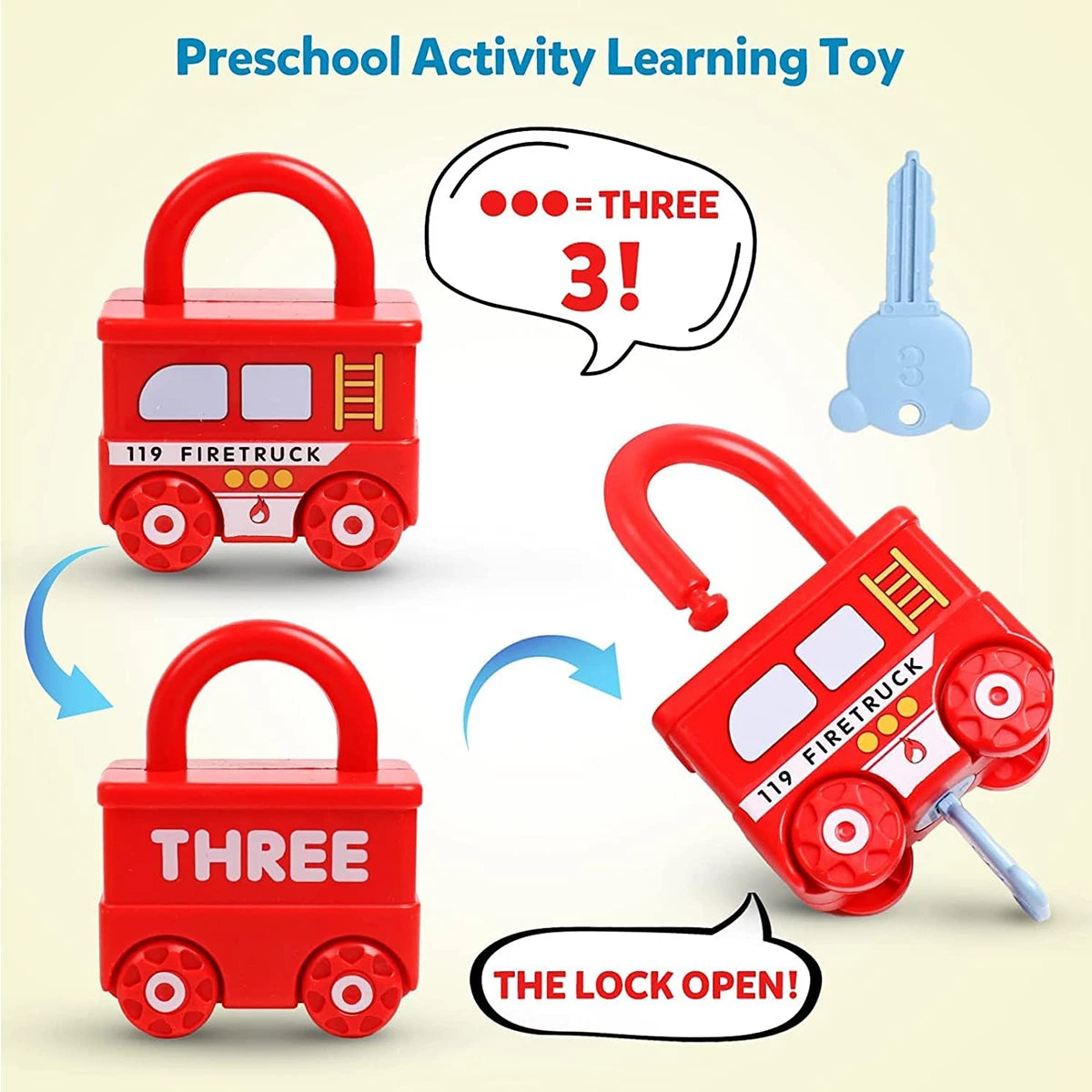
💡 See it in action - toy cars and trains / educational car and train lock toy, interactive play toys, children get bored educational toys, screen time replacing hands on play
Why toy cars and trains keep kids engaged longer
Unlike static toys, moving vehicles naturally attract attention. Kids love motion, sound, and cause-and-effect play.
But here’s the real benefit: these toys combine fun with skill-building.
- Encourage storytelling and imagination
- Build hand-eye coordination
- Strengthen problem-solving skills
- Extend independent play time
When paired with options from Sensory Toys, kids experience even richer stimulation that supports brain development.
Types of educational toy cars and trains compared
Not all sets are created equal. Some entertain briefly, while others grow with your child.
| Type | Best For | Pros | Cons |
|---|---|---|---|
| Basic push cars | Toddlers | Simple, safe, affordable | Limited engagement |
| Track train sets | Preschoolers | Creative building play | Setup time, space needed |
| Interactive play toys | All ages | Lights, sounds, longer play | May overstimulate |
| Educational lock toys | Skill-building | Problem-solving, focus | Learning curve initially |
💡 Which type suits your child best? Keep reading to find out.
Why the educational car and train lock toy stands out
The educational car and train lock toy blends movement with hands-on challenges, making toy cars and trains more than just entertainment. It encourages logical thinking, patience, and coordination while keeping kids engaged longer than traditional sets, especially for children who quickly lose interest.
This type of toy solves a common frustration: children get bored educational toys too quickly.
What makes it different?
- Multiple locks and keys for problem-solving
- Interactive movement keeps curiosity high
- Encourages independent exploration
- Reduces reliance on screens
👉 Try it here: educational car and train lock toy
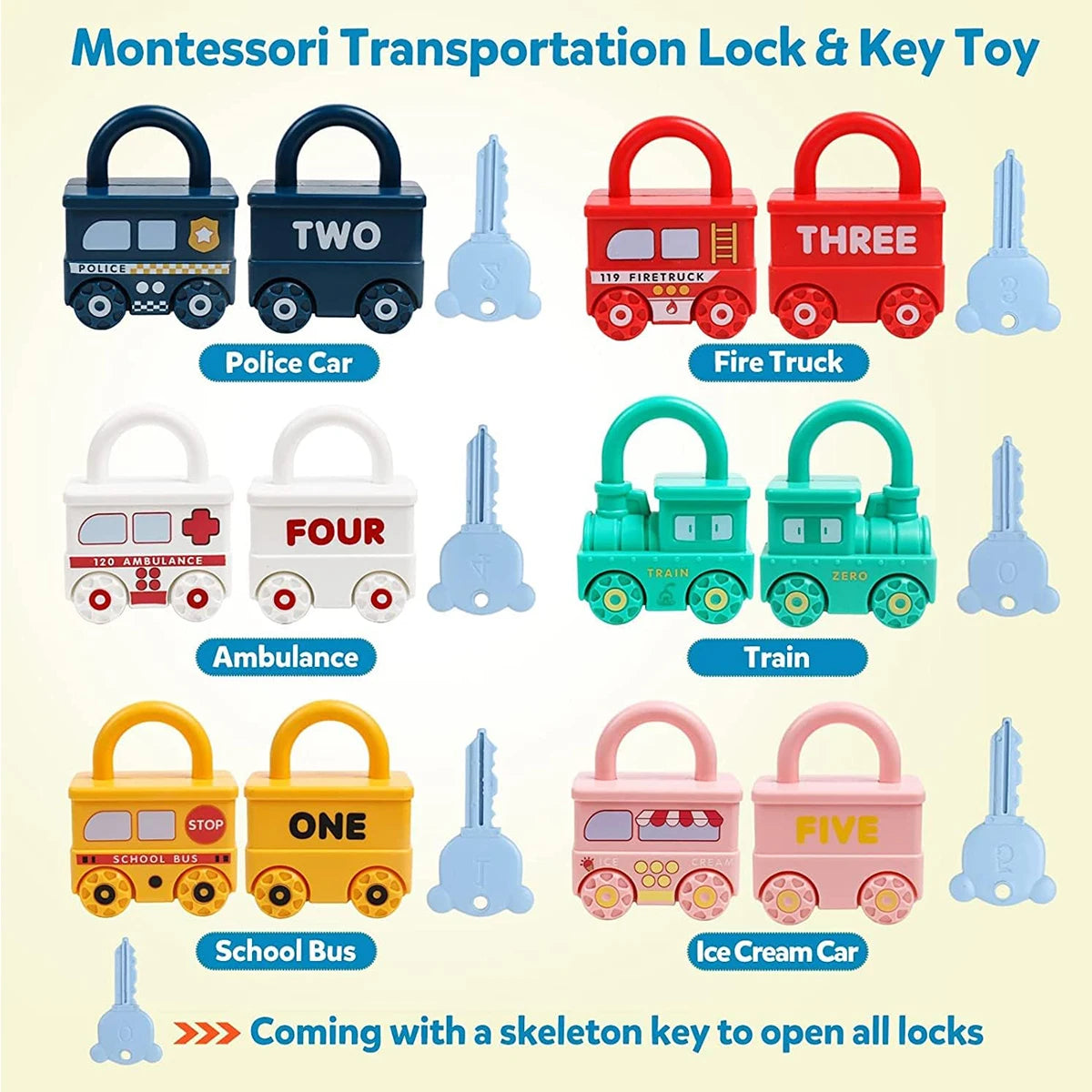
💡 See it in action - toy cars and trains / educational car and train lock toy, interactive play toys, children get bored educational toys, screen time replacing hands on play
How to choose the right set for your child
Choosing the right toy cars and trains doesn’t have to be overwhelming.
- Match age and skill level – Avoid toys that are too simple or too complex
- Look for interaction – Moving parts, locks, or tracks increase engagement
- Prioritize durability – Kids play hard, so quality matters
- Encourage hands-on play – Reduce screen time replacing hands on play naturally
Pairing these toys with resources from Baby Growth & Learning helps build a complete developmental environment at home.
Signs you picked the right toy
- Your child plays longer without help
- They return to the toy daily
- You notice improved focus and patience
- Less demand for screens
Real parent experiences and results
Parents consistently report noticeable changes after switching to more interactive play toys.
“My son used to switch toys every 5 minutes. With the lock train set, he plays for 30+ minutes straight.”
“We’ve cut screen time in half without arguments. It keeps her busy and learning.”
Many families also combine these toys with calming routines using products from Sleep & Comfort to create balanced daily schedules.
Before vs after using better toy sets
| Before | After |
|---|---|
| Short attention span | Longer independent play |
| Frequent boredom | Repeated engagement |
| High screen time | More hands-on play |
Common mistakes parents make
- Buying based on looks instead of function
- Choosing toys without interaction
- Ignoring developmental value
- Overloading kids with too many options
Simple, purposeful toys often outperform complex ones.
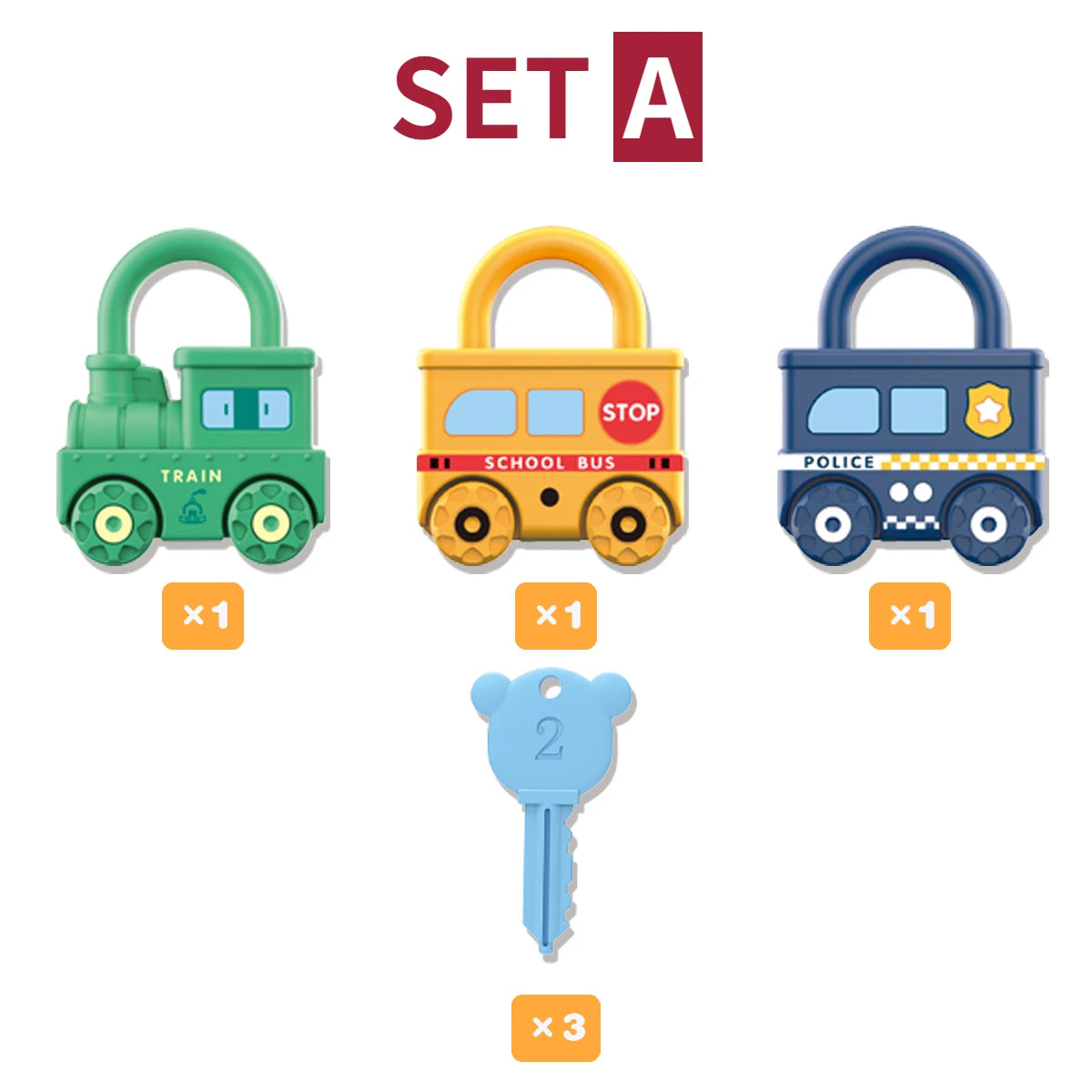
💡 See it in action - toy cars and trains / educational car and train lock toy, interactive play toys, children get bored educational toys, screen time replacing hands on play
Final thoughts: which toy cars and trains set is best?
If your goal is longer engagement, skill-building, and less screen dependence, interactive and problem-solving toys clearly stand out.
The educational car and train lock toy offers a balance of fun and learning that many traditional sets lack.
Shop the Montessori lock and key toy set
Frequently asked questions
What age are toy cars and trains suitable for?
Most toy cars and trains are suitable from 12 months and up, but interactive sets like lock toys work best for toddlers and preschoolers who can engage in problem-solving activities.
How do these toys reduce screen time?
They provide engaging, hands-on activities that naturally capture attention, reducing the need for digital entertainment without forcing restrictions.
Are educational car and train lock toys safe?
Yes, when made from child-safe materials and designed with smooth edges, they are safe and highly beneficial for developing motor and cognitive skills.
What makes a toy “educational”?
An educational toy encourages learning through play—such as improving coordination, logic, creativity, or focus—while still being enjoyable enough to hold a child’s attention.
Pillar Article: Best educational toys for preschool: Top picks compared 2026
Other Related Articles:
- Toy lock and key: best learning sets compared
- How to improve hand eye coordination: tools compared
- Learning toys for 7 year olds: top STEM picks compared
- Sensory play for one year olds: best kits compared
Explore More:





