

Hand Eye Coordination Activities for Preschoolers to Build Skills
What Are the Best Hand Eye Coordination Activities for Preschoolers?
Improving hand eye coordination preschool activities help young children connect what they see with how they move. Through simple, repeatable games like color sorting, stacking blocks, rolling balls, and transferring objects, preschoolers strengthen the visual and motor skills they need for everyday tasks. These playful experiences improve accuracy, concentration, independence, and confidence while laying the foundation for future learning.
Improving Hand Eye Coordination Preschool Activities Guide
If your child struggles to catch a ball, stack blocks, use a spoon neatly, or complete simple puzzles, you're not alone. Hand-eye coordination develops gradually throughout the preschool years, and every child progresses at their own pace. The encouraging news is that a few minutes of purposeful play each day can make a meaningful difference. With the right improving hand eye coordination preschool activities, you can help your child build stronger motor control, confidence, and school-ready skills—all through engaging, age-appropriate games at home.
⏱ 6 min read
Which simple activities give preschoolers the biggest boost in coordination and confidence? Keep reading to discover practical ideas that are easy to set up, fun to repeat, and designed to support healthy development.
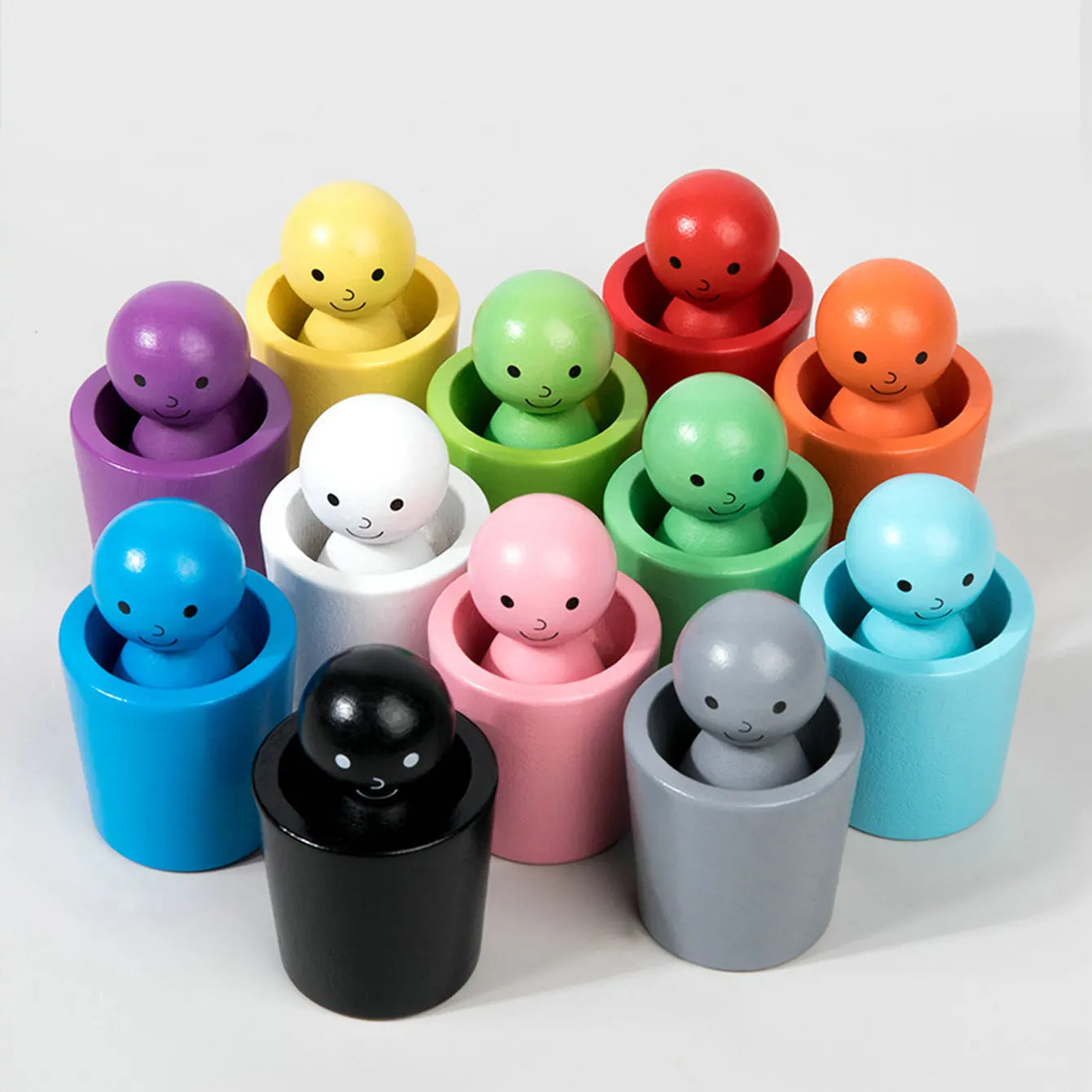
Improving hand eye coordination preschool activities with engaging play. See it in action.
Discover the safest toys for your child's development
Sensory Toys offer simple ways to boost coordination through hands-on learning.
Why Hand Eye Coordination Matters for Preschoolers
Hand-eye coordination is the ability to use visual information to guide hand and body movements accurately. It plays a vital role in nearly every preschool activity, from drawing pictures and stacking blocks to buttoning clothes, eating with utensils, and catching a ball. Strengthening these skills through regular play helps children become more confident, independent, and prepared for classroom learning.
Fine Motor Development
Many fine motor skills activities preschool programs focus on improving hand-eye coordination because it supports precise hand movements. As children practice grasping, sorting, threading, and stacking, they develop stronger finger control and better hand stability for everyday tasks.
- Improves pencil grip and early writing readiness
- Makes self-feeding and dressing easier
- Builds control for cutting, drawing, and coloring
- Encourages greater independence during daily routines
Gross Motor Development
Hand-eye coordination also supports larger body movements. Throwing, catching, kicking, climbing, and balancing all require children to coordinate what they see with how they move. Including preschool motor skills activities in daily play helps children gain body awareness, balance, and confidence during active play.
- Improves catching and throwing accuracy
- Supports balance and overall coordination
- Develops timing and movement planning
- Builds confidence in playground and sports activities
Cognitive and Visual Skills
Coordination activities strengthen more than muscles—they also support important thinking skills. As preschoolers match colors, complete puzzles, or place objects carefully, they practice visual tracking, concentration, problem-solving, and patience. These abilities contribute to stronger learning outcomes and smoother transitions into kindergarten.
- Strengthens visual tracking and attention
- Encourages focus and persistence
- Develops problem-solving through hands-on play
- Supports school readiness and lifelong learning
Consistent, enjoyable practice is more effective than long practice sessions. Just a few minutes of purposeful play each day can gradually improve coordination while keeping learning fun and stress-free.
Signs Your Child May Need Support
Every preschooler develops coordination at a different pace, so occasional clumsiness is usually a normal part of learning. However, if your child consistently struggles with activities that require their eyes and hands to work together, they may benefit from extra practice through structured play.
Watch for these common signs:
- Difficulty stacking blocks, sorting objects, or completing simple puzzles
- Avoiding building toys, arts and crafts, or activities that require precision
- Messy eating or trouble using spoons, forks, or child-safe scissors
- Frequently dropping objects or struggling to catch, roll, or throw a ball
- Becoming frustrated or giving up quickly during fine motor activities
These challenges do not automatically indicate a developmental concern. Many children simply need additional opportunities to practice. Consistent, enjoyable activities at home often help improve coordination, confidence, and independence over time. If coordination difficulties persist, worsen, or affect multiple daily activities, consider discussing your concerns with your child's pediatrician or an occupational therapist.
Best Improving Hand Eye Coordination Preschool Activities (Step-by-Step)
The most effective improving hand eye coordination preschool activities are easy to repeat, match your child's developmental level, and feel like play instead of practice. Short, engaging sessions encourage children to build visual tracking, precision, balance, and motor planning without becoming overwhelmed.
-
Color Sorting Game
Materials: Colored pom-poms, blocks, or buttons and matching bowls or containers.
How to play: Invite your child to place each object into the container with the matching color. Begin with two colors before adding more as confidence grows.
Skills developed: Visual discrimination, fine motor control, concentration, and decision-making. -
Stacking Challenge
Materials: Wooden blocks, stacking rings, or cups.
How to play: Encourage your child to build towers of different heights or copy a simple pattern you create.
Skills developed: Hand stability, precision, balance, and spatial awareness. -
Transfer Activity
Materials: Two bowls and small safe objects such as cotton balls, large beads, or pom-poms.
How to play: Move objects from one bowl to another using fingers, tongs, or a spoon to gradually increase the challenge.
Skills developed: Grip strength, bilateral coordination, and controlled hand movements. -
Rolling & Catching
Materials: A soft ball.
How to play: Begin by rolling the ball back and forth while sitting on the floor. As your child improves, progress to gentle underhand throws from a short distance.
Skills developed: Visual tracking, reaction time, timing, and gross motor coordination.
For most preschoolers, practicing these activities for 10–15 minutes a day is more effective than occasional long sessions. Rotate games throughout the week to maintain interest while giving children repeated opportunities to strengthen the same core skills.
Learn step-by-step how to choose the right tools for coordination
Explore Baby Growth & Learning for practical tools that support daily development.
Color sorting remains one of the most effective activities for strengthening visual discrimination, attention, and hand control because children receive immediate feedback as they match objects correctly. Repeating the activity with different colors, shapes, or sorting tools keeps it engaging while gradually increasing the challenge.
A structured learning tool such as the montessori color sorting toy for toddlers can make practice more consistent by providing age-appropriate pieces that encourage independent exploration and repeated success.
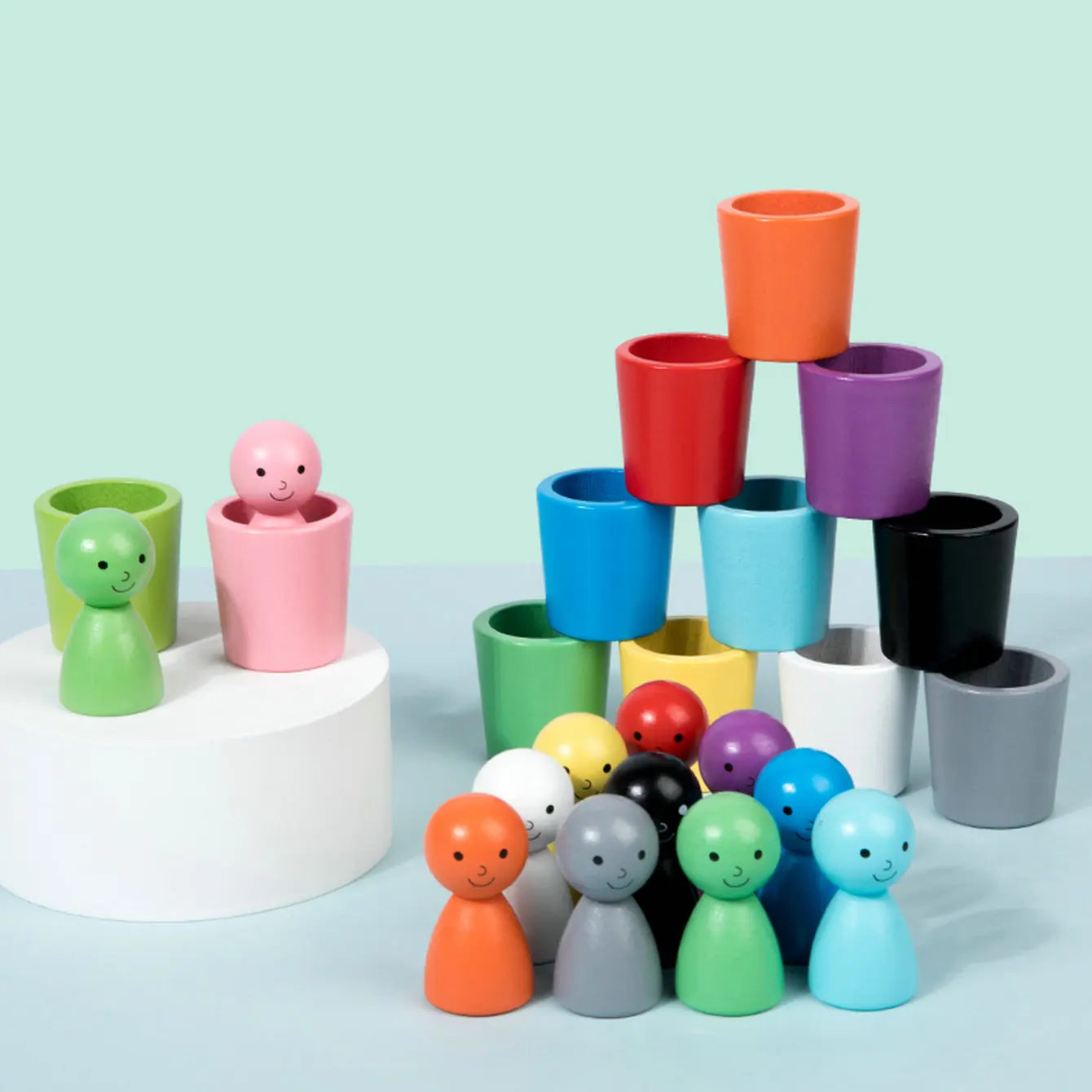
Creative learning games for 3 year olds using color sorting. See it in action.
Common Mistakes That Slow Progress
Consistent practice is important, but the way children practice matters just as much. Avoiding a few common mistakes can make improving hand eye coordination preschool activities more enjoyable and effective while helping children stay motivated.
Practice Frequency
Long practice sessions are rarely necessary. Preschoolers learn best through short, frequent activities that fit naturally into everyday routines.
| What to Avoid | Better Approach |
|---|---|
| Too many toys at once | Offer one activity at a time to maintain focus. |
| Long, infrequent practice sessions | Practice for 10–15 minutes most days of the week. |
| Passive screen time replacing active play | Prioritize hands-on games that require movement and problem-solving. |
| Switching activities too quickly | Allow enough repetition for children to build confidence. |
Choosing Inappropriate Activities
Select games that match your child's current abilities rather than their age alone. Activities that are too difficult may cause frustration, while tasks that are too easy provide little opportunity for improvement. Gradually increase the challenge by adding more pieces, introducing new movements, or reducing assistance as skills develop.
Overcorrecting
It can be tempting to fix mistakes immediately, but constant correction may reduce confidence and independence. Instead, demonstrate the task, offer gentle encouragement, and let your child experiment with different solutions. Learning through trial and error is an important part of developing coordination and problem-solving skills.
When choosing toys, look for materials that encourage active participation, open-ended play, and repeated practice rather than passive entertainment. Tools like the montessori color sorting toy for toddlers support skill development by providing structured yet engaging activities that children can enjoy independently.
How to Build a Daily Routine That Actually Works
The most successful coordination routines are simple enough to become part of everyday life. Preschoolers benefit more from regular, enjoyable practice than from occasional long sessions. Aim for 10–15 minutes of focused play each day while rotating activities to maintain interest.
Sample Daily Routine
- Morning: Spend 10 minutes sorting colors, stacking blocks, or matching objects to warm up fine motor skills.
- Afternoon: Play outdoors with rolling, catching, kicking, or tossing a soft ball to strengthen gross motor coordination.
- Evening: Finish with calm transfer activities using spoons, tongs, or small containers to encourage precision and concentration.
- Weekend: Combine several activities into a playful obstacle course or family game for variety and continued skill development.
Keeping activities brief helps prevent fatigue while allowing children to practice consistently. As coordination improves, gradually increase the difficulty by using smaller objects, adding simple challenges, or encouraging greater independence.
Pairing these routines with tools from Mobility & Training can further support balance, movement, and overall physical coordination through active play.
What Makes Some Toys More Effective Than Others?
Not every toy offers the same developmental value. Toys that encourage repeated problem-solving, active participation, and independent exploration generally provide greater opportunities for improving hand-eye coordination than toys focused primarily on passive entertainment.
| Feature | Basic Toys | Montessori-Based Toys |
|---|---|---|
| Primary Purpose | Mainly entertainment | Purposeful skill development through play |
| Engagement | Often short-lived | Encourages focused, repeatable practice |
| Learning Style | Limited opportunities for progression | Supports independent exploration and problem-solving |
| Motor Skill Development | Varies by toy | Designed to strengthen coordination and precision |
| Adaptability | May offer only one way to play | Can be used with increasing levels of difficulty |
When selecting toys, prioritize age-appropriate materials that encourage children to sort, stack, grasp, transfer, build, and manipulate objects repeatedly. Open-ended activities promote longer engagement and provide more opportunities to strengthen coordination over time.
The montessori color sorting toy for toddlers is a good example of a structured learning tool because it combines color recognition, fine motor practice, and independent problem-solving in one simple activity that can grow with a child's abilities.
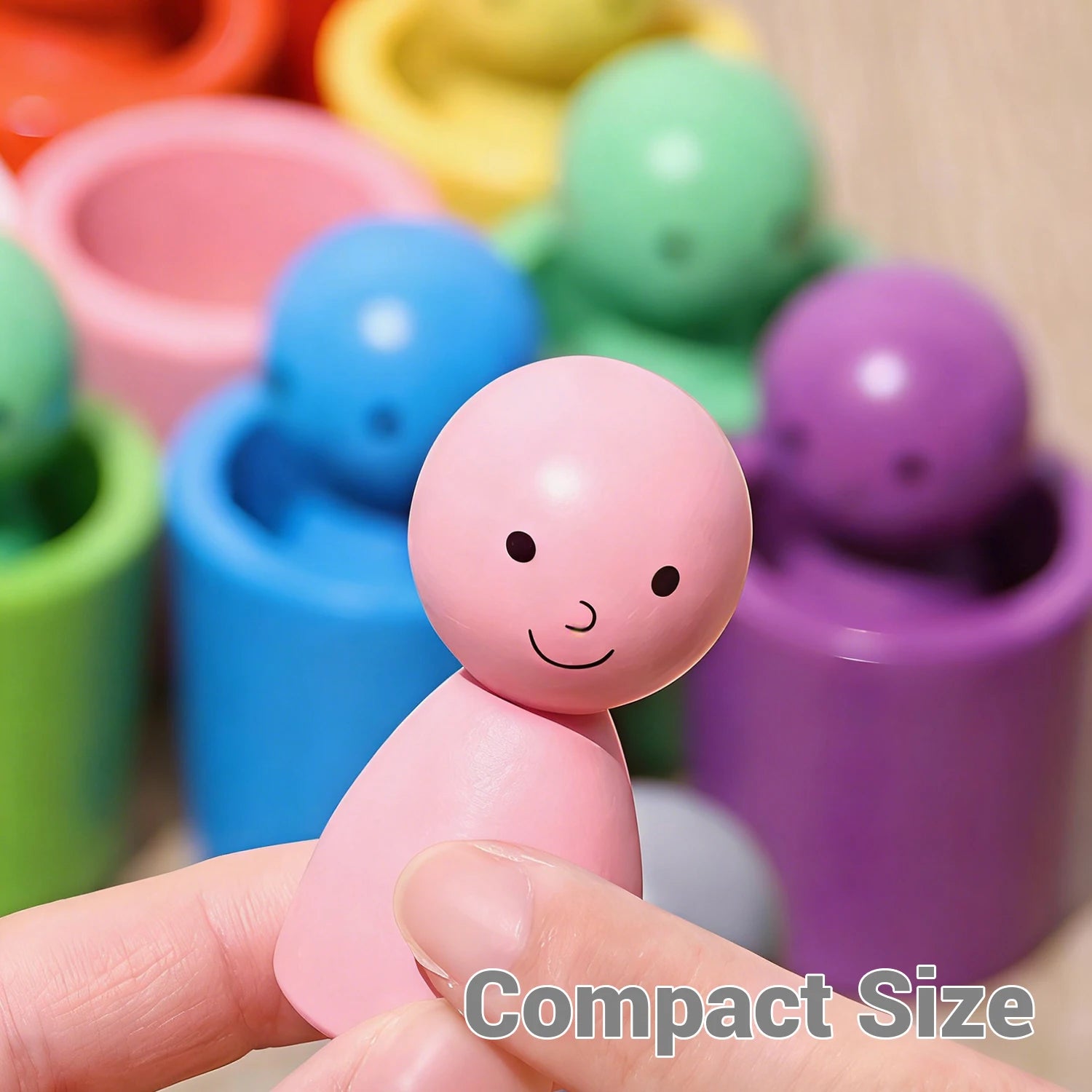
Difficulty improving hand eye coordination in kids can often be addressed through consistent, play-based routines. See it in action.
Support your child's learning through purposeful play
Explore the montessori color sorting toy for toddlers to encourage fine motor development, visual tracking, and independent learning at home.
FAQs
What age should children start coordination activities?
Most children can begin simple hand-eye coordination activities between ages 2 and 3 using large, safe objects. Start with easy tasks such as stacking blocks, rolling a soft ball, or sorting colors, then gradually increase the challenge as coordination improves.
How do I improve hand-eye coordination in children at home?
The best approach is to practice consistently through short, enjoyable play sessions. Activities such as stacking, threading, transferring objects with spoons or tongs, puzzles, drawing, and ball games all help improve visual tracking, fine motor control, and coordination.
What are the best indoor activities for hand-eye coordination?
Excellent indoor activities include color sorting, block building, peg boards, simple puzzles, threading beads, arts and crafts, transfer games, and play dough. These hands-on activities encourage children to coordinate vision with precise hand movements while remaining fun and engaging.
Which activities are best for 4-year-olds?
Four-year-olds often enjoy more challenging activities such as catching larger balls, cutting with child-safe scissors, building more complex block structures, completing beginner mazes, copying simple patterns, and following multi-step obstacle courses that combine both fine and gross motor skills.
How often should preschoolers practice coordination activities?
Aim for about 10 to 15 minutes of purposeful practice each day. Daily repetition is generally more beneficial than occasional long sessions because it reinforces motor learning while keeping children motivated and preventing frustration.
What toys help develop hand-eye coordination?
Open-ended toys that encourage sorting, stacking, building, threading, and problem-solving typically provide the greatest developmental benefits. A structured option like the montessori color sorting toy for toddlers supports repeated practice while promoting independent learning.
When should I talk to an occupational therapist?
Consider seeking professional advice if your child consistently struggles with everyday activities such as feeding, dressing, drawing, catching a ball, or manipulating simple objects compared with peers, or if coordination challenges interfere with learning, play, or independence. Early assessment can help identify whether additional support would be beneficial.
Pillar Article: Play Based Learning Activities: How to Start at Home
Other Related Articles:
- Activities to Teach Color Recognition Toddlers Fast
- Montessori Activities for Preschool at Home: Step-by-Step
- Toys to Improve Fine Motor Skills: 5 Easy Daily Routines
Explore More:





