

Color Recognition Activities for Toddlers That Build Skills
Color Recognition Activities for Toddlers: Fun Ways to Teach Colors Through Play
Color recognition activities for toddlers help young children build early vocabulary, observation skills, matching abilities, and visual discrimination through everyday play. Whether you're looking for simple games at home, hands-on learning ideas, or the best toys for teaching colors , this guide shares practical, age-appropriate activities that make learning enjoyable without overwhelming your child.
⏱ 8 min read
Most toddlers are naturally curious about the colorful world around them, but recognizing, matching, and naming colors develops gradually through repeated experiences—not memorization.
If you've ever wondered why your child can point to a red ball but can't yet say "red," you're not alone. Color learning is a developmental process that combines language, observation, and hands-on exploration.
Here's what parents should know: the most effective color recognition activities encourage children to sort, match, compare, and talk about colors during everyday play instead of relying on flashcards alone.
Explore thoughtfully designed options inside Baby Growth & Learning
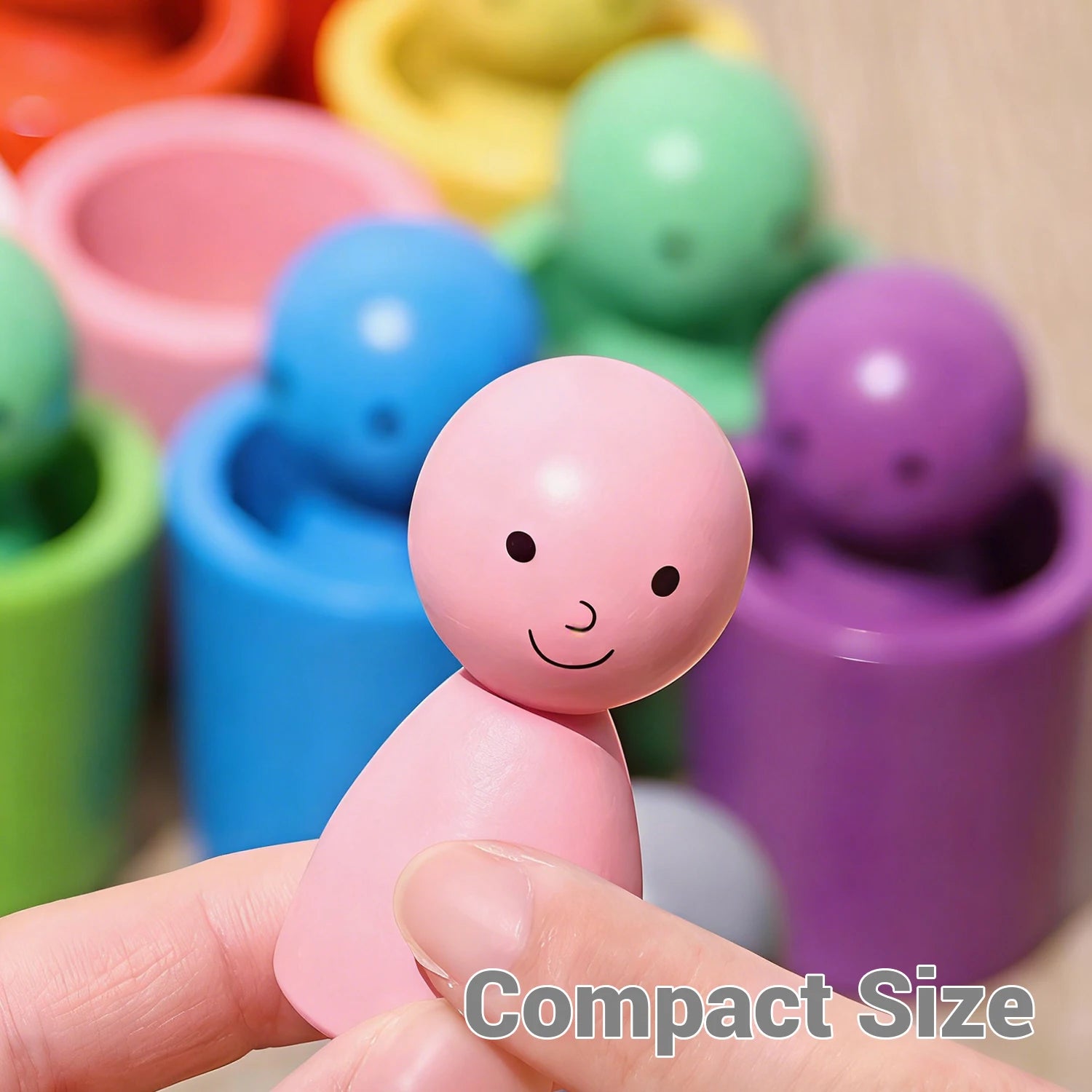
Hands-on color sorting activities help toddlers recognize, match, and name colors through play.
What Are Color Recognition Activities for Toddlers?
Color recognition activities for toddlers are simple play experiences that help children notice, match, sort, and eventually name different colors. These activities build much more than color vocabulary—they also strengthen attention, memory, language development, and early problem-solving skills.
It's important to remember that recognizing a color comes before naming it . Many toddlers can correctly match two objects of the same color long before they consistently say the color's name.
Teaching colors through play works best because children learn naturally while exploring objects they enjoy. Everyday items such as blocks, cups, crayons, clothing, and toy animals become valuable learning tools when parents casually talk about their colors during play.
One excellent example is the Montessori Color Sorting Toy (Wooden) , which encourages children to sort colorful pieces into matching bowls while practicing visual discrimination, hand-eye coordination, and early vocabulary in a single activity.
When Do Toddlers Learn to Recognize Colors?
Children develop color recognition at different rates, but most toddlers begin noticing color differences well before they can consistently name them. Regular exposure through play, conversation, books, and everyday routines helps build these skills naturally.
Typical Color Recognition Milestones
| Age | Typical Development |
|---|---|
| 12–18 months | Notices color differences and enjoys colorful objects. |
| 18–24 months | Begins matching identical colors with guidance. |
| 2–3 years | Starts naming common colors such as red, blue, yellow, and green with increasing accuracy. |
| 3–4 years | Recognizes and names most basic colors consistently during everyday activities. |
Signs Your Child Is Ready
Your toddler may be ready for more structured color recognition activities if they:
- Sort objects with similar characteristics.
- Match identical colored toys or blocks.
- Show interest when adults name colors.
- Follow simple directions such as "Find the blue cup."
- Enjoy puzzles, sorting games, or building activities.
When to Seek Extra Support
Every child develops differently, so occasional confusion between colors is completely normal. If your toddler has difficulty recognizing colors alongside broader concerns about language, vision, or overall development, discuss your observations with your pediatrician or an early childhood specialist. In many cases, additional practice through playful activities is all that's needed.
How to Teach Colors to Toddlers Step by Step
Teaching colors is most successful when children focus on one or two colors at a time and practice them repeatedly in everyday situations.
Start with Primary Colors
Begin with highly recognizable colors such as red, blue, and yellow. Using fewer colors initially helps toddlers build confidence before introducing additional shades.
Point out colors during meals, bath time, walks, story time, and play. Short, consistent conversations like "Let's find the green apple" or "Can you hand me the blue block?" reinforce learning naturally.
Expand to Sorting and Naming
Once your child can match colors reliably, encourage them to name each color while sorting objects. Activities that combine matching, sorting, and speaking strengthen both vocabulary and visual discrimination.
Browse curated picks in Sensory Toys
Real-life benefits parents notice fast
Parents who upgrade their reading setup often notice immediate improvements:
- Kids stay engaged longer with fewer distractions
- Bedtime routines become smoother and calmer
- Less resistance when encouraging reading habits
- More bonding time through shared stories
“My child used to lose interest quickly, but adding fun bookmarks changed everything.” — Parent review
Combining comfort with engaging tools creates a positive reading experience that sticks.
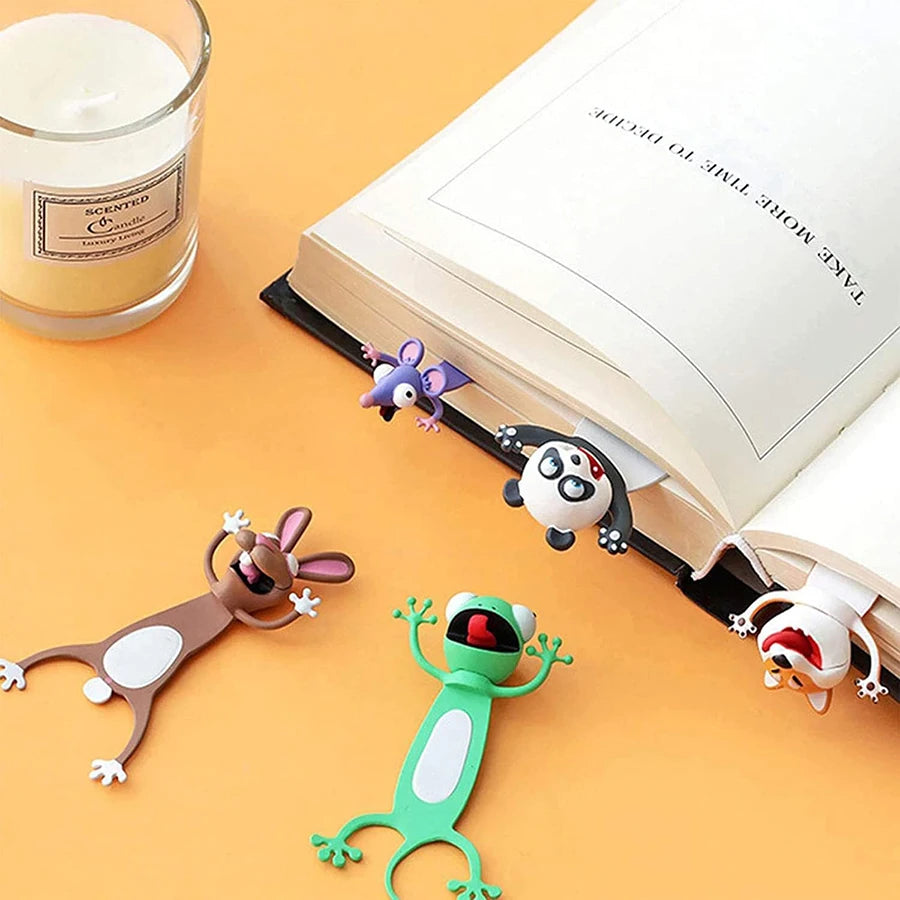
Best reading accessories for young learners include lightweight portable bookmarks for travel reading See it in action
Ready to upgrade your reading comfort tonight?
FAQs
What are the most important accessories for reading in bed?
The most essential accessories for reading in bed include a supportive pillow, soft lighting, and a reliable bookmark. These basics improve comfort, reduce strain, and help maintain focus during reading sessions.
How can I make study time more enjoyable at night?
Create a cozy environment with proper lighting, comfortable support, and engaging tools like fun bookmarks. Small changes can make study time feel relaxing instead of stressful.
Are bookmarks really important for kids?
Yes, bookmarks are simple tools to help kids love books. They make reading easier, prevent frustration, and add a playful element that encourages consistent reading habits.
Pillar Article: Reading Bookmarks for Comprehension: How to Use Them
Other Related Articles:
- Fun Ways to Study: How to Keep Kids Engaged Daily
- Bookmark Reading Log: How to Track Progress Easily
- Cute Bookmarks to Make: 5 Easy DIY Ideas for Kids
Explore More:
- Portable Reading Devices: Key Features That Improve Focus
- Best Accessories to Motivate Kids Reading: Tested Results
Toddler Color Learning Games That Build Confidence
Short, interactive games encourage toddlers to practice color recognition without making learning feel like a lesson. Aim for five to ten minutes of play at a time, and celebrate effort rather than perfect answers.
Memory Matching
Place pairs of colored cards or blocks face down and let your child turn over two at a time to find matching colors. For younger toddlers, begin with just two or three color pairs.
Color Dice Games
Use a color die or create one with colored stickers. Roll the die and ask your toddler to find an object nearby that matches the color shown. This game encourages quick color recall and observation.
Bean Bag Toss
Set up colored buckets or hoops and ask your child to toss bean bags into the matching color. The activity combines movement, listening skills, and color recognition while keeping children engaged.
Simple Board Games
Many preschool board games use colored spaces instead of numbers. Moving pieces according to colors helps toddlers recognize colors while practicing turn-taking and following simple rules.
Montessori-Inspired Ways to Teach Colors Through Play
Montessori-inspired activities focus on hands-on exploration, real-world materials, and allowing children to learn at their own pace. These simple experiences encourage independent discovery while reinforcing color recognition.
Object Matching
Gather everyday objects in a few basic colors and invite your child to match them with colored cards, bowls, or trays. Limiting the number of colors helps maintain focus and reduces frustration.
Practical Life Activities
Encourage children to sort laundry by color, organize crayons into matching containers, or group fruits and vegetables by color during meal preparation. These real-life experiences reinforce learning naturally throughout the day.
Color Tablets
Montessori color tablets or similar color cards help toddlers compare, match, and eventually identify different shades. Begin with primary colors before introducing secondary colors and more subtle variations.
Best Toys for Teaching Colors
The best toys for teaching colors encourage active participation rather than passive entertainment. Look for open-ended toys that children can use repeatedly in different ways as their skills grow.
- Color sorting toys – Help children match, classify, and name colors while developing visual discrimination.
- Stacking toys – Reinforce color vocabulary while encouraging sequencing and problem-solving.
- Color puzzles – Build matching skills alongside shape recognition and concentration.
- Building blocks – Encourage creative play while practicing color identification during construction activities.
The Montessori Color Sorting Toy (Wooden) is especially suitable for toddlers because it combines color matching, sorting, and independent play in a simple, reusable activity that grows with your child's developing skills.
Explore more ideas inside Baby Growth & Learning to discover additional age-appropriate activities and educational play resources.
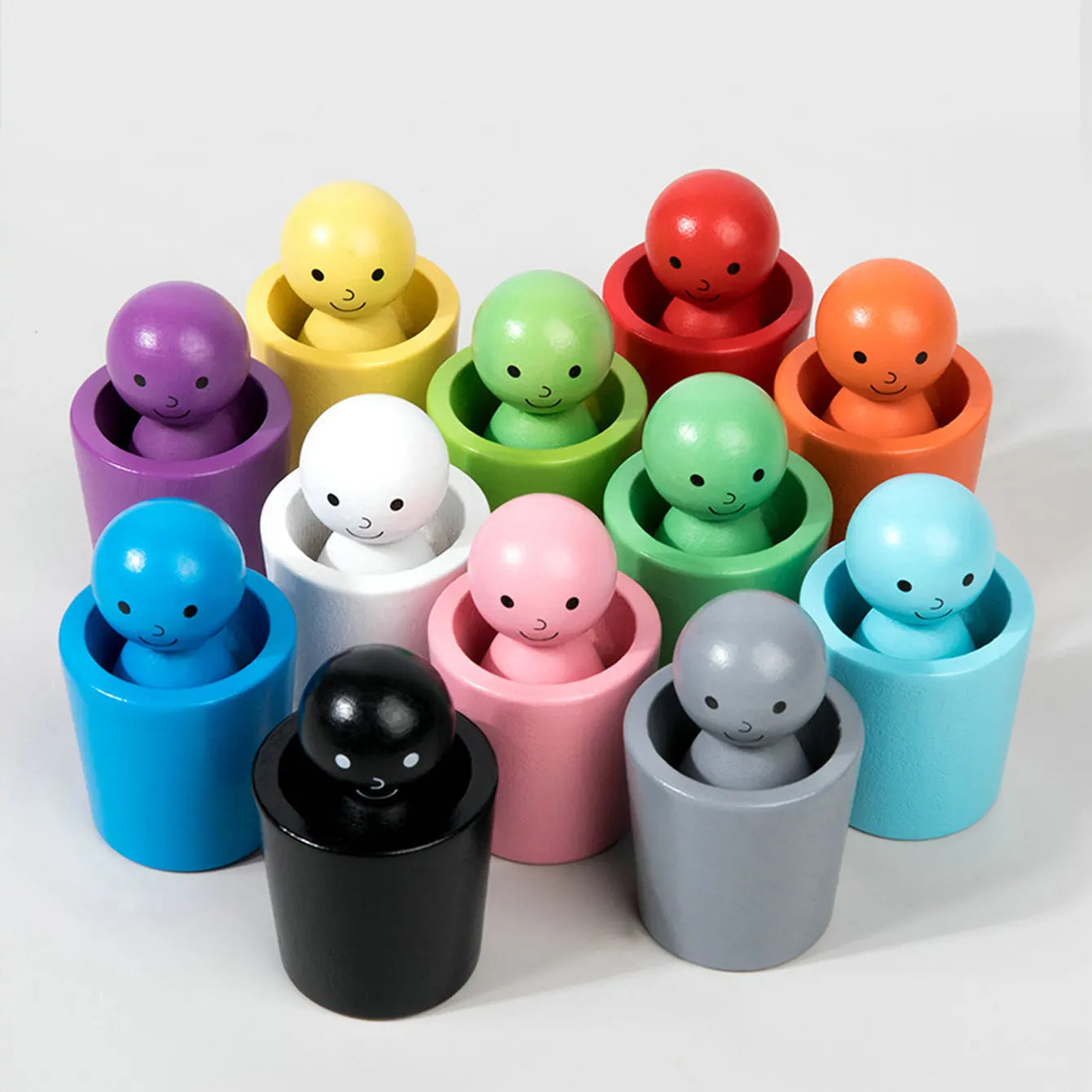
Hands-on color sorting toys help toddlers practice matching, naming, and recognizing colors through everyday play.
Explore the Montessori Color Sorting Toy (Wooden) to encourage matching, sorting, and early color recognition at home.
FAQs About Color Recognition Activities for Toddlers
What are the best color recognition activities for toddlers?
Some of the most effective activities include color sorting games, matching household objects, sticker color hunts, building block challenges, nature scavenger hunts, finger painting, and sensory bins. These hands-on experiences help toddlers recognize, compare, and name colors through repeated play.
How do you teach colors to a 2-year-old?
Start with two or three basic colors and introduce them naturally during daily routines. Encourage your child to match, sort, and point to colors before expecting them to name each one. Keeping activities short, playful, and consistent helps build confidence without creating pressure.
Why is my toddler not recognizing colors yet?
Color recognition develops at different rates. Many toddlers can match colors before they can say the correct color names. Regular exposure through books, toys, conversations, and everyday play is usually more effective than formal lessons. If color recognition concerns occur alongside broader developmental delays, consult your pediatrician for personalized guidance.
What are normal color recognition milestones for toddlers?
Most children begin noticing differences between colors during the second year of life, start matching colors between 18 and 24 months, and gradually name common colors between ages 2 and 3. By preschool age, many children can reliably recognize and identify most basic colors, although individual development varies.
Can preschool color activities be adapted for younger toddlers?
Yes. Simplify activities by using fewer colors, larger objects, and shorter play sessions. Matching identical colors is often easier than naming them, making it an ideal starting point for children under three years old.
What toys help toddlers learn colors the fastest?
Toys that encourage active matching and sorting generally provide the most opportunities for color learning. Shape sorters, stacking toys, color puzzles, building blocks, and the Montessori Color Sorting Toy (Wooden) all support repeated practice while keeping children engaged through hands-on play.
Pillar Article: Play Based Learning Activities: How to Start at Home
Other Related Articles:
- Improving Hand Eye Coordination Preschool Activities Guide
- Montessori Activities for Preschool at Home: Step-by-Step
- Toys to Improve Fine Motor Skills: 5 Easy Daily Routines
- Fine Motor Skill Activities
- Role Play Ideas for Preschoolers
- Educational Toys for 3-Year-Olds
Explore More:





