

Best Toys for Working on Fine Motor Skills by Skill Type
What Are the Best Toys for Working on Fine Motor Skills?
Toys to improve fine motor skills work best when they target specific hand movements—not just general play. Fine motor development involves grasping, pinching, coordinating both hands, and using tools with control. The most effective toys are those that repeatedly train one of these actions.
For example:
- Pinching small objects builds finger strength (pincer grasp)
- Stacking improves hand stability and control
- Threading develops coordination between both hands
- Drawing tools train precision and grip
Instead of asking “which toy is best,” a better question is: which skill does my child need to practice? The right toy depends on the movement it encourages.
Toys to Improve Fine Motor Skills: 5 Easy Daily Routines
Play based learning activities can transform everyday moments into powerful learning experiences for your child. From simple examples of play based learning to creative ideas on how to teach colors through play, these strategies make education feel effortless and fun. You’ll also discover practical ways to increase focus in young children without pressure or frustration.
⏱ 5 min read
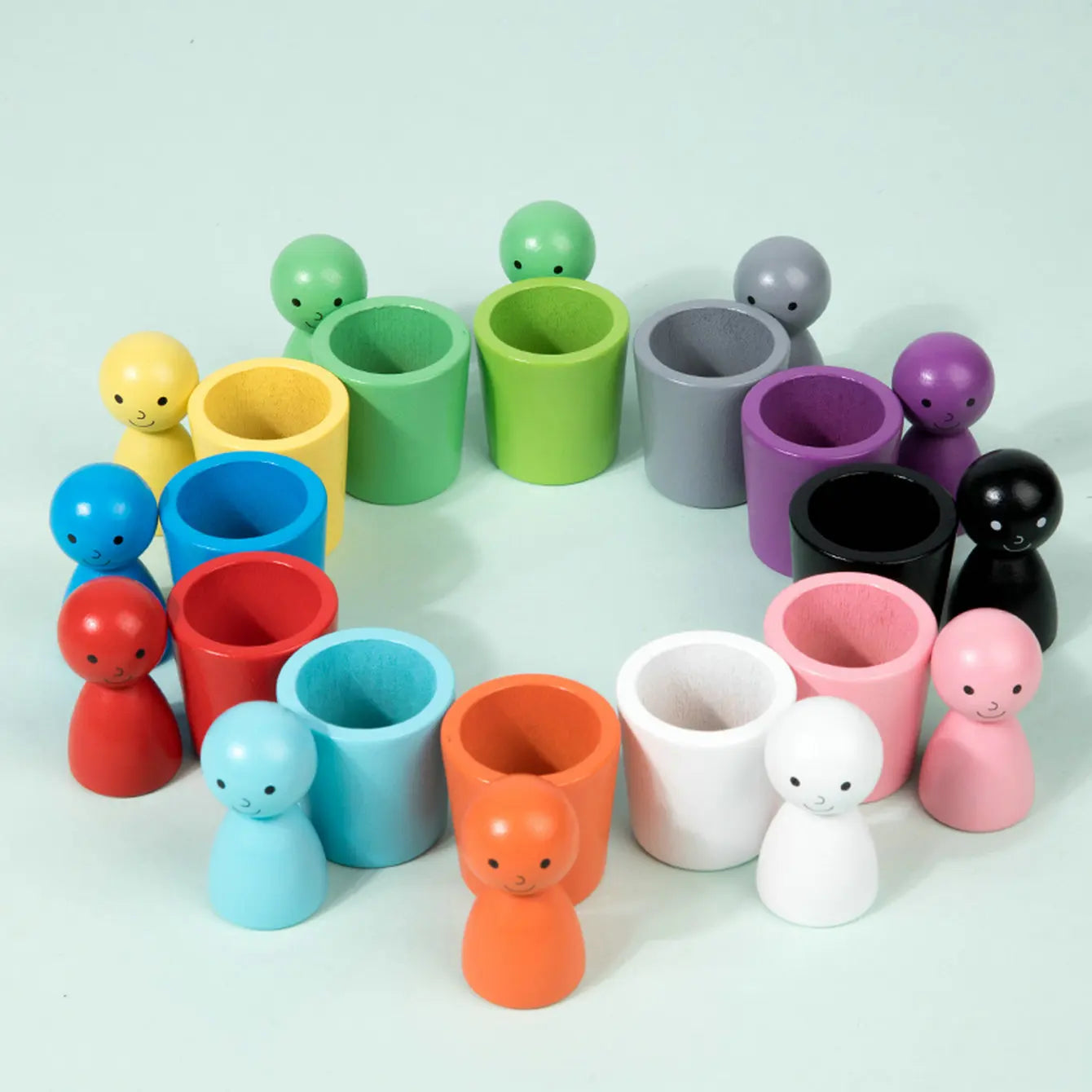
Toys to improve fine motor skills through play based learning activities
Best Fine Motor Toys by Skill
Best Toys for Pincer Grasp and Finger Strength
These toys train the thumb-and-index finger movement needed for writing and feeding.
- Color sorting toys
- Bead picking or tweezers games
- Small object transfer activities
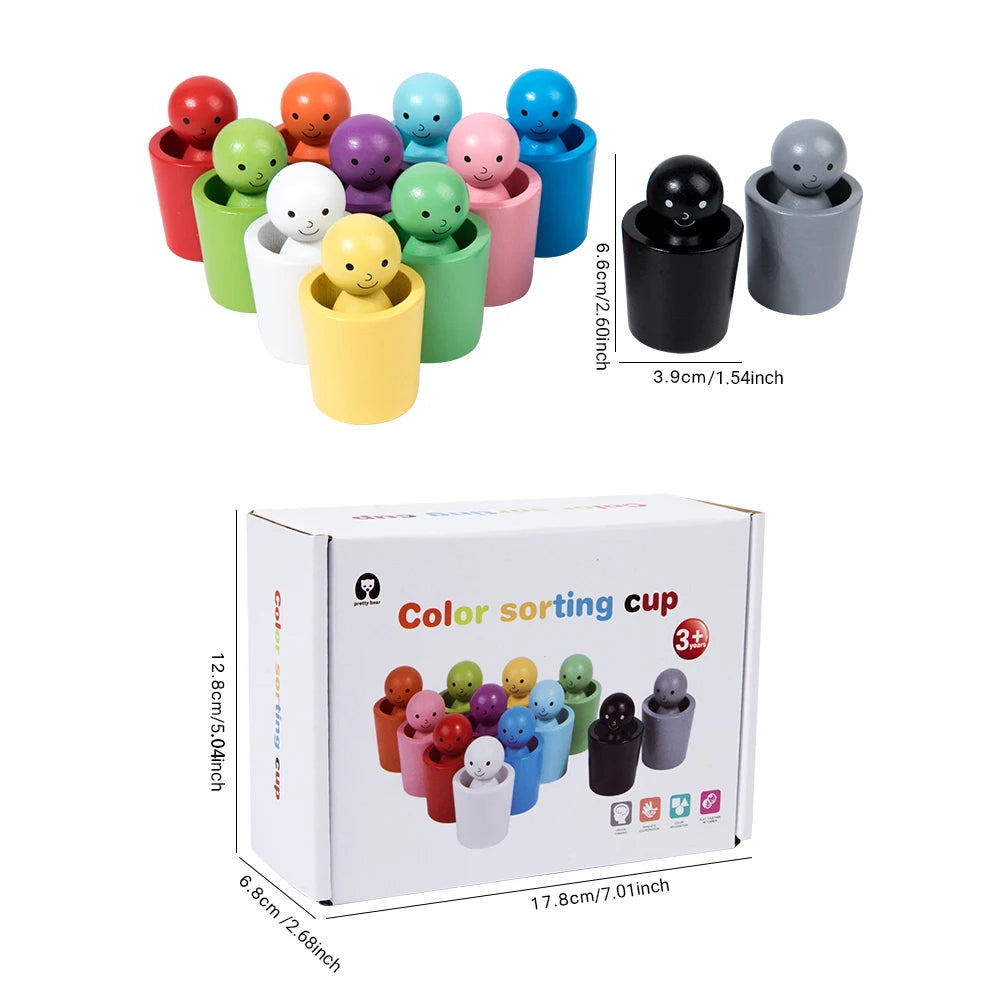
Try this: Montessori Color Sorting Toy Wooden helps children practice precise pinching and placement.
Best Toys for Hand-Eye Coordination and Precision
These activities require placing objects accurately in space.
- Peg boards
- Shape sorters
- Puzzle boards
Best Toys for Threading, Lacing, and Bilateral Coordination
These toys train both hands to work together.
- Bead threading sets
- Lacing cards
- Stringing activities
Best Toys for Sorting, Stacking, and Grasp Control
These improve stability and controlled movement.
- Stacking blocks
- Balancing toys
- Sorting trays
Best Toys for Drawing, Cutting, and Tool Use
These prepare children for school-based skills.
- Crayons and markers
- Child-safe scissors
- Tracing boards
Quick Comparison: Best Toys for Fine Motor Skills
| Toy Type | Skill Focus | Best Age | Use Case |
|---|---|---|---|
| Color sorting | Pincer grasp | 2–4 yrs | Early coordination |
| Peg boards | Precision | 3–5 yrs | Hand-eye control |
| Threading beads | Bilateral coordination | 3–6 yrs | Two-hand coordination |
| Stacking blocks | Stability | 2–5 yrs | Balance + control |
| Drawing tools | Tool use | 3+ yrs | Pre-writing skills |
How to Choose Fine Motor Toys by Age
Best Fine Motor Toys for Toddlers
- Large sorting toys
- Simple stacking blocks
- Chunky puzzles
Best Fine Motor Toys for Preschoolers
- Threading beads
- Peg boards
- Drawing and cutting tools
When to Increase Toy Difficulty
If your child completes tasks easily, introduce:
- Smaller pieces
- More complex patterns
- Timed or challenge-based play
How to Use Fine Motor Toys for Better Skill Practice
Turn Sorting and Stacking Into Challenges
- Sort by color or size
- Build towers with limits
Practice Pinching and Grasping
- Pick up one item at a time
- Use tweezers for added challenge
Add Threading and Tool Activities
- String beads in patterns
- Trace shapes before drawing freely
Short, repeated sessions (5–10 minutes) are more effective than long practice.
Why Fine Motor Skills Matter for Everyday Activities
Fine motor skills support daily independence and learning.
- ✍️ Writing and drawing
- 🍴 Self-feeding
- 👕 Dressing (buttons, zippers)
- 🧩 Classroom tasks
Strong hands and coordinated movements make everyday tasks easier and more confident.
Daily play routines improve toddler coordination
Fine Motor Toy Safety and Supervision
- Check age recommendations
- Supervise small parts
- Inspect for damage regularly
- Choose size-appropriate pieces
FAQs
What toys help fine motor development?
Toys that require grasping, pinching, placing, or tool use—such as sorting toys, peg boards, and threading sets—are most effective.
What are the best toys for fine motor skills in toddlers?
Simple sorting toys, stacking blocks, and large puzzles are ideal because they match early developmental abilities.
How can I improve my toddler's fine motor skills at home?
Use short daily routines like sorting, stacking, and picking up small objects. Consistency matters more than duration.
Are Montessori toys good for fine motor skills?
Yes. Montessori toys focus on hands-on, purposeful actions, making them highly effective for building coordination and control.
Pillar Article: Play Based Learning Activities: How to Start at Home





