

Number recognition games for preschoolers: Top games compared
What are the best number recognition games for preschoolers?
Number recognition games for preschoolers help children quickly identify numbers, build confidence, and stay engaged through play. The most effective options combine hands-on interaction, visual cues, and repetition, making early arithmetic learning games for kids enjoyable while reducing frustration when children lose interest in early math learning.
Number recognition games for preschoolers: Top games compared
⏱ 8 min read — Struggling when your child avoids counting or loses focus during simple math activities? You’re not alone. Many parents face the same frustration when children lose interest in early math learning. The right number recognition games for preschoolers can turn resistance into excitement, helping kids build strong foundations while actually having fun.
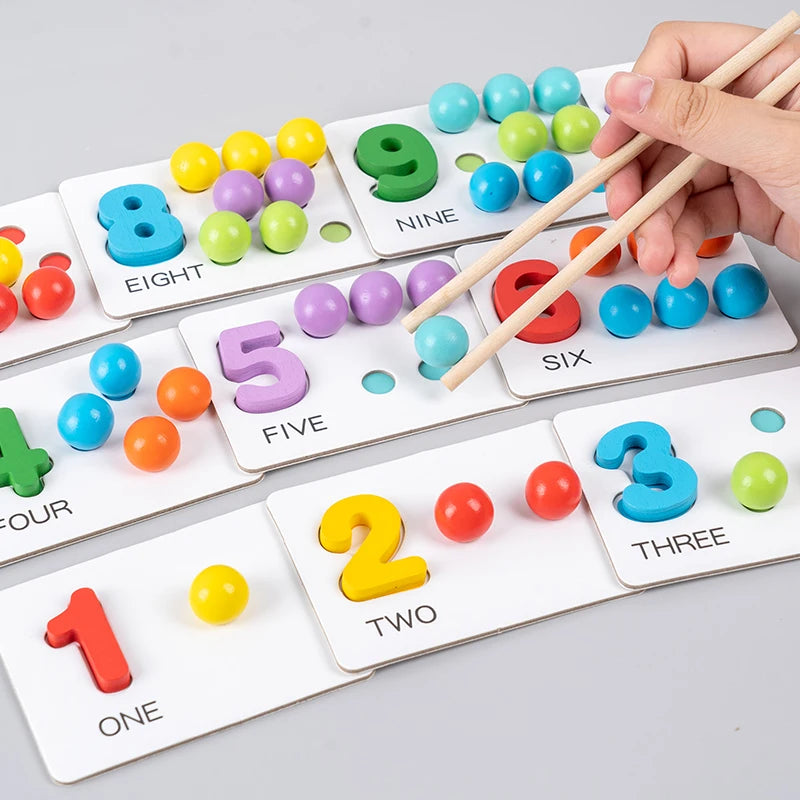
💡 See it in action - number recognition games for preschoolers / children lose interest in early math learning, early arithmetic learning games for kids, interactive math learning tools for parents, step by step preschool math teaching guide
Why children lose interest in early math learning
It often starts with boredom or confusion. Preschoolers need movement, color, and interaction—not worksheets.
When learning feels repetitive or too difficult, kids disengage quickly. That’s why early arithmetic learning games for kids are essential.
- ❌ Too much repetition without variation
- ❌ Lack of visual or hands-on elements
- ❌ Pressure to “get it right” too early
- ❌ Activities not matched to developmental stage
Which approach keeps your child engaged longer? Read on!
What makes a number recognition game effective?
Not all games are equal. The best ones combine learning with play in a way that feels natural.
- ✅ Hands-on interaction (touch, move, build)
- ✅ Bright visuals and simple patterns
- ✅ Gradual difficulty progression
- ✅ Encouragement through success
Many parents explore tools from Baby Growth & Learning to find engaging, development-friendly options.
Top number recognition games compared
Quick comparison of popular options
| Game Type | Best For | Pros | Cons |
|---|---|---|---|
| Wooden number puzzles | Hands-on learners | Durable, tactile, improves motor skills | Limited variety |
| Flashcards | Quick recognition practice | Portable, simple | Can become repetitive |
| Interactive apps | Tech-friendly kids | Engaging animations | Screen time concerns |
| Counting games with objects | Real-world learning | Relatable, practical | Needs supervision |
Why hands-on tools often win
Physical interaction helps children connect numbers with real objects, making learning stick faster.
- Improves memory retention
- Encourages independent play
- Builds confidence through repetition
Explore tools like children math teaching aids montessori wooden set for a balanced learning experience.
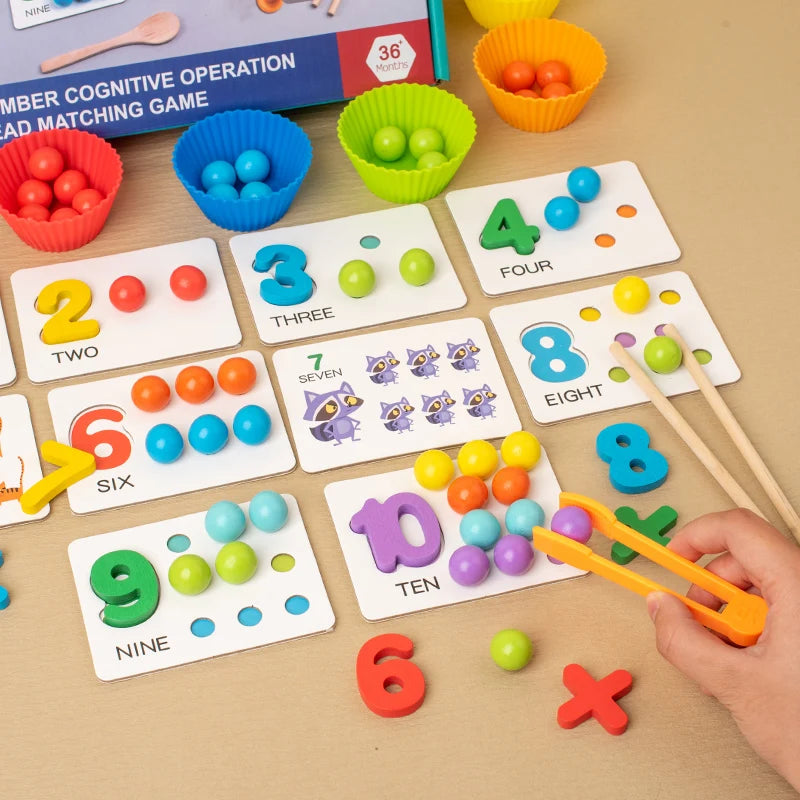
💡 See it in action - number recognition games for preschoolers / children lose interest in early math learning, early arithmetic learning games for kids, interactive math learning tools for parents, step by step preschool math teaching guide
How to choose the right game for your child
Every child learns differently. Choosing the right game depends on their personality and stage.
Consider your child’s learning style
- Visual learners: bright, colorful number boards
- Kinesthetic learners: stacking, sorting, building
- Auditory learners: counting songs and rhymes
Match difficulty to skill level
Start simple. Too much challenge leads to frustration, while too little leads to boredom.
Look for multi-use tools
Versatile tools grow with your child, making them a better long-term investment.
Parents often combine learning tools with items from Sensory Toys to enhance engagement.
Step by step preschool math teaching guide
- Start with number exposure (songs, visuals)
- Introduce hands-on counting activities
- Use games to reinforce recognition
- Encourage daily practice through play
- Celebrate small wins to build confidence
This simple routine prevents overwhelm and keeps learning consistent.
Interactive math learning tools for parents
Modern tools make teaching easier, especially for busy parents juggling routines.
- Portable number boards for travel
- Stacking toys for counting practice
- Montessori-style kits for structured play
- Multi-sensory tools for deeper engagement
Combining these with everyday routines creates a natural learning environment.
Browse curated solutions in Baby Growth & Learning to simplify your setup.
Real parent feedback
“My 4-year-old went from avoiding numbers to asking for math games daily. The hands-on approach made all the difference.”
“We tried apps, but physical tools worked better. Less distraction, more focus.”
FAQs
What age should kids start number recognition?
Most children begin recognizing numbers between ages 2 and 4 through play-based exposure.
How long should math play sessions be?
Keep sessions short—10 to 15 minutes—to maintain attention and avoid burnout.
Are digital apps effective?
They can help, but combining them with physical tools often delivers better results.
What if my child refuses to participate?
Switch to a different game style or incorporate numbers into daily activities like counting toys or snacks.
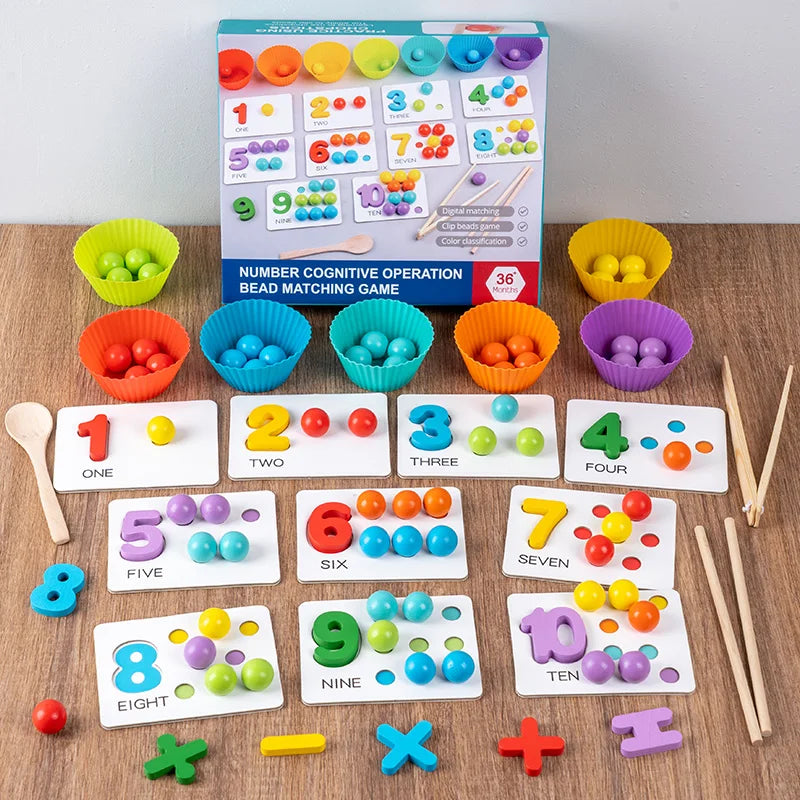
💡 See it in action - number recognition games for preschoolers / children lose interest in early math learning, early arithmetic learning games for kids, interactive math learning tools for parents, step by step preschool math teaching guide
Pillar Article: Best preschool educational toys: Top picks & comparisons 2026
Other Related Articles:
- Preschool math manipulatives: Best sets compared for learning
- Benefits of hands on learning: What works better for kids?
- Advantages of Montessori education vs traditional preschool methods
- Educational toys for 4 year olds: Which works best?
Explore More:





