

Why does my newborn have so much gas?
Why does my newborn have so much gas often comes down to swallowed air during feeding. Fast milk flow, poor latch, or bottle designs without proper venting can trap air in a baby’s tummy. Choosing colic free bottles and a medium flow bottle nipple can slow feeds, reduce air intake, and ease newborn gas after every feeding.
Why Does My Newborn Have So Much Gas? Bottles That Help
⏱ 7 min read
Why does my newborn have so much gas is one of the most common questions new parents ask during sleepless nights. When newborn gas after every feeding seems constant, it’s easy to worry something is wrong. In many cases, the cause isn’t your baby at all—it’s how air enters the bottle during feeds. The right bottle design and nipple flow can make feeding calmer, gentler, and far more comfortable.
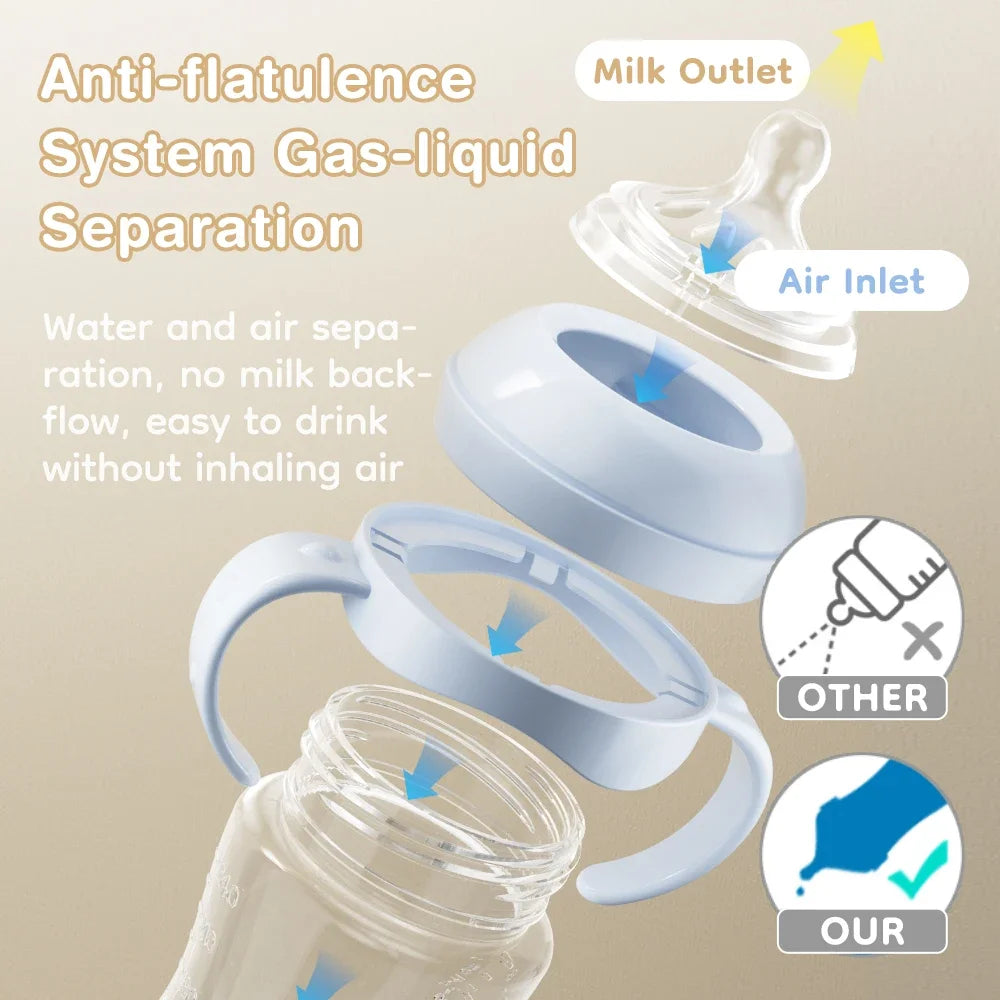
Colic free bottles can reduce newborn gas after every feeding 💡 See it in action
Why newborn gas happens so often
Why does my newborn have so much gas during the first weeks of life? Newborn digestive systems are still developing, and even small amounts of swallowed air can cause pressure, fussiness, and interrupted sleep. Feeding position, bottle angle, and nipple speed all influence how much air ends up in your baby’s tummy.
Common contributors include:
- Fast milk flow that overwhelms a newborn’s suck-swallow rhythm
- Bottles that pull air bubbles into the milk
- Frequent pauses during feeding that increase gulping
- Immature digestion that struggles to move trapped air
How bottle design affects air intake
Why does my newborn have so much gas even when feeds seem short and calm? Bottle structure plays a larger role than many parents expect. Traditional bottles allow air to mix directly with milk, increasing the amount swallowed with every sip.
Colic free bottles are designed to:
- Separate air from milk before it reaches the nipple
- Maintain steady pressure inside the bottle
- Reduce bubble formation during feeding
- Create a smoother, more controlled flow
Many parents exploring options within Feeding & Nursing notice that switching bottle design alone can noticeably reduce newborn gas after every feeding.
Comparing bottle options for gassy babies
| Bottle Type | Air Control | Feeding Pace | Best For |
|---|---|---|---|
| Standard bottle | Low | Fast, inconsistent | Babies without gas issues |
| Vented bottle | Moderate | More stable | Mild feeding gas issues |
| Colic free bottle | High | Slow and controlled | Newborn gas after every feeding |
Parents browsing Feeding Tools often find that bottles with internal venting systems offer the most noticeable relief.
Why medium flow bottle nipples matter
Why does my newborn have so much gas even with an anti colic bottle? Nipple flow speed is just as important as bottle design. A medium flow bottle nipple can help regulate how quickly milk enters your baby’s mouth, reducing gulping and air intake.
Benefits of a medium flow bottle nipple include:
- Better pacing for developing suck-swallow coordination
- Less choking or pulling away during feeds
- Reduced air swallowing
- More relaxed feeding sessions
When paired with colic free bottles, the right nipple flow often leads to longer stretches of comfort and sleep.
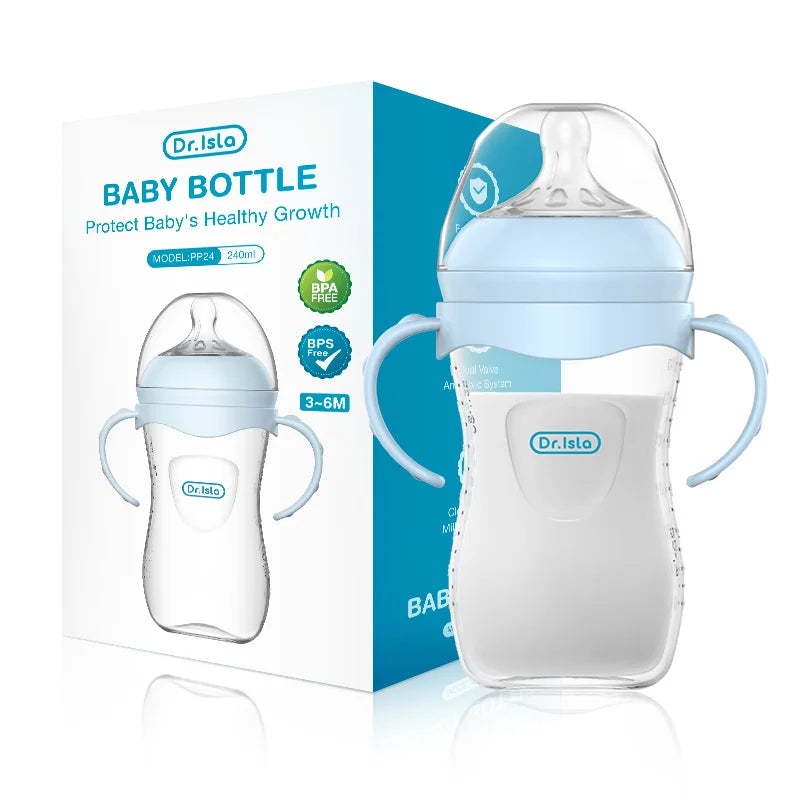
Medium flow bottle nipple options can ease feeding gas issues 💡 See it in action
Real-life feeding scenarios and solutions
Many parents notice newborn gas after every feeding becomes worse at night. Babies are often more tired, feeds are rushed, and positioning slips. Using a supportive feeding pillow from Mom Essentials can improve angle and control.
Helpful adjustments include:
- Keeping the bottle angled to keep the nipple full of milk
- Pausing briefly for burping without removing the nipple too often
- Using bottles designed to maintain internal pressure balance
- Watching for signs your baby needs a slower nipple flow
How to choose the right bottle for your baby
Why does my newborn have so much gas compared to other babies? Every baby is different, but bottle features can make feeding gentler across the board. Look for bottles designed to reduce air intake while supporting natural feeding rhythms.
Key features to prioritize:
- Internal venting or air-free milk delivery
- Compatibility with medium flow bottle nipples
- Easy cleaning to maintain hygiene
- Comfortable grip for long feeds
Parents often explore supportive options in Baby Care Essentials to build a feeding routine that feels less stressful and more predictable.
One thoughtfully designed option many parents consider is the anti-choke baby bottle, created to minimize air intake while supporting steady, comfortable feeds.
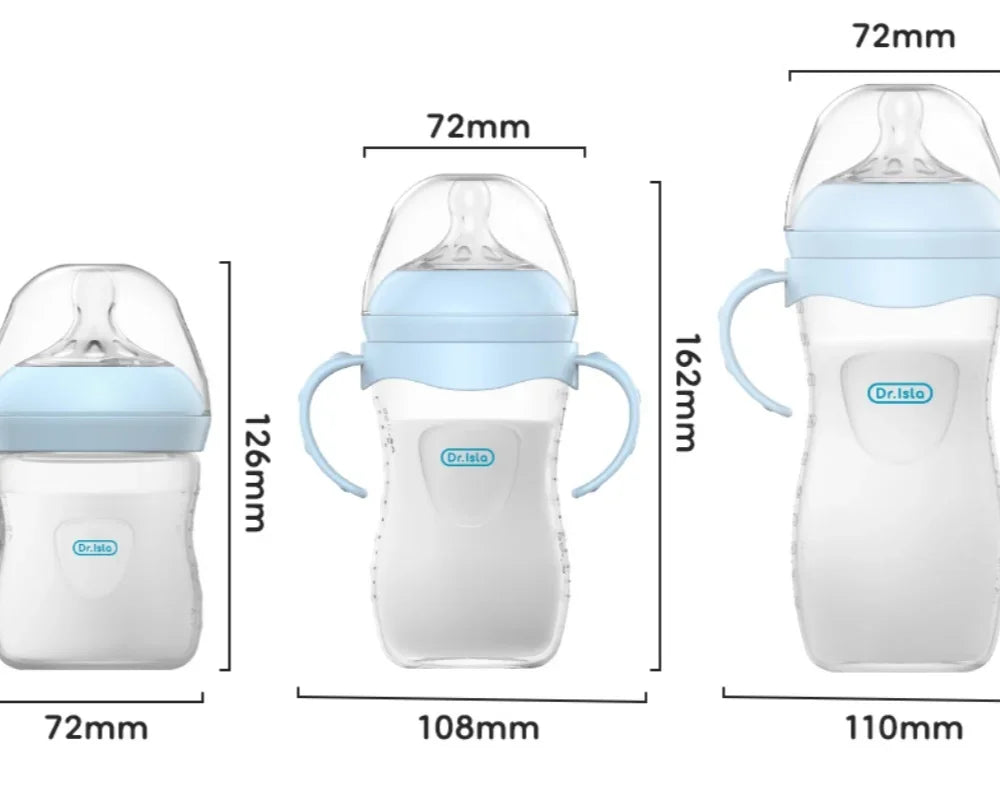
Anti colic bottle designs help reduce newborn gas after every feeding 💡 See it in action
Quick questions parents still ask
Is newborn gas normal?
Yes. Gas is common as a newborn’s digestive system matures. However, frequent discomfort may signal air intake issues during feeding.
Can bottles really reduce gas?
Colic free bottles can significantly reduce swallowed air, which is often a primary cause of feeding-related gas.
When should I change nipple flow?
If feeds feel rushed, messy, or uncomfortable, switching to or maintaining a medium flow bottle nipple may improve pacing and comfort.
Pillar Article: Anti Colic Feeding Bottle Reviews: Find the Safest Choice for Newborns
Other Related Articles:
- Tips for Bottle Feeding Newborns Without Stress or Choking
- Best Bottle for Gassy Newborns: Expert Reviews & Tips
- How Do Anti Colic Bottles Work? A Simple Guide for New Parents
- Top Anti Colic Bottles for Newborns: Side-by-Side Comparison
Explore More:





