

Does the best bottle for gassy baby really reduce gas?
The best bottle for gassy baby can help reduce swallowed air during feeding, which often leads to less burping discomfort, bloating, and fussiness. Anti-colic bottles are designed with vent systems that minimize air bubbles entering the milk, but they cannot eliminate gas completely because newborn digestion is still developing.
It's also important to distinguish gas from colic . Gas is usually caused by swallowed air or immature digestion, while colic involves prolonged crying with no single proven cause. Choosing the best bottle to reduce gas , using the correct nipple flow, and practicing paced feeding can improve comfort for many babies, although results vary from child to child.
Best Bottle for Gassy Newborns: Expert Reviews & Tips
⏱ 9 min read
If your newborn seems uncomfortable after every bottle, you're not alone. Many parents experience newborn gas after every feeding and wonder whether the bottle itself contributes to the problem. The right anti-colic bottle can reduce swallowed air, promote smoother digestion, and make feeding more comfortable for both babies and caregivers.
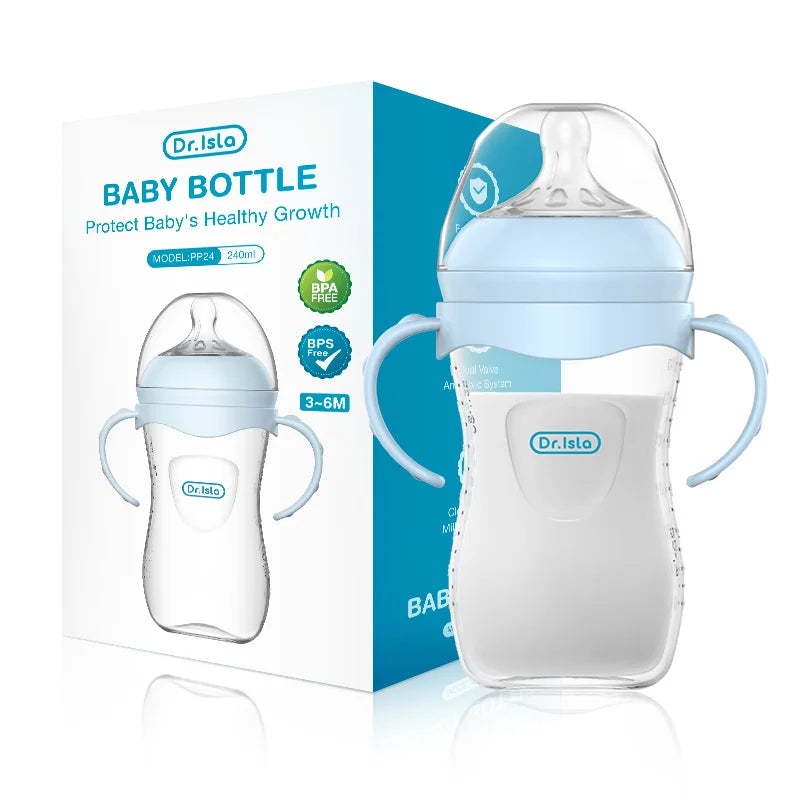
Best bottle for gassy newborn comfort during feeding a newborn with a bottle. See it in action.
Why Babies Get Gassy After Bottle Feeding
Gas is common during the first few months because a baby's digestive tract is still maturing. Even healthy newborns may swallow extra air while feeding, causing pressure, bloating, and fussiness afterward. Choosing quality bottles for gassy babies can reduce, but not completely prevent, these symptoms.
Common causes of trapped air
- Immature digestion slows the movement of swallowed air.
- Poor latch on bottle nipples allows extra air into the mouth.
- Nipple flow that's too fast or too slow causes gulping.
- Overfeeding stretches the stomach and increases discomfort.
- Feeding while lying flat may trap more air in the stomach.
When gas may indicate another feeding issue
Occasional gas is normal. However, frequent choking, poor weight gain, projectile vomiting, blood in the stool, or persistent crying after nearly every feeding may indicate reflux, milk protein intolerance, or another feeding concern. If these symptoms continue, consult your pediatrician rather than relying on a bottle change alone.
How Anti-Colic Bottles Work
Modern anti-colic bottles are engineered to reduce pressure inside the bottle while limiting the amount of air babies swallow. Although designs differ, the goal is consistent: improve milk flow while minimizing air intake.
Vented systems
Internal vents or valve systems allow air to enter the bottle instead of mixing into the milk. This helps many bottles that help with gas maintain a smoother feeding experience.
Bottle shape
Angled and ergonomic bottles keep milk covering the nipple more consistently, reducing the chance that babies suck in air between swallows.
Nipple design
Soft silicone nipples with gradual flow rates encourage a natural latch while helping regulate milk delivery. Matching nipple flow to your baby's feeding ability is just as important as choosing the bottle itself.
How We Tested and Chose the Best Bottles
To identify the best bottle for gassy baby review , we evaluated bottles using criteria parents commonly prioritize:
- Effectiveness of anti-colic vent systems
- Leak resistance during feeding and transport
- Ease of cleaning and sterilizing
- Availability of multiple nipple flow stages
- Compatibility with breastfeeding and combo feeding
- Overall comfort, grip, and durability
We also considered how easily replacement nipples and accessories can be found, since consistent feeding equipment is helpful during a baby's first year.
Best Bottle for Gassy Baby Reviews
The best bottle for gassy baby combines an effective venting system, comfortable nipple design, and consistent milk flow. Below are several well-known options that serve different feeding needs.
Best overall
KentDO Anti-Choke Baby Bottle offers an anti-colic vent, ergonomic design, and controlled flow that supports calmer feeds for many newborns experiencing frequent gas.
Best for newborns
Dr. Brown's Natural Flow bottles feature a full internal vent system that has long been recommended for babies prone to excessive air swallowing.
Best for breastfed babies
Philips Avent Natural Response bottles use a breast-shaped nipple designed to encourage a natural latch and smoother transitions between breast and bottle.
Best value
Evenflo Balance+ bottles provide a slow, consistent flow and wide nipple design at an affordable price point.
Best glass bottle
Lifefactory Glass Baby Bottles appeal to parents looking for durable glass construction with silicone sleeves for easier grip.
Best silicone bottle
Comotomo bottles feature a soft silicone body and wide-neck design that many babies accept easily while supporting natural feeding positions.
Side-by-Side Comparison of the Best Bottles for Gas
| Bottle Type | Vent System | Material | Cleaning | Best Use |
|---|---|---|---|---|
| Standard Bottle | Minimal | Plastic | Easy | Occasional bottle feeding |
| Vented Bottle | Moderate | Plastic | Moderate | Mild gas concerns |
| Advanced Anti-Colic Bottle | Advanced | Plastic, Glass, or Silicone | Moderate | Frequent gas and air swallowing |
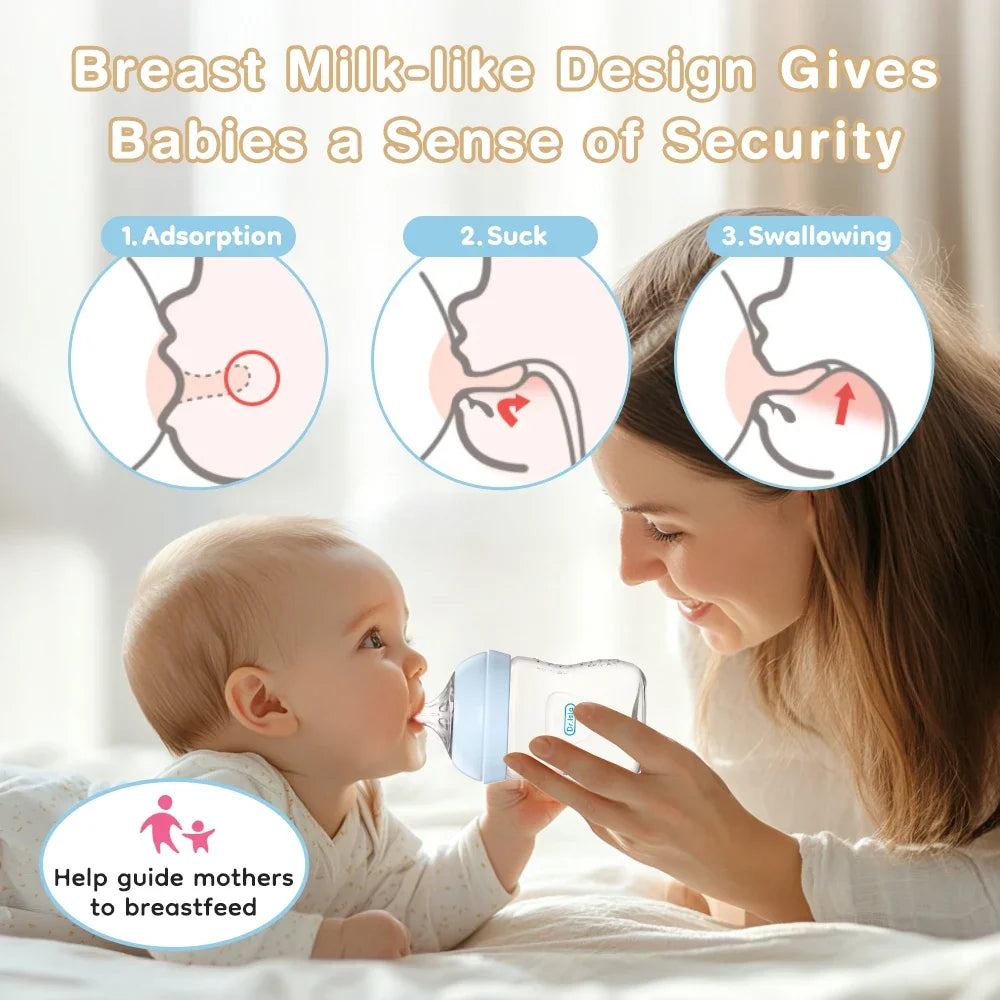
Comparing anti-colic bottles to manage newborn gas after every feeding. See it in action.
How to Choose the Right Bottle for Your Baby
Bottle materials
Plastic bottles are lightweight, glass bottles resist staining and odors, while silicone bottles offer flexibility and softness. The best choice depends on your family's feeding routine and preferences.
Nipple flow by age
Most newborns begin with slow-flow nipples before gradually moving to medium flow as feeding efficiency improves. If your baby gulps, coughs, or finishes bottles unusually quickly, reassess nipple flow.
Reflux and combo feeding
Babies with reflux or those switching between breast and bottle often benefit from anti-colic bottles with gradual flow rates and nipples designed to mimic breastfeeding.
Bottle Feeding Tips to Reduce Gas
Even the best bottle to reduce gas works best when paired with proper feeding techniques.
Burping techniques
- Burp every 2 to 3 ounces during feeding.
- Keep baby upright for several minutes afterward.
- Try shoulder, lap, or seated burping positions.
Bottle angle
Keep the bottle tilted so the nipple stays completely filled with milk, reducing the amount of air your baby swallows.
When to size up nipples
If feeding sessions become unusually long or your baby appears frustrated while sucking, it may be time to move to the next nipple flow stage. Avoid switching too early, as overly fast flow can increase gulping.
- Feed in a semi-upright position.
- Practice paced bottle feeding.
- Avoid overfilling the stomach.
- Check bottle vents regularly for blockages.
Parents often pair feeding improvements with helpful items from Feeding & Nursing and soothing routines from Sleep & Comfort collections.
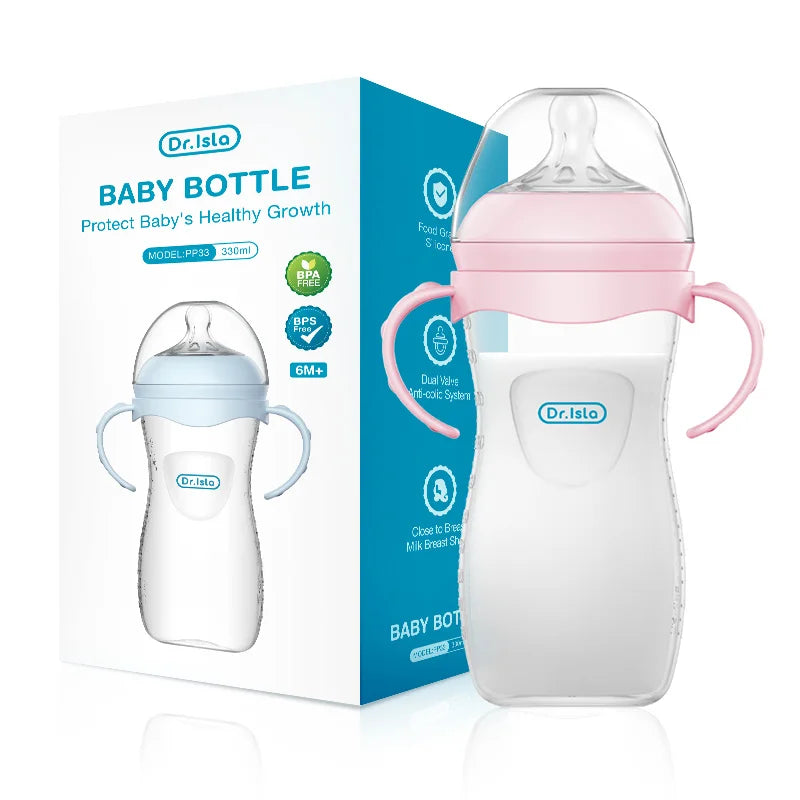
Trusted solution for feeding a newborn with a bottle. See it in action.
Frequently Asked Questions
Which bottles are best for gassy babies?
Anti-colic bottles with effective vent systems, controlled nipple flow, and ergonomic designs are generally the best choice for babies who frequently swallow air during feeding.
Are MAM bottles good for gassy babies?
Many parents find MAM bottles helpful because they include a vented base designed to reduce air intake. The best option still depends on your baby's feeding style and latch.
What is the best bottle to prevent gas?
No bottle can completely prevent gas, but anti-colic bottles with well-designed vent systems are among the most effective at reducing swallowed air.
Are glass bottles better for babies with gas?
Glass itself doesn't reduce gas, but many glass bottles are available with excellent anti-colic nipples and vent systems. Material choice should be based on safety, durability, and convenience.
Can nipple flow make a baby gassy?
Yes. A nipple that flows too quickly or too slowly can increase gulping, causing babies to swallow more air during feeding.
How often should anti-colic bottle vents be cleaned?
Clean bottle vents after every feeding according to the manufacturer's instructions. Milk residue can block vents and reduce their effectiveness.
Pillar Article: Anti Colic Feeding Bottle Reviews: Find the Safest Choice for Newborns
Other Related Articles:
- Why Does My Newborn Have So Much Gas? Bottles That Help
- Tips for Bottle Feeding Newborns Without Stress or Choking
- How Do Anti Colic Bottles Work? A Simple Guide for New Parents
- Top Anti Colic Bottles for Newborns: Side-by-Side Comparison
Explore More:





