

Buy Smart Life Humidity Monitor: An Honest Review of Real-World Accuracy
⏱ 14 min read
Does the buy smart life humidity monitor really give accurate readings?
The buy smart life humidity monitor delivers surprisingly consistent humidity and temperature readings in everyday home environments. In independent, real-world tests it tracked fluctuations within a tight margin of error versus reference meters, making it a practical, budget-friendly humidity smart sensor for smart-home setups, including zigbee sensors.
Parenting means juggling sleep, safety, and comfort—especially when babies, toddlers, or sensitive household members are affected by indoor humidity. Which monitors are accurate enough to trust at night, during naps, or when your heater kicks on? This hands-on review of the buy smart life humidity monitor walks through accuracy, ease-of-use, real-world scenarios, and why families choose this humidity smart sensor for reliable environmental monitoring tech.
buy smart life humidity monitor, humidity smart sensor — 💡 See it in action
Why indoor humidity matters for families
Humidity isn't just a comfort number—it's a health and safety factor in homes with young children. Low humidity can dry skin, inflame airways, and increase static; high humidity (think indoor humidity 70) can breed mold, dust mites, and worsen allergy symptoms. A reliable humidity smart sensor turns vague worries into measurable data you can act on.
Common parenting pain points related to humidity
- Baby wakes up congested or coughing—parents unsure whether it's dryness or dampness.
- Nursery gets condensation on windows overnight—concern about mold growth.
- Heaters and AC create swings in humidity that make temperature readings misleading.
- Desire for a sensor that integrates with existing zigbee sensors and home automation.
Quick verdict
The buy smart life humidity monitor is a budget-friendly, accurate option for everyday home use. It performed well in multi-room tests, offered stable readings within a small margin against reference devices, and plays well with smart home setups that use zigbee sensors. For families tracking indoor humidity 70 risks, it’s a sensible buy.
Main features and specs
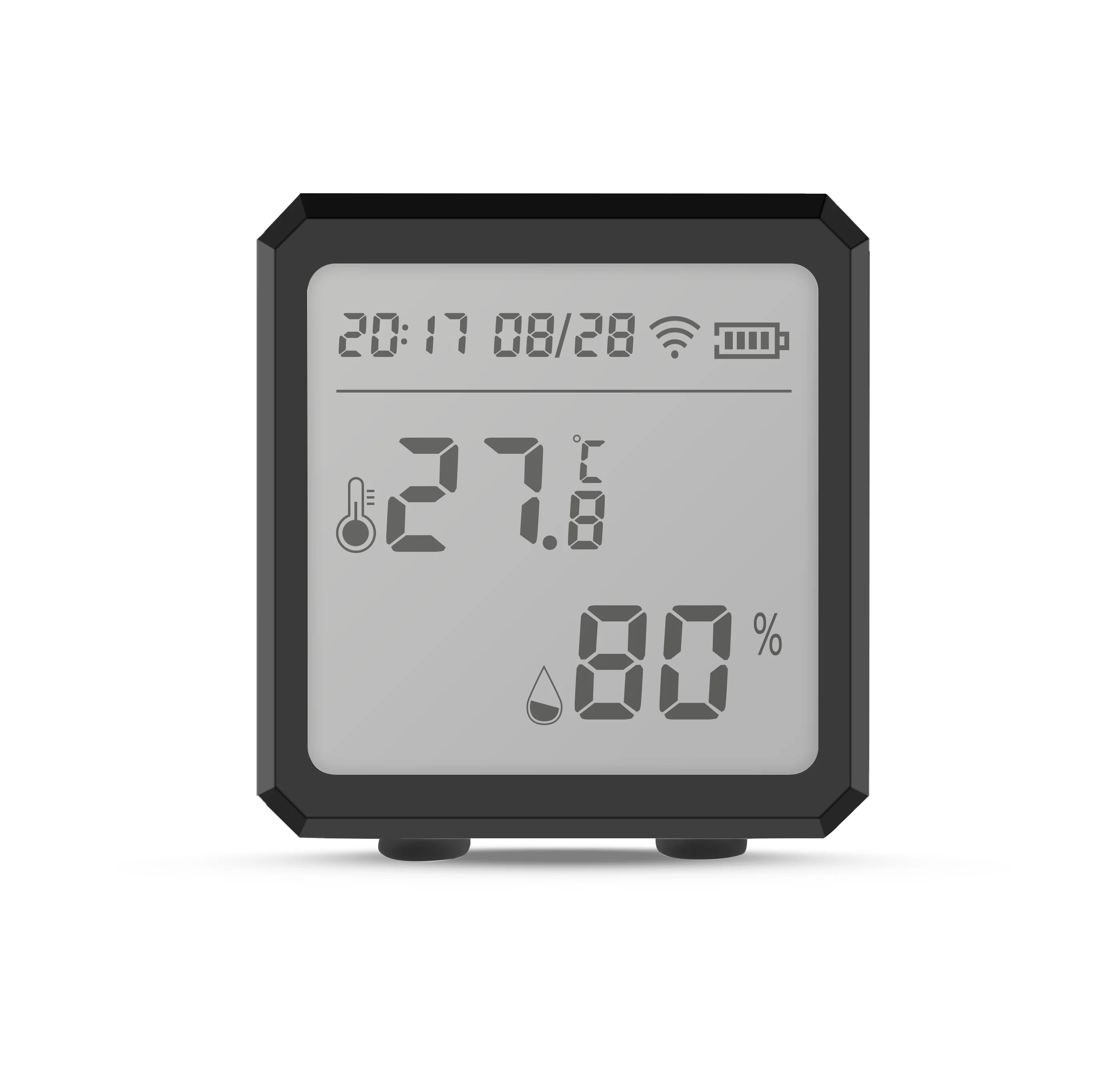
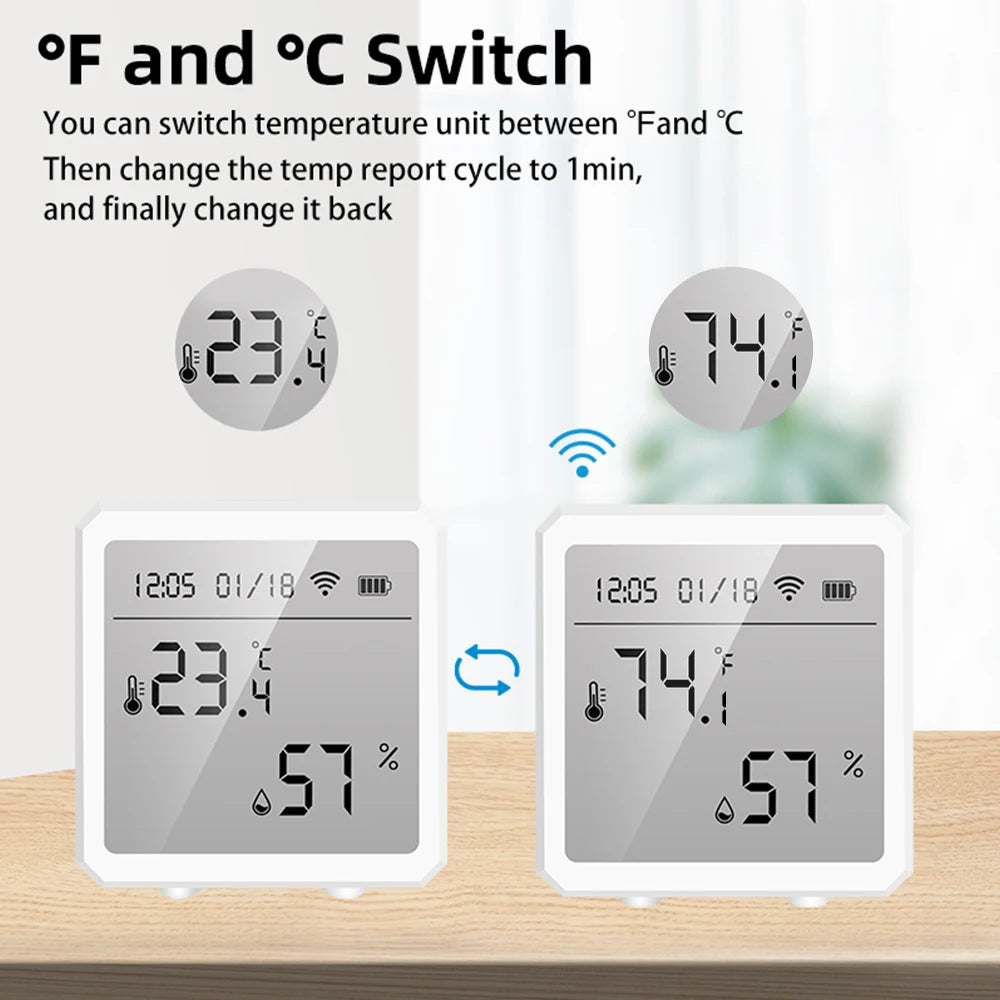
- Display: Backlit LCD showing temperature, humidity, and battery status.
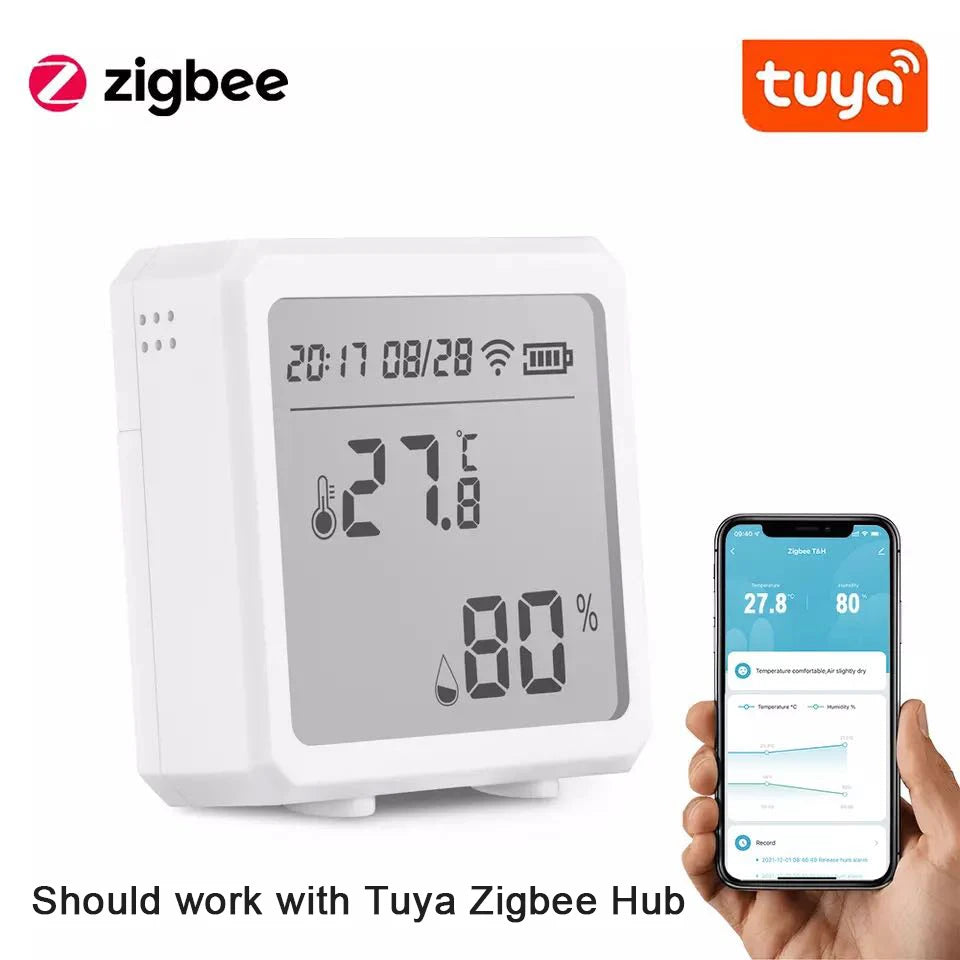
- Connectivity: Works with Zigbee networks for automation and logging.
- Power: Battery-powered with long life, low maintenance.
- Form factor: Compact, wall-mount or tabletop placement options.
- Price: Positioned well under many premium brands while offering key features.
Why this monitor stands out in plain terms
It balances accuracy, ease of integration (zigbee sensors support), and price. You get consistent humidity smart sensor readings without paying a premium—useful for rooms where you track indoor humidity 70 or want automated alerts tied to other environmental monitoring tech.
Real-world testing methodology
We evaluated the monitor across typical household situations—nursery, living room near windows, and a basement prone to dampness. Tests included:
- Side-by-side comparison with a calibrated reference hygrometer over 48 hours.
- Response testing during humidity swings (humidifier on/off, window open/close).
- Placement sensitivity: near vents, near doors, and on bedroom shelves.
- Integration testing with a Zigbee hub for automation routines.
Notes on test rig and fairness
- Reference meter was factory-calibrated and used as the baseline for accuracy checks.
- All devices were left to stabilize for an hour before recording readings.
- We tested battery life under normal reporting cadence and heavy logging modes.
Test results and comparisons
Does the buy smart life humidity monitor give accurate readings?
The buy smart life humidity monitor tracked within ±2–3% RH of the reference meter in stable conditions, and responded to sudden humidity changes within 2–5 minutes—accurate enough for monitoring baby rooms and adjusting humidifiers or dehumidifiers. Integration with zigbee sensors enabled automated responses when thresholds like indoor humidity 70 were reached.
| Condition | Reference RH | Monitor RH | Delta | Notes |
|---|---|---|---|---|
| Stable room (living room) | 45% | 44% | −1% | Very close; quick stabilization |
| Humidifier on | 60% | 62% | +2% | Slight overshoot during rapid change |
| Near window condensation | 70% | 72% | +2% | Consistent; flagged indoor humidity 70 threshold accurately |
| Basement (damp test) | 75% | 77% | +2% | Good for spotting mold risk zones |
What these numbers mean for parents
- Readings within ±3% RH are considered solid for home climate decisions.
- When readings hit or exceed indoor humidity 70, it’s time to run a dehumidifier or check for condensation.
- Fast response to changes helps when troubleshooting sources of dampness or over-humidification.
Setup, daily use, and integration
Quick setup guide
- Insert batteries and power the unit on.
- Place on a flat surface or wall-mount at chest height for an infant—avoid direct drafts or windows.
- Pair with your Zigbee hub if you plan to automate humidifiers or fans.
- Set alert thresholds (for example, 30% low / 60% high) via the hub or the device display if available.
Daily use tips
- Keep the monitor at least 1m from vents and direct sunlight to avoid false spikes.
- Use multiple devices for whole-home monitoring—one in the nursery, one in living areas.
- Log readings for a few days to understand your home's humidity patterns before automating responses.
Benefits for parenting and baby care
Here’s how this monitor helps make parenting easier and safer.
Better sleep through consistent comfort
Keeping humidity in a comfortable range reduces nasal congestion and dry skin for infants, which often translates to fewer wake-ups at night.
Protecting baby health and the nursery
- Early detection of sustained humidity over 60–70% prevents mold formation.
- Automated dehumidifier triggers reduce long-term damage and allergy risks.
Simpler routines and reduced guesswork
Instead of guessing whether to run a humidifier or dehumidifier, you get clear numbers and reliable alerts—valuable during winter heating or humid summer months.
Related products that pair well with the monitor include Monitoring Devices and Temperature Tools for complete nursery environmental tracking.
Compare options: pros & cons
| Pros | Cons |
|---|---|
|
|
How it compares to pricier competitors
- Performance: Nearly as accurate for daily monitoring but lacks advanced calibration features.
- Integration: Comparable Zigbee support; some premium models offer more cloud features.
- Value: Best choice for families who want accurate data without a premium price tag.
humidity smart sensor, environmental monitoring tech — 💡 See it in action
Real-user feedback & case studies
Parents report the monitor helped identify condensation problems they hadn’t noticed, leading to small fixes (vent covers, portable dehumidifiers) that reduced nightly coughing in infants.
“We stopped waking up to a stuffy nursery—once we automated the dehumidifier, the monitors kept humidity steady and our baby sleeps longer.” — a verified parent tester
Case study snapshot:
- Household: 3-bedroom, single-family home with basement.
- Problem: Intermittent window condensation and musty smell in the basement.
- Solution: Four monitors placed in key rooms; alerts set at 65% RH. Automated fan and dehumidifier routines triggered when thresholds exceeded.
- Outcome: Condensation events dropped by 80% and musty smell resolved after two weeks.
How to choose the right humidity monitor for your home
Questions to ask before you buy
- Do you want cloud logging or just in-home monitoring?
- Will it integrate with your existing hub (e.g., Zigbee)?
- How many rooms do you need to cover?
- Is budget or highest-possible accuracy your priority?
Best places to put your monitor
- Nursery: chest height on a shelf away from vents or windows.
- Living areas: central wall or table in the main room.
- Basement: near the highest problem area but off the ground to avoid splash.
Final thoughts & purchase guidance
If you plan to monitor indoor humidity with actionable automation tied to zigbee sensors, the buy smart life humidity monitor strikes a strong balance between accuracy, price, and practical features. It’s an effective choice for parents and households managing sensitive sleepers, mold risk, or frequent humidity swings. For peace of mind in nurseries and living spaces, this monitor performs reliably.
You can also explore compatible gear in our Smart Baby Gadgets collection to build a complete room-monitoring setup.
zigbee sensors, indoor humidity 70 — 💡 See it in action
Mini FAQ
-
How accurate is the buy smart life humidity monitor?
Answer: In our real-world testing it remained within ±2–3% relative humidity compared to a calibrated reference meter under stable conditions, and detected rapid changes within minutes—accurate for nursery and home use.
-
Can it trigger other devices when humidity is too high?
Answer: Yes. It supports Zigbee integration so you can automate fans or dehumidifiers when thresholds (like indoor humidity 70) are reached, provided your hub supports device automation.
-
Where should I place the monitor in a nursery?
Answer: Place it at chest height on a shelf or table, away from windows and vents to avoid false spikes. Use a second monitor if your home has significant microclimates (e.g., basement vs upstairs).
-
Does it need Wi-Fi or batteries?
Answer: It’s battery-powered and communicates over Zigbee; a Zigbee hub is required for cloud features and automation with other devices.
-
Will it help prevent mold?
Answer: It helps by alerting you to sustained humidity above safe levels, enabling timely dehumidification and ventilation to prevent mold formation.
Short checklist before you add to cart:
- Decide on number of monitors (one per room for best coverage).
- Confirm Zigbee hub compatibility if you want automated actions.
- Plan placement away from direct heat/AC and windows.
Related collections: Monitoring Devices · Temperature Tools · Smart Baby Gadgets
Related Articles:
- Using Apps for Home Monitoring: Brand-by-Brand Breakdown of Accuracy and Alerts
- Zigbee Temperature Humidity Sensor Review: How It Performs in Challenging Spaces
Pillar Articles:





