

What are digital auscultation best practices?
Digital auscultation best practices focus on using a high tech stethoscope with proper setup, positioning, and workflow to capture clearer heart and lung sounds. By combining a digitizing stethoscope, thoughtful listening technique, and consistent routines, clinicians can reduce noise, improve sound clarity, and build confidence in everyday assessments.
Digital Auscultation Best Practices for Clear Results
⏱ 7 min read
Digital auscultation best practices can feel overwhelming at first—especially if you’re transitioning from traditional tools while juggling busy clinical days and personal wellness priorities. Have you ever wondered why the same patient sounds different from room to room, or how a high tech stethoscope can truly make listening easier and more reliable?
Clear listening isn’t just about technology—it’s about confidence, consistency, and trust in what you hear. When tools work with you instead of against you, everyday assessments feel calmer and more accurate.
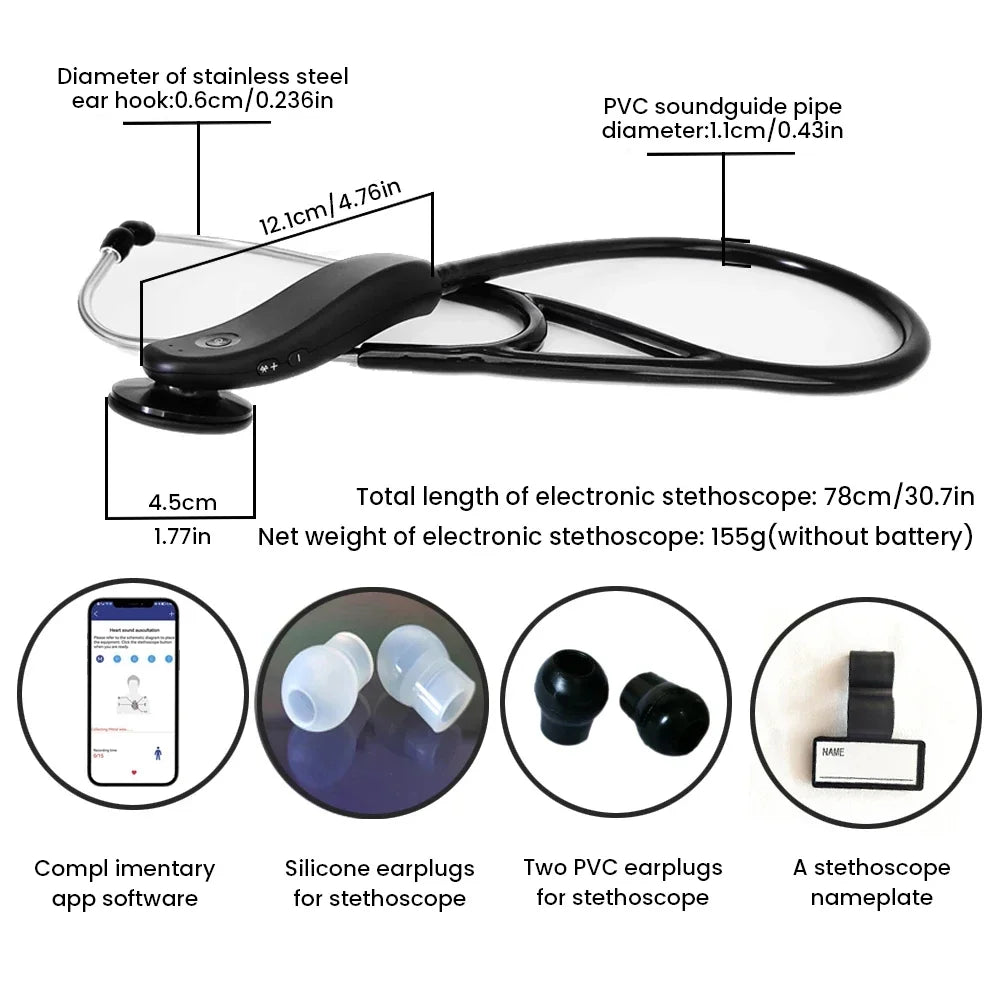
Digital auscultation best practices with a high tech stethoscope for clearer results 💡 See it in action
Why Digital Listening Matters for Clear Results
Digital auscultation best practices help bridge the gap between what you expect to hear and what reaches your ears. Background noise, rushed exams, and fatigue can all affect perception. A digitizing stethoscope captures and enhances sounds so subtle murmurs or breath changes are less likely to be missed.
Many clinicians compare this shift to using monitoring devices at home—once you see clearer data, decision-making feels easier and more reassuring. This same sense of clarity is why families often rely on Monitoring Devices to reduce daily stress around safety.
- Improved sound amplification and filtering
- More consistent results between exams
- Greater confidence during assessments
- Better support for teaching and collaboration
How Proper Setup Improves Everyday Listening
Digital auscultation best practices start before you ever place the chestpiece. Proper setup ensures your high tech stethoscope performs as intended, without distortion or unnecessary noise.
Digital auscultation best practices emphasize simple preparation steps that quickly become habit, saving time in the long run.
- Charge the device fully before long shifts.
- Select the correct listening mode for heart or lung sounds.
- Check volume levels in a quiet space.
- Confirm Bluetooth or recording settings if sharing is needed.
These steps mirror how parents prepare temperature tools or hygiene gadgets before use—small actions that prevent frustration later. Explore related wellness tools in Health & Safety collections for similar peace-of-mind solutions.
Explore the electronic stethoscope designed for modern listening
Positioning Tips That Reduce Noise and Missed Sounds
Even the best digital stethoscope design relies on correct positioning. Digital auscultation best practices stress consistent placement and patient comfort to avoid artifacts.
- Place the chestpiece firmly, without excessive pressure.
- Ask patients to relax and breathe normally.
- Avoid clothing friction by placing directly on skin.
- Pause movement before recording or listening.
Think of this like calming a baby before sleep—comfort and stillness make all the difference. Products in Sleep & Comfort collections follow the same principle of reducing disruption for better outcomes.
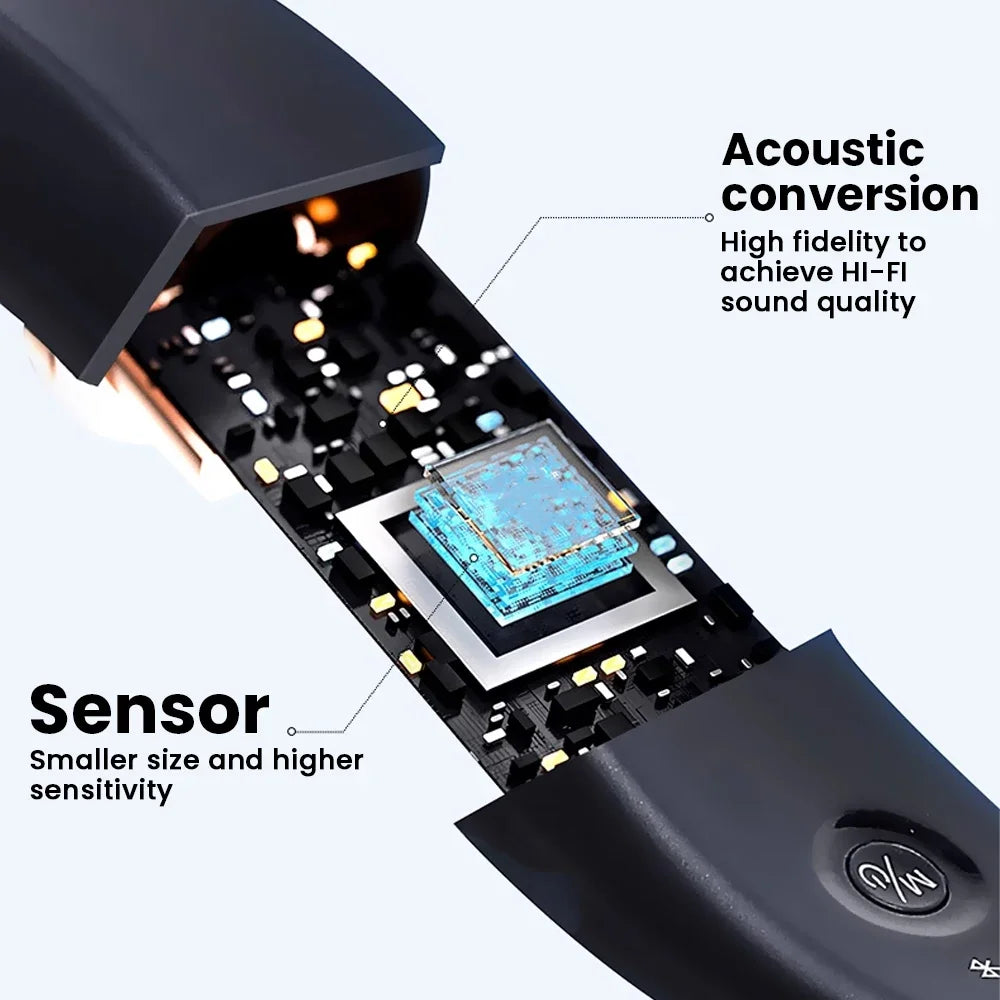
High tech stethoscope positioning using digital auscultation best practices 💡 See it in action
Building a Simple Digital Auscultation Workflow
A reliable workflow is central to digital auscultation best practices. When steps are repeatable, results become easier to trust—especially in busy environments.
Digital auscultation best practices recommend keeping workflows simple and intuitive, so technology supports rather than slows you down.
| Step | Purpose |
|---|---|
| Prepare device | Ensures clear sound capture |
| Position correctly | Reduces noise and artifacts |
| Listen and record | Allows review and sharing |
| Review findings | Builds confidence and accuracy |
This structured approach is similar to organizing feeding routines or massage sessions for relaxation—predictability brings calm. You may find inspiration in Massage & Relaxation tools that emphasize routine and ease.
Learn how this digitizing stethoscope fits seamlessly into your workflow
How Digital Stethoscope Design Supports Learning
Modern stethoscope innovation goes beyond amplification. Digital stethoscope design now supports recording, playback, and sharing—features that accelerate learning and collaboration.
For clinicians balancing work and personal wellness, these features feel as supportive as smart baby gadgets that simplify parenting tasks. Discover similar smart solutions in Smart Baby Gadgets.
- Replay sounds to confirm findings
- Share recordings for second opinions
- Track progress over time
- Support training and mentorship
Real-World Scenarios: From Busy Clinics to Home Care
Digital auscultation best practices shine in real-world settings where distractions are common. In busy clinics, clearer sound reduces repeat exams. In home care, familiar environments paired with a high tech stethoscope can ease anxiety for both clinician and family.
Just as parents rely on beauty and wellness routines to recharge, clinicians benefit from tools that reduce cognitive load. Explore supportive self-care options in Beauty & Wellness.
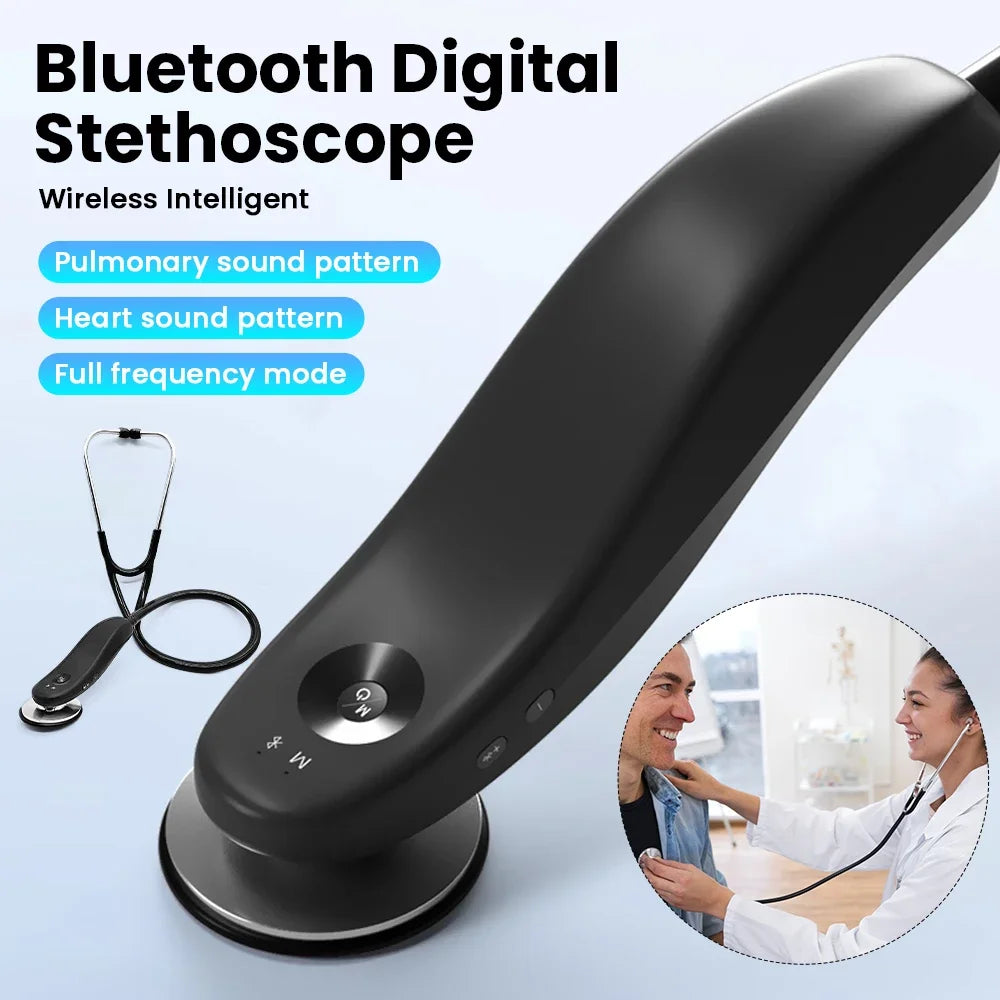
Stethoscope innovation supporting digital auscultation best practices 💡 See it in action
Get the electronic stethoscope trusted for everyday care
Frequently Asked Questions
Does digital auscultation really improve sound clarity?
Yes. Digital auscultation best practices paired with a digitizing stethoscope can enhance subtle heart and lung sounds while reducing background noise, making assessments more consistent.
Is a high tech stethoscope hard to learn?
Most users adapt quickly. Thoughtful digital stethoscope design focuses on intuitive controls, helping clinicians transition smoothly from traditional tools.
Can recordings support long-term care?
Recording features allow comparisons over time, supporting follow-ups and shared decision-making—an important part of modern medical diagnostics.
Pillar Article: Not Found
Other Related Articles:
- Difficulty Hearing Heart Murmurs? Step-by-Step Guide
- Digital Auscultation Best Practices for Clear Results
- How to Improve Auscultation Clarity in Noisy Settings
- Electronic Stethoscope Noise Reduction: Top Models Compared
Explore More:





